Gorilla Trekking for the Disabled
January 22, 2026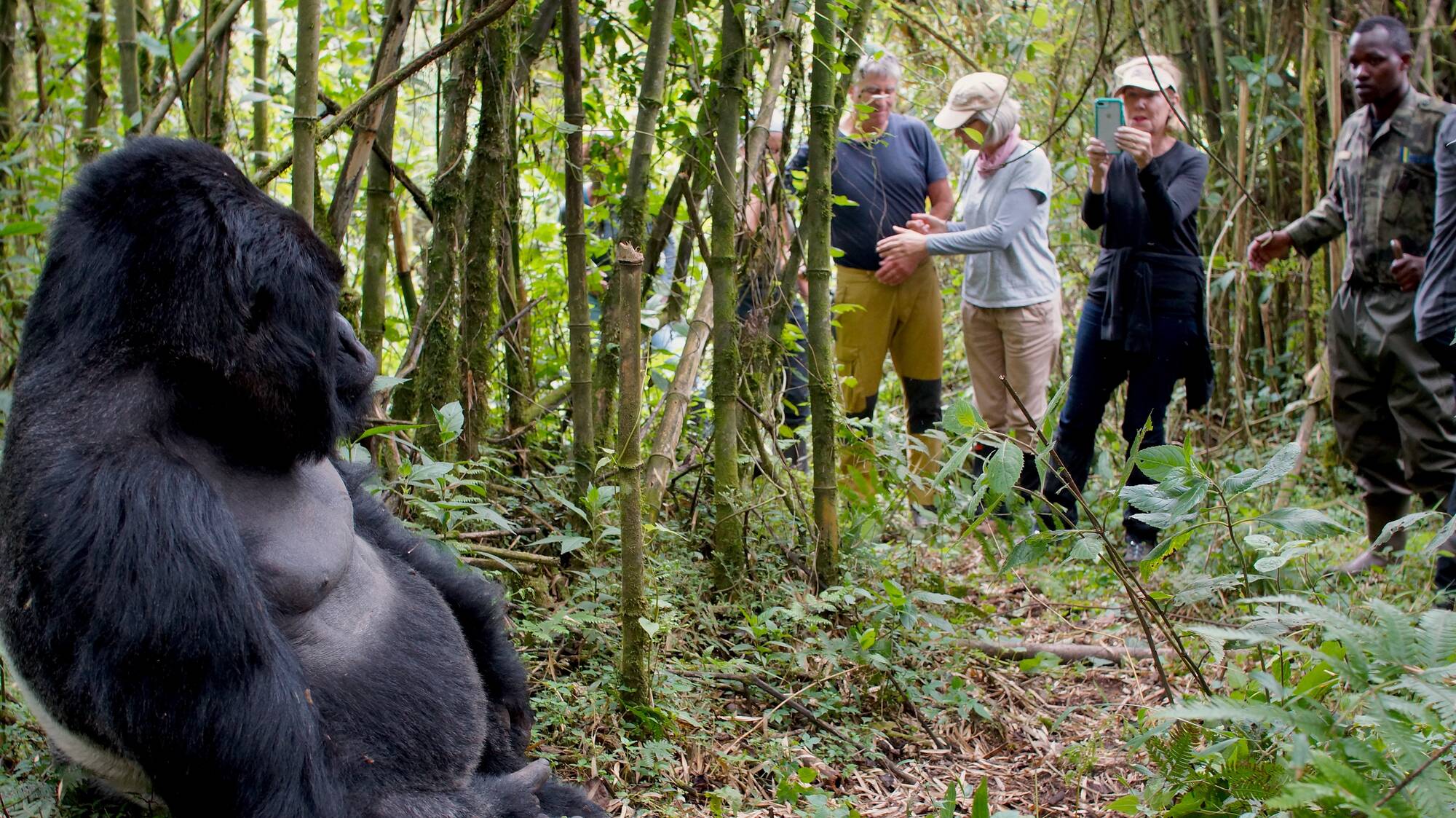
Bwindi Gorilla Habituation Experience
January 26, 2026
Safari Tipping Guide East Africa: Lodges, Camps & Tour Leaders
A safari across Kenya, Tanzania, Uganda, and Rwanda brings more than wildlife sightings. It delivers warm smiles, skilled guiding, and service that feels personal. That is why Safari Tipping Guide East Africa: Lodges, Camps & Tour Leaders matters for every guest. Tipping in East Africa supports the people who protect nature and serve travelers daily. It also strengthens local livelihoods in areas that depend on tourism. Many visitors ask about East Africa tipping culture before arrival. They want clarity, respect, and peace of mind. Thankfully, tipping on safari in East Africa follows simple patterns. You reward effort, kindness, and consistent service. At Kaara Adventures, we see tipping as a sincere thank-you.
A good East Africa tipping guide helps guests avoid confusion. It also helps teams feel valued and motivated. In most destinations, travelers use small USD notes. The best approach stays practical and fair. You tip at checkout or at the trip’s end. Many lodges use a communal tip box. Meanwhile, guides often receive tips directly. This Safari Tipping Guide East Africa: Lodges, Camps & Tour Leaders also helps you plan your cash. Better planning reduces stress during travel. Most importantly, it allows you to enjoy each moment fully. From game drives to forest treks, every experience becomes smoother. You focus on lions, gorillas, and sunsets. Your team handles the details with pride and skill.
Safari Tipping Guide East Africa: Lodges, Camps & Tour Leaders – Understanding East Africa Tipping Culture with Confidence
East African hospitality feels genuine, and it runs deep in daily life. You notice it at the airport, at camp, and on the road. This is where Safari Tipping Guide East Africa: Lodges, Camps & Tour Leaders becomes a helpful travel tool. In many safari regions, service teams work long hours. They prepare meals early, clean rooms, and track wildlife before sunrise. Even so, tipping in East Africa stays optional. Guests still tip because it feels right. Most travelers view tips as meaningful appreciation. The best East Africa gratuities support people who stay behind the scenes. You rarely see the laundry team, yet they keep everything ready. You may not meet the kitchen crew, yet they serve perfect meals daily. In luxury areas, staff maintain high standards with quiet excellence. Therefore, luxury safari tipping East Africa often lands on the higher range.
A strong Safari Tipping Guide also explains currency expectations. Many properties prefer USD notes printed after 2013. Newer notes reduce exchange issues in remote towns. However, local currency can still work in many places. A smart guest carries small denominations for flexibility. You avoid breaking large bills in the bush. Additionally, you tip with consistency, not pressure. You reward service quality, effort, and attitude. Good tipping supports sustainable tourism too. It encourages long-term careers in guiding and conservation. That stability protects wildlife habitats in the long run. As a result, this Safari Tipping Guide helps you travel responsibly. It also builds positive relationships during your trip. You create good energy with your guide and lodge team. Then your safari becomes even more memorable.
How Much to Tip Safari Driver Guides Per Day
Your driver-guide shapes your safari story from day one. They drive long distances, read animal behavior, and manage timing. This makes Safari Tipping Guide East Africa: Lodges, Camps & Tour Leaders essential for your planning. Many guests ask how much to tip safari driver each day. A fair range sits between $10 and $25 per guest per day. Private safaris usually sit at the higher end. Excellent guiding also deserves a stronger tip. The best guides combine safety, patience, and deep knowledge. They also spot wildlife fast and position the vehicle well. You feel the difference on every game drive. That is why safari guide tipping matters so much. A good guide also handles unexpected changes calmly. Weather, road conditions, and park delays happen often. Strong leadership keeps the day enjoyable. In addition, guides support cultural visits and check-in processes.
They translate local moments into meaningful memories. For many guests, the guide becomes the trip highlight. So, tipping safari guide per day reflects that value. In group tours, tipping may feel different. You share the guide with other travelers. Still, you can tip based on your experience. Many guests tip at the end of the trip. That timing feels simple and respectful. You can use an envelope for privacy. Some guests prefer daily tipping for better budgeting. Both methods work well across the region. This Safari Tipping Guide East Africa: Lodges, Camps & Tour Leaders keeps it straightforward. Always match your tip to service quality. Reward professionalism, punctuality, and care. Most importantly, tip from gratitude, not obligation. That mindset fits tipping in East Africa perfectly.
Safari Tipping Guide East Africa: Lodges, Camps & Tour Leaders – Lodge, Camp, and Housekeeping Tipping Etiquette
Safari lodges and camps run like small villages in the wilderness. Every team member plays a role in your comfort. This is where Safari Tipping Guide East Africa: Lodges, Camps & Tour Leaders gives you a clear structure. Most properties use a communal tip box at reception. You place one tip there for the wider team. That system supports housekeeping, kitchen staff, gardeners, and security. Many guests ask about safari camp tipping etiquette during check-in. A practical range stays between $5 and $15 per guest per day. Luxury camps often fall between $15 and $25. Your experience level helps you decide. A camp with high service touches deserves more. You might see daily hot water, perfect bedding, and spotless tents. You might enjoy fresh laundry and thoughtful room setups. These details come from hardworking teams.
Therefore, tipping lodge staff East Africa often feels well deserved. Housekeeping also deserves special attention. Great housekeeping improves comfort after dusty game drives. If you want to tip directly, keep it simple. A small envelope works well. Still, many guests prefer the communal box approach. It prevents awkward moments and supports fairness. You may also wonder about hotel tipping in East Africa in city stays. Hotels in Nairobi, Arusha, Kampala, or Kigali often follow similar ranges. Tip boxes appear less often in cities. However, direct tipping still works smoothly. This Safari Tipping Guide East Africa: Lodges, Camps & Tour Leaders also protects your budget. You avoid overspending when emotions run high. You also tip with confidence, not guesswork. That confidence improves your entire lodge experience.
Porters, Transfers, and Small Daily Moments That Matter
Small acts of service create big comfort during safari travel. Porters lift heavy bags and guide you to your room. Transfer drivers handle airport timing and luggage support. This makes this Safari Tipping Guide useful beyond game drives. Many guests ask about tipping porter at hotel and lodge arrivals. A good range sits at $3 to $5 per bag or movement. You can tip more for heavy loads or difficult paths. Safari camps may involve stairs, slopes, or wooden walkways. Porters often help during rain as well. Their effort saves your energy for activities. Transfers also deserve a quick mention. Guests often ask about tipping airport transfer driver. A fair amount ranges from $1 to $5 per person.
Longer transfers may deserve more. Traffic, roadworks, and weather can add stress. Good drivers keep you calm and safe. For restaurant service, guests often follow two approaches. You tip 10% of the bill, or you give $2 to $5 per day. This works well for tipping restaurant staff East Africa in lodges and hotels. Yet many safari properties cover service through the communal box. In that case, extra tips remain optional. If a waiter supports special dietary needs, a direct tip feels kind. This Safari Tipping Guide East Africa: Lodges, Camps & Tour Leaders keeps everything balanced. You reward daily effort without overthinking each moment. Better tipping habits also create smoother service flow. Staff feel respected, and you feel welcomed. Most importantly, you protect the joy of your safari. Each tip becomes a simple gesture of gratitude.
Gorilla and Chimp Trekking Tips for Uganda and Rwanda
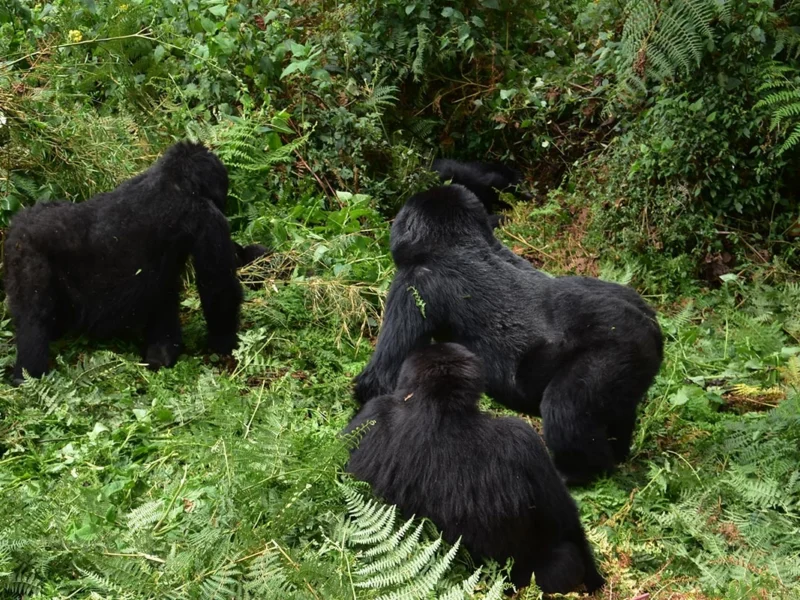
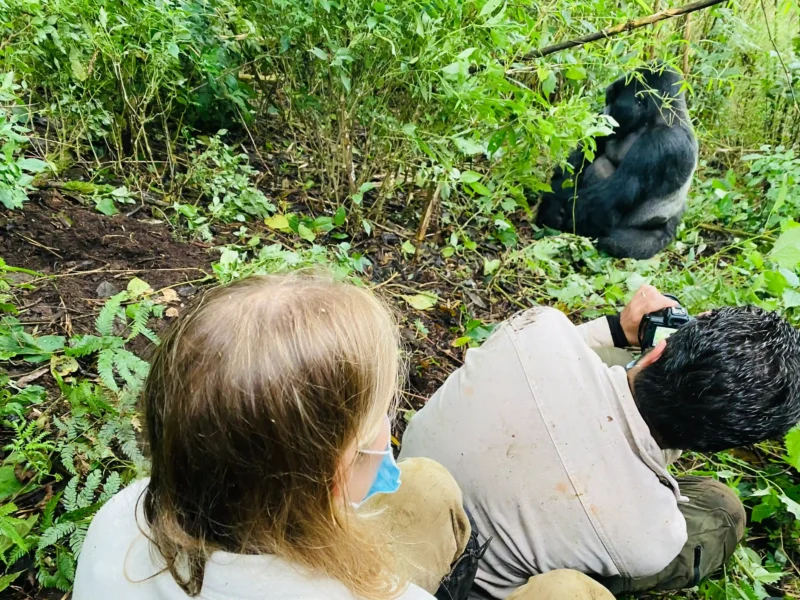
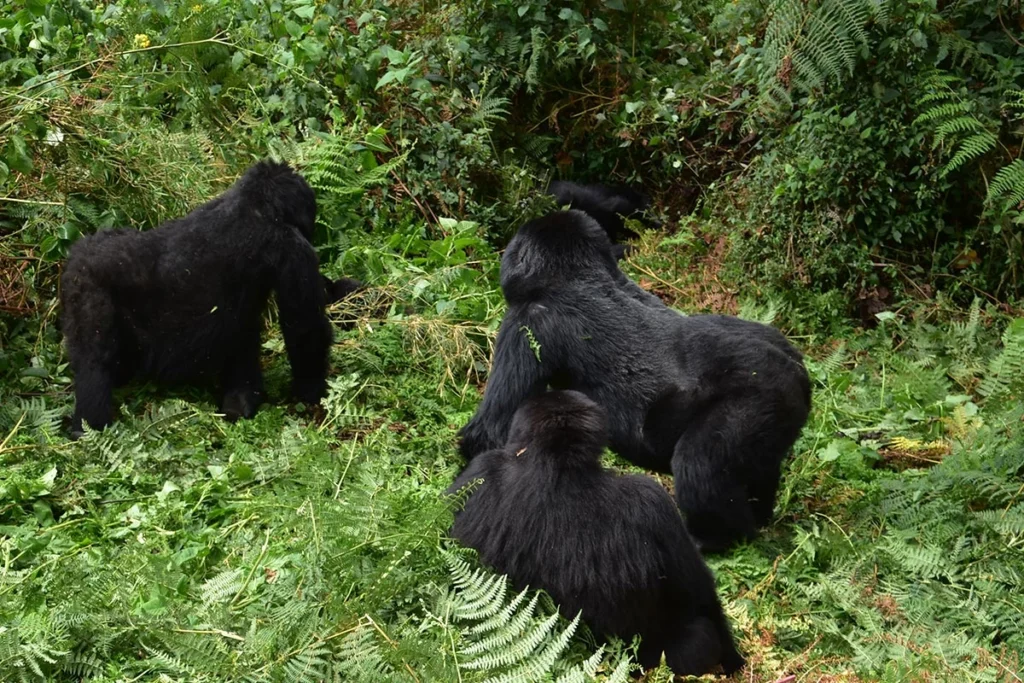
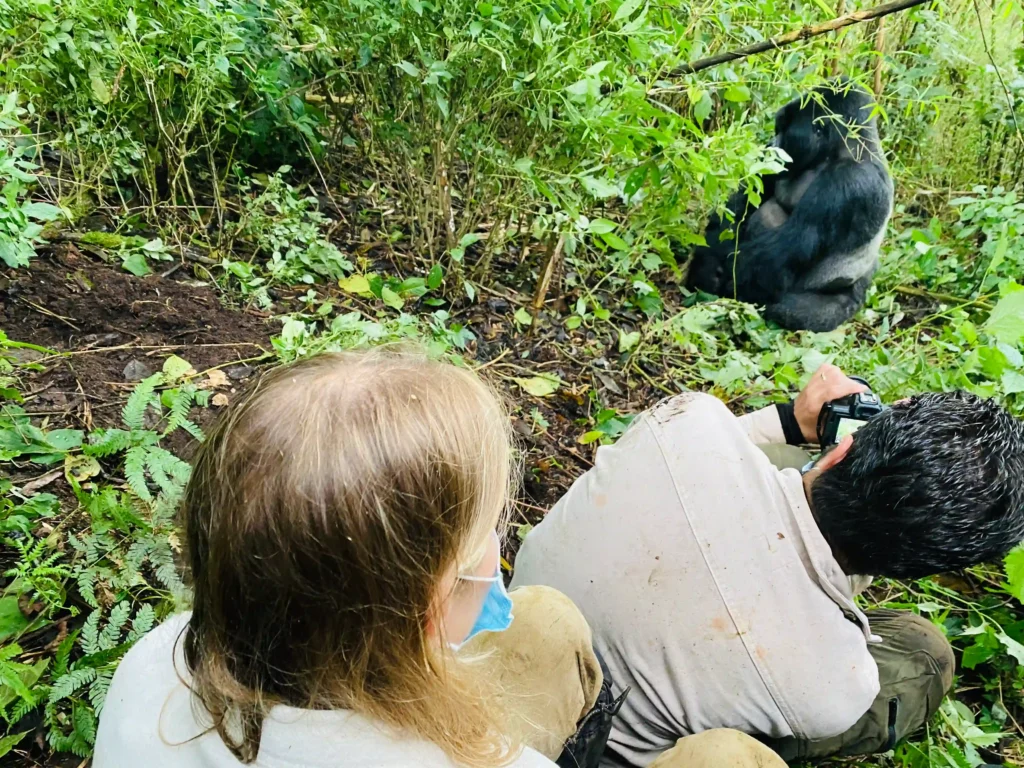
Primate trekking brings some of Africa’s most powerful wildlife moments. You walk through thick forest, steep slopes, and muddy trails. This is why Safari Tipping Guide East Africa: Lodges, Camps & Tour Leaders must include primate trekking teams. Uganda and Rwanda trekking staff work with discipline and courage. They track gorilla families daily and manage visitor safety. Many guests ask about how much to tip in East Africa for gorilla trekking. Specialized trackers and support teams often receive $15 to $20 per person. These professionals make your trek successful and safe. You may also choose a porter for extra support. Porters carry daypacks and help on slippery sections. Many guests feel stronger with a porter’s assistance. Hiring one also supports local incomes near the park. This is responsible tipping on safari in East Africa in action.
For guides, a thoughtful tip reflects the trek’s quality. A good guide also shares behavior insights and conservation rules. That information makes the encounter meaningful. After trekking, cultural experiences complete your day. Many lodges near Bwindi or Volcanoes offer village visits. You may join basket weaving sessions and cooking demonstrations. Some areas offer community walks and storytelling dances. You may also visit local markets for crafts and fruit. In Lake Mutanda or Twin Lakes areas, boat rides add calm beauty. These activities connect you to people behind conservation. A good Safari Tipping Guide includes these moments too. For community guides, small tips show appreciation. You can also support local projects through direct purchases. These actions strengthen ethical tourism. They also enrich your safari beyond wildlife. Every cultural moment becomes part of your story.
Smart Timing, Currency Tips, and Final Safari Advice
Good tipping feels easy when you plan it early. You carry the right cash and enjoy your trip more. This is why this Safari Tipping Guide ends with practical advice. First, plan your small USD notes before arrival. Many safari destinations have limited ATM access. Remote areas may also face network issues. New USD notes printed after 2013 often work best. That detail reduces exchange challenges. Next, choose the right timing. Tip your main guide on the last day of safari. That suits most itineraries and feels respectful. Lodge tips often go into the box at checkout. This system supports shared staff teams fairly. When you travel as a couple or family, you tip per person. When you travel privately, consider higher-end tipping. Private service often includes more flexibility and attention. Therefore, tipping private tour guide often sits on the upper range.
Day tours also deserve thoughtful gratuities. Guests often enjoy city tours, boat cruises, and cultural visits. In those cases, tipping on day tours East Africa stays simple and modest. Boat trips may include a crew team too. So, tipping boat safari crew can follow the same idea. Reward safety, friendliness, and effort. Finally, keep your approach personal and sincere. You never need to tip beyond your comfort. You always tip based on service quality. This mindset matches East Africa tipping culture perfectly. At Kaara Adventures, we guide guests with clarity and honesty. We believe confident travelers enjoy better experiences. We also believe well-supported staff deliver stronger service. So, this Safari Tipping Guide helps both sides. It keeps your safari smooth, respectful, and memorable. Your gratitude becomes part of the journey. Your journey becomes part of East Africa’s conservation story.