Wildlife Attractions Can You Explore in Murchison Falls
November 12, 2026
Why Is Tanzania Considered a Leading African Wildlife Safari Destination?
November 12, 2026
What Animals Can You See in Queen Elizabeth National Park?
Queen Elizabeth National Park is one of Uganda’s most celebrated wildlife destinations, offering visitors an exceptional opportunity to discover Africa’s extraordinary biodiversity within a beautiful and diverse natural environment. Located in western Uganda, between Lake George and Lake Edward, this remarkable conservation area is famous for its extensive savannah plains, picturesque crater lakes, tropical forests, wetlands, and the magnificent Kazinga Channel. Covering approximately 1,978 square kilometres, the park supports an impressive variety of wildlife, making it an excellent destination for travellers seeking authentic African safari experiences. For anyone asking, what animals can you see in Queen Elizabeth National Park?, the answer includes African elephants, lions, leopards, buffaloes, Uganda kobs, waterbucks, warthogs, giant forest hogs, hippos, Nile crocodiles, and several fascinating primate species.
Discover the Incredible Wildlife of Queen Elizabeth National Park, Uganda
Beyond these remarkable mammals, the park is home to more than 600 recorded bird species, creating outstanding opportunities for birdwatching enthusiasts and wildlife photographers. One of its most famous attractions is the Ishasha sector, where visitors have an opportunity to search for the extraordinary tree-climbing lions that are associated with this part of the park. Additionally, boat cruises along the Kazinga Channel reveal impressive concentrations of hippos, elephants, buffaloes, crocodiles, and waterbirds gathering along the water’s edge. Visitors can also explore the wildlife-rich Kasenyi Plains, enjoy nature experiences in Maramagambo Forest, and discover the remarkable primate populations of Kyambura Gorge. At Kaara Safaris Adventures, we invite international travellers to experience these natural wonders through carefully organised Uganda safaris that combine knowledgeable guiding, comfortable travel arrangements, responsible wildlife viewing, and memorable encounters with Uganda’s extraordinary wilderness.
Which Big Five Animals Can You See in Queen Elizabeth National Park?
The African Big Five are among the most exciting wildlife attractions that travellers hope to encounter when exploring Queen Elizabeth National Park. These famous animals include African elephants, African lions, African leopards, African buffaloes, and rhinoceroses. Of these five iconic species, Queen Elizabeth National Park is home to four: elephants, lions, leopards, and buffaloes. Although rhinoceroses are not currently found roaming freely within the park, visitors can include a guided rhino-tracking excursion at Ziwa Rhino Sanctuary in a wider Uganda safari itinerary. African elephants are among the most impressive mammals encountered during game drives, often appearing individually or in family groups as they move through woodland habitats, open grasslands, and areas surrounding the Kazinga Channel. Their remarkable size, intelligence, and social behaviour make them particularly fascinating to observe. African buffaloes are another common attraction, frequently gathering in large herds across the savannah and around water sources. Lions are among the park’s most sought-after predators, especially in the Kasenyi Plains and Ishasha sector, where visitors can sometimes observe them resting, hunting, or moving through the grassland. Leopards are also present, although their naturally secretive behaviour makes them more challenging to locate. Experienced safari guides understand the habitats and movements of these animals and can help visitors search for them while respecting wildlife-viewing regulations. For travellers interested in discovering Africa’s legendary wildlife, Queen Elizabeth National Park offers a rewarding experience and an excellent opportunity to encounter several members of the Big Five during one Uganda wildlife safari.
Where Can You See the Famous Tree-Climbing Lions in Queen Elizabeth National Park?
One of the most distinctive wildlife experiences associated with Queen Elizabeth National Park is the opportunity to search for tree-climbing lions in the Ishasha sector. Located in the southern section of the park, this beautiful wilderness area is particularly famous for lions that are sometimes observed resting on the branches of large fig trees. Unlike the more commonly expected image of lions resting beneath trees or in tall grass, these remarkable predators occasionally climb into elevated branches, creating unusual and memorable photographic opportunities. The behaviour has attracted considerable interest among wildlife enthusiasts, researchers, and international safari travellers. Although tree-climbing lions are famously associated with Ishasha, sightings are never guaranteed because these animals move freely through their natural environment and may spend time resting on the ground. Several factors, including temperature, insect activity, feeding patterns, and individual behaviour, may influence where lions choose to rest. During a guided game drive, visitors can explore the open grasslands, woodland areas, and fig-tree habitats while learning about the ecological conditions that support these predators. In addition to lions, the Ishasha sector provides opportunities to observe Uganda kobs, topis, buffaloes, elephants, and other savannah wildlife. Birdwatchers will also appreciate the area’s varied habitats and birdlife. For travellers planning Uganda Adventures, an excursion to Ishasha adds a distinctive dimension to the safari experience, particularly when combined with wildlife exploration in the Kasenyi Plains and a boat cruise along the Kazinga Channel. Kaara Safaris Adventures recommends allowing sufficient time to explore this sector rather than treating it as a brief stop, especially for visitors whose primary interest is observing the famous tree-climbing lions.

What Animals Can You See in Queen Elizabeth National Park?
What Antelope Species Can You Encounter During Game Drives?
The remarkable diversity of antelope species is another important reason why Queen Elizabeth National Park attracts wildlife enthusiasts from around the world. Travellers researching what animals can you see in Queen Elizabeth National Park will discover that the park’s grasslands and woodland habitats support several fascinating grazing and browsing mammals. Among the most prominent species is the Uganda kob, a beautiful antelope recognised by its reddish-brown coat and impressive horns in adult males. These animals are frequently observed across the Kasenyi Plains, where they gather in herds and provide an important food source for predators such as lions. Waterbucks are another notable species, commonly encountered in areas close to rivers, wetlands, and other water sources. Their shaggy coats and distinctive white markings make them relatively easy to identify. Bushbucks inhabit more concealed woodland environments, while topis are particularly interesting because of their distinctive body shape and reddish-brown colouring. Visitors may also encounter duikers, which are smaller antelopes that often remain hidden within vegetation. These different species contribute to the ecological balance of the park by influencing vegetation growth, supporting predator populations, and participating in natural food chains. During a guided game drive, experienced guides can explain how different antelopes use their habitats, recognise potential predators, and adapt to seasonal changes. Wildlife photography enthusiasts will appreciate the opportunity to capture these animals grazing, interacting, or moving through the open plains. Including time for antelope viewing makes a safari more educational and rewarding because it allows visitors to appreciate the smaller details of the ecosystem rather than focusing exclusively on large mammals.
What Aquatic Animals Can You See Along the Kazinga Channel?
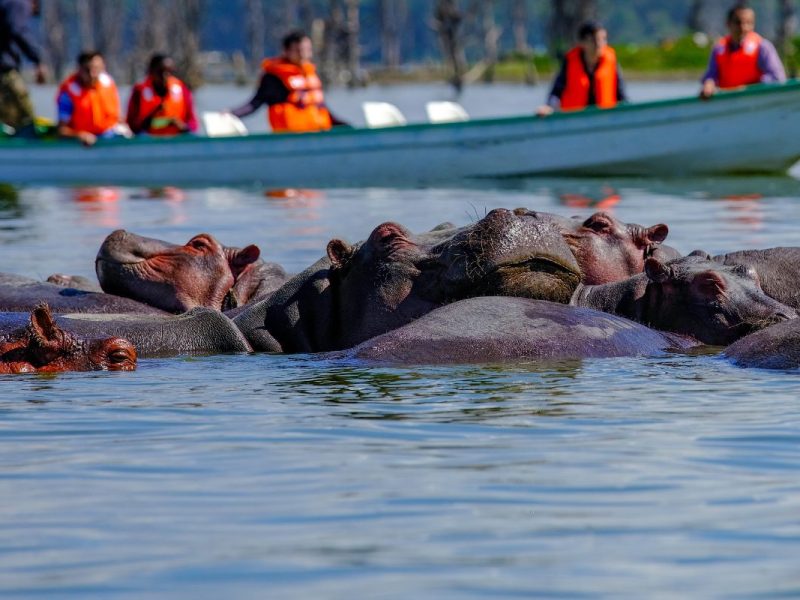
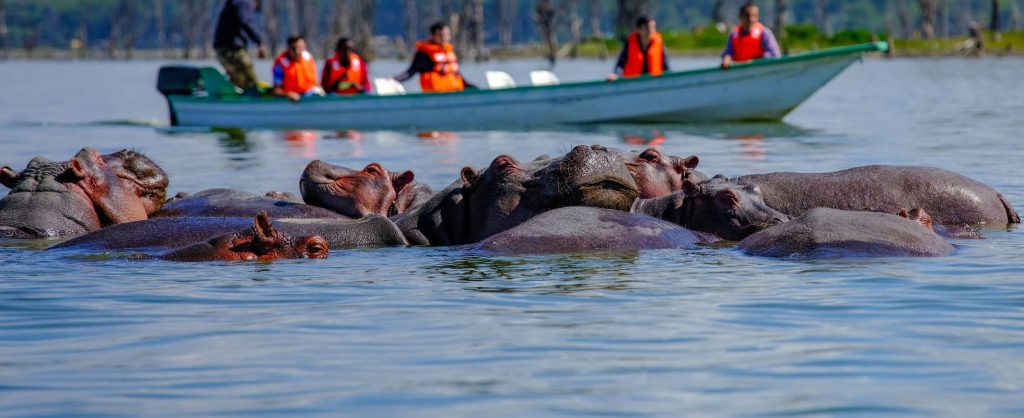
The Kazinga Channel is one of the most remarkable wildlife-viewing locations in Queen Elizabeth National Park and an essential highlight of many Uganda safari itineraries. This natural waterway connects Lake George and Lake Edward, creating an important aquatic ecosystem that supports an extraordinary concentration of wildlife. For visitors wondering what animals can you see in Queen Elizabeth National Park, a boat cruise along this channel provides some of the most rewarding opportunities to observe animals at close range from a safe and authorised viewing platform. Hippopotamuses are among the most recognisable residents, often gathering in large groups while partially submerged in the water. Their social interactions, territorial behaviour, and distinctive calls make them fascinating subjects for observation. Nile crocodiles can also be seen resting along muddy banks or lying motionless near the water’s edge. Meanwhile, African elephants regularly approach the channel to drink, bathe, and cool themselves, sometimes appearing in family groups. Buffaloes, waterbucks, and other mammals also visit the shoreline, especially during warmer periods. Beyond the large mammals, the channel supports an impressive range of waterbirds, including African fish eagles, pied kingfishers, malachite kingfishers, yellow-billed storks, cormorants, pelicans, and herons. Boat cruises are particularly attractive to photographers because they provide opportunities to observe animal behaviour without travelling through dense vegetation or disturbing the surrounding environment. Travellers can enjoy the scenery, listen to knowledgeable commentary, and appreciate how the aquatic ecosystem supports different species. At Kaara Safaris Adventures, we consider the Kazinga Channel boat cruise one of the most rewarding additions to a Queen Elizabeth National Park safari, especially for visitors interested in combining mammal viewing with birdwatching and photography.
Which Primates Can You Discover in Queen Elizabeth National Park?
Beyond its impressive savannah wildlife, Queen Elizabeth National Park provides excellent opportunities to explore Uganda’s fascinating primate populations. The park contains several forest ecosystems, including Kyambura Gorge and Maramagambo Forest, which support different monkey species and other forest wildlife. One of the most exciting primate experiences is chimpanzee tracking in Kyambura Gorge, popularly known as the Valley of Apes. This dramatic forested gorge cuts through the surrounding savannah and provides an important habitat for chimpanzees and other primates. During an authorised guided trekking experience, visitors follow experienced trackers through the forest in search of habituated chimpanzee communities. Once located, these intelligent great apes can sometimes be observed feeding, communicating, grooming, climbing trees, and interacting with other members of their group. Sightings depend on their movements and natural behaviour, making patience an important part of the experience. Other primates that may be encountered within the park’s forest habitats include black-and-white colobus monkeys, vervet monkeys, olive baboons, red-tailed monkeys, and blue monkeys. Each species has different feeding habits, social structures, and habitat preferences, making forest exploration particularly interesting for nature enthusiasts. Maramagambo Forest offers additional opportunities to discover forest biodiversity, including primates, birds, butterflies, and other fascinating wildlife. Combining chimpanzee tracking with traditional game drives and boat cruises creates a more complete understanding of Uganda’s ecological diversity. Visitors should remember that chimpanzee trekking is a separate activity requiring appropriate arrangements and applicable permits. Kaara Safaris Adventures can help incorporate this experience into a wider Uganda wildlife safari, allowing travellers to discover both the open savannah and the fascinating tropical forest environments.
Which Other Mammals and Reptiles Can You Find in the Park?
The wildlife diversity of Queen Elizabeth National Park extends far beyond elephants, lions, buffaloes, and antelopes. Several less frequently discussed animals contribute to the ecological richness of the destination and make wildlife exploration even more rewarding. Giant forest hogs, for example, are among the interesting mammals that inhabit the park’s forest and woodland environments. These large wild pigs are particularly fascinating because of their size and relatively elusive behaviour. Warthogs are more frequently encountered during game drives, often seen grazing in open areas or moving with their tails raised. Spotted hyenas also inhabit the park and play an important ecological role as predators and scavengers. Their presence helps maintain the natural balance of wildlife populations and contributes to the overall functioning of the ecosystem. Visitors may additionally encounter mongoose species, genets, civets, and other smaller mammals, although many are nocturnal or naturally difficult to observe. Reptiles are another important component of the park’s biodiversity. Nile crocodiles are particularly prominent around the Kazinga Channel and other aquatic environments, while monitor lizards may sometimes be spotted near water or within suitable terrestrial habitats. Various snakes and other reptiles also inhabit the park, although sightings are less predictable. These animals play important roles in regulating prey populations and maintaining healthy ecosystems. For visitors who appreciate nature beyond the most famous safari species, exploring the smaller and less conspicuous inhabitants can provide a deeper understanding of the park. Knowledgeable guides help identify animal tracks, explain feeding patterns, and interpret ecological relationships, transforming ordinary sightseeing into an educational wildlife experience.
What Are the Expectations During a Queen Elizabeth National Park Wildlife Safari?
Visitors exploring Queen Elizabeth National Park should expect a diverse safari experience involving game drives, boat cruises, scenic landscapes, birdwatching, and opportunities to discover different wildlife habitats. Depending on the selected itinerary, a typical safari may include early-morning exploration of the Kasenyi Plains, afternoon wildlife viewing along the Kazinga Channel, and a visit to the Ishasha sector in search of tree-climbing lions. Travellers interested in primates can also arrange chimpanzee tracking in Kyambura Gorge, subject to permit availability and operational arrangements. During game drives, guests may encounter elephants, buffaloes, Uganda kobs, waterbucks, warthogs, and various bird species, while predator sightings depend on natural wildlife movements. Therefore, visitors should approach every excursion with realistic expectations and understand that no responsible safari operator can guarantee sightings of specific wild animals. Morning and late-afternoon activities are often particularly rewarding because many animals become more active during cooler conditions. Throughout the journey, guests can expect to experience changing scenery, from open savannah and woodland to wetlands, forests, and crater-lake landscapes. Comfortable safari vehicles, knowledgeable guides, and well-planned activity schedules contribute significantly to the overall experience. Weather conditions, road surfaces, and seasonal changes may also influence certain activities. At Kaara Safaris Adventures, we encourage visitors to approach the safari with curiosity, patience, and an appreciation of nature. Our aim is to help travellers enjoy meaningful wildlife encounters while understanding the importance of responsible tourism and conservation.

Tanzania Wildlife Safari
When Is the Best Time to See Animals in Queen Elizabeth National Park?
Choosing the most suitable travel period can improve your opportunities to enjoy Queen Elizabeth National Park wildlife attractions. Generally, the drier periods from June to September and December to February are popular among visitors interested in traditional game viewing. During these months, reduced rainfall can make some park roads easier to navigate, while shorter vegetation in certain areas may improve visibility. Animals may also concentrate around permanent water sources, including the Kazinga Channel, creating excellent opportunities for observation and photography. Morning and afternoon game drives are particularly worthwhile because many mammals are more active during cooler hours. Nevertheless, Queen Elizabeth National Park remains an attractive destination throughout the year, and the wetter seasons offer their own advantages. From March to May and October to November, rainfall supports greener vegetation, beautiful landscapes, and interesting bird activity. Birdwatchers may find these periods rewarding because migratory species can add to the park’s already impressive bird diversity. However, some tracks may become muddy, and travel times can vary depending on weather conditions. Visitors interested in chimpanzee tracking should also consider that forest trails can be more challenging during rainy periods. Ultimately, the best time depends on your travel interests, preferred activities, photography goals, and available holiday dates. Kaara Safaris Adventures can help you select an appropriate travel season and organise a safari itinerary that considers weather patterns, wildlife-viewing opportunities, and the activities you wish to experience.
Why Choose Kaara Safaris Adventures for a Queen Elizabeth National Park Safari?
Choosing the right safari operator can make a significant difference to the quality, comfort, and overall value of your Uganda wildlife holiday. At Kaara Safaris Adventures, we are committed to introducing international travellers to the extraordinary natural heritage of Uganda through thoughtfully organised safari experiences. We recognise that every traveller has different expectations, whether they are visiting Africa for the first time, searching for the famous tree-climbing lions, interested in chimpanzee tracking, planning a photography expedition, or seeking an extended East African adventure. Our approach focuses on understanding these interests and developing suitable itineraries that allow visitors to explore the park’s major attractions without unnecessary rushing. From the Kasenyi Plains and Ishasha sector to the Kazinga Channel and Kyambura Gorge, each location offers distinctive wildlife experiences that deserve proper attention. We also understand the importance of knowledgeable guiding, reliable transport arrangements, suitable accommodation, clear communication, and responsible wildlife viewing. Beyond organising safari activities, we encourage guests to appreciate the conservation significance of Uganda’s national parks and the communities that live around these protected landscapes. Our goal is to create meaningful travel experiences that combine adventure, education, comfort, and appreciation of nature. Whether you are planning a private safari, family holiday, couple’s getaway, or group wildlife expedition, Kaara Safaris Adventures aims to make your Queen Elizabeth National Park journey memorable, informative, and professionally coordinated.
What Should You Pack for a Queen Elizabeth National Park Wildlife Safari?
Preparing the right travel essentials will help you enjoy Queen Elizabeth National Park comfortably during game drives, boat cruises, and nature excursions. Lightweight, breathable clothing in neutral colours such as khaki, beige, brown, and olive is recommended because these shades are practical for outdoor wildlife activities. Long-sleeved shirts and comfortable trousers can help protect your skin from sunlight, dust, and insects. Sturdy walking shoes are particularly useful if your itinerary includes chimpanzee tracking in Kyambura Gorge or guided nature walks, while comfortable sandals may be suitable for relaxing at your lodge. A wide-brimmed hat, sunglasses, and high-quality sunscreen are essential for protecting yourself against the tropical sun. Travellers should also carry insect repellent, personal toiletries, any necessary medication, and a reusable water bottle to maintain hydration. Wildlife photography enthusiasts will benefit from bringing a camera with a suitable zoom lens, extra batteries, memory cards, and binoculars for observing distant animals and birds. Additionally, a lightweight waterproof jacket or poncho is useful during rainy periods, especially when travelling through forested areas or participating in outdoor activities. If you are planning a boat cruise along the Kazinga Channel, a waterproof bag can help protect electronic equipment from accidental splashes. Important travel documents, identification, and relevant health documentation should also be kept safely accessible. Finally, a small daypack makes it easier to carry essential items during excursions without bringing unnecessary luggage. Kaara Safaris Adventures recommends packing according to your planned activities and travel season so that you can enjoy every aspect of your Uganda safari with greater comfort and confidence.

Game Drives-in-Queen-Elizabeth
Conclusion: Discover Uganda’s Extraordinary Wildlife with Kaara Safaris Adventures
Queen Elizabeth National Park remains one of the most rewarding destinations for travellers seeking authentic African wildlife experiences. Its remarkable diversity of mammals, birds, reptiles, and primates creates opportunities to discover different aspects of Uganda’s natural heritage within a single conservation landscape. From the magnificent African elephants and powerful lions of the savannah to the famous tree-climbing lions of Ishasha, every safari activity offers something distinctive. Meanwhile, boat cruises along the Kazinga Channel introduce visitors to enormous hippo populations, Nile crocodiles, elephants, buffaloes, and spectacular waterbirds. Chimpanzee tracking in Kyambura Gorge adds another exciting dimension, allowing travellers to explore the tropical forest environment and observe some of Africa’s most intelligent primates. Beyond the animals themselves, the park’s crater lakes, wetlands, woodland areas, and beautiful landscapes make it a destination worth exploring at a comfortable pace. Whether you are planning your first Uganda safari or returning to discover more of East Africa, Queen Elizabeth National Park offers remarkable opportunities for adventure, photography, relaxation, and nature appreciation. At Kaara Safaris Adventures, we invite you to discover these incredible attractions through professionally planned journeys that prioritise meaningful experiences, knowledgeable guiding, and responsible tourism. Contact Kaara Safaris Adventures today to plan your Queen Elizabeth National Park wildlife safari and experience the remarkable beauty of Uganda.