What Animals Can You See in Queen Elizabeth National Park?
November 12, 2026
Which National Parks Are Best for Wildlife Viewing in Rwanda?
November 12, 2026
Why Is Tanzania Considered a Leading African Wildlife Safari Destination?
Tanzania is widely recognised as one of Africa’s most rewarding wildlife safari destinations, attracting nature enthusiasts, adventure seekers, photographers, families, and international travellers searching for authentic encounters with the African wilderness. Located in East Africa, this beautiful country is blessed with extraordinary natural diversity, ranging from extensive savannah grasslands and ancient volcanic landscapes to tropical forests, freshwater lakes, and magnificent mountain ranges. Its outstanding collection of protected areas, including Serengeti National Park, Ngorongoro Conservation Area, Tarangire National Park, Lake Manyara National Park, and Nyerere National Park, provides exceptional opportunities to discover Africa’s iconic wildlife within natural habitats. For travellers wondering why Tanzania is considered a leading African wildlife safari destination, the answer lies in its remarkable animal populations, spectacular landscapes, successful conservation initiatives, and diverse safari experiences.
Discover Why Tanzania Is One of Africa’s Finest Wildlife Safari Destinations
The country is particularly famous for the Great Wildebeest Migration, an extraordinary natural movement involving millions of wildebeests, accompanied by zebras and gazelles, across the Serengeti-Mara ecosystem. Additionally, Tanzania supports impressive populations of African elephants, lions, leopards, cheetahs, buffaloes, giraffes, rhinoceroses, hippos, and numerous other fascinating species. Beyond traditional game drives, visitors can enjoy guided walking safaris, hot-air balloon experiences, cultural encounters, birdwatching excursions, and photography adventures. Its diverse accommodation options, ranging from comfortable safari lodges to exclusive luxury tented camps, make the country suitable for different travel preferences and budgets. At Kaara Safaris Adventures, we recognise Tanzania as an exceptional destination for travellers seeking meaningful African experiences. Our approach focuses on helping international guests understand the country’s wildlife attractions, choose rewarding destinations, and appreciate the conservation value of its remarkable natural heritage.
What Makes Tanzania’s Wildlife Diversity So Exceptional?
One of the strongest reasons why Tanzania is considered a leading African wildlife safari destination is its extraordinary biodiversity and the variety of ecosystems supporting different animal populations. Across its national parks and conservation areas, visitors encounter an impressive collection of mammals, reptiles, birds, and other wildlife species. The Serengeti ecosystem is particularly famous for its large populations of wildebeests, zebras, gazelles, lions, cheetahs, leopards, and spotted hyenas. Meanwhile, Tarangire National Park is renowned for its impressive elephant populations, ancient baobab trees, and seasonal concentrations of wildlife around the Tarangire River. In the Ngorongoro Conservation Area, the spectacular volcanic crater supports a rich concentration of animals, including lions, buffaloes, zebras, wildebeests, elephants, and endangered black rhinoceroses. Lake Manyara National Park offers opportunities to discover tree-climbing lions, elephants, baboons, flamingos, and numerous other bird species, although sightings of particular animals depend on natural conditions. Further south, Nyerere National Park provides a different wilderness experience characterised by extensive river systems, woodland, wetlands, and important populations of elephants, lions, giraffes, African wild dogs, and hippos. These different environments create opportunities for travellers to encounter wildlife throughout the year while exploring contrasting landscapes. Tanzania’s impressive birdlife also attracts specialist birdwatchers, with hundreds of species inhabiting forests, lakes, wetlands, and savannah environments. Such ecological diversity makes every safari distinct, allowing visitors to discover different animals and habitats during one holiday. For international travellers interested in Tanzania wildlife safaris, this variety is a major attraction and an important reason the country continues to maintain its reputation as one of Africa’s outstanding nature-based tourism destinations.
Why Is the Great Wildebeest Migration a Major Attraction in Tanzania?
The Great Wildebeest Migration is among the most extraordinary wildlife spectacles in the world and a major reason why Tanzania is considered a leading African wildlife safari destination. This remarkable natural event takes place across the Serengeti-Mara ecosystem, involving the movement of approximately 1.5 million wildebeests, together with hundreds of thousands of zebras and gazelles, in search of fresh grazing and water. Rather than following a fixed calendar, the migration responds to rainfall patterns, changing vegetation, and the availability of suitable grazing grounds. During different months, enormous herds move between the southern Serengeti, central plains, western corridor, and northern sections of the ecosystem before some cross into Kenya’s Maasai Mara. One of the most fascinating aspects of this natural movement is the opportunity to observe dramatic river crossings, particularly along the Grumeti and Mara rivers. These crossings can involve challenging currents and encounters with Nile crocodiles, creating powerful examples of the realities of life in the African wilderness. However, river crossings are unpredictable, and visitors should understand that no particular crossing can be guaranteed on a specific date. Another important stage occurs in the southern Serengeti and Ndutu region, where the calving season generally takes place around January to March, depending on rainfall conditions. During this period, large numbers of wildebeest calves are born, attracting predators such as lions, cheetahs, hyenas, and leopards. For wildlife photographers, researchers, and nature enthusiasts, the migration provides exceptional opportunities to observe animal behaviour, predator-prey relationships, and ecosystem dynamics. At Kaara Safaris Adventures, we encourage travellers to plan their Serengeti safari according to their preferred migration experience rather than relying entirely on fixed seasonal expectations.
Which Famous National Parks Make Tanzania an Exceptional Safari Destination?
Another important explanation why Tanzania is considered a leading African wildlife safari destination is the remarkable collection of national parks and protected landscapes available to visitors. Each destination offers distinctive wildlife encounters, scenery, and safari activities, making it possible to design itineraries according to individual interests. Serengeti National Park remains the country’s most famous wildlife destination, particularly because of its extensive grasslands, large predator populations, and the Great Wildebeest Migration. Ngorongoro Conservation Area is equally remarkable because of its enormous volcanic caldera, which supports an impressive concentration of wildlife within a relatively compact area. Visitors descending into the crater may encounter lions, elephants, buffaloes, zebras, wildebeests, hippos, and occasionally the endangered black rhinoceros. Tarangire National Park offers a different atmosphere, with magnificent baobab trees, seasonal wetlands, and large elephant herds gathering near the river during drier periods. Lake Manyara National Park is known for its diverse habitats, groundwater forests, alkaline lake, birdlife, and occasional sightings of lions resting in trees. Meanwhile, Nyerere National Park, formerly part of the larger Selous Game Reserve, provides extensive wilderness areas and opportunities for boat safaris, walking experiences, and traditional game drives. Ruaha National Park is another outstanding destination, particularly for travellers seeking remote wilderness experiences and impressive predator populations. The diversity of these protected areas means visitors are not limited to one type of safari. Instead, they can combine several destinations to experience different wildlife habitats and landscapes. Whether you prefer the famous Serengeti plains, the dramatic Ngorongoro Crater, or the quieter southern wilderness, Tanzania offers exceptional opportunities for memorable African safari holidays.
What Makes Tanzania’s Big Five Safari Experiences So Special?
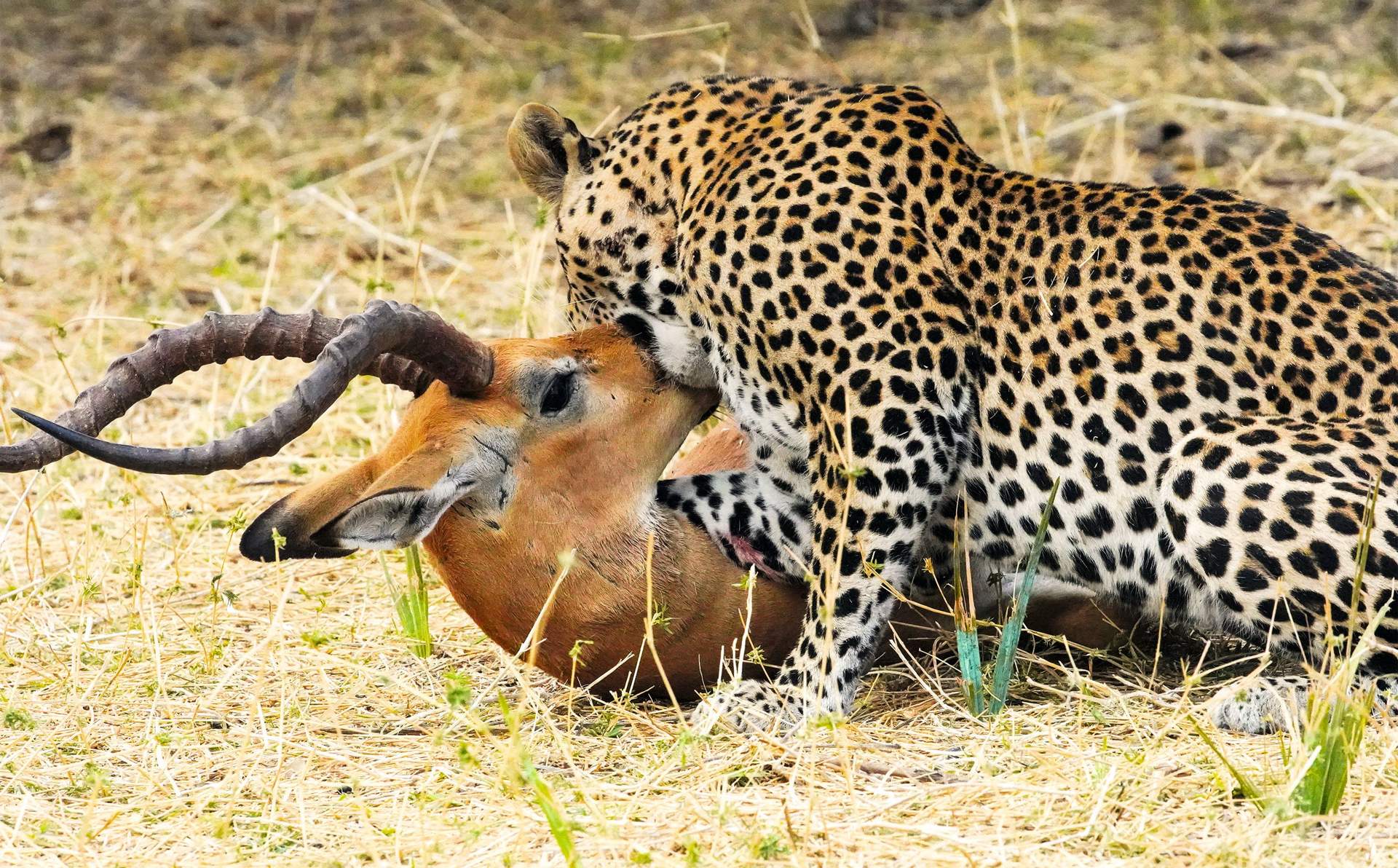
The opportunity to encounter Africa’s legendary Big Five is another major factor why Tanzania is considered a leading African wildlife safari destination. The Big Five comprise the African lion, African elephant, African leopard, African buffalo, and rhinoceros. Originally associated with the challenges faced by traditional big-game hunters, the term is now widely used in wildlife tourism to describe five of Africa’s most iconic mammals. Tanzania provides excellent opportunities to search for these animals across several protected areas. Serengeti National Park is particularly famous for its lion populations and offers opportunities to observe leopards resting in trees, cheetahs hunting across open grasslands, and elephants moving through different habitats. Ngorongoro Crater is another important destination for travellers hoping to encounter the Big Five, with its relatively concentrated wildlife populations and recognised opportunities to see endangered black rhinoceroses. Tarangire National Park is particularly rewarding for elephant encounters, while buffaloes can be found in several national parks and conservation areas. However, leopards and rhinoceroses are naturally elusive, and sightings always depend on environmental conditions and animal movements. Responsible safari operators should therefore avoid guaranteeing that visitors will encounter every member of the Big Five during a single excursion. Knowledgeable guides, suitable itineraries, sufficient time in wildlife habitats, and patience can improve the overall experience. Beyond the excitement of seeing famous mammals, a Big Five safari provides opportunities to learn about predator behaviour, wildlife conservation, habitat protection, and the ecological relationships that sustain African ecosystems. At Kaara Safaris Adventures, we believe that meaningful wildlife encounters should combine excitement with education and respect for nature.
Why Does Tanzania Offer More Than Traditional Wildlife Game Drives?
Although game drives remain central to Tanzania wildlife safaris, the country offers several additional experiences that make its tourism industry particularly attractive to international visitors. One outstanding activity is the hot-air balloon safari, especially in Serengeti National Park, where visitors can enjoy spectacular aerial views of wildlife, grasslands, rivers, and seasonal migration routes. These early-morning flights provide a different perspective of the wilderness and are particularly appealing to photographers and travellers seeking distinctive experiences. In southern Tanzania, selected destinations such as Nyerere National Park offer boat safaris along river systems, creating opportunities to observe hippos, crocodiles, elephants, and waterbirds from the water. Guided walking safaris are also available in authorised areas, allowing visitors to appreciate smaller wildlife, animal tracks, indigenous plants, and ecological details that may be overlooked during vehicle-based excursions. Cultural tourism adds another important dimension to the safari experience. Travellers can arrange respectful visits with Maasai communities to learn about traditional livelihoods, pastoral practices, cultural heritage, and relationships with the surrounding environment. Birdwatching is another rewarding activity because Tanzania’s forests, lakes, wetlands, and grasslands support a remarkable variety of resident and migratory species. Additionally, visitors can combine wildlife exploration with mountain climbing on Mount Kilimanjaro or relaxation along the beautiful beaches of Zanzibar. This combination of wildlife, adventure, culture, and coastal tourism makes Tanzania particularly suitable for travellers seeking more than an ordinary holiday. For guests planning extended East African adventures, the country’s diverse activities provide opportunities to create well-balanced itineraries that combine relaxation, education, and unforgettable outdoor experiences.

Serengeti Safari in August
How Does Tanzania’s Conservation Work Strengthen Its Wildlife Tourism Industry?
Wildlife conservation is an essential part of why Tanzania is considered a leading African wildlife safari destination, because the country’s tourism experiences depend heavily on protecting its natural ecosystems and animal populations. Tanzania has established an extensive network of national parks, game reserves, conservation areas, and other protected landscapes to support biodiversity and maintain important wildlife habitats. Organisations such as Tanzania National Parks (TANAPA) and the Ngorongoro Conservation Area Authority play important roles in managing protected areas, regulating tourism activities, and supporting conservation objectives. Wildlife protection also involves addressing challenges such as poaching, habitat loss, human-wildlife conflict, and pressure on natural resources. Conservation initiatives increasingly recognise the importance of involving neighbouring communities in protecting wildlife and developing sustainable tourism opportunities. Community participation can support conservation education, local employment, cultural tourism, and alternative livelihoods that reduce pressure on sensitive ecosystems. Responsible tourism contributes to these efforts through regulated park entry, conservation-related fees, professional guiding, and visitor compliance with wildlife-viewing rules. Travellers also have an important responsibility to maintain safe distances from animals, avoid littering, respect designated routes, and follow instructions from safari guides. Furthermore, selecting tourism providers that demonstrate responsible environmental practices helps encourage a more sustainable tourism industry. Tanzania’s continued commitment to protecting its remarkable landscapes is important not only for wildlife but also for future generations of visitors, researchers, and local communities. At Kaara Safaris Adventures, we believe that successful African tourism should create memorable experiences while encouraging respect for biodiversity, conservation priorities, and the people whose livelihoods are connected to these natural resources.
What Are the Expectations During a Tanzania Wildlife Safari?
Travellers planning Tanzania wildlife safaris should expect a combination of exciting animal encounters, beautiful landscapes, outdoor activities, and opportunities to learn about Africa’s natural environment. Depending on the itinerary, visitors may enjoy morning and afternoon game drives, full-day wildlife excursions, guided walking experiences, boat safaris, and specialised photography activities. A typical northern Tanzania safari may include visits to Serengeti National Park, Ngorongoro Crater, Tarangire National Park, and Lake Manyara. Throughout the journey, guests can encounter elephants, lions, zebras, wildebeests, giraffes, buffaloes, antelopes, hippos, and many bird species. Predator sightings may be particularly exciting, although they are never guaranteed because wild animals move freely according to their natural behaviour. Visitors should also anticipate early departures, changing weather conditions, occasional dusty roads, and several hours of travel between destinations. Accommodation experiences range from comfortable safari lodges to luxury tented camps and more budget-friendly facilities, depending on individual preferences. Professional guides provide valuable information about wildlife identification, animal behaviour, local geography, and conservation practices. Photography enthusiasts should prepare for excellent opportunities to capture wildlife portraits, dramatic landscapes, and memorable safari moments. Importantly, every safari is different because animal movements, rainfall, and environmental conditions change throughout the year. Kaara Safaris Adventures encourages travellers to remain flexible, appreciate the natural unpredictability of wildlife, and allow sufficient time to explore their preferred destinations without rushing between attractions.
When Is the Best Time to Visit Tanzania for a Wildlife Safari?
Choosing the right season is an important consideration when planning why Tanzania is considered a leading African wildlife safari destination as part of your travel research. Generally, the dry season from June to October is particularly popular for traditional wildlife viewing because vegetation becomes less dense in many areas and animals often gather around available water sources. These conditions can make wildlife easier to locate during game drives, especially in destinations such as Tarangire and Serengeti. January to March is another rewarding period, particularly for travellers interested in the wildebeest calving season in the southern Serengeti and Ndutu region. During these months, large numbers of young wildebeests are born, creating opportunities to observe predators and natural wildlife interactions. November and December may bring short rains, while March to May generally represents the longer rainy season in many parts of the country. Although some roads may become challenging during heavier rainfall, the green season offers beautiful scenery, fewer visitors in certain destinations, and excellent birdwatching opportunities. Importantly, the Great Wildebeest Migration follows rainfall and grazing conditions rather than a fixed timetable, so travellers should plan according to current seasonal information. Tanzania’s southern and western parks may also offer different wildlife-viewing patterns compared with the northern safari circuit. Ultimately, the best travel period depends on your preferred destinations, wildlife interests, accommodation expectations, and available holiday dates. Kaara Safaris Adventures recommends selecting travel dates according to the experiences you wish to prioritise rather than assuming that one season guarantees every animal sighting.
Why Choose Kaara Safaris Adventures for Your Tanzania Wildlife Safari?
Choosing an experienced safari operator is an important step towards enjoying a comfortable, informative, and memorable African holiday. At Kaara Safaris Adventures, we are passionate about introducing international travellers to East Africa’s extraordinary wildlife, landscapes, and cultural heritage. Our approach to Tanzania safari planning focuses on understanding the interests of individual guests and helping them identify suitable destinations, activities, and travel arrangements. Whether you are interested in following the Great Wildebeest Migration, searching for the Big Five, exploring the Ngorongoro Crater, photographing elephants in Tarangire, or experiencing the remote wilderness of southern Tanzania, careful itinerary planning can make a meaningful difference. We recognise that travellers have different budgets, accommodation preferences, physical abilities, and expectations. Consequently, our aim is to provide clear information and help visitors make informed decisions before beginning their journey. Beyond wildlife viewing, we value knowledgeable guiding, responsible tourism, reliable communication, and respect for local communities. We also encourage guests to appreciate the conservation significance of Tanzania’s protected areas and understand the importance of preserving wildlife habitats. Our commitment is to make the safari-planning process straightforward while helping visitors discover experiences that match their interests. Whether you are organising a private holiday, romantic getaway, family safari, or extended East African adventure, Kaara Safaris Adventures aims to help you experience Tanzania’s natural beauty through thoughtfully coordinated tourism arrangements.
What Should You Pack for a Tanzania Wildlife Safari?
Packing appropriately can significantly improve your comfort during Tanzania wildlife safaris, particularly because different destinations may experience changing temperatures, weather conditions, and outdoor activities. Lightweight, breathable clothing in neutral colours such as khaki, beige, olive, and brown is generally recommended for game drives. Long-sleeved shirts and comfortable trousers provide additional protection against sunlight, dust, and insects. A warm fleece, sweater, or lightweight jacket is useful for early-morning game drives and cooler evenings, especially in the Ngorongoro highlands and other elevated areas. Comfortable walking shoes are important for authorised nature walks, while sandals may be suitable for relaxing at your accommodation. Travellers should also carry sunscreen, sunglasses, a wide-brimmed hat, insect repellent, and personal toiletries. Wildlife photographers will appreciate binoculars, a camera with a suitable zoom lens, extra batteries, and sufficient memory cards. A reusable water bottle and small daypack are useful during daily excursions, while a lightweight waterproof jacket can provide protection during unexpected rainfall. If your itinerary includes a hot-air balloon safari, consider packing warm clothing for the early departure. Personal medication, travel documents, identification, and any necessary health documentation should be organised before departure. Finally, consider the luggage restrictions that may apply to small aircraft used for transfers between remote safari camps, as some flights have specific weight and luggage-size limits. Kaara Safaris Adventures recommends checking the requirements of your accommodation, activities, and transport providers before travelling to ensure that you are properly prepared.
Why Is Tanzania Considered a Leading African Wildlife
Conclusion: Experience the Best of African Wildlife Tourism in Tanzania with Kaara Safaris Adventures
Tanzania deserves its reputation as one of Africa’s finest wildlife safari destinations because of its remarkable biodiversity, outstanding protected areas, spectacular landscapes, and extraordinary opportunities for nature-based tourism. From the breathtaking Great Wildebeest Migration in Serengeti National Park to the impressive wildlife concentrations of Ngorongoro Crater, every destination offers distinctive encounters with Africa’s natural heritage. Meanwhile, Tarangire’s elephant herds, Lake Manyara‘s varied ecosystems, and the remote wilderness of Nyerere and Ruaha provide further reasons to explore beyond the country’s most famous safari circuit. Visitors can also enjoy hot-air balloon experiences, walking safaris, boat excursions, birdwatching, and cultural encounters that create a richer understanding of East African tourism. Beyond the excitement of wildlife viewing, Tanzania demonstrates the importance of protecting natural habitats and supporting responsible tourism practices that benefit future generations. Whether you are planning your first African holiday or returning to explore more of East Africa, the country offers exceptional opportunities for adventure, discovery, and meaningful travel experiences. At Kaara Safaris Adventures, we invite you to discover Tanzania through carefully planned safari journeys that celebrate wildlife, natural beauty, conservation, and authentic African experiences. Contact Kaara Safaris Adventures today to begin planning your Tanzania wildlife safari and experience the extraordinary wonders of East Africa.