Can You Combine White Water Rafting with Other Adventures in Uganda?
November 16, 2026
Are Adventure Holidays Suitable for Families and Groups?
November 16, 2026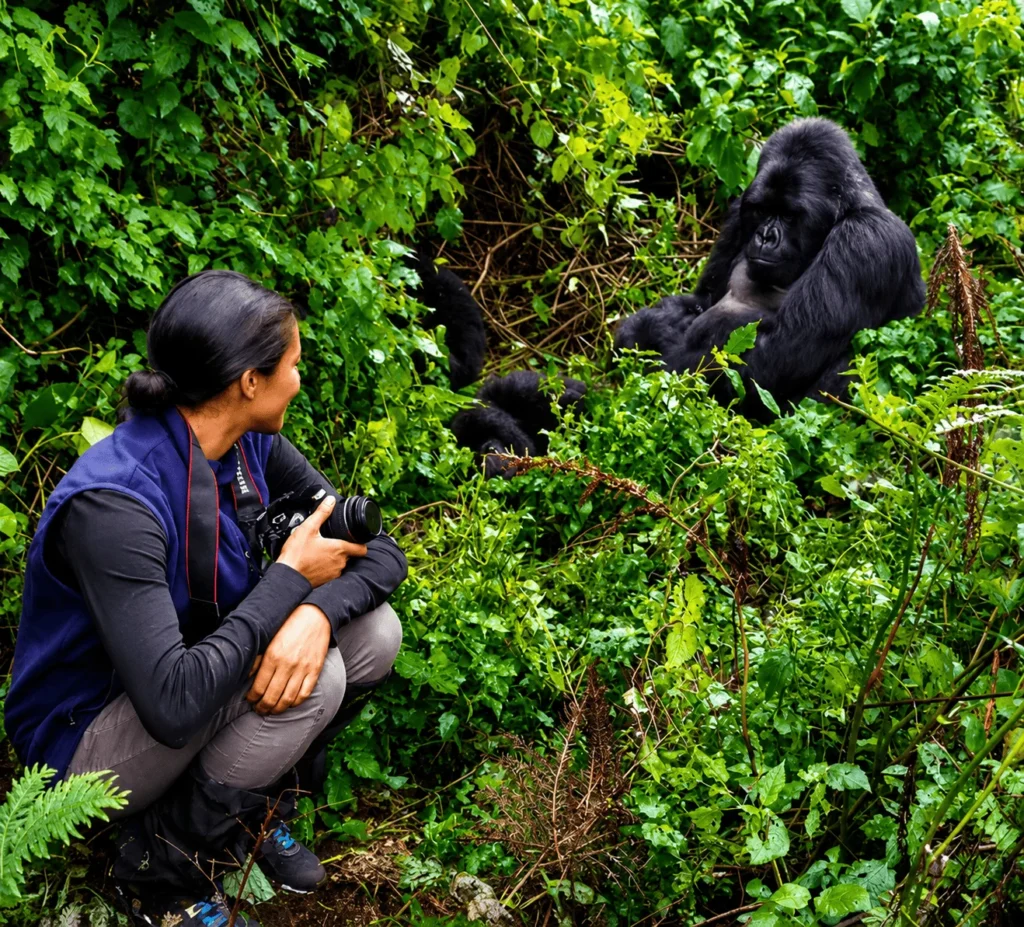
What Should You Pack for an Adventure Expedition in Uganda or Rwanda?
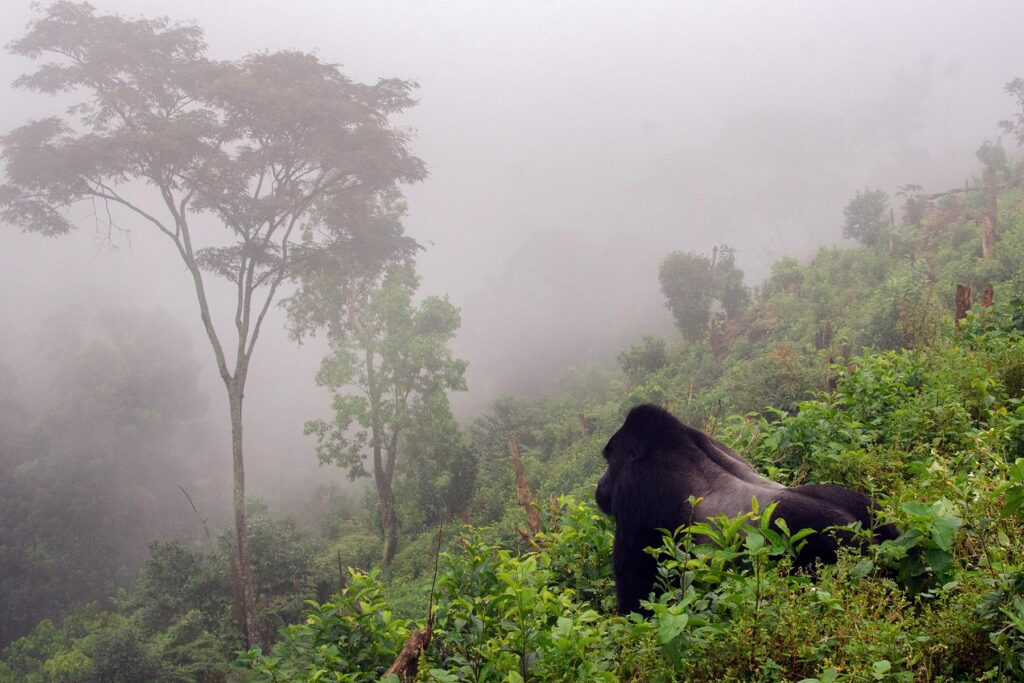
Planning an adventure expedition in Uganda or Rwanda is an exciting opportunity to discover two of East Africa’s most beautiful destinations, each offering extraordinary landscapes, fascinating wildlife, rich cultural heritage, and rewarding outdoor experiences. From tracking endangered mountain gorillas in the tropical forests of Bwindi Impenetrable National Park and Volcanoes National Park to exploring the savannah plains of Queen Elizabeth National Park and Akagera National Park, these neighbouring countries provide remarkable opportunities for international travellers seeking authentic African adventures. However, enjoying a successful journey requires more than choosing attractive destinations and booking suitable accommodation. Knowing what to pack for an adventure expedition in Uganda or Rwanda is equally important because different activities, geographical environments, weather conditions, and travel arrangements demand different preparations. A gorilla trekking expedition, for example, requires sturdy hiking boots, protective clothing, gardening gloves, and waterproof equipment, while a wildlife safari calls for comfortable outdoor garments, binoculars, sunscreen, and photography accessories.
Preparing for an Unforgettable Adventure Expedition in Uganda or Rwanda
Similarly, travellers participating in mountain hiking, chimpanzee tracking, cultural excursions, or water-based activities should consider the specific requirements of each experience. Uganda and Rwanda experience tropical climates, but temperatures and weather conditions vary considerably according to altitude, location, and season. Mountainous areas can become particularly cold, while tropical forests may experience rainfall even during relatively dry months. At Kaara Safaris Adventures, we believe that proper preparation contributes significantly to a comfortable, enjoyable, and responsible African holiday. Whether you are visiting Uganda for gorilla trekking or exploring Rwanda through exciting wildlife and cultural experiences, this comprehensive packing guide will help you understand the essential items to carry before beginning your adventure expedition in Uganda or Rwanda.
What Clothing Should You Pack for an Adventure Expedition in Uganda or Rwanda?
Choosing appropriate clothing is one of the most important considerations when preparing for an adventure expedition in Uganda or Rwanda. Both destinations offer different environments, ranging from warm savannah grasslands and tropical forests to cool mountainous regions, meaning that travellers should prepare for changing temperatures throughout their journeys. Lightweight, breathable clothing is particularly useful during daytime activities because it helps maintain comfort in warm weather while allowing freedom of movement during outdoor exploration. Neutral colours such as khaki, brown, olive green, and beige are recommended for wildlife safaris because they blend naturally with surrounding landscapes and are generally less distracting when observing animals. Long-sleeved shirts and lightweight long trousers are valuable for forest activities because they provide additional protection against scratches, insects, and vegetation. Travellers planning gorilla trekking in Bwindi Impenetrable National Park or Volcanoes National Park should carry durable outdoor clothing that can withstand muddy trails, thick vegetation, and changing weather conditions. Additionally, packing a warm fleece jacket, sweater, or lightweight insulated coat is advisable for early morning game drives and high-altitude destinations where temperatures may fall considerably. Waterproof jackets and quick-drying trousers are also useful because rainfall can occur unexpectedly in tropical environments. Rather than packing only heavy clothing, visitors should consider layering different garments so that they can adjust their outfits according to the temperature and activity. Comfortable sleepwear, extra underwear, breathable socks, and a few casual outfits for evenings at safari lodges should also be included. A carefully selected clothing collection helps travellers remain comfortable while enjoying the diverse landscapes and outdoor experiences that make Uganda Safaris and Rwanda Adventures so rewarding.
 Which Footwear Is Essential for Gorilla Trekking, Hiking, and Wildlife Adventures?
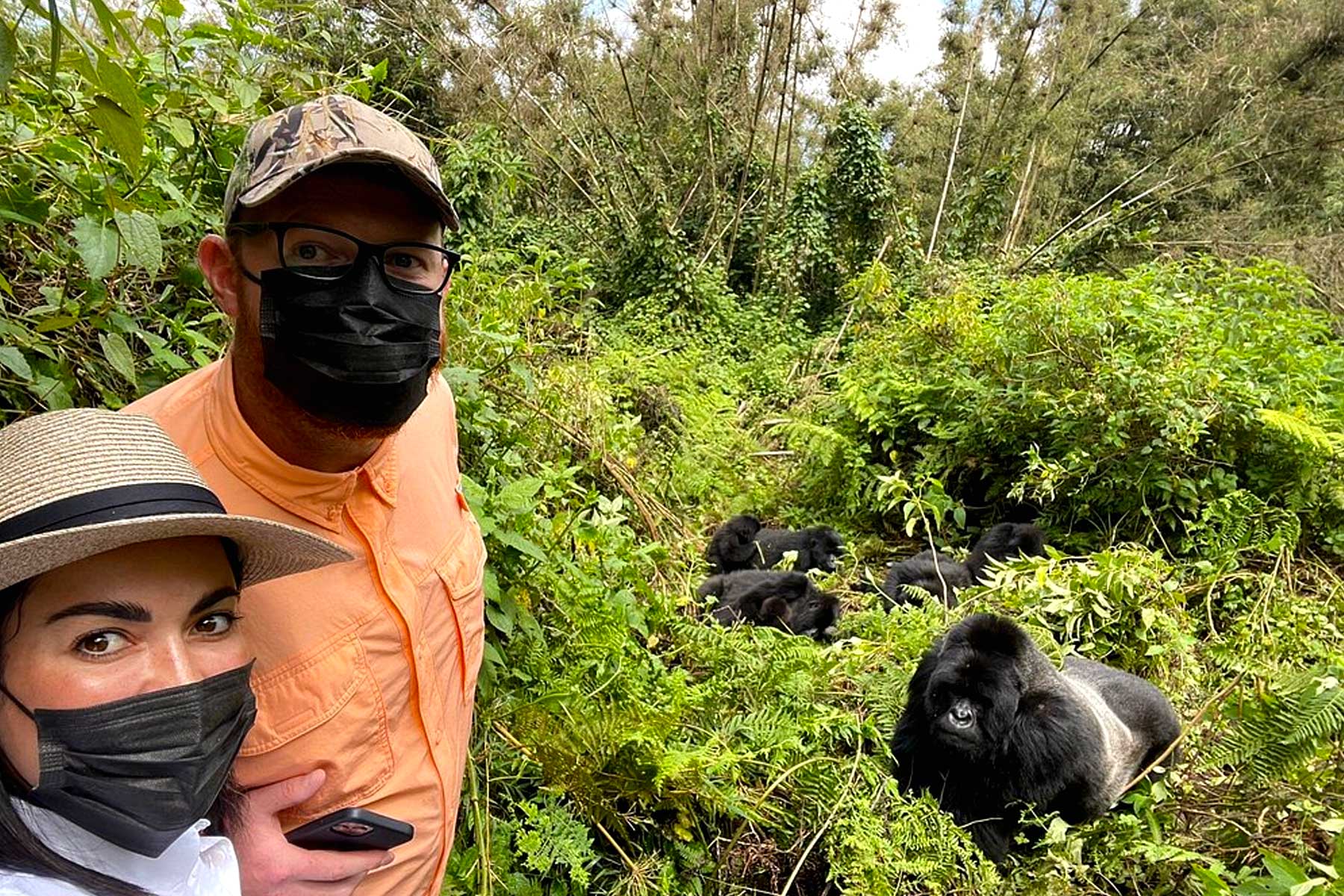
Footwear plays a significant role in determining comfort and stability during an adventure expedition in Uganda or Rwanda, particularly when exploring forest trails, mountainous terrain, and remote wildlife destinations. Gorilla trekking is among the most physically demanding activities available in the region because visitors may walk through steep slopes, thick vegetation, slippery ground, and muddy forest paths while searching for habituated gorilla families. Therefore, sturdy waterproof hiking boots with good ankle support and reliable grip are among the most important items to pack. Suitable footwear helps reduce discomfort and provides additional stability when navigating uneven terrain. Travellers should ideally wear their hiking boots before departure to ensure that they fit properly and do not cause blisters during long walking excursions. Moisture-wicking hiking socks are equally important because they help reduce friction and improve comfort during extended outdoor activities. For chimpanzee tracking in Kibale National Park or Nyungwe National Park, durable walking shoes with good traction are also recommended because forest trails can become slippery following rainfall. Visitors participating in conventional game drives across destinations such as Akagera National Park, Murchison Falls National Park, and Queen Elizabeth National Park may find comfortable walking shoes or lightweight trainers sufficient for most lodge and sightseeing activities. However, footwear requirements should always reflect the selected itinerary. Sandals or comfortable slip-on shoes can be useful when relaxing at accommodation facilities, while water-resistant footwear may be appropriate for certain river and lakeside excursions. Packing an additional pair of comfortable shoes is advisable in case the primary pair becomes wet or muddy. Ultimately, selecting appropriate footwear allows international visitors to enjoy Uganda Adventures and Rwanda Adventures with greater comfort and confidence while reducing the risk of unnecessary foot injuries.
What Rain Protection and Weather Accessories Should You Carry?
Understanding the weather is essential when planning an adventure expedition in Uganda or Rwanda because tropical conditions can change throughout the day and differ considerably between geographical locations. Although both countries experience relatively dry and wet seasons, rainfall is not completely predictable, especially in mountainous and forested environments. Gorilla trekking areas such as Bwindi, Mgahinga, and Volcanoes National Park can receive rainfall even during generally favourable travel periods. Consequently, carrying a reliable waterproof jacket is highly recommended for visitors participating in outdoor activities. Lightweight rain ponchos can also provide additional protection, particularly when hiking through forest environments or moving between accommodation facilities and activity locations. Waterproof covers for backpacks are useful for protecting clothing, cameras, travel documents, and other personal belongings during unexpected showers. Furthermore, quick-drying garments are preferable to heavy cotton clothing because they become comfortable again more quickly after exposure to rain or moisture. Travellers should also consider packing a lightweight umbrella for general sightseeing and short walks, although it may not be practical during demanding trekking activities. In higher-altitude destinations, a warm hat, gloves, and thermal layers can help protect against cold morning temperatures and changing mountain conditions. Conversely, visitors exploring lower-altitude savannah destinations should prepare for stronger sunshine by carrying suitable sun protection. The most effective approach is to pack versatile weather accessories that can be used across several destinations rather than preparing exclusively for one climate. At Kaara Safaris Adventures, we encourage travellers to check destination-specific forecasts before departure and remain flexible throughout their holidays. Being prepared for different weather conditions helps ensure that your Uganda Safaris and Rwanda Adventures remain enjoyable even when nature introduces unexpected changes.
Which Personal Health, Hygiene, and Safety Items Should You Pack?
Personal health and hygiene supplies are essential when organising an adventure expedition in Uganda or Rwanda because visitors may spend several days exploring remote destinations, national parks, forests, and rural communities. A small personal first-aid kit is recommended for carrying basic supplies such as adhesive bandages, antiseptic wipes, blister treatment, gauze, and other items suitable for minor injuries. Travellers should also bring their regular prescription medication in its original packaging, together with sufficient quantities for the entire holiday and a reasonable additional supply in case of travel delays. Anyone with specific medical requirements should consult a qualified healthcare professional before departure, particularly when planning high-altitude trekking or physically demanding activities. Insect repellent is another useful item, especially when visiting tropical forests, wetlands, and savannah environments where mosquitoes and other biting insects may be present. Sunscreen, personal toiletries, hand sanitiser, and biodegradable soap can help maintain personal hygiene during outdoor excursions. Visitors should also carry personal water bottles and follow local guidance on safe drinking water, including the use of approved purification methods where necessary. For international travellers, obtaining appropriate travel insurance that covers the activities included in their itinerary is an important preparation step. Those planning mountain gorilla trekking, chimpanzee tracking, or strenuous hiking should ensure that their insurance arrangements cover the relevant activities and any necessary medical assistance. In addition, carrying emergency contact information, copies of important travel documents, and details of accommodation arrangements can be helpful. Visitors should follow national park health requirements and avoid travelling with contagious illnesses that could endanger vulnerable wildlife, particularly mountain gorillas and chimpanzees. Proper preparation allows travellers to concentrate on enjoying their adventures while taking sensible steps to protect their personal well-being and the natural environments they visit.
 What Photography Equipment and Electronic Gadgets Should You Bring?
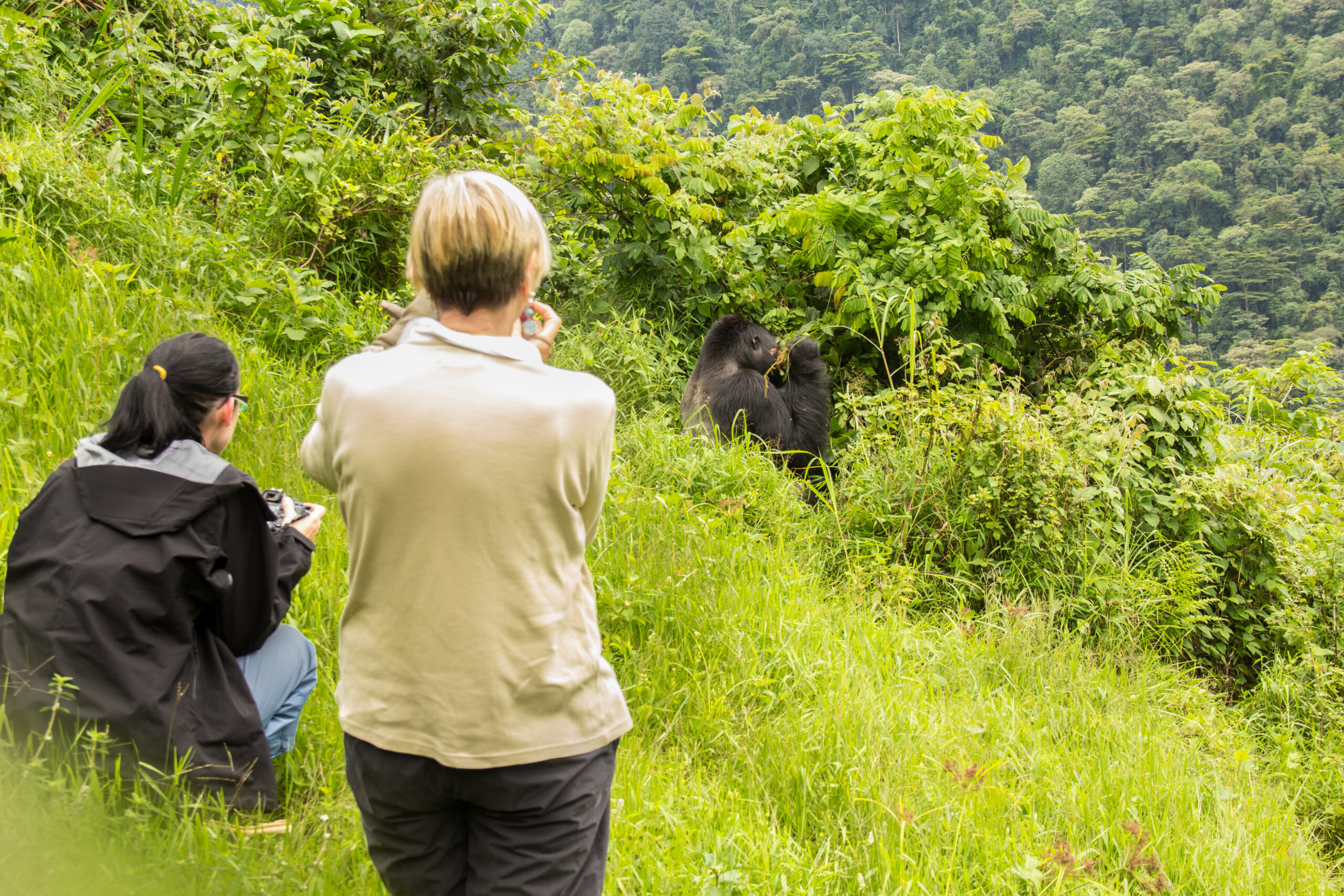
Photography and electronic equipment are valuable additions to an adventure expedition in Uganda or Rwanda, especially for visitors who want to preserve memories of remarkable wildlife encounters, mountain scenery, cultural experiences, and beautiful landscapes. A good camera or modern smartphone can capture extraordinary moments, from observing mountain gorillas in their natural habitats to photographing elephants crossing the savannah or enjoying spectacular views of Rwanda’s rolling hills. Wildlife enthusiasts may benefit from carrying a camera with a suitable telephoto lens because some animals are best photographed from a respectful distance. Binoculars are also useful for identifying distant birds and observing wildlife during game drives. Since outdoor activities frequently take place in humid, dusty, or rainy environments, waterproof camera bags and protective equipment can help prevent damage to valuable electronics. Travellers should also carry spare memory cards, extra camera batteries, charging cables, and suitable power adapters. A portable power bank is particularly helpful during long journeys and remote excursions where access to charging facilities may be limited. However, visitors should remember that battery performance can be affected by cold conditions, particularly in mountainous destinations. A headlamp or compact flashlight is another practical item for early morning departures and evening activities around safari lodges. For international travellers, checking electrical plug compatibility before departure is advisable because Uganda and Rwanda generally use Type G electrical sockets. Mobile connectivity varies between locations, and visitors may wish to arrange an appropriate local SIM card or international roaming service. Most importantly, photography should always be conducted responsibly. During gorilla and chimpanzee encounters, visitors must follow ranger instructions, maintain the required viewing distance, and avoid flash photography. Respecting wildlife regulations ensures that memorable photographs do not come at the expense of animal welfare.
What Specialised Equipment Should You Pack for Gorilla Trekking, Chimpanzee Tracking, and Mountain Hiking?
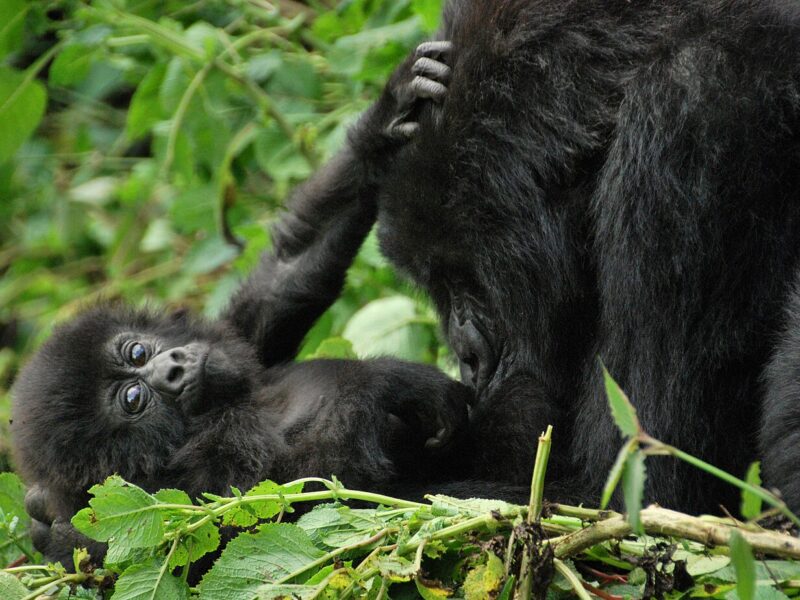
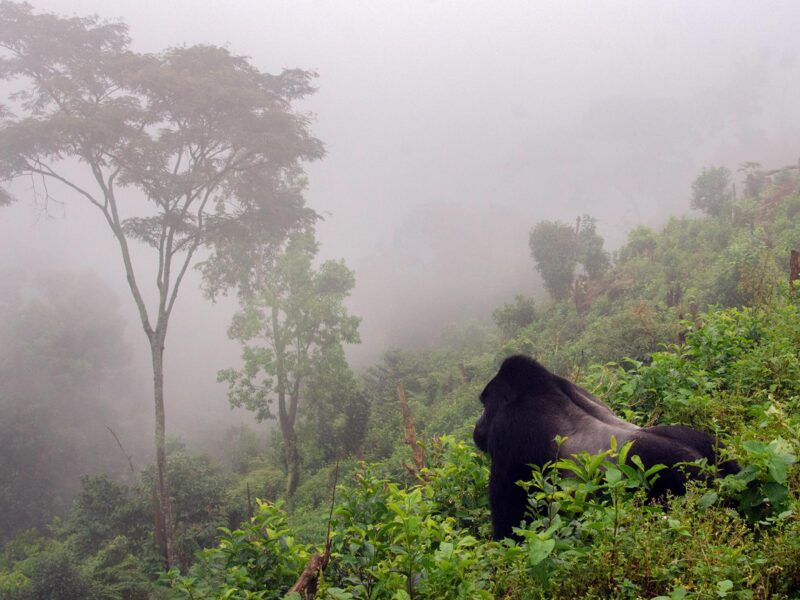
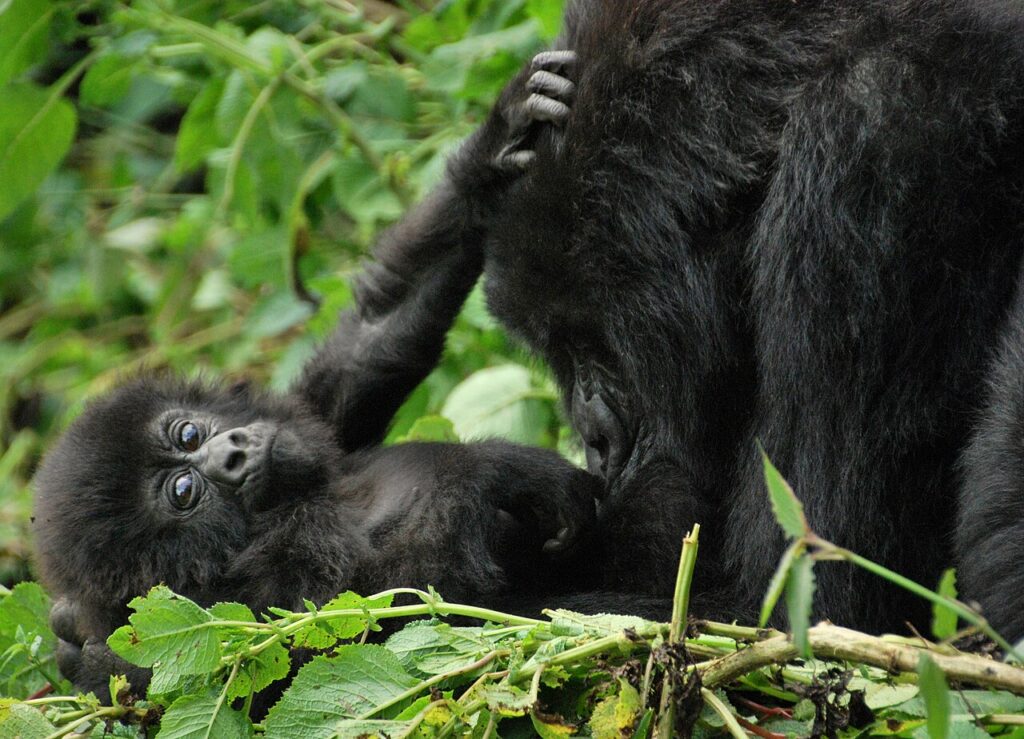
Travellers planning specialised outdoor activities should understand that a general safari packing list may not provide everything required for a successful adventure expedition in Uganda or Rwanda. Gorilla trekking in Bwindi Impenetrable National Park, Mgahinga Gorilla National Park, and Volcanoes National Park requires additional preparation because visitors explore dense forest environments where walking conditions can be challenging. Gardening gloves are useful for protecting hands when holding vegetation for support, although visitors should avoid damaging plants or disturbing wildlife. Long socks that can be secured over trouser bottoms can help reduce the exposure of lower legs to insects and vegetation. Lightweight gaiters may also provide additional protection against mud and debris. A comfortable daypack should carry drinking water, snacks where permitted, rain protection, and personal essentials without becoming unnecessarily heavy. For chimpanzee tracking in Kibale National Park or Nyungwe National Park, sturdy footwear, long trousers, and moisture-resistant clothing are equally important. Travellers interested in hiking the Rwenzori Mountains, Mount Elgon, or Rwanda’s volcanic landscapes should consider more specialised equipment, including thermal clothing, appropriate sleeping equipment for overnight expeditions, trekking poles, and suitable high-altitude footwear. The precise equipment list will depend on the route, duration, elevation, accommodation arrangements, and professional guidance available. Visitors should also remember that gorilla trekking permits and other activity reservations need to be arranged separately from personal packing preparations. Some specialised equipment may be available for hire through authorised local operators, so it is worth confirming this before travelling. At Kaara Safaris Adventures, we recommend matching your packing list to your actual itinerary rather than carrying unnecessary technical equipment. Proper preparation makes demanding forest and mountain adventures more manageable while helping visitors enjoy the extraordinary natural attractions of East Africa.
What Travel Documents and Essential Money Arrangements Should You Prepare?
Travel documentation is an important part of preparing for an adventure expedition in Uganda or Rwanda because international visitors must meet applicable immigration, health, and activity-specific requirements before entering their destinations. A valid passport is essential, and travellers should check its remaining validity and any applicable entry requirements well before departure. Depending on nationality and travel arrangements, visitors may require an appropriate visa or other entry authorisation. Eligible travellers visiting both Uganda and Rwanda may consider the East African Tourist Visa, which also covers Kenya under the applicable conditions, allowing qualifying visitors to travel between participating countries using one tourist visa. However, eligibility, validity, and current immigration requirements should always be confirmed through official government sources before booking. Travellers should also carry copies of their accommodation confirmations, flight details, safari itinerary, and relevant activity reservations. Gorilla trekking and chimpanzee tracking require valid permits, which should be secured through authorised channels and carried according to the relevant park instructions. International visitors should also check current vaccination and health entry requirements, including any applicable yellow fever documentation requirements. Regarding money, carrying a combination of suitable payment cards and some local currency can be helpful. Uganda uses the Ugandan shilling, while Rwanda uses the Rwandan franc. Although major hotels and established tourism businesses may accept card payments, smaller establishments and rural service providers may prefer cash. Visitors should notify their banks about international travel and understand any foreign transaction charges before departure. Keeping digital and physical copies of essential documents in separate locations is a sensible precaution. Being organised with travel documentation and finances helps prevent unnecessary disruptions and allows you to focus on enjoying your Uganda Safaris and Rwanda Adventures.
 What Cultural and Responsible Travel Items Should You Include in Your Packing List?
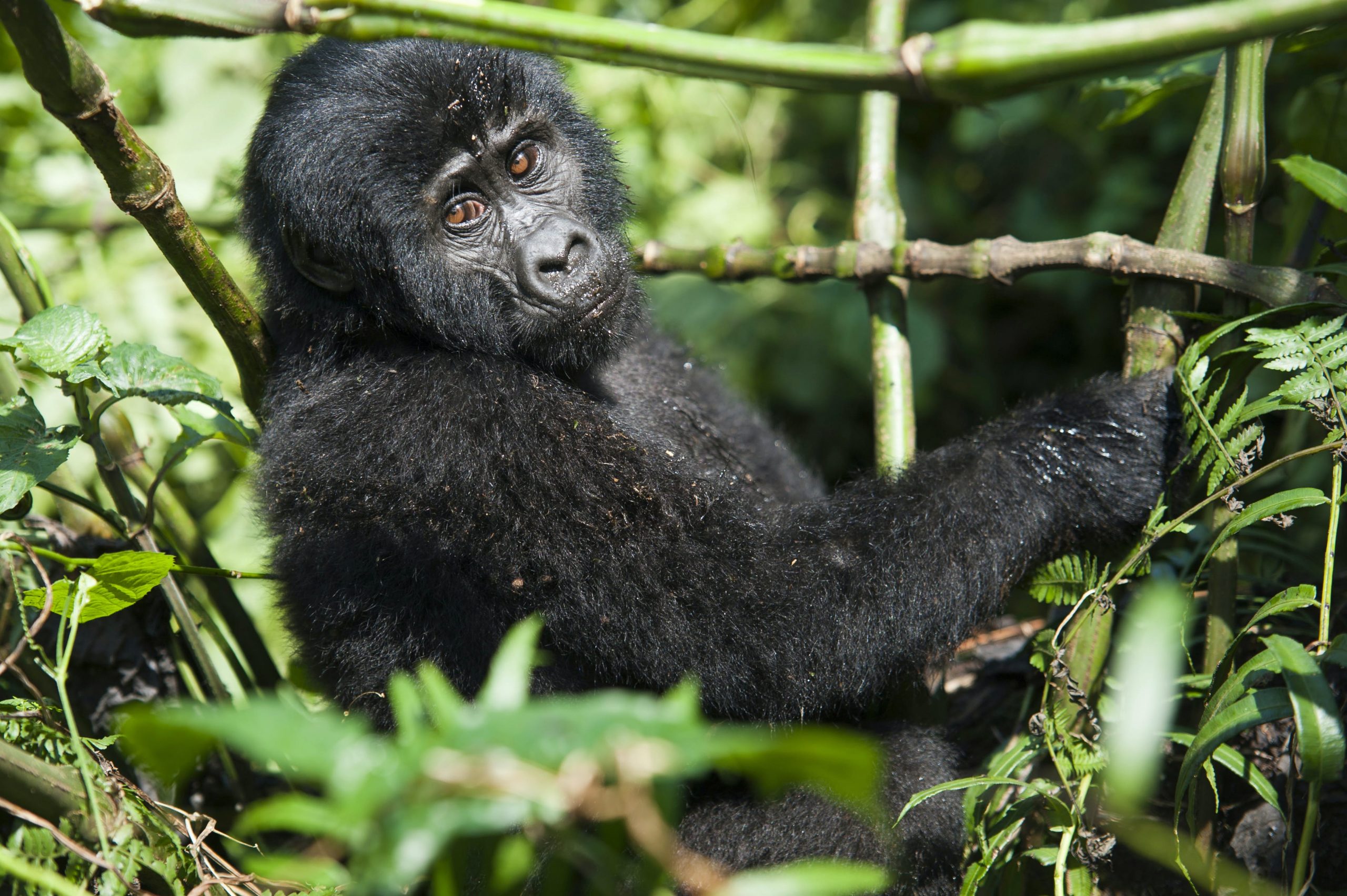
Responsible tourism is an important consideration when preparing for an adventure expedition in Uganda or Rwanda because travel involves interacting with different communities, wildlife habitats, and cultural environments. Visitors should pack clothing that is comfortable for outdoor activities while remaining respectful of local customs when visiting communities, religious sites, and cultural attractions. A few modest outfits are useful for community visits and everyday activities outside national parks. Reusable shopping bags, refillable water bottles, and environmentally responsible personal products can help reduce unnecessary waste during your holiday. Travellers may also consider bringing small locally appropriate gifts if they are participating in a prearranged community exchange, although giving money or gifts directly to children is generally discouraged because it can encourage unhealthy dependency. Supporting locally owned craft businesses and purchasing authentic handmade products are more sustainable ways to contribute to community livelihoods. Additionally, visitors should understand the importance of maintaining appropriate distances from wildlife and following all instructions provided by park rangers and professional guides. Gorilla and chimpanzee trekking requires particular care because these endangered primates are vulnerable to certain human diseases. Travellers should never attempt to touch, feed, or approach wildlife outside authorised guidelines. Cultural sensitivity also involves requesting permission before photographing individuals, respecting traditional practices, and learning a few polite greetings in the local language. Such small efforts can make interactions more meaningful while demonstrating appreciation for the people who make African tourism experiences special. At Kaara Safaris Adventures, we encourage travel choices that protect natural resources, support local communities, and promote positive relationships between visitors and host destinations. Responsible packing is therefore not only about what you carry but also about the environmental and cultural values you bring into your adventure.
What Are the Expectations in This Safari?
An adventure expedition in Uganda or Rwanda offers a combination of wildlife encounters, outdoor activities, scenic journeys, and opportunities to discover the cultural identity of East Africa. Travellers should expect different physical demands depending on their selected destinations and activities. Gorilla trekking may involve several hours of walking through steep and sometimes muddy forest terrain, while chimpanzee tracking can require patience as visitors follow experienced guides through natural habitats. Wildlife safaris generally involve guided game drives, early morning departures, and periods of observation across national park landscapes. Those planning mountain hiking should prepare for changing temperatures, altitude differences, and varying trail conditions. Beyond the activities themselves, visitors can expect to experience different accommodation styles, from comfortable safari lodges and hotels to more basic facilities in certain remote locations. Road transfers between destinations may also take several hours, depending on the distance and road conditions. Weather can influence daily arrangements, so flexibility is an important part of enjoying an African adventure. Importantly, wildlife sightings cannot be guaranteed, and encounters with gorillas, chimpanzees, and other animals must always follow official conservation guidelines. At Kaara Safaris Adventures, we encourage travellers to approach their journeys with realistic expectations and an open mind. Proper preparation, suitable clothing, appropriate equipment, and cooperation with professional guides contribute to a more comfortable and rewarding experience. Ultimately, an adventure expedition in Uganda or Rwanda is an opportunity to appreciate nature, understand conservation, and discover some of Africa’s most fascinating destinations.
When Is the Best Time for an Adventure Expedition in Uganda or Rwanda?
Choosing the most suitable travel period depends on the activities and destinations included in your adventure expedition in Uganda or Rwanda. Both countries are located near the Equator and experience tropical climates, although altitude, geography, and local weather patterns create differences between individual destinations. Generally, June to September and December to February are popular travel periods because many areas experience relatively drier conditions during these months. These periods are particularly attractive for gorilla trekking, chimpanzee tracking, wildlife safaris, and mountain hiking because trails may be more manageable and some wildlife viewing conditions can be favourable. However, forest environments can receive rainfall even during relatively dry seasons, so waterproof clothing remains essential throughout the year. March to May and October to November are commonly associated with wetter conditions in several parts of the region. Although these periods may bring muddy forest trails and occasional travel disruptions, they can also provide beautiful green landscapes and rewarding photographic opportunities. Travellers interested in birdwatching may appreciate seasonal changes in bird activity, including periods when migratory species are present. For mountain expeditions, weather conditions should be assessed according to the specific route and altitude rather than relying solely on general seasonal recommendations. Gorilla and chimpanzee trekking permits should be arranged well in advance, especially during popular travel periods. Ultimately, the best time is the period that matches your preferred activities, available holiday dates, and comfort requirements. Kaara Safaris Adventures can help travellers consider seasonal conditions when planning a suitable itinerary across Uganda and Rwanda.
Why Choose Kaara Safaris Adventures for Your Uganda or Rwanda Adventure Expedition?
Choosing a reliable safari organiser is an important step towards enjoying a comfortable, informative, and well-coordinated African holiday. At Kaara Safaris Adventures, we recognise that successful travel begins with understanding the needs of individual visitors and providing practical guidance throughout the planning process. Our approach focuses on helping travellers appreciate the natural attractions, wildlife, cultural heritage, and outdoor opportunities that make Uganda and Rwanda exceptional destinations. Whether your interests include mountain gorilla trekking, chimpanzee tracking, savannah wildlife safaris, mountain hiking, birdwatching, or cultural experiences, careful itinerary planning helps ensure that your activities and packing requirements match your travel expectations. We also understand that international visitors may be unfamiliar with local weather patterns, destination distances, activity requirements, and the practical arrangements involved in exploring East Africa. Providing useful information before departure can therefore make a significant difference to the overall experience. Responsible tourism is another important consideration, particularly when visiting protected forests and endangered wildlife habitats. We encourage visitors to respect conservation regulations, support local communities, and use appropriately qualified guides and service providers. Furthermore, our regional perspective makes it possible to explore the complementary attractions of Uganda and Rwanda within a wider East African holiday. By choosing Kaara Safaris Adventures, travellers can begin planning an experience that combines destination discovery, meaningful encounters, and thoughtful preparation. Our goal is to help visitors explore Africa with confidence while appreciating the importance of preserving its extraordinary natural and cultural heritage.

What Should You Pack for an Adventure Expedition in Uganda or Rwanda?
Conclusion: Prepare for Your Uganda and Rwanda Adventures with Kaara Safaris Adventures
Packing correctly is one of the most valuable preparations you can make before travelling to East Africa. An adventure expedition in Uganda or Rwanda can involve different climates, outdoor environments, physical activities, and cultural experiences, making a carefully organised packing list essential. From suitable hiking boots, waterproof clothing, and protective accessories to personal medication, travel documents, photography equipment, and reusable essentials, every item should serve a practical purpose during your journey. Whether you are tracking mountain gorillas in Bwindi or Volcanoes National Park, observing chimpanzees in Kibale or Nyungwe, exploring wildlife-rich savannahs, or hiking through spectacular mountain landscapes, the right preparation contributes to a more comfortable experience. Beyond personal convenience, responsible packing also demonstrates respect for local communities, wildlife conservation, and the natural environments that make these destinations so special. At Kaara Safaris Adventures, we invite you to explore the Pearl of Africa and the Land of a Thousand Hills through thoughtfully planned safari experiences and rewarding outdoor adventures. Let your next African holiday become an opportunity to discover extraordinary wildlife, beautiful landscapes, and meaningful cultural encounters. Contact Kaara Safaris Adventures to begin preparing for your Uganda Safaris and Rwanda Adventures with confidence.