What Safety Equipment Is Provided During Organised Adventure Trips?
November 17, 2026
Do Adventure Expeditions Require Previous Outdoor Experience?
November 17, 2026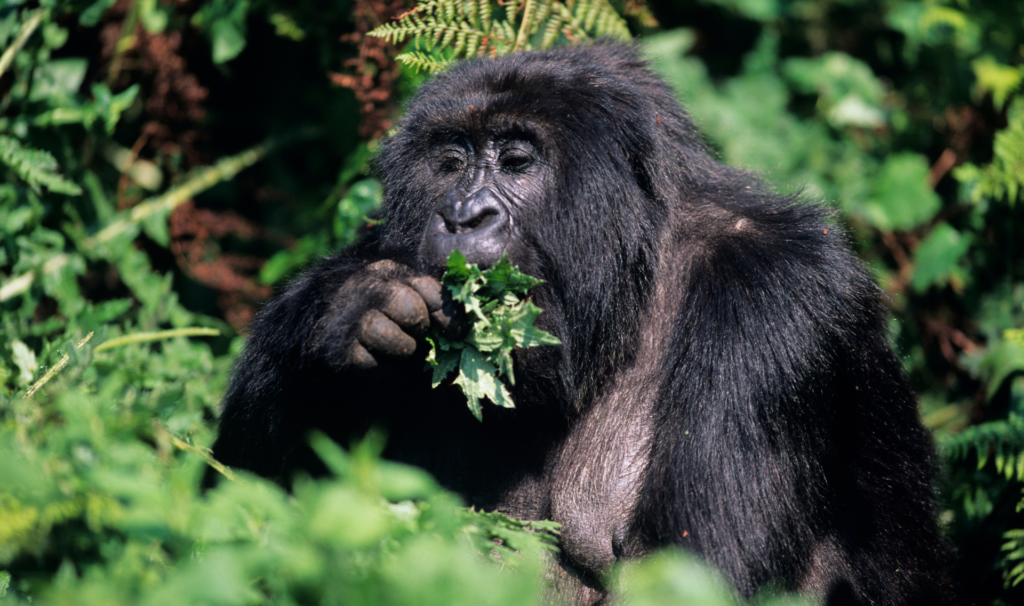
How Physically Fit Should You Be for an East African Adventure Expedition?
An East African adventure expedition offers an extraordinary opportunity to explore some of Africa’s most beautiful landscapes, encounter remarkable wildlife, discover different cultures, and participate in exciting outdoor activities. From trekking through the ancient rainforests of Uganda and Rwanda to hiking volcanic mountains, exploring vast savannah plains in Kenya, and discovering the spectacular wilderness of Tanzania, East Africa provides adventures for travellers with different interests and physical abilities. However, one important question frequently asked by international visitors before booking their holidays is: How physically fit should you be for an East African adventure expedition? The answer depends largely on the activities included in your itinerary, the geographical environment, the duration of each excursion, and your individual health and fitness levels. Certain experiences, such as conventional wildlife game drives, cultural tours, and boat cruises, require very little physical effort, making them suitable for travellers who prefer comfortable and relaxed holidays.
Understanding Physical Fitness Requirements for an East African Adventure Expedition
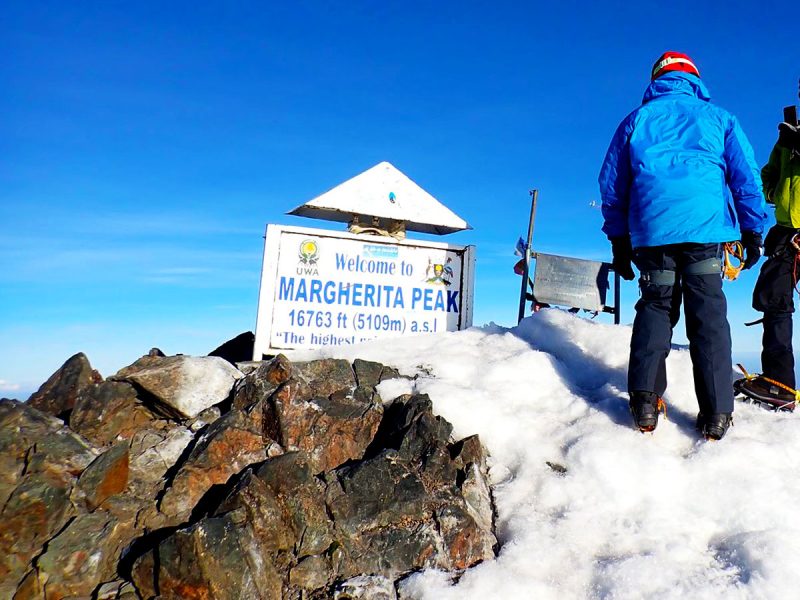
Other activities, including mountain gorilla trekking, chimpanzee tracking, mountain hiking, and white water rafting, may require greater physical endurance, coordination, and preparation. For example, trekking through Bwindi Impenetrable National Park in Uganda can involve walking across steep slopes, muddy forest trails, and thick vegetation, while climbing the Rwenzori Mountains requires preparation for changing elevations and demanding terrain. Similarly, hiking experiences in Rwanda’s volcanic landscapes and Mount Kenya can challenge participants through altitude differences and varying weather conditions. At Kaara Safaris Adventures, we believe that adventure travel should be accessible to people with different fitness abilities when activities are selected responsibly and appropriate preparations are made. This guide explains the physical fitness requirements for East African adventures, practical training recommendations, suitable activities for different fitness levels, and how to prepare your body before beginning an unforgettable African journey.
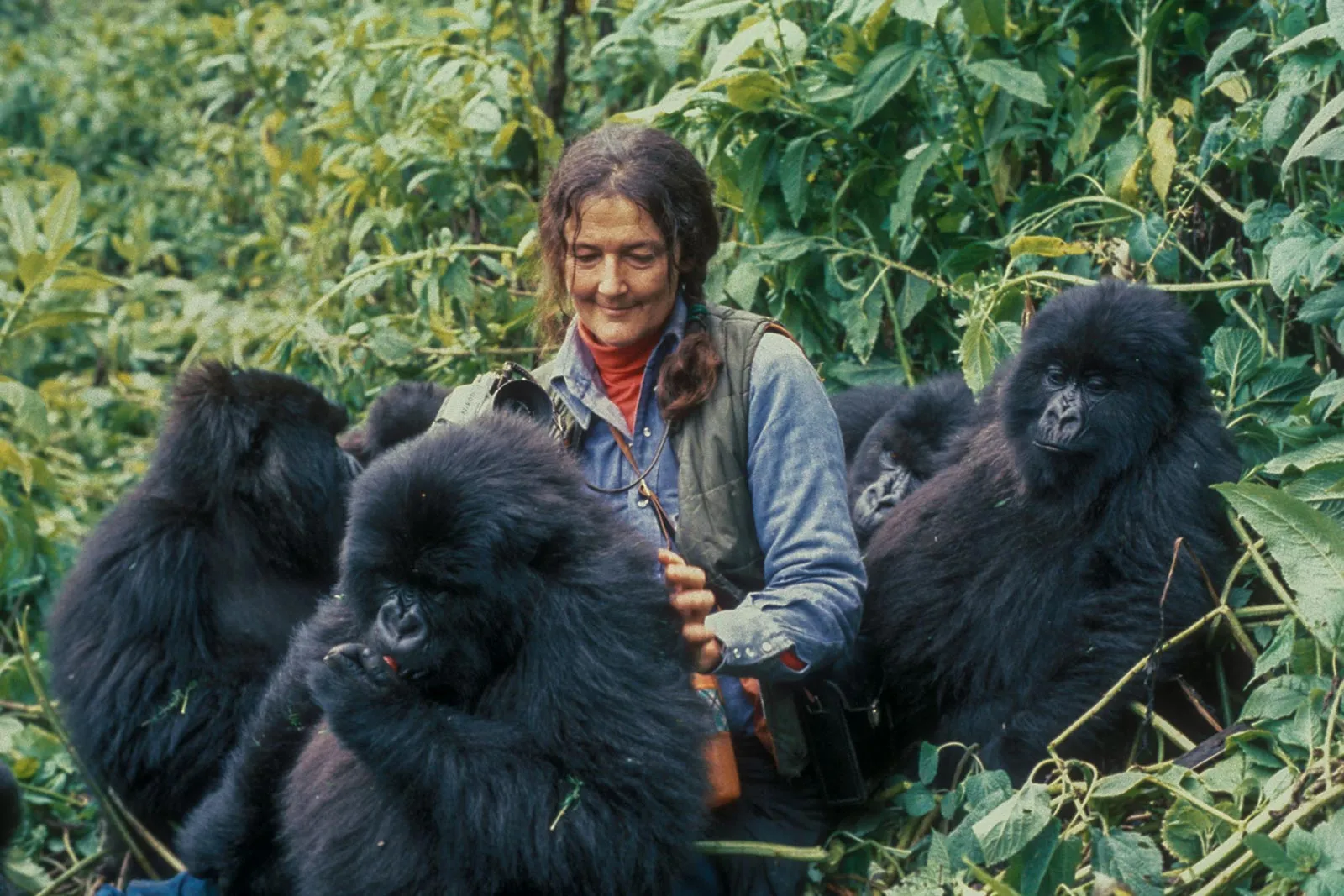
How Physically Fit Should You Be for an East African Adventure Expedition?
What Level of Physical Fitness Do You Need for an East African Adventure Expedition?
The physical fitness required for an East African adventure expedition varies according to the type of experience you intend to enjoy. Travellers should understand that there is no single fitness standard that applies to every African safari or outdoor activity. A relaxing wildlife holiday involving guided game drives in Queen Elizabeth National Park, Akagera National Park, Maasai Mara National Reserve, or Serengeti National Park generally requires limited physical exertion because most wildlife observation takes place from comfortable safari vehicles. Visitors can enjoy remarkable wildlife encounters without undertaking strenuous walks or challenging outdoor activities. Conversely, experiences involving forest trekking, mountain climbing, and physically demanding excursions require greater preparation because participants may spend several hours walking across uneven surfaces. Gorilla trekking in Uganda’s Bwindi Impenetrable National Park and Rwanda’s Volcanoes National Park is a good example of an activity where moderate physical endurance can be helpful. Depending on the location of the gorilla family, visitors may walk for varying periods across steep, slippery, and sometimes muddy terrain. Chimpanzee tracking in Kibale National Park or Nyungwe National Park can also involve extended walking through tropical forests. For more demanding experiences, such as climbing Mount Elgon, Mount Kenya, or the Rwenzori Mountains, participants may need stronger cardiovascular endurance, leg strength, balance, and preparation for altitude. Another important consideration is that physical fitness is different from medical suitability. Someone who regularly exercises may still have a health condition that requires professional medical advice before participating in demanding activities. Therefore, travellers should assess their abilities honestly, consult healthcare professionals where necessary, and communicate any relevant limitations to their safari organiser. A well-selected itinerary can help visitors enjoy Uganda Safaris, Rwanda Adventures, Kenya Safaris, and Tanzania Safaris without undertaking activities beyond their capabilities.
How Physically Fit Should You Be for Gorilla Trekking in Uganda and Rwanda?
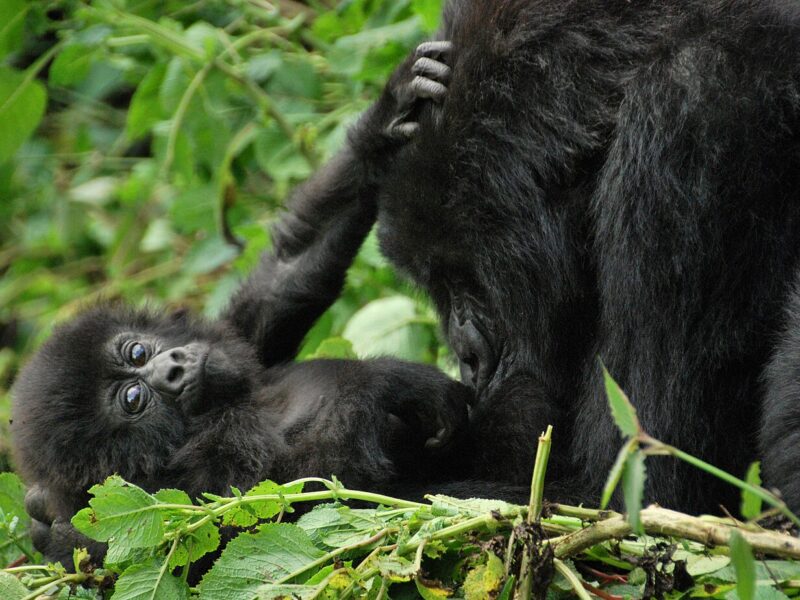
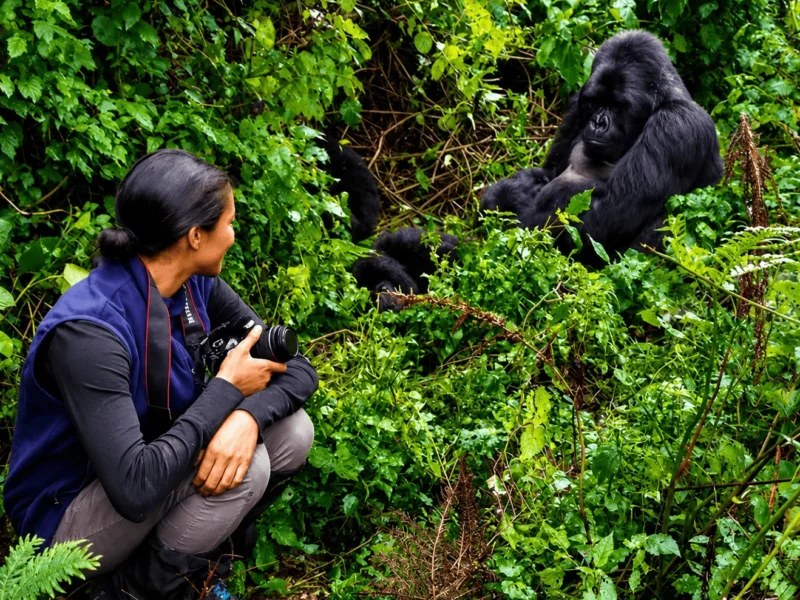
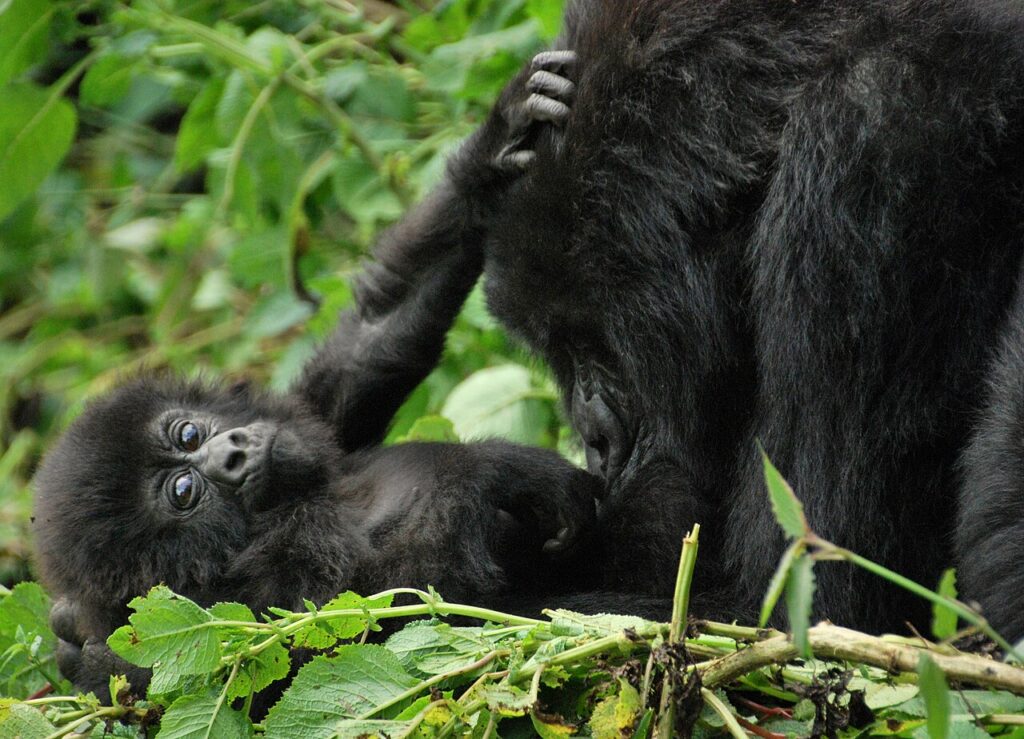
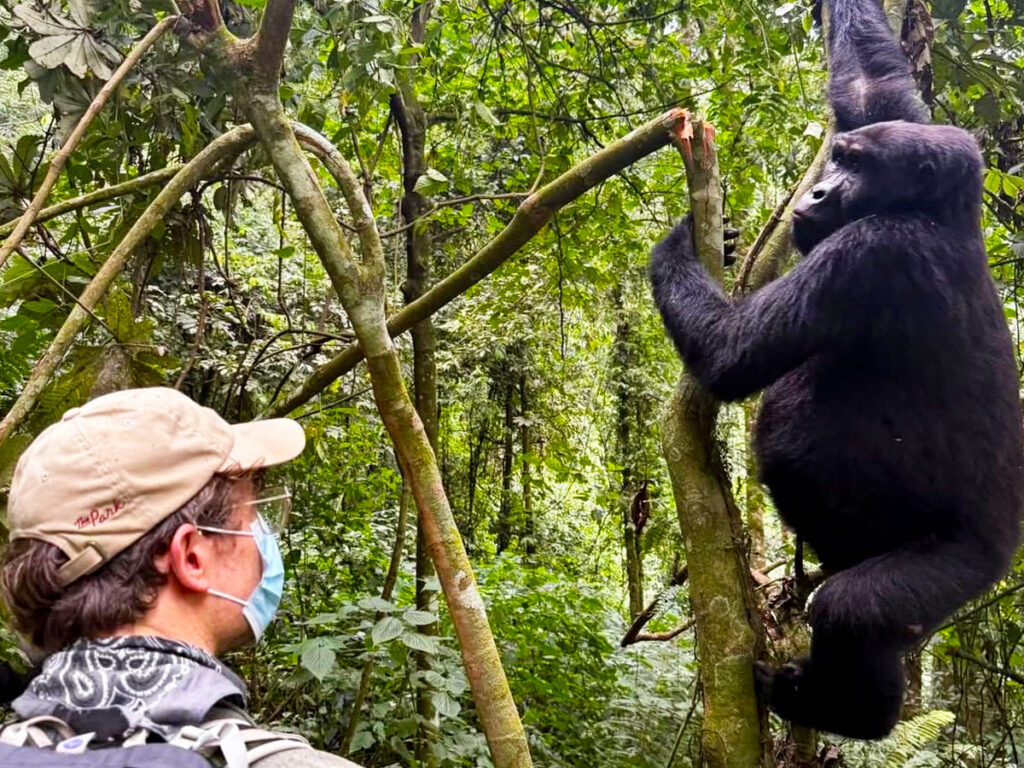
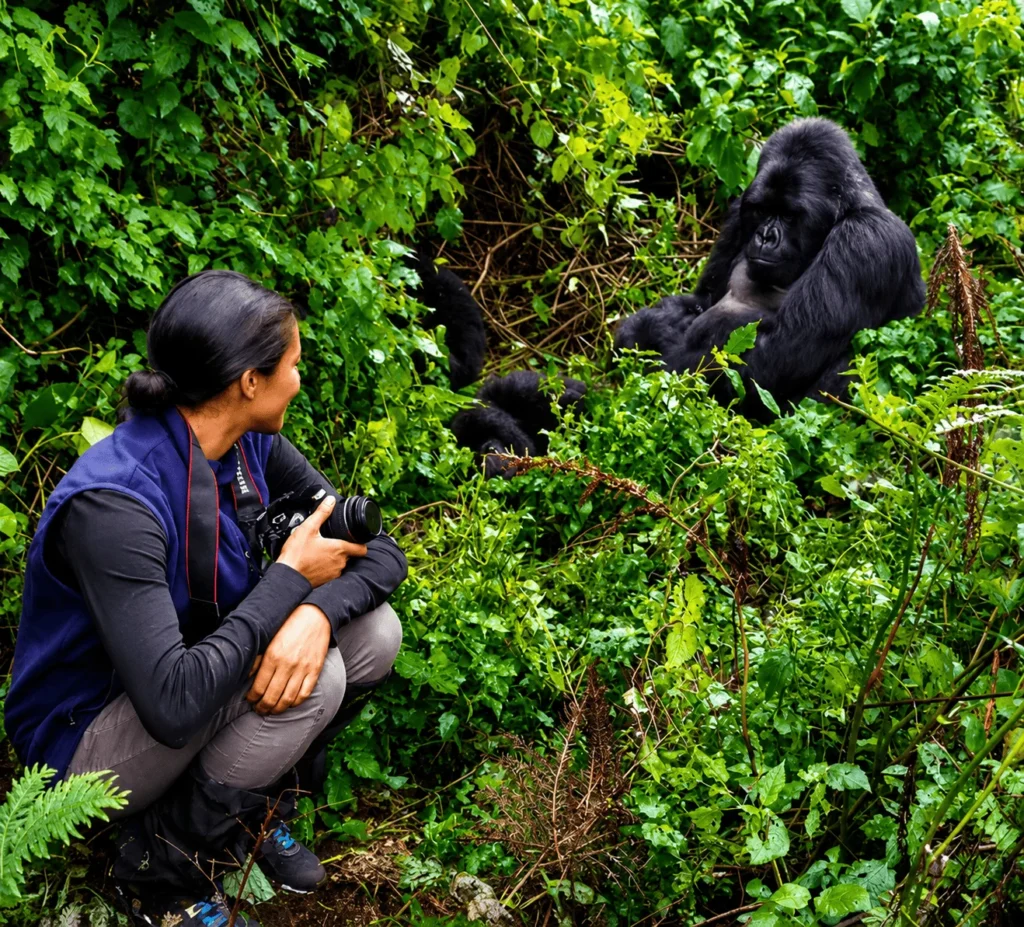
Gorilla trekking is among the most extraordinary wildlife experiences in East Africa, attracting visitors who want to observe endangered mountain gorillas in their natural forest habitats. However, the activity requires a reasonable level of physical endurance because the trekking environment can be challenging. In Uganda, gorilla trekking takes place in Bwindi Impenetrable National Park and Mgahinga Gorilla National Park, while Rwanda offers this experience in Volcanoes National Park. Participants should be comfortable walking for extended periods across uneven forest trails, steep slopes, muddy sections, and dense vegetation. The actual duration and difficulty of a trek vary because mountain gorillas move freely within their natural habitats. Some groups may be located relatively close to the starting point, while others require longer walks through difficult terrain. Consequently, travellers should avoid assuming that every gorilla trekking experience involves the same level of physical effort. Building cardiovascular endurance before travelling can make the experience more manageable. Activities such as regular walking, hiking, cycling, and climbing stairs can help improve stamina and strengthen the muscles used during trekking. Additionally, practising walks on uneven surfaces can prepare your body for the changing conditions encountered in tropical forests. Visitors should also consider balance and lower-body strength because steep trails may require careful movement and support from walking sticks. Although gorilla trekking does not require professional athletic ability, participants should be reasonably comfortable with outdoor walking and changing terrain. Current park regulations generally require gorilla trekking participants to be at least 15 years old. Travellers with medical conditions, mobility limitations, or concerns about strenuous walking should seek professional advice and discuss available arrangements with park authorities or their safari organiser before booking. Proper preparation can help you enjoy this remarkable experience while respecting personal capabilities and wildlife conservation requirements.
Do You Need to Be Physically Fit for Chimpanzee Tracking and Forest Adventures?
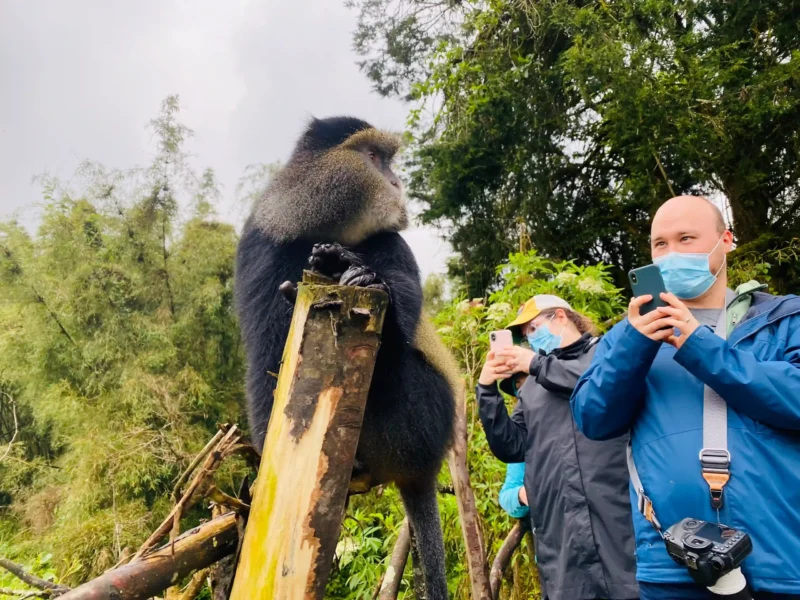
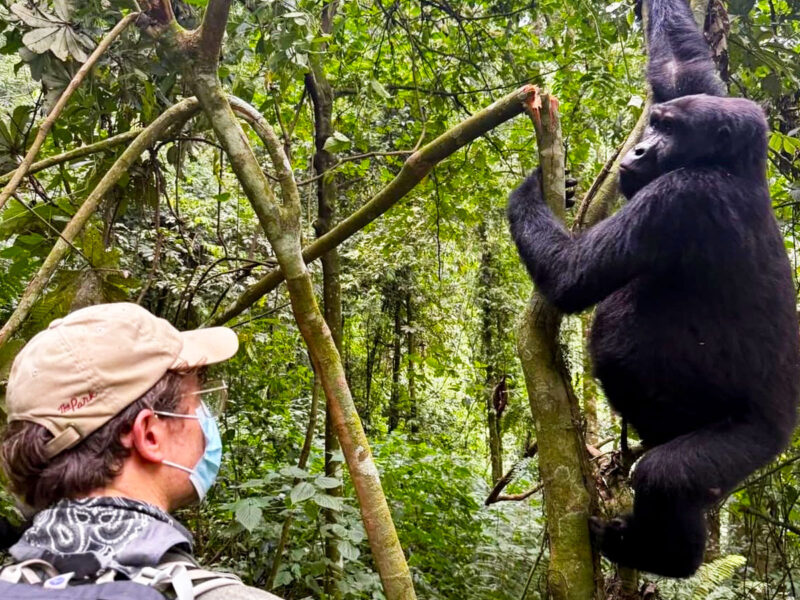
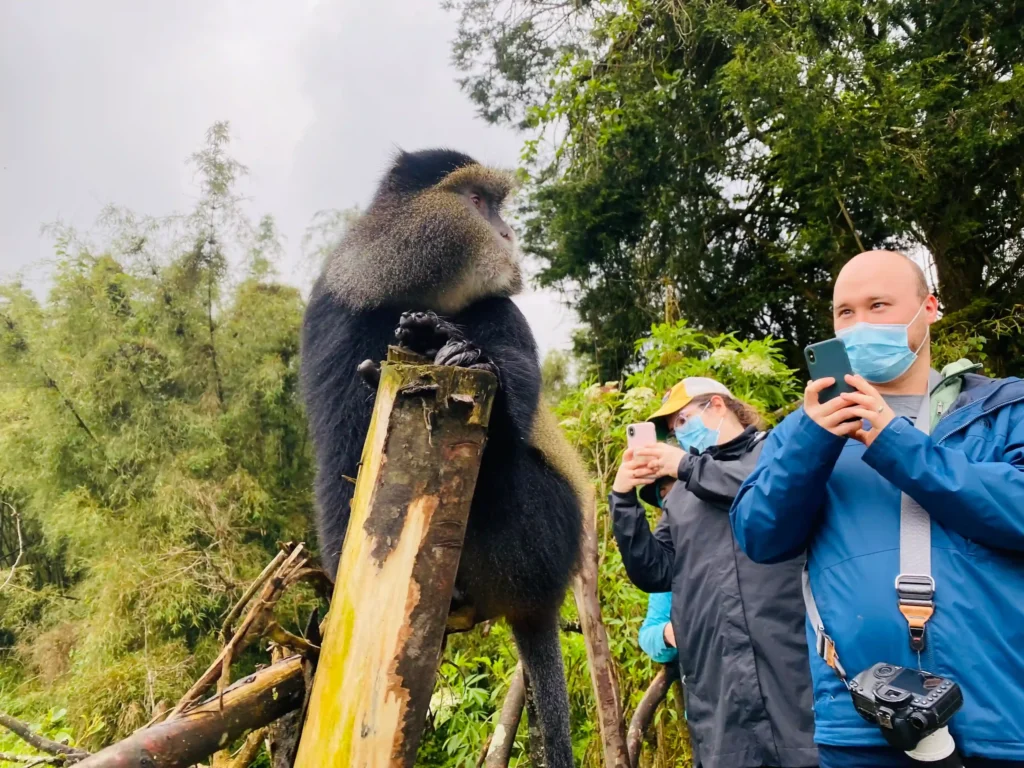
Chimpanzee tracking is another exciting activity that attracts nature enthusiasts to Uganda and Rwanda, offering opportunities to observe our closest living relatives within protected tropical forests. Popular destinations include Kibale National Park, Budongo Forest, and Kyambura Gorge in Uganda, as well as Nyungwe National Park in Rwanda. Although chimpanzee tracking is not generally considered equivalent to a demanding mountain-climbing expedition, visitors should still prepare for outdoor walking through uneven forest environments. Depending on the location of chimpanzee groups, participants may walk for varying periods while following experienced guides through vegetation, woodland trails, and sometimes steep terrain. Kibale National Park is particularly renowned for its rich primate diversity, making it a popular destination for travellers interested in wildlife observation and nature exploration. Physical endurance, comfortable footwear, and the ability to maintain balance can improve the overall experience. Visitors should also understand that chimpanzees are highly mobile animals, meaning tracking durations cannot always be predicted. At times, participants may need to continue walking as the chimpanzees move through the forest. For this reason, practising moderate hiking and regular walking before departure is beneficial. Lightweight clothing, waterproof hiking boots, long trousers, and suitable rain protection are recommended for forest excursions. Furthermore, travellers should follow ranger instructions and maintain the required distance from chimpanzees to reduce disturbance and protect both people and wildlife. Individuals with limited mobility or medical concerns should discuss the suitability of the activity before making reservations. A carefully planned Uganda or Rwanda adventure can include alternative experiences for visitors who prefer less physically demanding activities, such as wildlife game drives, boat cruises, birdwatching, and cultural excursions.
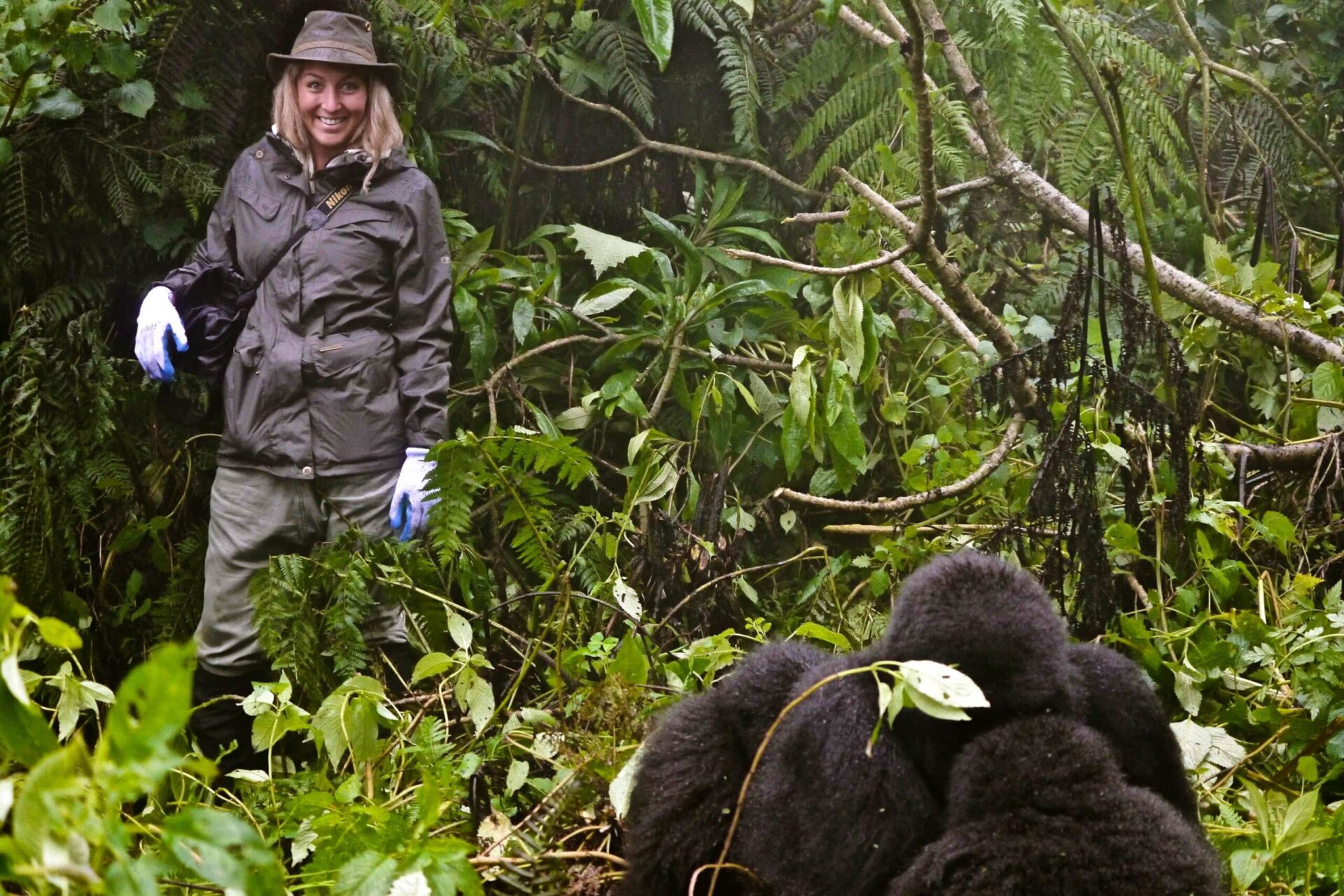 How Fit Should You Be for Mountain Hiking and High-Altitude Adventures in East Africa?
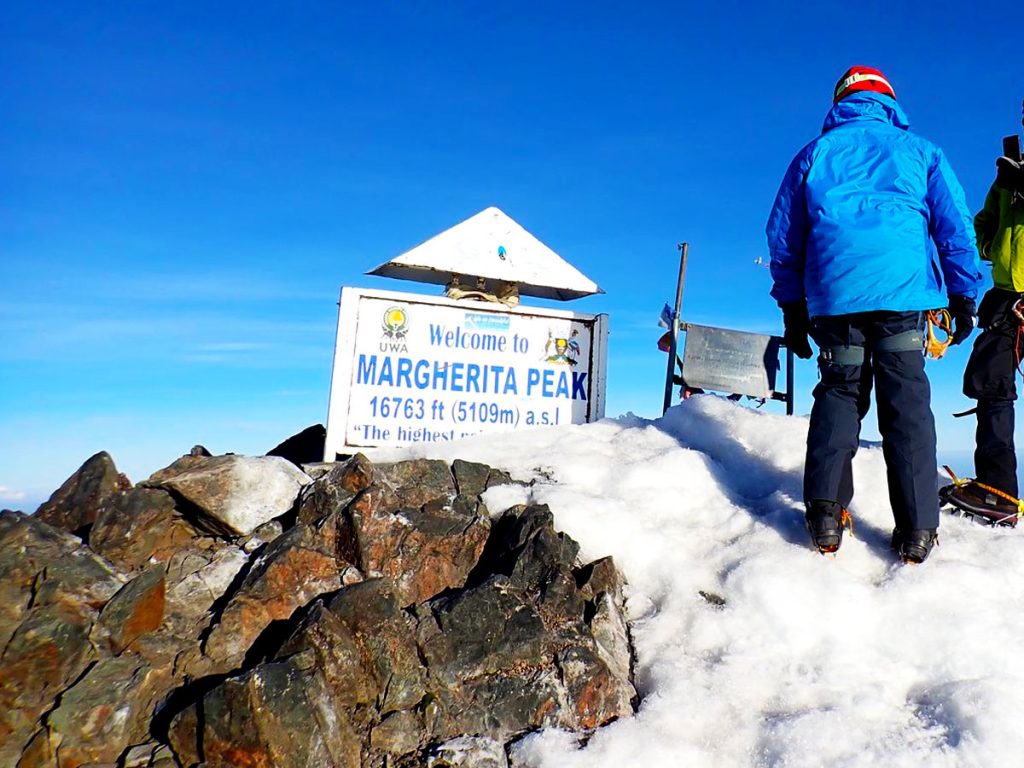
Mountain hiking is among the most physically demanding experiences available in East Africa, requiring careful preparation, appropriate equipment, and an understanding of the effects of altitude. The region offers remarkable mountain destinations, including the Rwenzori Mountains and Mount Elgon in Uganda, the Virunga volcanic region in Rwanda, and Mount Kenya in Kenya. Each destination has different hiking routes, elevations, terrain conditions, and physical requirements. Visitors planning shorter nature walks or introductory mountain excursions may only need moderate fitness, while multi-day climbing expeditions require greater cardiovascular endurance, leg strength, balance, and mental determination. Mount Kenya, for example, offers several trekking routes with different levels of difficulty, allowing climbers to select experiences that match their abilities and available time. The Rwenzori Mountains present another challenging environment, where hikers encounter steep trails, changing weather, wet vegetation, and high-altitude conditions. Preparing for these expeditions should involve regular aerobic exercise, stair climbing, hill walking, and progressively longer hikes. Strengthening the legs, hips, and core muscles can also help improve stability when carrying a backpack and navigating uneven terrain. However, physical fitness alone does not guarantee successful acclimatisation to high altitude. Altitude-related illness can affect individuals regardless of their athletic ability, so gradual ascent, adequate rest, hydration, and professional guidance are essential. Travellers should never ignore symptoms such as severe headaches, dizziness, nausea, unusual fatigue, or breathing difficulties at altitude. Anyone planning a high-altitude expedition should consult a healthcare professional about personal suitability and preparation. Qualified mountain guides should assess route conditions and provide appropriate guidance throughout the climb. Choosing a suitable hiking route and allowing sufficient time for acclimatisation can make your East African mountain adventure safer and more enjoyable.
Can Beginners and Travellers With Average Fitness Enjoy East African Adventure Safaris?
Absolutely. East African adventure expeditions are not exclusively designed for professional athletes, experienced hikers, or highly trained outdoor enthusiasts. Many experiences across Uganda, Rwanda, Kenya, and Tanzania are suitable for beginners and travellers with average fitness levels. Wildlife game drives are among the easiest ways to explore Africa’s national parks because participants can observe animals from safari vehicles without undertaking strenuous physical activities. Boat cruises along the Kazinga Channel in Uganda, Lake Ihema in Rwanda, and selected waterways in Kenya and Tanzania also provide relaxing opportunities to appreciate wildlife and beautiful natural scenery. Cultural excursions, guided village visits, birdwatching, and selected nature walks offer additional experiences for visitors who prefer moderate activity. Beginners interested in adventure travel can gradually introduce more challenging experiences by participating in shorter walks, gentle hikes, and suitable outdoor recreation before attempting demanding expeditions. For example, a traveller with limited hiking experience may enjoy a guided nature walk before considering a longer forest trekking activity. Similarly, visitors planning gorilla trekking can improve their endurance through regular walking and moderate exercise in the weeks or months before departure. Families and groups should also recognise that participants may have different physical abilities, meaning a flexible itinerary can make the experience more inclusive. Certain activities have strict age, health, or fitness requirements, so these should always be confirmed before booking. At Kaara Safaris Adventures, we encourage travellers to choose experiences that match their comfort levels rather than feeling pressured to participate in activities simply because they are popular. Africa offers an extraordinary variety of adventures, and there is no requirement to climb a mountain or complete a demanding trek to enjoy a memorable safari holiday.
What Exercises Should You Do Before an East African Adventure Expedition?
Preparing physically before travelling can make a considerable difference to your comfort, confidence, and enjoyment during an East African adventure expedition. The most effective training programme depends on the activities included in your itinerary, but developing cardiovascular endurance, muscular strength, balance, and general mobility is beneficial for many outdoor experiences. Walking is one of the simplest ways to prepare, particularly for visitors planning gorilla trekking, chimpanzee tracking, or mountain hiking. Begin with comfortable distances and gradually increase the duration and difficulty as your fitness improves. Walking uphill, climbing stairs, and hiking on uneven ground can help prepare your legs for challenging forest and mountain environments. Cycling, swimming, and other aerobic exercises can also improve cardiovascular fitness without placing excessive pressure on the joints. Strength training is useful for developing the muscles required for climbing, carrying equipment, and maintaining stability. Exercises such as squats, step-ups, lunges, and core-strengthening movements can be incorporated into a suitable routine, provided they are appropriate for your health and fitness level. Flexibility and balance exercises may also improve movement on uneven trails. Travellers preparing for multi-day mountain expeditions should practise walking with a lightly loaded backpack similar to the one they expect to carry during the actual trip. However, training should progress gradually rather than involving sudden increases in exercise intensity. Allow sufficient recovery time and avoid attempting unfamiliar, demanding workouts immediately before departure. Individuals with existing medical conditions or concerns about starting an exercise programme should consult qualified healthcare professionals first. At Kaara Safaris Adventures, we recommend beginning preparations early, particularly for physically demanding Uganda Safaris, Rwanda Adventures, Kenya Safaris, and Tanzania Safaris involving trekking or mountain exploration.
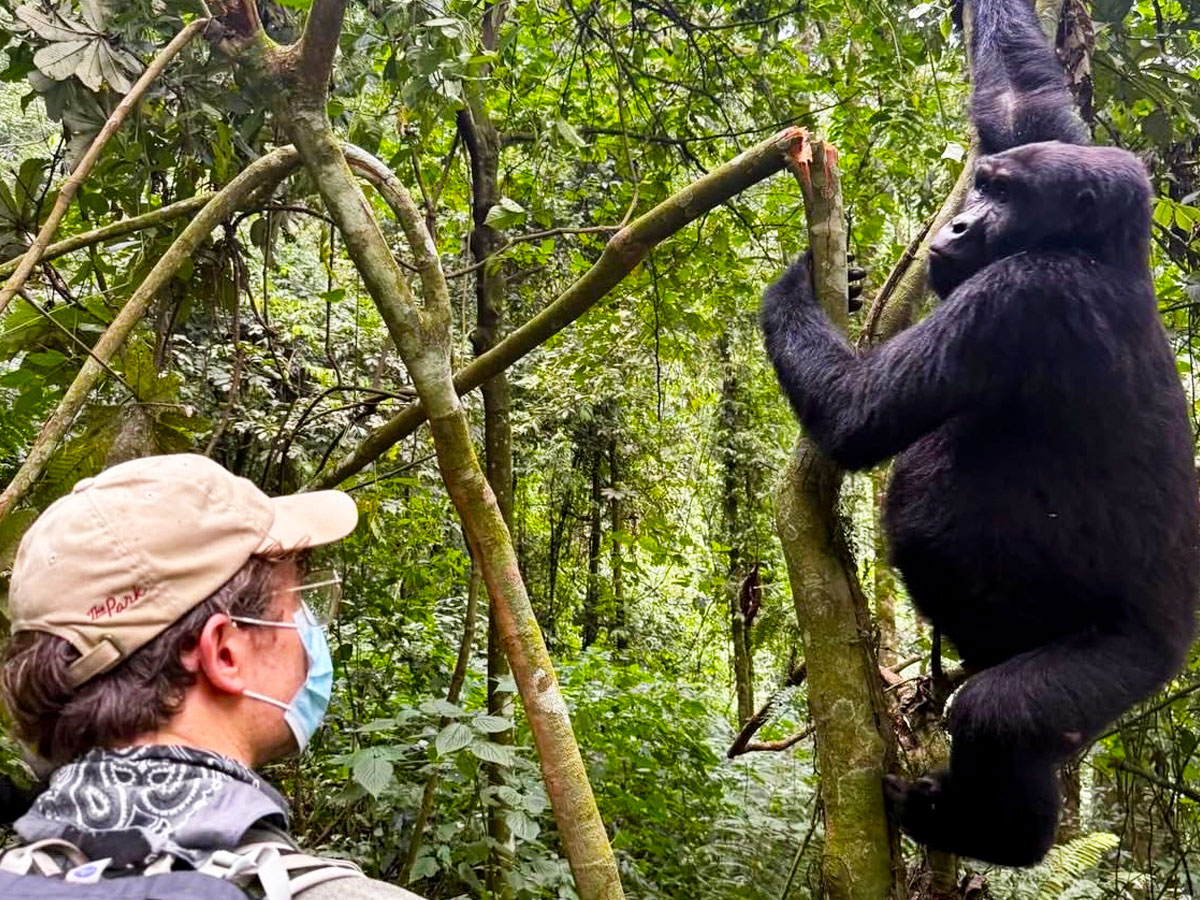 What Are the Expectations in This Safari?
Travellers participating in an East African adventure expedition should expect different physical demands depending on their selected activities, destination, and travel schedule. Wildlife safaris generally involve comfortable vehicle-based exploration, early morning departures, and occasional short walks in authorised areas. Gorilla trekking and chimpanzee tracking involve guided forest exploration, where participants may encounter muddy trails, uneven surfaces, steep slopes, and changing weather conditions. Mountain hiking requires greater physical preparation because the terrain, altitude, and duration can make these excursions more demanding. Visitors should also expect professional guides to provide activity briefings, explain safety procedures, and communicate any relevant participation requirements before the adventure begins. Certain activities may require special permits, age eligibility, medical suitability, or minimum fitness standards. Travel between national parks can involve several hours on the road, so comfortable clothing, hydration, and adequate rest are important. Furthermore, weather conditions may influence activity schedules, trail accessibility, and wildlife movements. Animal sightings cannot be guaranteed because wildlife moves freely within natural habitats. Travellers should therefore approach their experiences with realistic expectations and remain flexible when circumstances change. A successful safari is not measured only by the number of activities completed but also by the quality of experiences, appreciation of nature, and enjoyment of the journey. At Kaara Safaris Adventures, we encourage visitors to communicate their physical abilities and travel preferences before booking. This information helps identify suitable activities and develop a realistic itinerary that balances adventure, comfort, and relaxation.
When Is the Best Time for an East African Adventure Expedition?
The best time for an East African adventure expedition depends on the activities you intend to enjoy and the environmental conditions in your chosen destinations. Uganda and Rwanda generally experience popular tourism periods between June and September and December and February, when many areas receive comparatively lower rainfall. These months are often preferred for gorilla trekking, chimpanzee tracking, wildlife safaris, and outdoor exploration because some forest trails may be easier to navigate. Nevertheless, tropical rainforests can experience rainfall throughout the year, making waterproof clothing and appropriate footwear essential even during generally drier months. Kenya and Tanzania also offer rewarding wildlife experiences throughout different seasons. Relatively dry periods are often favourable for game viewing in many savannah destinations, while greener months can provide attractive scenery and excellent opportunities for landscape photography and birdwatching. Travellers planning the Great Migration should consider the seasonal movements of wildebeest and zebras across the Serengeti-Mara ecosystem. Mountain hiking requires additional consideration because rainfall, temperatures, visibility, and trail conditions vary according to altitude and location. For demanding climbs, the suitability of travel dates should be assessed with qualified local guides rather than relying exclusively on general seasonal recommendations. Importantly, fitness preparation should begin well before the selected departure date, particularly when the itinerary includes high-altitude trekking or several consecutive days of physical activity. Gorilla trekking permits and accommodation should also be arranged early during popular travel periods. Ultimately, the ideal travel season is the one that matches your activity preferences, physical preparation, and available holiday dates. Kaara Safaris Adventures can help you consider seasonal conditions when organising your African adventure.
Why Choose Kaara Safaris Adventures for Your East African Adventure Expedition?
Choosing an experienced safari organiser is an important part of planning a successful East African adventure because appropriate destination selection and activity planning can significantly influence the overall experience. At Kaara Safaris Adventures, we believe that every traveller deserves an opportunity to explore Africa through experiences that match their interests, physical abilities, and travel expectations. Our approach focuses on helping visitors understand the different adventure opportunities available across Uganda, Rwanda, Kenya, and Tanzania while considering the practical requirements of each destination. Whether your interests include mountain gorilla trekking, chimpanzee tracking, wildlife game drives, mountain hiking, cultural experiences, or exciting outdoor activities, careful planning helps identify suitable options for your holiday. We recognise that travellers have different levels of physical fitness, and an activity that is comfortable for an experienced hiker may be challenging for someone with limited outdoor experience. Therefore, discussing fitness expectations, mobility concerns, activity duration, and personal preferences before booking is important. We also encourage responsible travel practices, including respect for wildlife, conservation regulations, local communities, and environmental conditions. Furthermore, our regional perspective creates opportunities to combine different East African destinations within a wider holiday, depending on available time and individual interests. By choosing Kaara Safaris Adventures, you can begin planning your journey with practical information about destination conditions, activity requirements, and suitable travel arrangements. Our goal is to help you discover the beauty of Africa through memorable experiences that balance adventure, comfort, and responsible exploration.
What Should You Pack for an East African Adventure Expedition?
Packing appropriately is essential for an East African adventure expedition because different activities require different clothing, footwear, and personal equipment. Travellers planning conventional wildlife safaris should prioritise lightweight, breathable clothing, comfortable walking shoes, sunscreen, sunglasses, insect repellent, and a reusable water bottle. Neutral-coloured outfits such as khaki, brown, and olive green are practical for many wildlife-viewing activities. Those participating in gorilla trekking or chimpanzee tracking should carry sturdy waterproof hiking boots, long trousers, long-sleeved shirts, gardening gloves, moisture-wicking socks, and a reliable rain jacket. Mountain hiking requires additional preparation, including warm layers, suitable trekking trousers, a comfortable backpack, and specialised equipment according to the route and altitude. Visitors planning multi-day climbing expeditions should confirm the full equipment list with their mountain operator before travelling. Personal medication, basic first-aid supplies, travel insurance details, and emergency contact information should also be included. A walking stick can be useful during certain forest and mountain activities, although availability and permitted use should be confirmed with the relevant operator. Photography enthusiasts may wish to carry cameras, binoculars, spare batteries, and protective equipment for humid or dusty environments. International visitors should also pack valid passports, appropriate travel documentation, accommodation confirmations, and activity permits where required. Importantly, avoid carrying unnecessary luggage, particularly when travelling between national parks in safari vehicles with limited storage space. Your packing list should reflect the actual activities included in your itinerary rather than relying on a general holiday checklist. Proper preparation ensures that you have the necessary personal supplies to remain comfortable and ready for different outdoor conditions.
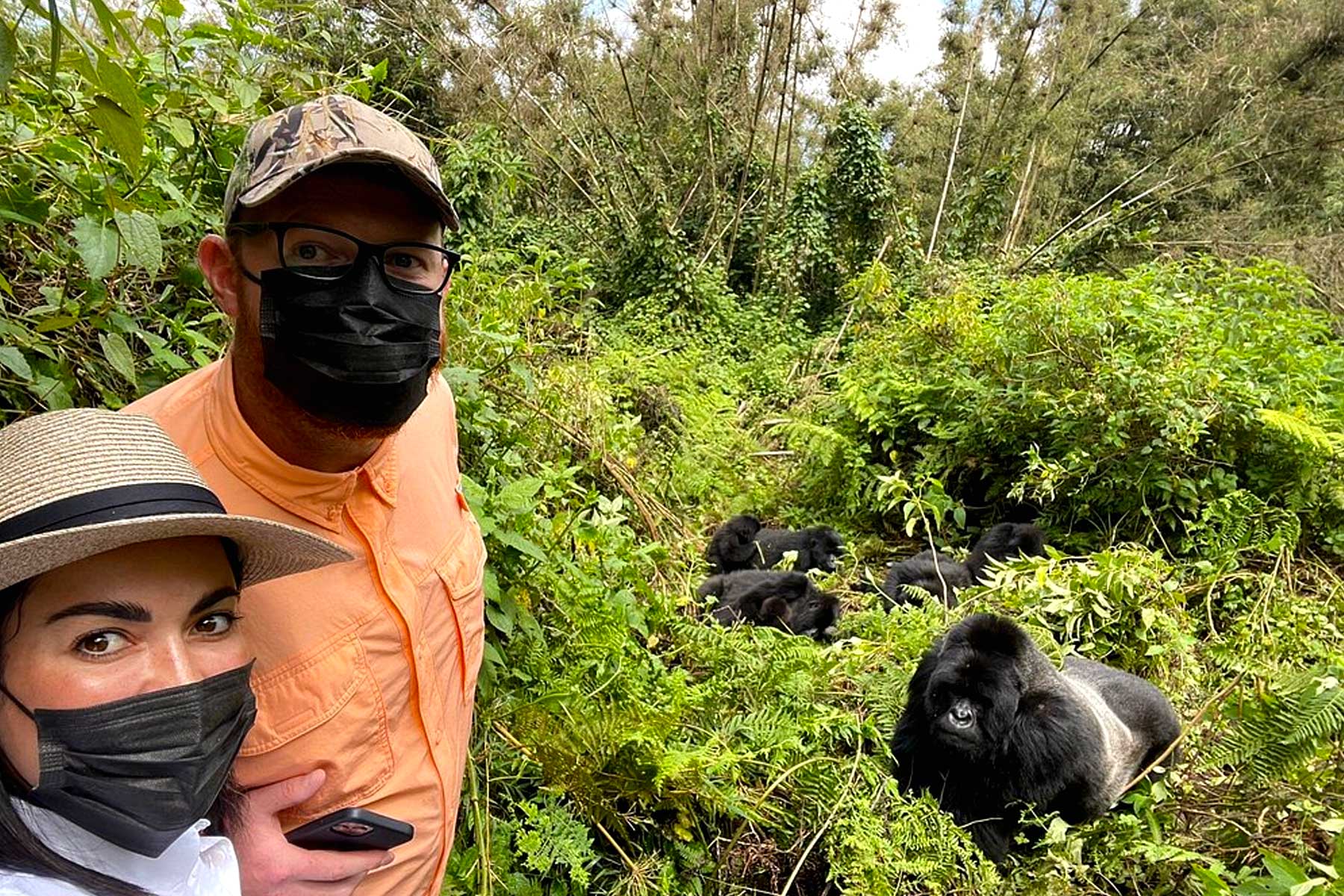 Conclusion: Prepare Your Body and Discover East Africa with Kaara Safaris Adventures
Physical fitness plays an important role in determining how comfortably you enjoy an East African adventure expedition, but it should never discourage you from discovering the extraordinary attractions of Africa. The level of preparation required depends on your selected activities, personal health, and individual abilities. While wildlife game drives, boat cruises, and cultural experiences are accessible to many travellers, gorilla trekking, chimpanzee tracking, mountain hiking, and other demanding outdoor activities require additional endurance and preparation. Developing a suitable exercise routine, selecting appropriate equipment, understanding activity requirements, and seeking professional medical advice when necessary can help make your holiday more enjoyable. Most importantly, choosing activities that match your physical capabilities allows you to experience Africa without unnecessary pressure or unrealistic expectations. From the rainforests of Uganda and Rwanda to the mountains of Kenya and the spectacular wilderness of Tanzania, East Africa offers adventures for different interests and fitness levels. At Kaara Safaris Adventures, we invite you to discover these remarkable destinations through thoughtfully planned journeys that combine wildlife encounters, outdoor exploration, cultural experiences, and responsible tourism. Whether you are preparing for your first gorilla trekking experience or planning a challenging mountain expedition, your African adventure begins with the right preparation. Contact Kaara Safaris Adventures and let us help you organise a memorable journey suited to your interests, abilities, and expectations.