Do You Need a Professional Guide for Birdwatching in Uganda, Kenya, Rwanda, or Tanzania?
October 28, 2026
What Equipment Should You Pack for a Birding Safari in East Africa?
October 28, 2026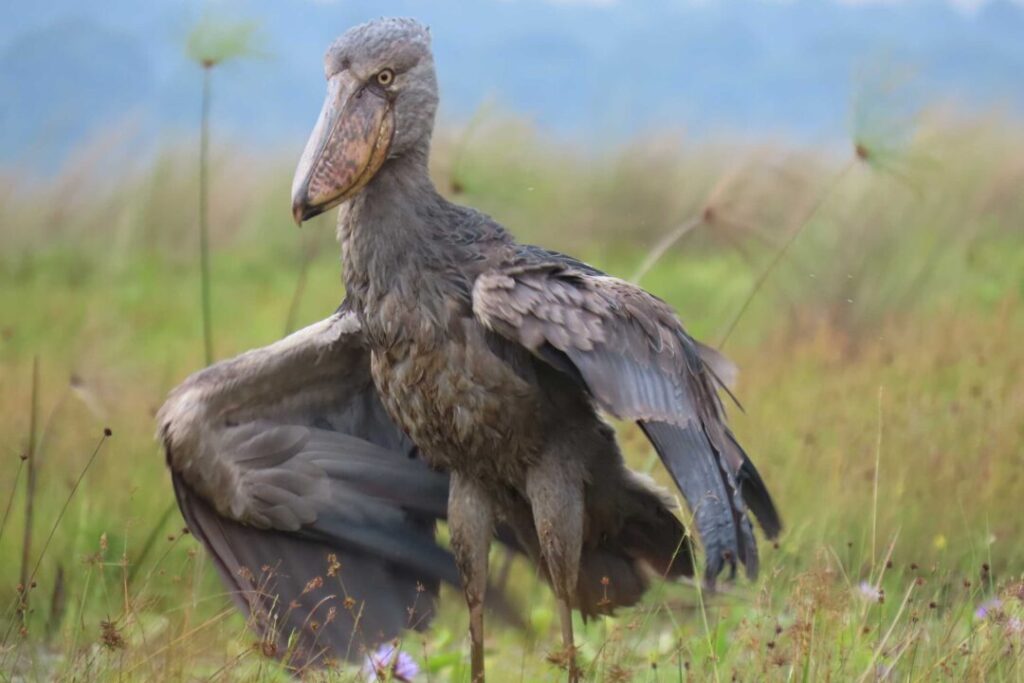
How Many Bird Species Can You Expect to See on an East African Birding Safari?
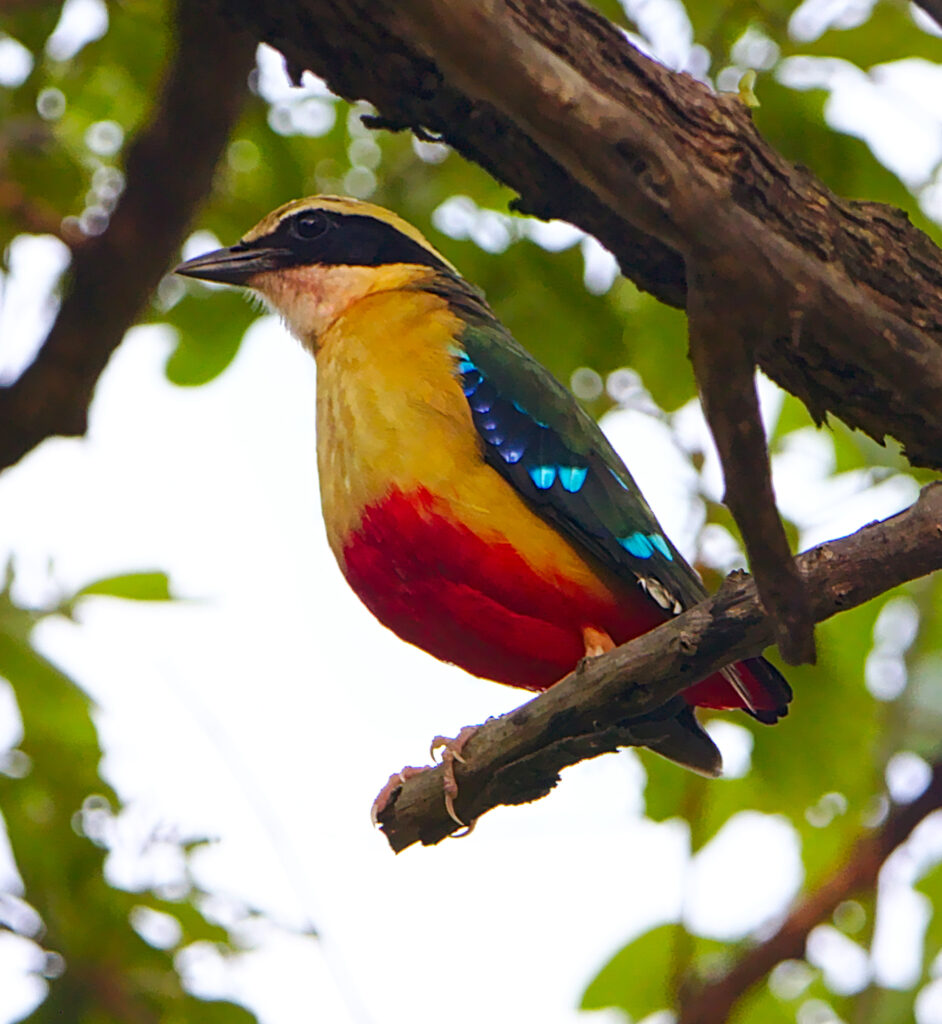
An East African birding safari can produce a memorable species list, but the number of birds recorded varies widely from one trip to another. Uganda, Kenya, Rwanda, and Tanzania contain diverse habitats and support many resident and migratory species. A short visit focused on one national park will naturally offer different opportunities from a multi-week itinerary that includes wetlands, montane forest, savannah, lakeshores, and coastal habitats. Therefore, there is no single species count that every traveller should expect.
The final total depends on trip length, the number of habitats visited, the season, weather, access conditions, guide expertise, and how much time is dedicated to birdwatching. A specialist birder who starts early and spends several days exploring different habitats may record more species than a visitor who combines brief birding stops with long transfers and other activities. However, a larger checklist does not automatically mean a better experience. Some travellers value seeing a few target species well, while others enjoy building a broad list and learning to identify unfamiliar birds.
A realistic itinerary begins with clear goals. Decide whether you want to focus on a particular bird, explore a country’s main habitats, photograph birds, or combine birding with wildlife viewing. Kaara Adventures can help match these priorities to an appropriate route. Treat any species estimate as an informed planning guide, not a promise, because birds move freely and sightings can never be guaranteed.
How Many Bird Species Can You Expect to See on an East African Birding Safari? How Does the Length of Your Safari Affect the Checklist?
Trip duration is one of the clearest influences on the number of species a birder may record. A short excursion often covers one habitat or a small number of sites. A longer safari can include several parks, more dawn outings, repeat visits to promising locations, and time to search for birds that were missed earlier. Additional days also allow the itinerary to respond to weather or recent local observations.
However, longer does not always mean better if most of the time is spent travelling between distant locations. A carefully planned week in complementary habitats may be more productive than a rushed route that attempts to visit every famous park. Each transfer should be considered in terms of the birding time it replaces. Overnight locations, road conditions, and the timing of park activities can all influence the schedule.
Discuss the desired pace with your operator. Some guests prefer a focused specialist itinerary with long mornings in the field. Others want comfortable accommodation, wildlife drives, cultural experiences, or family-friendly breaks. A suitable plan should match your expectations rather than maximise the checklist at the expense of enjoyment.
Why Do Different Habitats Produce Different Species Lists?
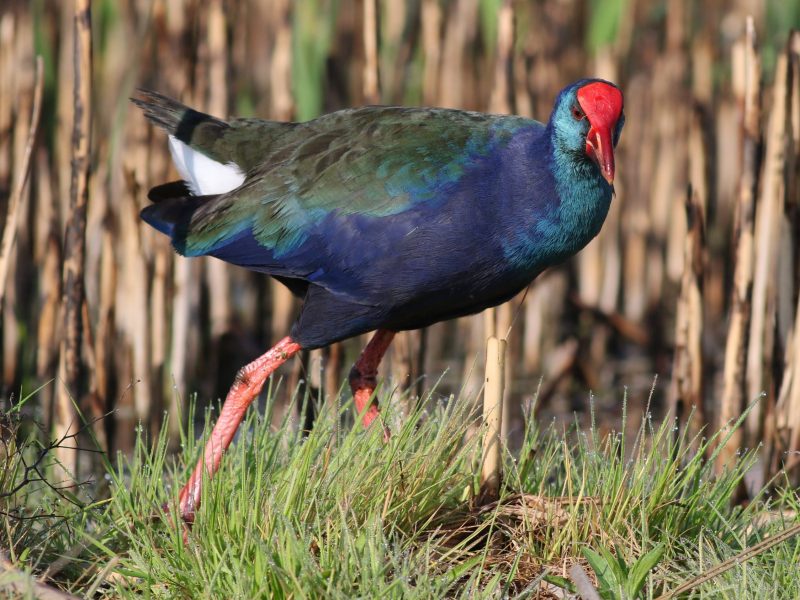
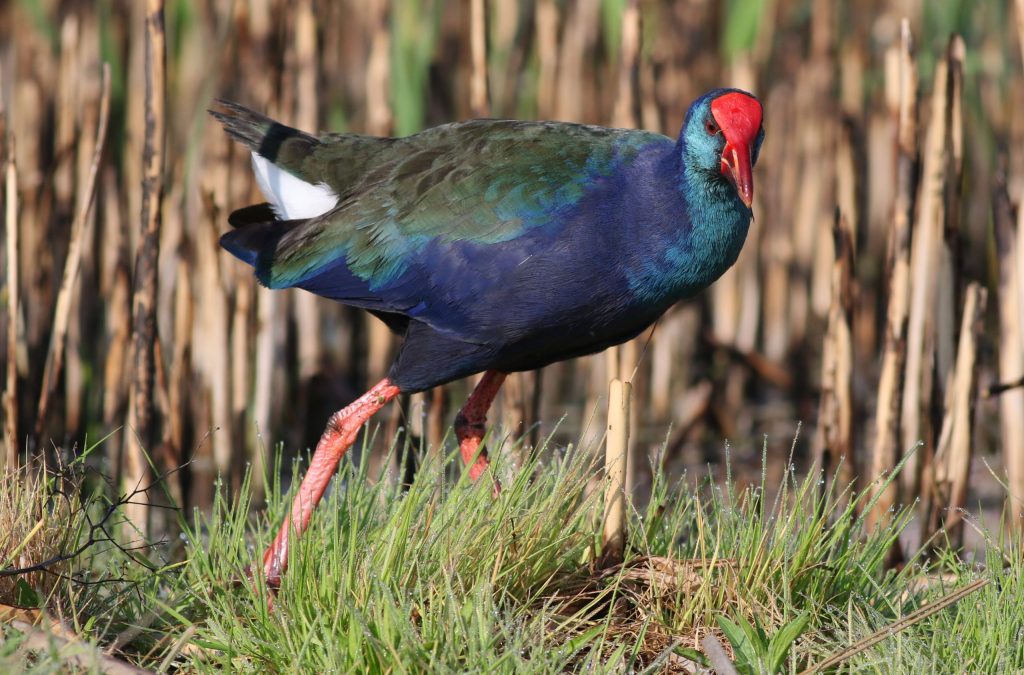
Habitat diversity is a major reason East Africa attracts birders. Papyrus wetlands may support species that are rarely encountered in open savannah, while montane forests contain different bird communities from coastal woodland or dry-country scrub. Lakeshores can be useful for waterbirds, and riverine vegetation may attract species that are absent from nearby open plains. Visiting complementary habitats can therefore broaden a species list.
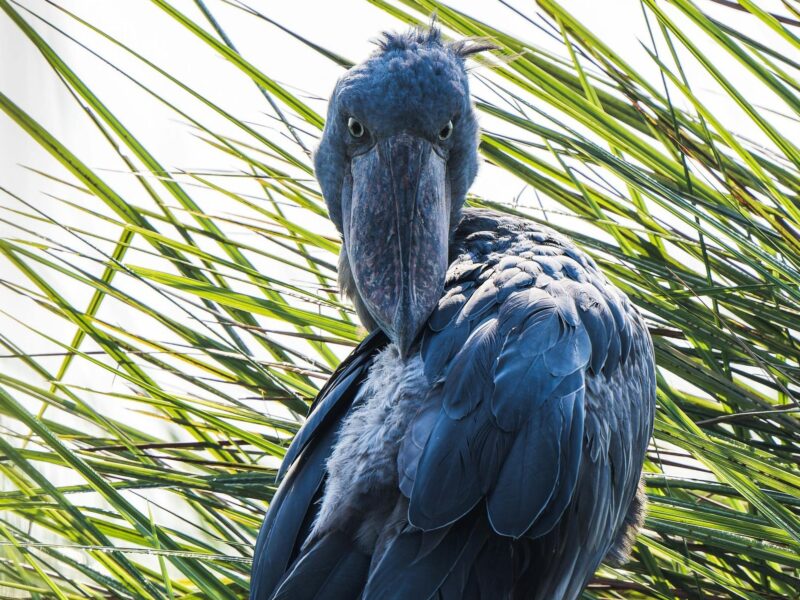
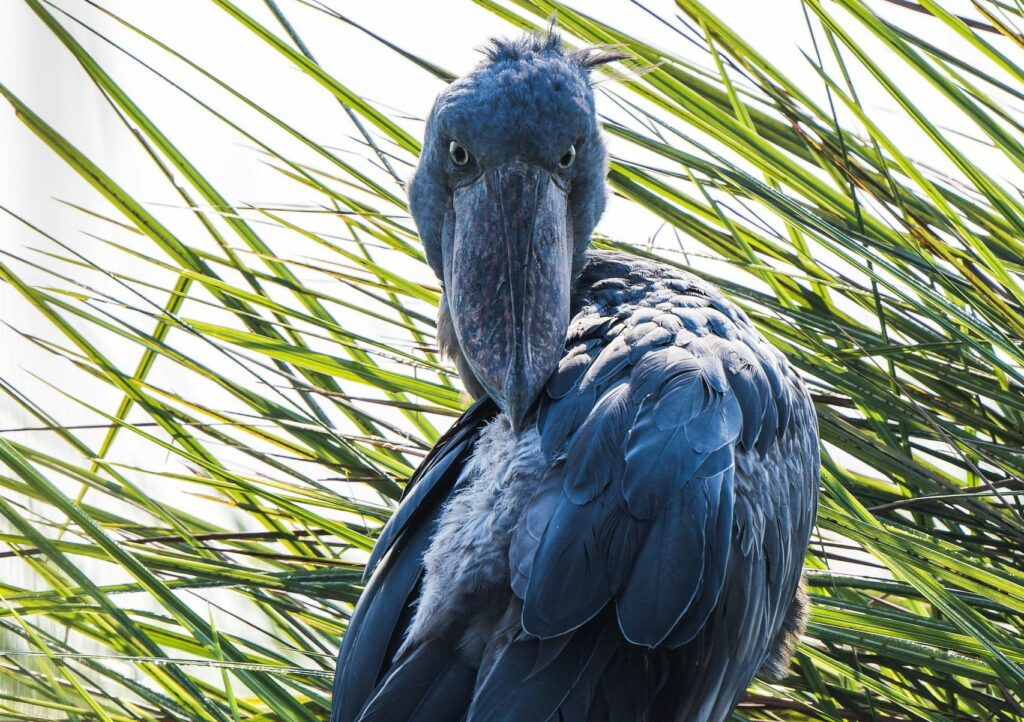
Uganda can combine shoebill-focused wetland visits with forest and savannah parks. Kenya offers Rift Valley lakes, grasslands, highland forests, dry-country areas, and coast. Rwanda combines montane forest and savannah habitats within a relatively compact country. Tanzania ranges from northern safari plains to mountains, wetlands, and coastal regions. Each country can offer a different mix, but the most useful combination depends on your target list and available time.
Do not choose destinations solely by the number of species advertised in general summaries. Ask which habitats are included, how much time is allocated to each, and whether the guide has experience with your target birds. Habitat quality and careful observation matter more than simply collecting park names.
How Does the Season Influence Bird Counts?
Season affects bird activity, breeding behaviour, rainfall, vegetation, water levels, and the presence of migratory species. During some periods, migrants add variety to the list. At other times, local conditions may make particular habitats more accessible or improve opportunities to observe resident birds. These effects differ by country, region, and species, so a general seasonal statement cannot predict the exact number of birds you will see.
Rain may make roads or trails harder to use, but it can also coincide with increased bird activity. Dry conditions can improve access in some areas, while changing water levels may alter the concentration of waterbirds. Weather during the actual trip matters as well as the broad season. A flexible schedule gives the guide more options when conditions change.
If you have a target list, share it before choosing dates. A specialist can advise on likely habitats and seasonal patterns, while making clear that sightings remain uncertain. Current park access, trail conditions, and local guidance should be checked before departure.
How Important Is a Specialist Birding Guide?
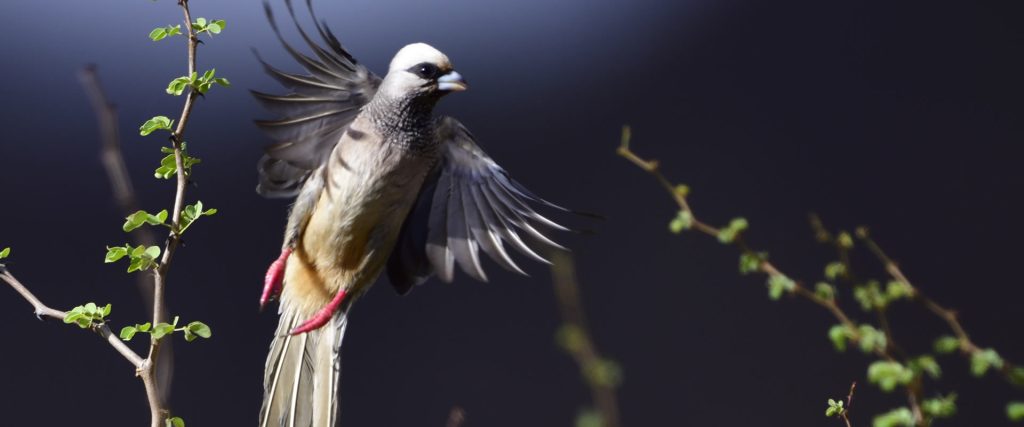
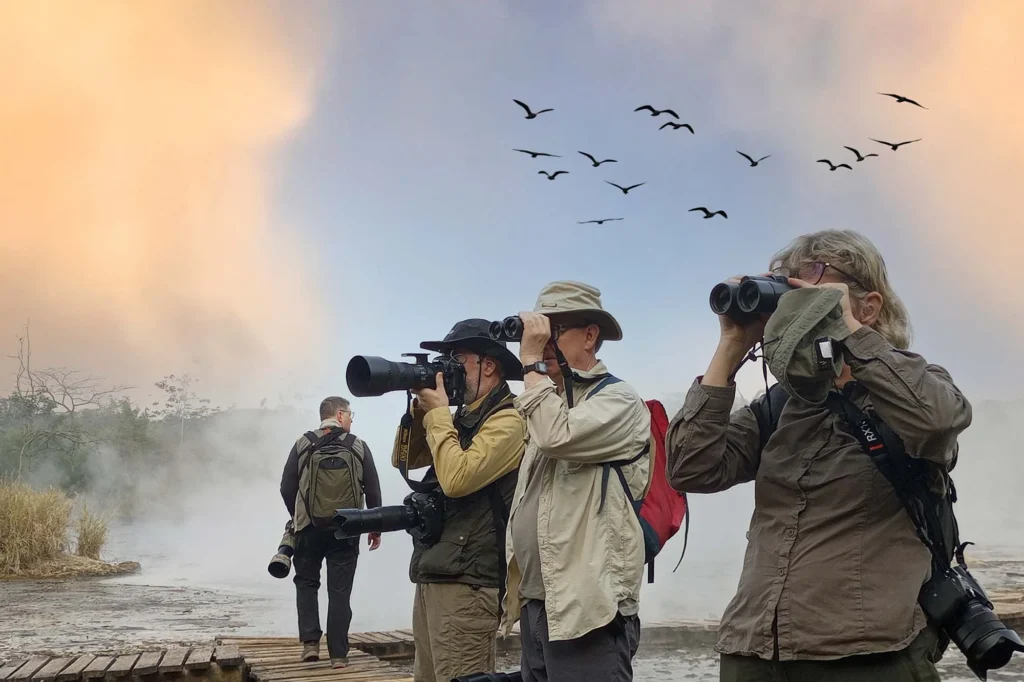
A specialist birding guide can make a major difference to what visitors notice and identify. Many birds are small, well camouflaged, high in the canopy, or easier to recognise by call than by sight. A guide with local knowledge can help interpret calls, understand habitat, and identify promising areas. They can also explain distinguishing field marks and help visitors avoid confusing similar species.
Guide expertise does not remove uncertainty. Even skilled guides cannot guarantee that a particular bird will appear, and some species may require repeated effort. Travellers should share their interests and experience level in advance so the guide can adapt the pace and level of detail. Beginners may need help learning basic identification, while experienced birders may want to concentrate on particular families or target species.
When comparing safari options, ask whether birding is the main focus or an additional activity on a general wildlife trip. Confirm the guiding arrangement and any extra cost for specialist services. Good guiding should support responsible observation, not disturb birds to create a sighting.
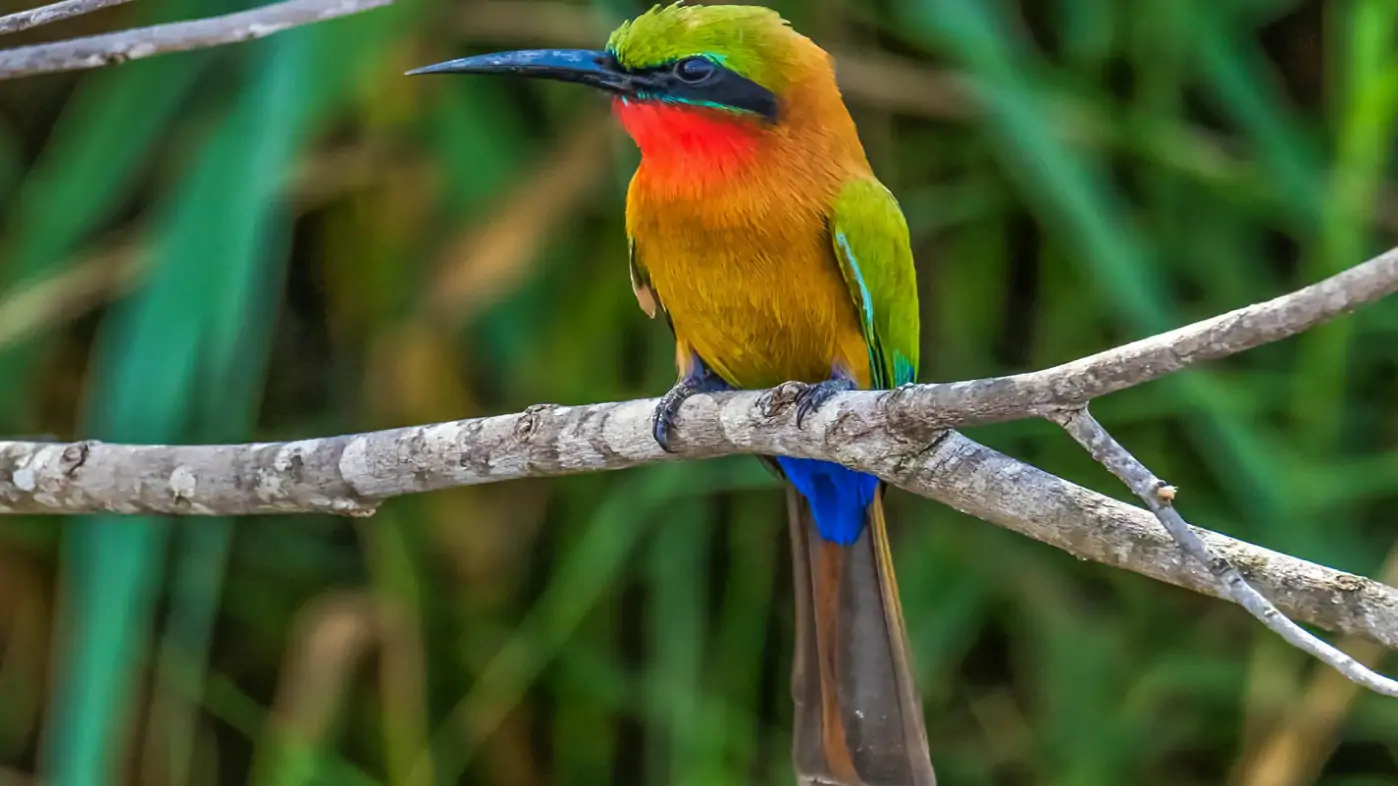
Birding Watching Safaris In Semuliki National Park
How Should You Set Realistic Expectations?
A realistic species target should consider the countries visited, trip duration, habitat range, season, and pace. Instead of asking only for a total, identify the experiences that matter most. You might prioritise the shoebill, Albertine Rift forest birds, migratory waterbirds, or a balanced mix of savannah and wetland species. A clear list helps the planner decide where to spend time.
Expect some uncertainty. Birds may be hidden by vegetation, absent from a site on a particular day, or difficult to identify under poor light. Weather and access can also change plans. A good safari includes alternatives and treats unexpected sightings as part of the adventure. It is better to record a smaller number of confirmed species than to make uncertain identifications just to increase the total.
Keep a field notebook or use a birding app to record location, date, habitat, and identification notes. Photographs can help review sightings later, but do not let equipment distract from observing responsibly. A species list is most valuable when it reflects careful, honest identification.
What Equipment Can Help You Record More Species?
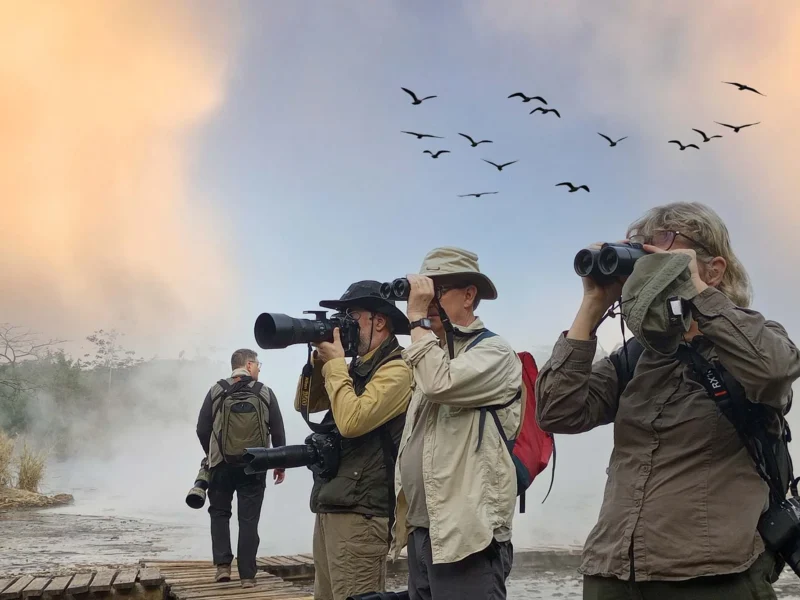
Binoculars are among the most useful tools for birding because they reveal details at a distance. A field guide or offline identification app, notebook, and camera can also support accurate records. A spotting scope may help with distant waterbirds or open habitats, although it can be less practical on steep forest trails. Bring spare batteries, memory cards, and charging equipment if using electronic tools.
Comfortable footwear, a waterproof jacket, sun protection, insect repellent, and water help you stay focused during long outings. Keep your equipment accessible without carrying more than you can manage. Learn how to adjust binoculars before departure, and familiarise yourself with the field guide or app you intend to use.
Equipment can improve observation, but it cannot replace time, patience, and good guidance. Avoid using audio playback or other methods that may disturb birds. Follow park rules and ask your guide before using any technique that could affect wildlife behaviour.
How Can Kaara Safari Adventures Ltd Plan Around Your Birding Goals?
Kaara Safari can help build an itinerary around your target species, desired checklist, trip duration, travel dates, and preferred pace. Tell the planner whether you are a beginner, an experienced birder, a wildlife photographer, or a traveller combining birds with other experiences. The route can then be designed to include suitable habitats and avoid unnecessary transfers.
Ask for a written itinerary that shows where you will stay, how much time is dedicated to birding, what guiding is provided, and which fees are included. Confirm exclusions, cancellation terms, and any permits required for additional activities. A species estimate should be presented as a planning expectation rather than a guarantee.
Responsible birding is essential. Choose guides who follow park regulations, avoid unnecessary disturbance, and respect local communities. With clear priorities and realistic expectations, you can enjoy the quality of the birding experience whether the final list is large or modest.
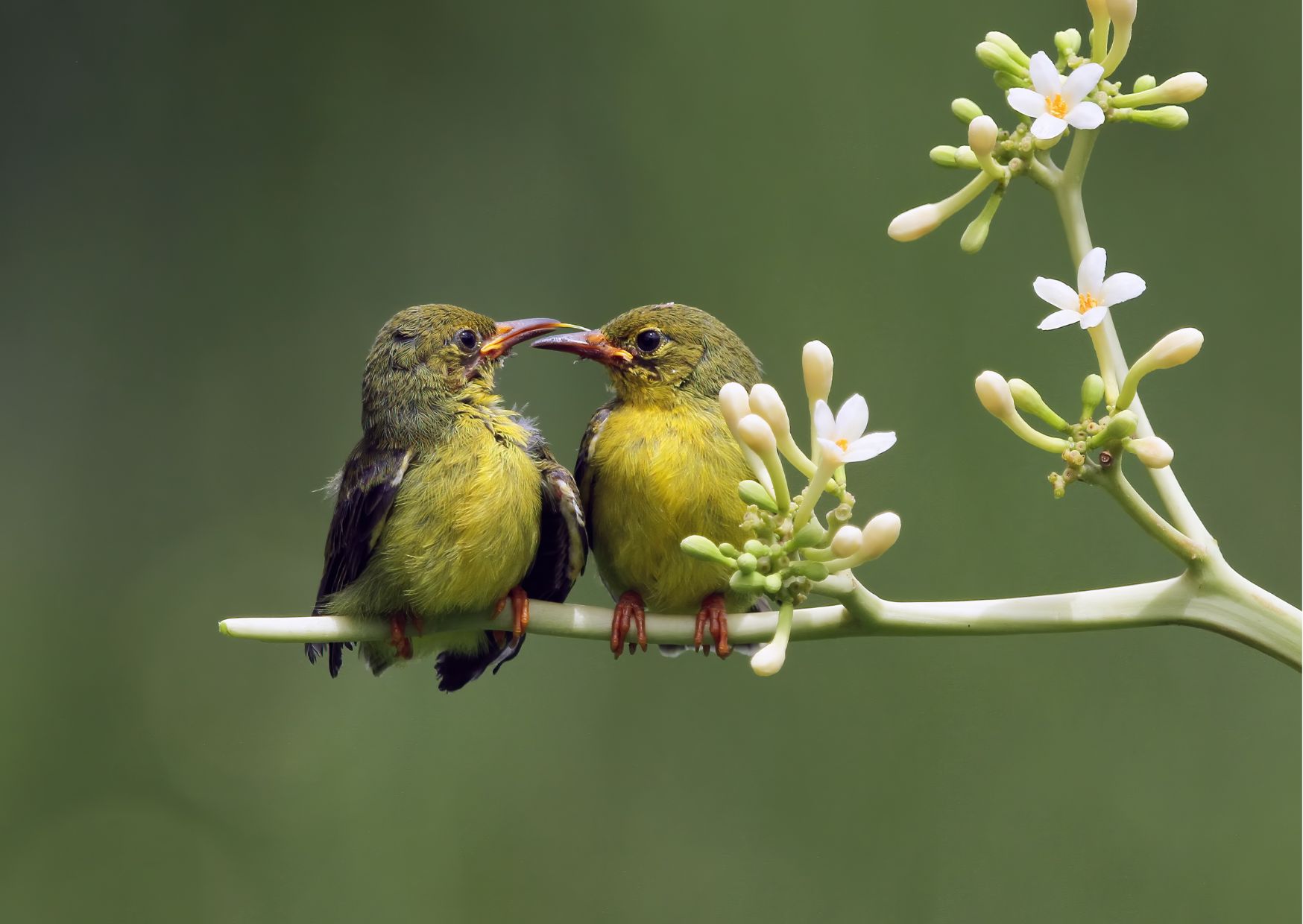
birding Safaris
Frequently Asked Questions About East African Bird Counts
Can an operator guarantee a certain number of species? No. Birds are wild, and the final count depends on habitat, weather, season, effort, and chance.
Will a longer safari always produce more species? More time can create more opportunities, but route quality and time spent birding are also important.
Should I focus on a target list or total count? Either approach can work. A target list helps shape the route, while a broad checklist suits travellers interested in many habitats.
Do beginners need a species target? No. Beginners can enjoy learning common birds and building identification skills during the trip.
Can I combine birding with game drives? Yes. Many East African parks support both birds and mammals, but the itinerary should reserve time for focused observation.
Plan a Birding Safari That Matches Your Goals
The number of bird species you may record on an East African birding safari depends on the length of your trip, habitats visited, season, guiding, and time spent observing. Uganda, Kenya, Rwanda, and Tanzania offer complementary environments, but a successful itinerary should prioritise suitable locations over a rushed list of destinations.
Kaara Safari Adventures Ltd can help shape a route around your target birds and travel style. Share your dates, experience level, and preferred activities, then review the proposed itinerary and inclusions carefully. A thoughtful plan gives you more chances to observe birds responsibly while keeping expectations realistic.