What Binoculars Are Best for Birdwatching in Uganda, Kenya, Rwanda, and Tanzania?
October 28, 2026
Combining Birding Safaris with Wildlife Game Drives in East Africa
October 29, 2026
Which Migratory Birds Can You See During East African Safaris?
East Africa is an important destination for birds that move between regions during the year. Migratory species join resident birds in wetlands, lakes, forests, grasslands, and coastal habitats. Uganda, Kenya, Rwanda, and Tanzania can offer opportunities to observe seasonal visitors, although species and numbers vary by location and date. Rainfall, water levels, food availability, and migration timing all influence what birdwatchers may encounter. Planning around a broad seasonal window can help, but no itinerary can guarantee a particular sighting.
Which Migratory Birds Can You See During East African Safaris? Why do birds migrate to East Africa?
Some birds travel from Europe and northern Asia to spend the northern winter in Africa, while others move within Africa as seasons and water availability change. These movements help birds find food and suitable breeding or non-breeding habitats. Wetlands can attract waterbirds when water levels and feeding conditions are favourable. Open grasslands, woodland, and forest edges may also host seasonal visitors. Resident birds remain important throughout the year, so a good birding trip does not depend entirely on migrants.
When is the best time to look for migrants?
Many Palearctic migrants are present in parts of East Africa during the northern winter, broadly from around October to April, but arrival and departure dates differ among species and locations. Some birds pass through rather than staying for an extended period. Local rains can change habitat conditions and influence where birds gather. Before travelling, ask a local guide about recent sightings and the likely seasonal pattern for your chosen destinations.
Which habitats are worth exploring?
Wetlands and lake margins can support waders, waterfowl, and other species that feed in shallow water or along muddy edges. Savannahs and open farmland may attract swallows, pipits, wagtails, and other open-country birds. Woodlands and forest edges provide different feeding opportunities. Coastal areas in Kenya and Tanzania can be especially interesting for shorebirds and other coastal species. The best route depends on the habitats and target birds you want to explore.
Can you see migratory birds in Uganda and Rwanda?
Yes. Uganda’s wetlands, lakeshores, grasslands, and forest margins can host seasonal migrants alongside a large variety of resident species. Rwanda’s wetlands, lakes, and highland environments also offer varied birding opportunities. The exact species depend on the site and time of year. A local guide can help you choose suitable locations and distinguish seasonal visitors from similar resident birds.
What about Kenya and Tanzania?
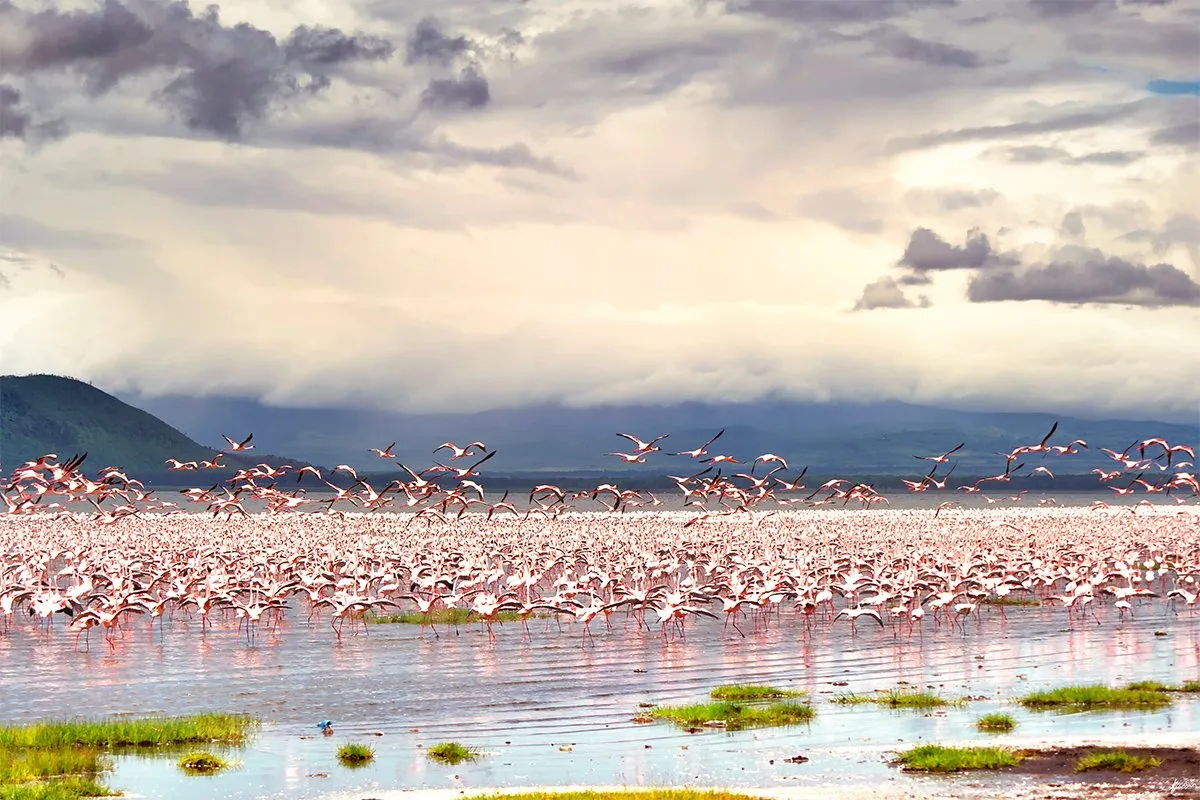
Kenya and Tanzania offer a wide range of habitats, from highland lakes and savannah plains to woodland, wetlands, and coastal zones. These environments can support migrants from different ecological groups. The Great Rift Valley’s lakes are known for important birdlife, but bird abundance and visibility can change with rainfall and water conditions. For a targeted trip, discuss recent local reports and the length of time you can spend at each site.
How should you plan a migrant-focused safari?
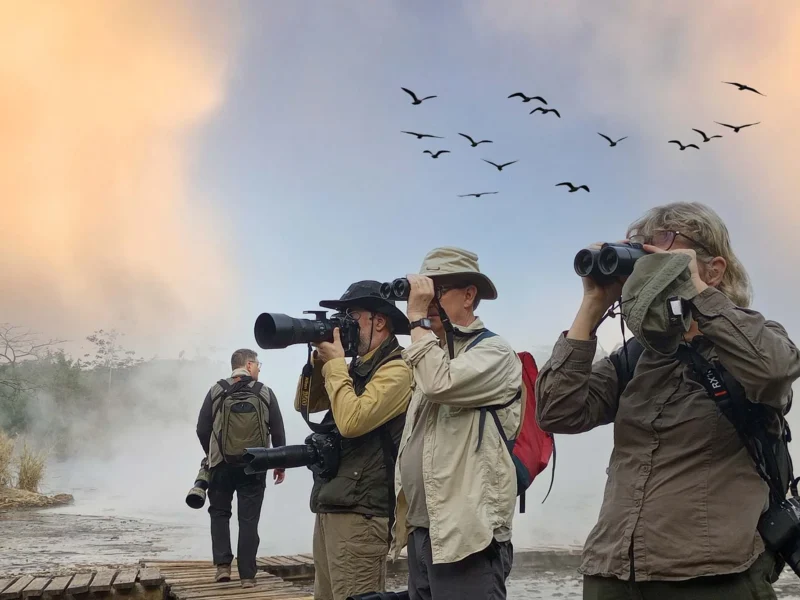
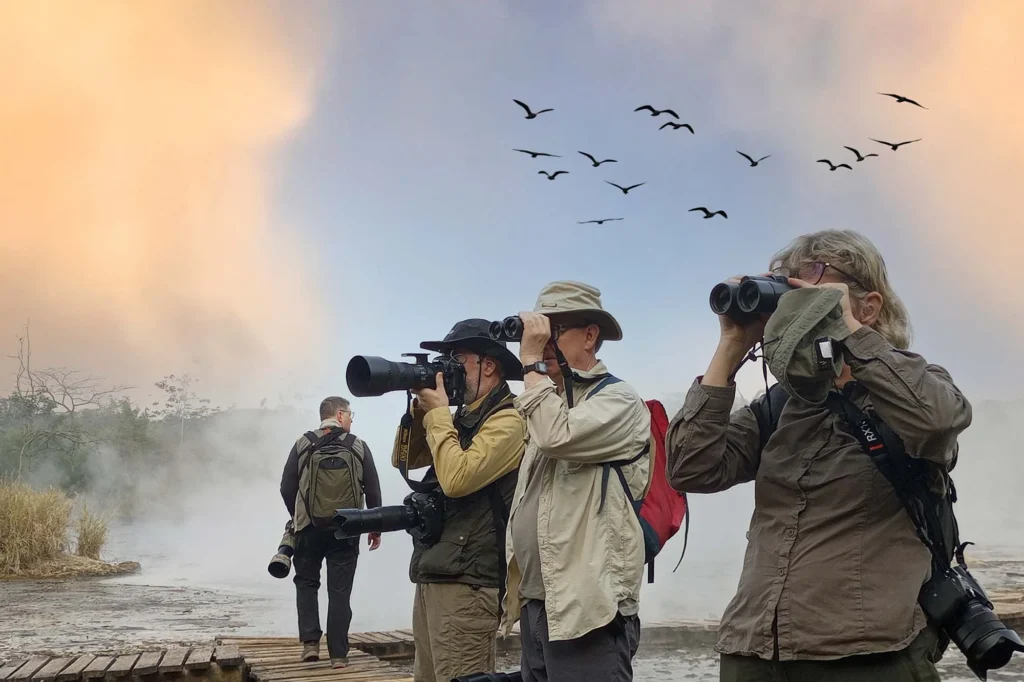
Choose a travel window that fits the likely presence of your target species, then build flexibility into the itinerary. Carry binoculars, a field guide, and a notebook or digital checklist. Ask your guide to explain seasonal movements and habitat changes. Responsible birding means keeping a respectful distance, avoiding playback when it could disturb birds, and never approaching nests. Check current access conditions and any park rules before setting out.
Frequently asked questions
Are migratory birds present all year? Some species are seasonal visitors, while resident birds remain throughout the year. Exact timing differs by species.
Does rain mean birding will be poor Not necessarily. Rain may affect comfort and access, but it can also change feeding conditions and bird activity.
Can I plan a trip around one migrant species? You can build an itinerary around a target, but wild sightings can never be guaranteed.
Do migrants occur only in wetlands? No. Migrants use a variety of habitats, including grassland, woodland, forest edges, and coastal areas.
What Is the Best Time for Bird Watching in Kenya and Tanzania?
Plan around seasons and habitats
A migratory birding safari is most rewarding when the route matches the habitats and seasonal movements of your target species. Kaara Safari Adventures Ltd can help you discuss birding opportunities in Uganda, Kenya, Rwanda, and Tanzania and shape an itinerary around your interests and travel dates. Confirm the likely seasonal conditions before booking, and remain open to unexpected sightings along the way.