Can You Identify Birds by Their Calls During an East African Safari?
October 29, 2026
Is the Rainy Season a Good Time for Birding Safaris in East Africa?
October 29, 2026
What Are the Best Bird Photography Tips for an East African Safari?
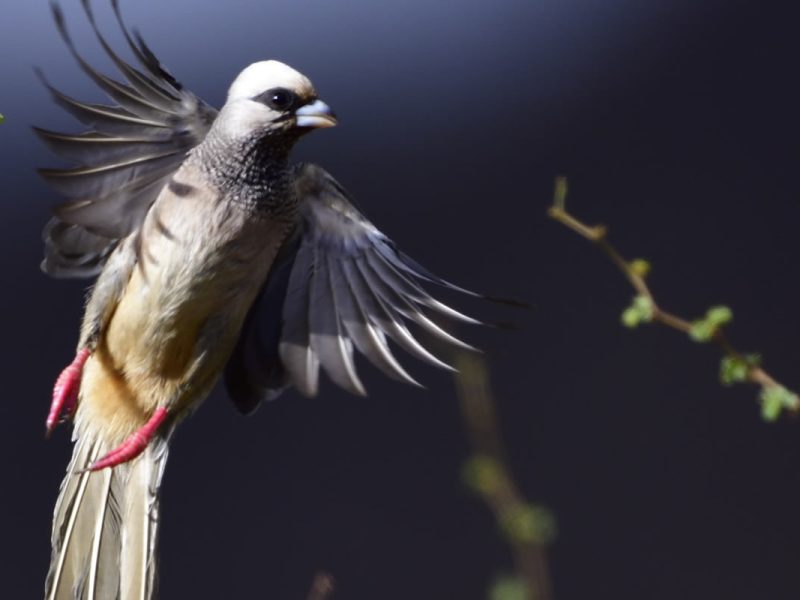
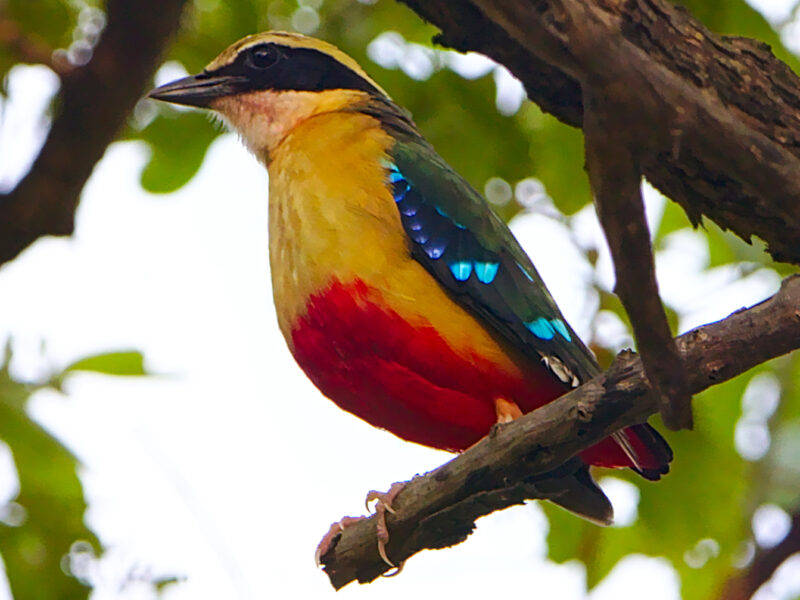
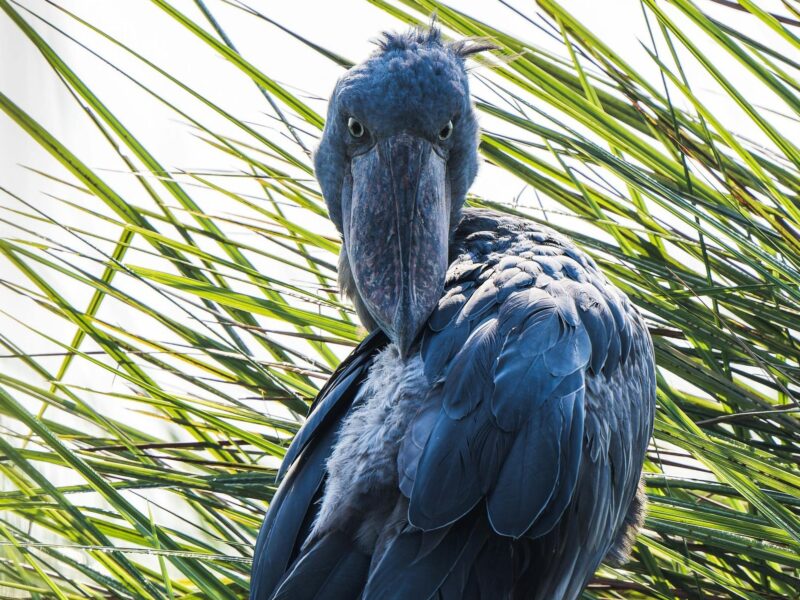
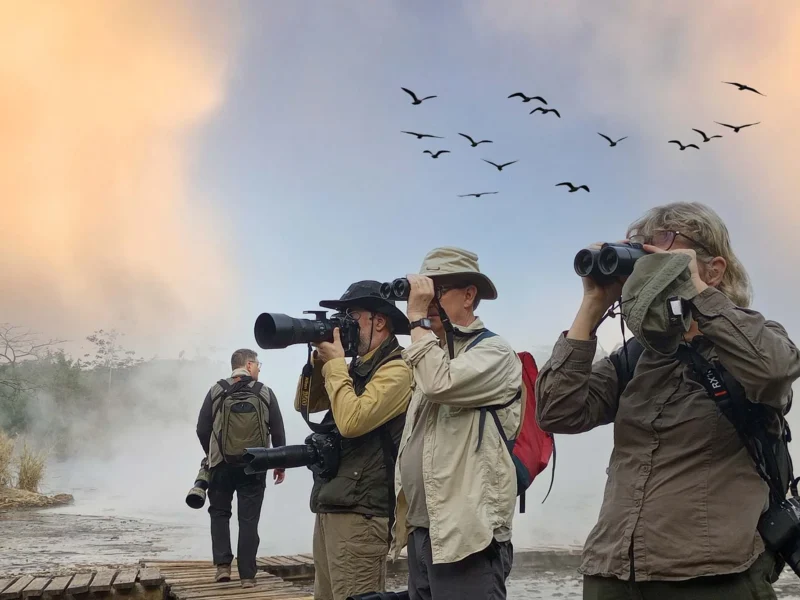
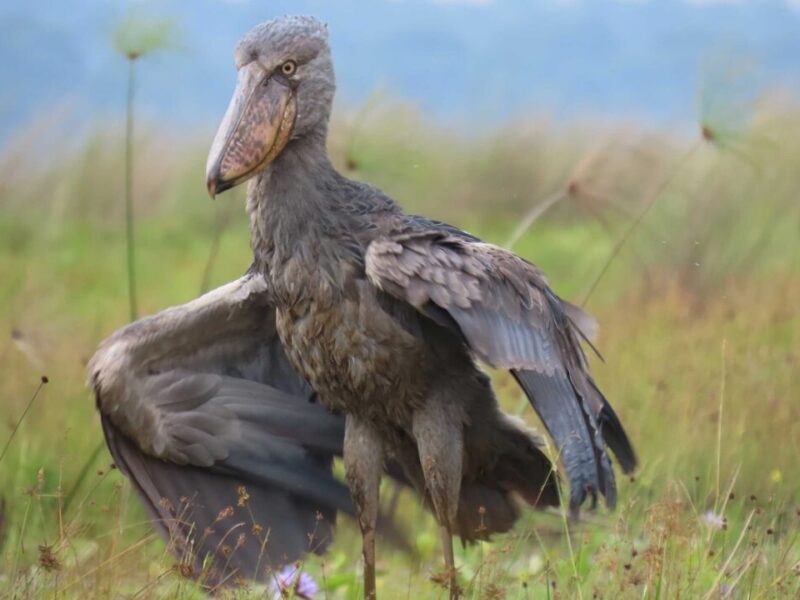
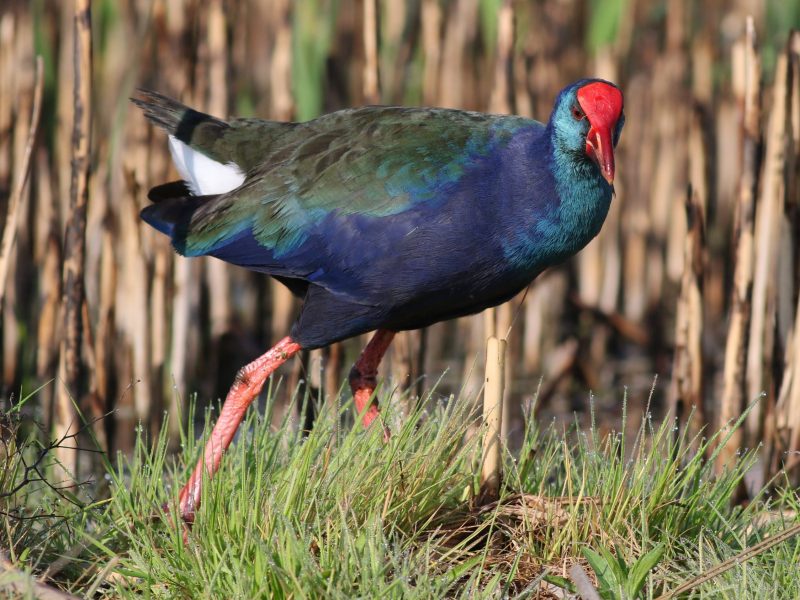
Bird photography can preserve memorable details from a safari, from a kingfisher perched near water to a raptor gliding above open plains. East Africa offers varied light and habitats, so preparation helps you make the most of each outing. You do not need the largest camera or longest lens to enjoy the activity. Learn your equipment, observe patiently, and prioritize the bird’s welfare over the photograph. Uganda, Kenya, Rwanda, and Tanzania all offer opportunities for bird photography in suitable locations.
What camera and lens should you use?
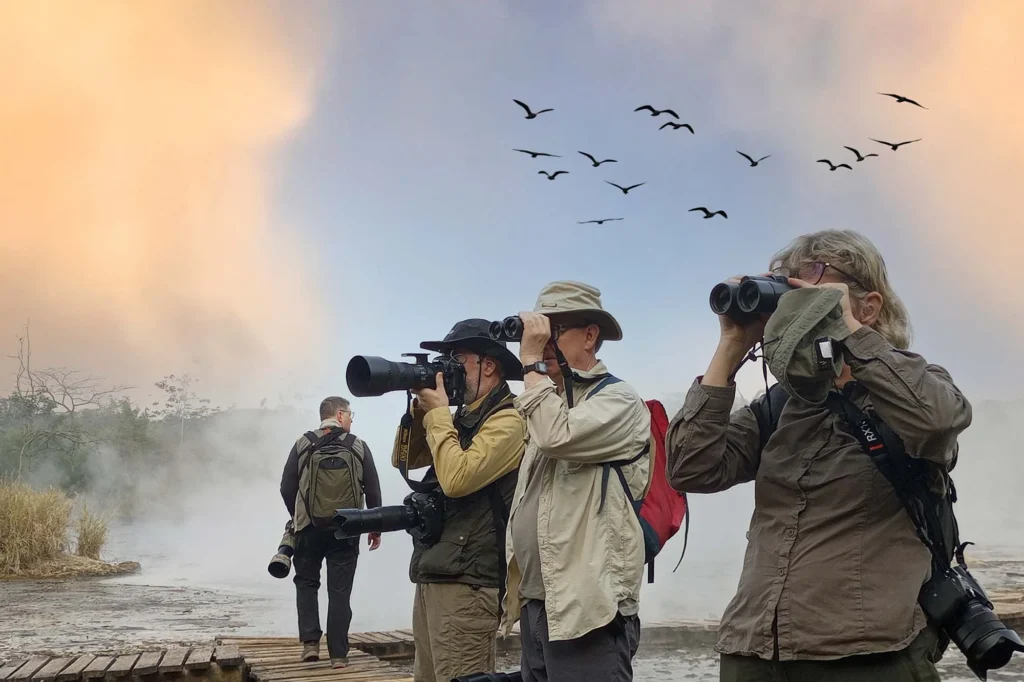
A camera with reliable autofocus and a telephoto lens can help you photograph birds while maintaining a respectful distance. A zoom lens offers flexibility when subjects move or appear at different distances. If you use a phone or compact camera, concentrate on nearby subjects and enjoy the experience rather than expecting every bird to fill the frame. Bring spare batteries, memory cards, and a protective bag. Test your equipment before departure so you are not learning every control in the field.
How do light and shutter speed affect images?
Early morning and late afternoon often provide softer light, though the best conditions depend on weather and habitat. Birds move quickly, so a faster shutter speed can help freeze movement. You may need to raise ISO when light is limited, accepting some image noise to avoid motion blur. Use continuous autofocus or subject tracking if your camera supports it. Practise on common birds before trying to photograph fast-moving or distant species.
How can you compose a stronger photograph?
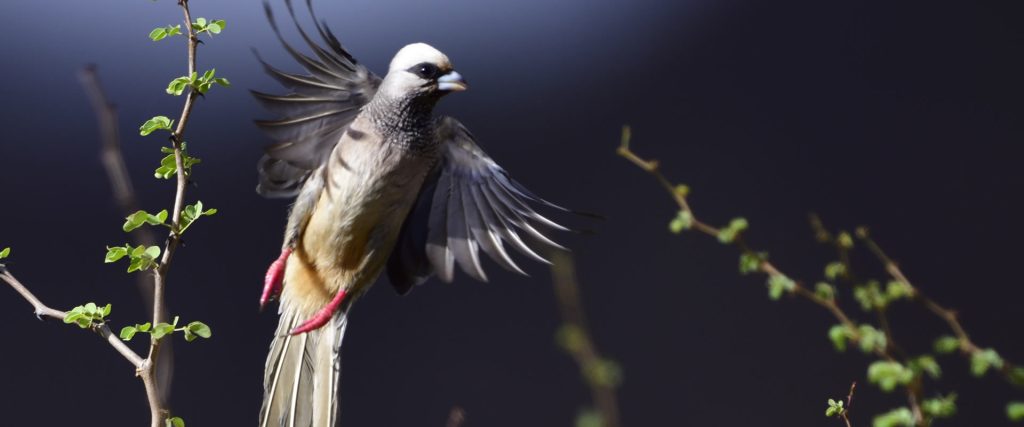
Try to keep the bird’s eye sharp and leave some space in the direction it is facing. A clean background can make the subject stand out. Change your angle when it is safe and permitted, but do not leave paths or approach sensitive areas just to improve a composition. Look for natural behaviour, such as feeding or perching, rather than forcing a pose. A series of thoughtful images can tell a stronger story than hundreds of rushed frames.
What gear helps in dusty or wet conditions?
A padded camera bag, rain cover, lens cloth, and dry bag can protect equipment. Dust can enter the camera when lenses are changed, so minimize changes in exposed areas. Keep batteries warm in cool highland conditions and store spares safely. A beanbag can support a long lens from a vehicle when permitted, while a tripod or monopod may help at a fixed viewing site. Follow park and guide instructions when photographing from vehicles or boats.
How do you photograph birds ethically?
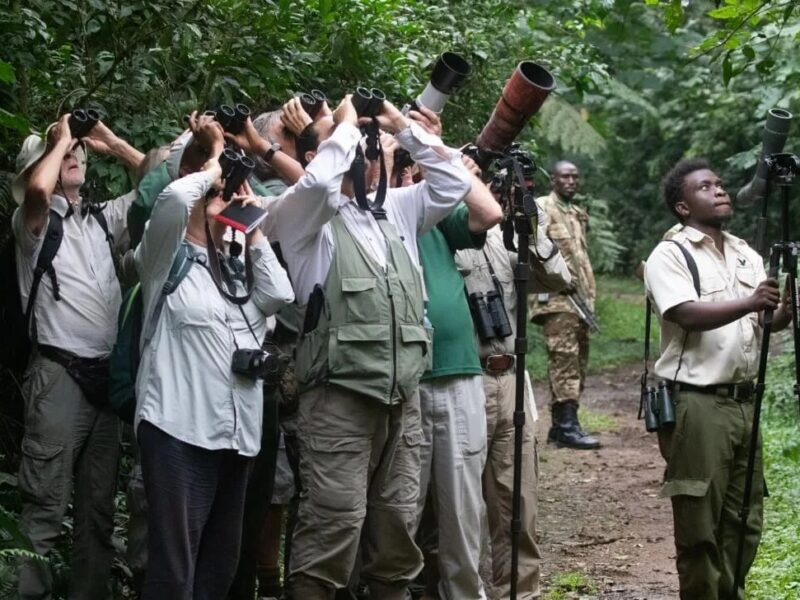
Never disturb nests, chase birds, block their routes, or approach so closely that they change their behaviour. Avoid using flash when it may distress wildlife, and do not use recorded calls to provoke a response. Stay on authorized routes and follow your guide’s instructions. If a bird repeatedly calls in alarm, flies away, or shows signs of stress, stop and give it space. A respectful encounter matters more than a close-up image.
Can you combine photography with game viewing?
Yes. A combined itinerary can include bird photography during game drives, boat excursions, and guided walks where permitted. Tell your operator if photography is a priority because you may need longer stops, flexible timing, and space for camera equipment. Travellers focused on a particular species may benefit from dedicated sessions. If you are travelling with others, agree on a pace that balances photography with their interests and comfort.
Frequently asked questions
Do I need a professional camera? No. Use equipment you know well and focus on observation and technique.
Which settings should I use? Settings depend on light, subject movement, lens, and camera. Practise autofocus and shutter-priority or manual exposure before the trip.
Can I get close to birds for a photo? Maintain a respectful distance and never disturb wildlife for a photograph.
Should I bring a tripod? It can help in some settings, but a monopod, beanbag, or handheld technique may be more practical on a mobile safari.
Capture memories responsibly
The best bird photographs begin with patience and respect for wildlife. Prepare your equipment, practise before departure, and remain flexible as light and animal behaviour change. Kaara Safari Adventures Ltd can help you plan a birding or wildlife photography safari in Uganda, Kenya, Rwanda, or Tanzania according to your target species and travel style.