What Are the Best Birding Destinations in Uganda?
November 5, 2026
Difference Between a Birding Safari and a Wildlife Safari
November 5, 2026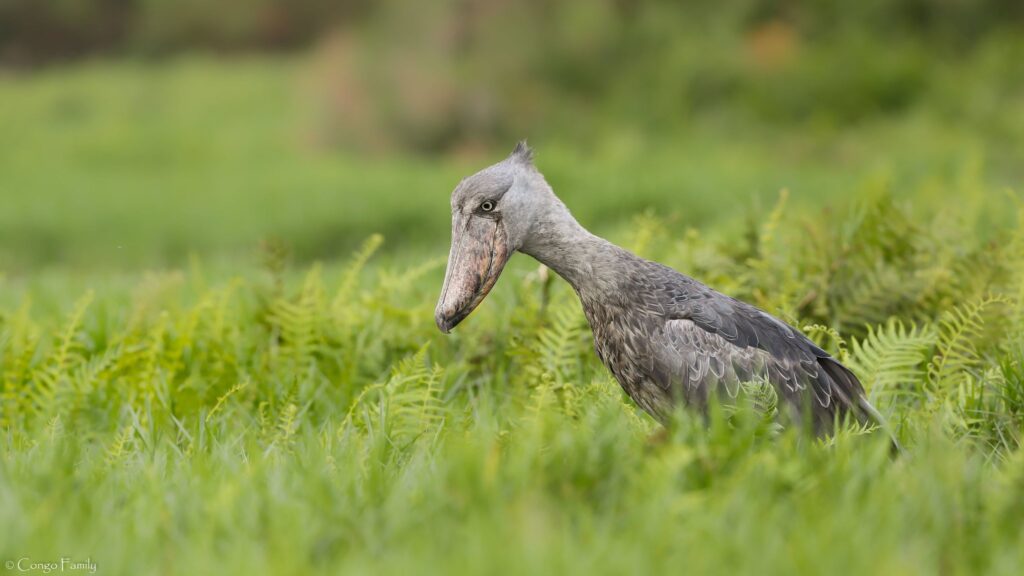
Can You See the Shoebill Stork on a Safari in East Africa?
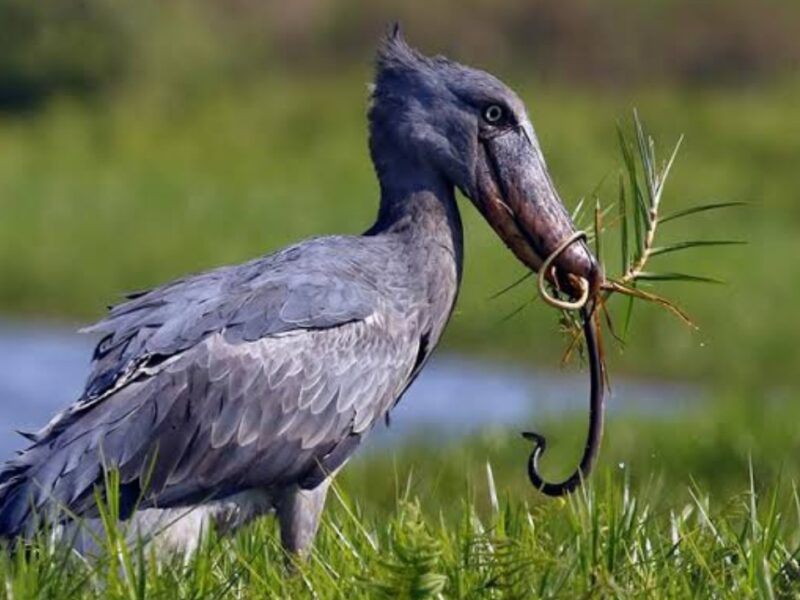
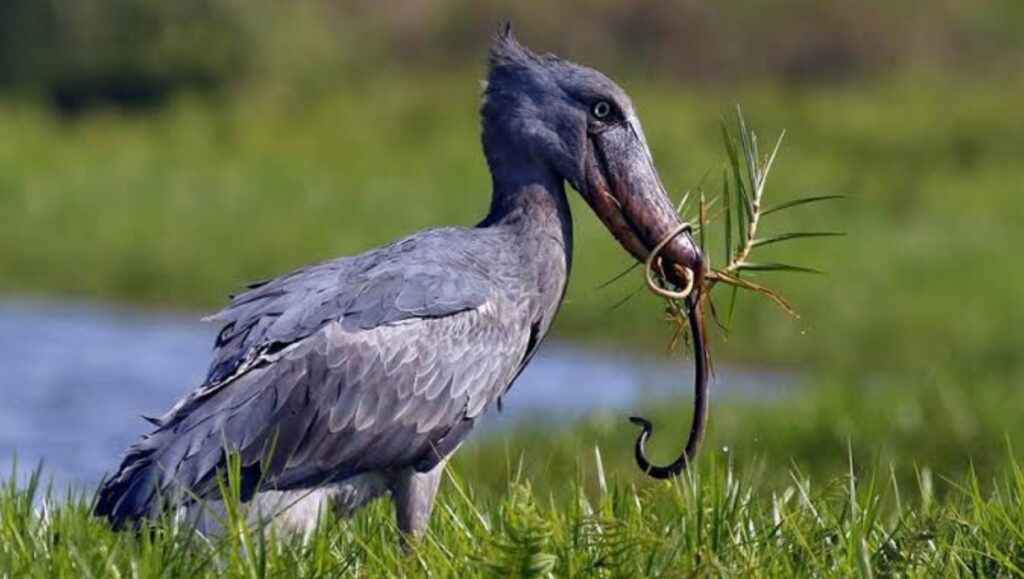
The shoebill stork is one of Africa’s most distinctive birds, recognised by its large shoe-shaped bill, tall frame, and patient hunting style. For many birdwatchers, seeing one in the wild is a highlight of an East African safari. Shoebills depend on suitable wetland habitat, so successful planning means choosing an appropriate location, allowing enough time, and visiting with guides who understand local conditions. Even at well-known sites, sightings are not guaranteed. Responsible behaviour is essential because wetland ecosystems and the birds that depend on them can be sensitive to disturbance.
What makes the shoebill so special?
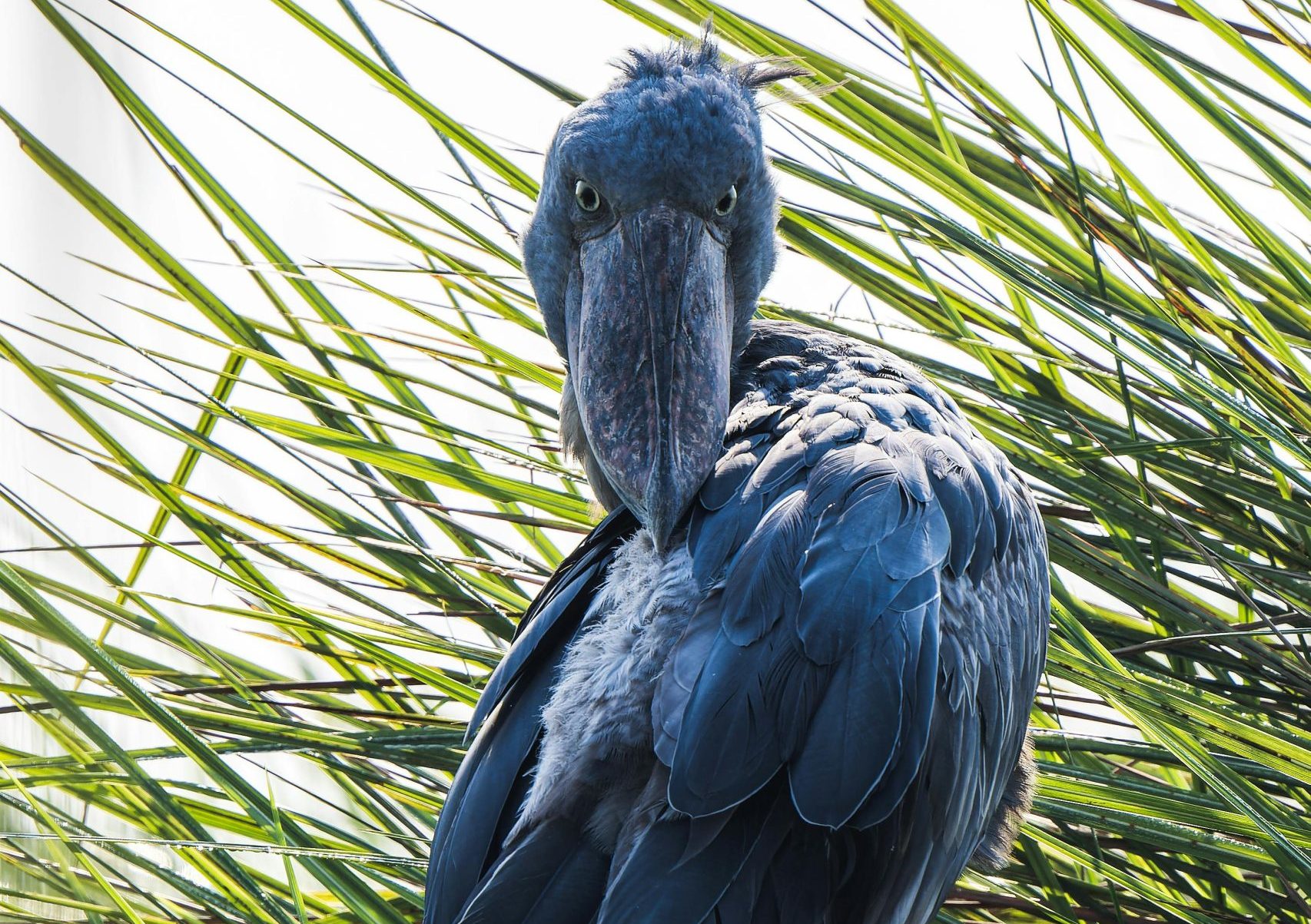
The shoebill has a powerful, broad bill and often stands motionless while waiting for prey in shallow water. Its unusual appearance makes it easy to recognise when seen clearly, but the bird can be difficult to locate among reeds and papyrus. Shoebills are associated with freshwater wetlands and often favour areas where fish and other prey are available. Their specialised habitat requirements make wetland conservation important. A sighting should be treated as a privilege rather than something to be demanded from a guide or guaranteed by an operator.
Where are the best places to search?
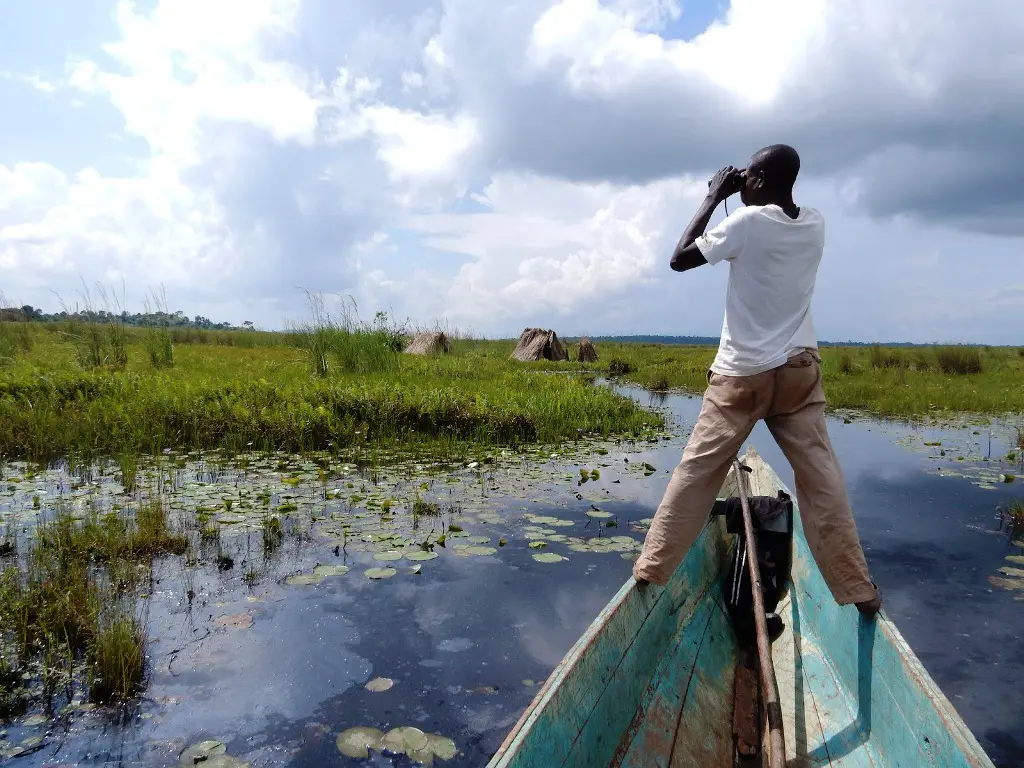
Uganda is one of the best-known East African destinations for shoebill searches, particularly Mabamba Bay wetland near Lake Victoria. Guided boat excursions travel slowly through wetland channels while the guide scans suitable areas. Other wetlands in the region may also support shoebills, but availability, access, and sighting likelihood vary by location and season. Before travelling to a site, ask a local operator about current conditions, the expected duration of the excursion, and any community or conservation rules.
What happens during a shoebill excursion?
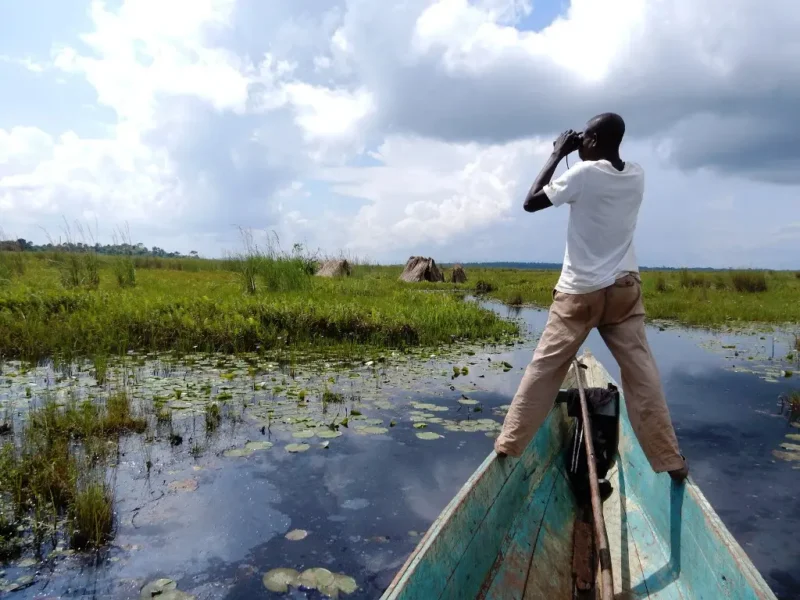
A typical wetland outing begins with a briefing about the route, safety, and responsible wildlife viewing. Visitors travel by boat through appropriate channels, keeping noise low while the guide watches for birds. The shoebill may be standing still, partly hidden, or far enough away that binoculars are useful. If a bird is found, follow the guide’s directions and avoid crowding it. Boat routes, water levels, and trip length can change with conditions, so allow flexibility in your schedule.
When is the best time to go?
The best time depends on the wetland, water levels, weather, and the behaviour of the birds. Early starts are often practical because they provide cooler conditions and leave room for other activities later in the day. However, no particular month or time guarantees a shoebill sighting. Ask local guides about seasonal conditions close to your travel date, and consider leaving a buffer in the itinerary if seeing a shoebill is a major priority.
How can you photograph a shoebill responsibly?
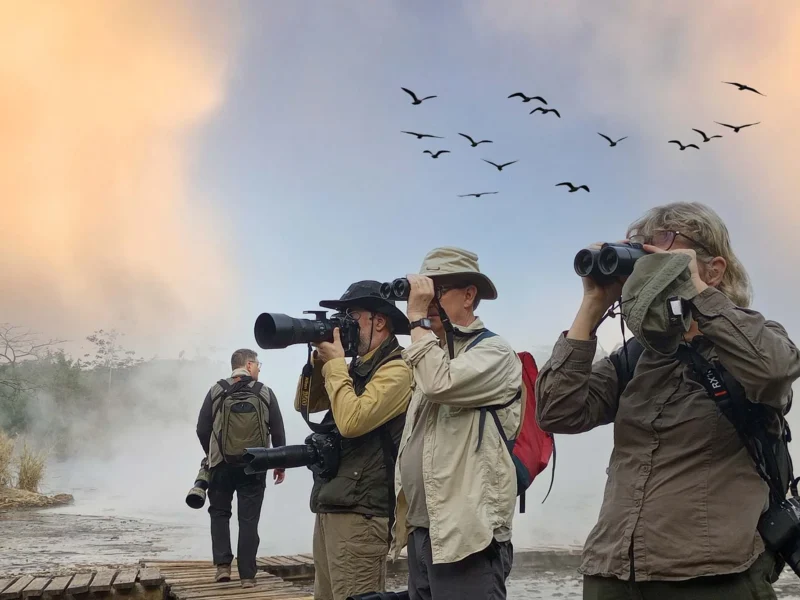
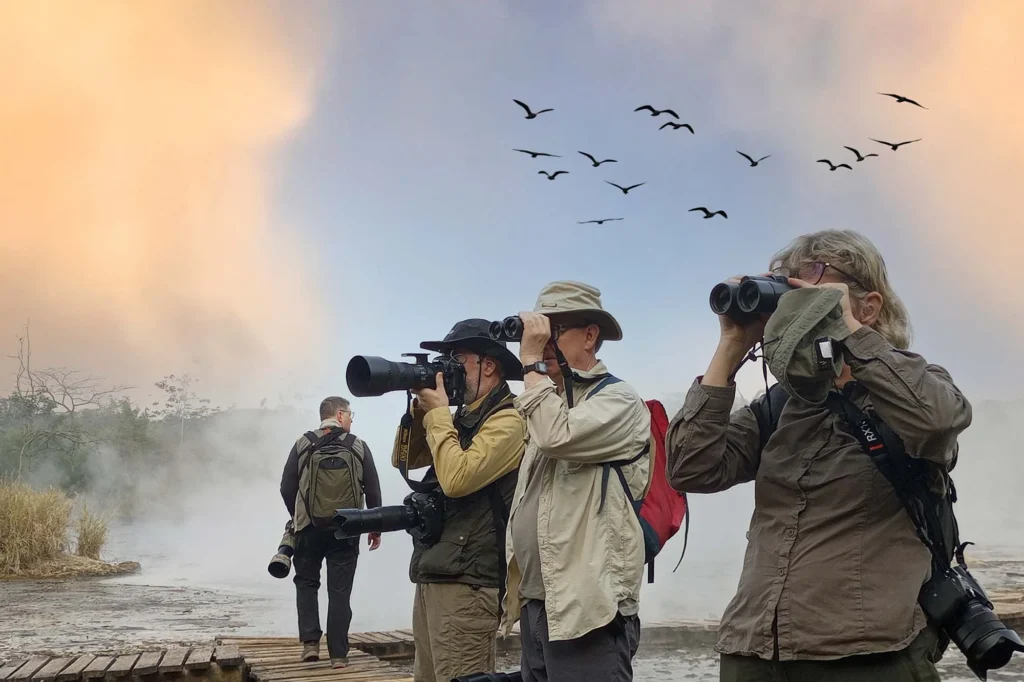
Use binoculars to locate the bird before preparing a camera. A telephoto lens can help you take photographs without approaching too closely. Keep voices low, avoid sudden movement, and never ask a boat operator to pursue or corner the bird. Follow instructions about where the boat may stop and how long visitors may remain. Do not use flash if it could disturb wildlife, and avoid sharing sensitive location details if they could expose a vulnerable site to unmanaged visitation.
What should you bring?
Bring binoculars, a camera if desired, a hat, sun protection, drinking water, and a light rain jacket. Protect electronics from splashes and humidity. Wear practical clothing suitable for a boat trip and follow any advice about footwear. A field guide or offline bird identification app can help you recognise other wetland species encountered during the excursion. Above all, bring patience: observing the habitat and its other birds can make the trip worthwhile even if the shoebill remains out of sight.
Frequently Asked Questions
Is a shoebill sighting guaranteed at Mabamba?
No. Mabamba is a well-known search location, but shoebills are wild birds and may not be visible during a particular visit.
How long should I allow for a shoebill trip?
Allow enough time for transfers, the guided boat excursion, and possible delays. Ask your operator for a schedule based on your accommodation and travel plans.
Can children join a shoebill excursion?
This depends on the boat operator, safety arrangements, and the child’s ability to follow instructions. Confirm age and safety requirements before booking.
Can I combine shoebill watching with other activities?
Yes. It can fit into a broader Uganda itinerary with birding, wildlife viewing, or cultural activities, provided transfer times are realistic.
 Plan Your Safari
Ask Kaara Safari Adventures Ltd about adding a guided shoebill search to your East African birding itinerary, with realistic expectations and responsible wetland viewing.