How Do You Plan a Multi-Country Birding Safari in East Africa?
November 3, 2026
What Is the Big Five Safari and Where Can You See Them?
November 4, 2026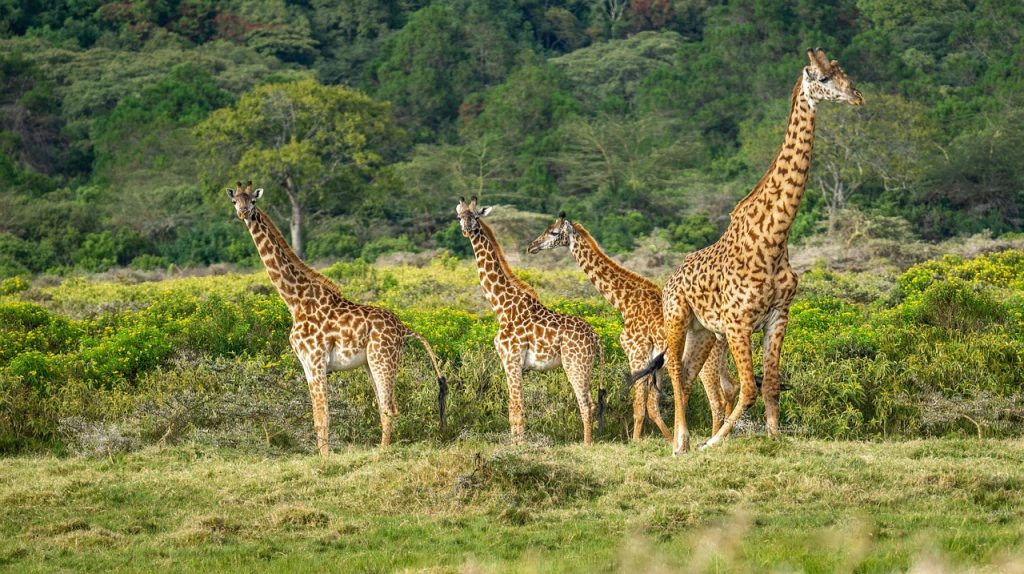
What Animals Can You See on an East African Wildlife Safari?
An East African wildlife safari can introduce travellers to a remarkable variety of animals, from large savannah mammals to forest primates and wetland specialists. The species you see depend on the countries and parks visited, the season, the habitats explored, and simple chance. Some travellers focus on the Big Five, while others hope to see giraffes, zebras, hippos, crocodiles, monkeys, or birds. A well-designed itinerary combines realistic expectations with enough time in each habitat to observe wildlife without rushing.
Which animals make up the Big Five?
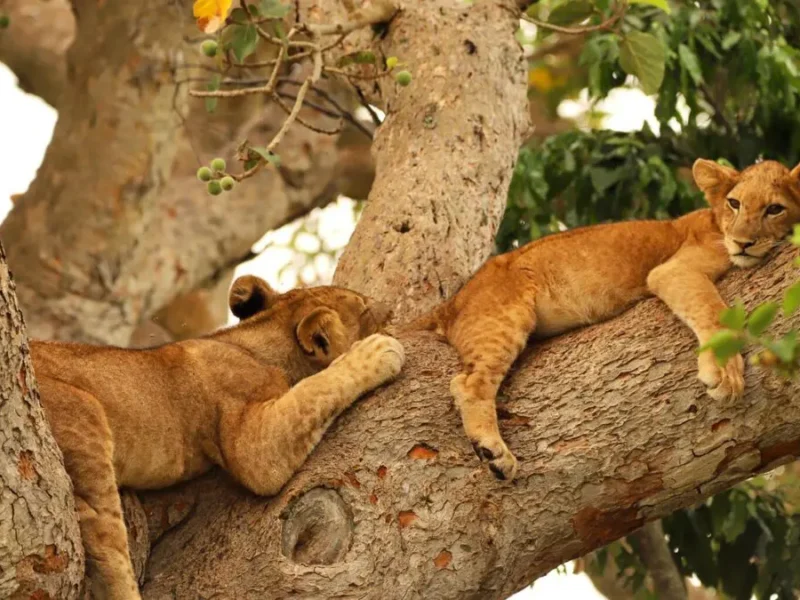
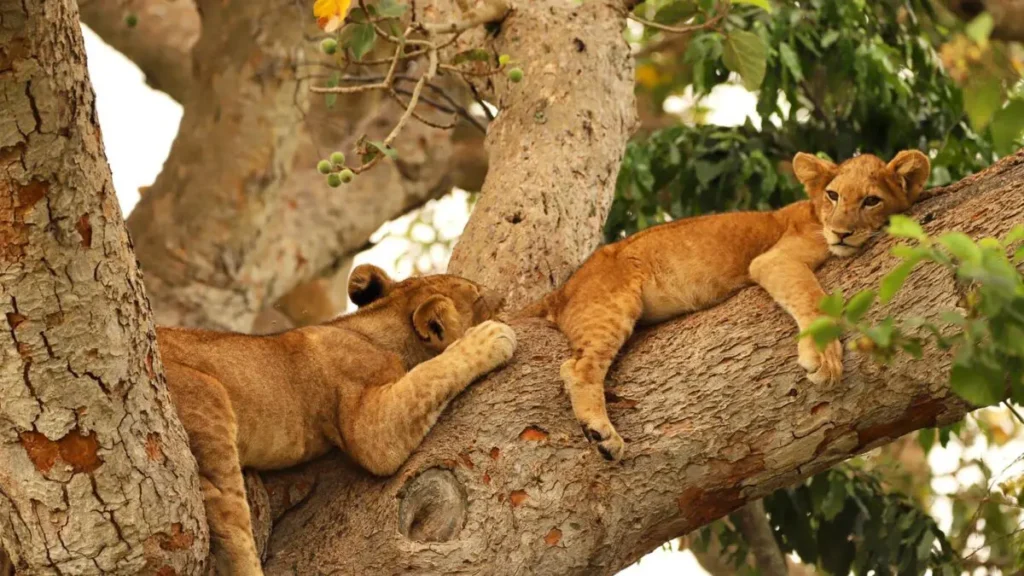
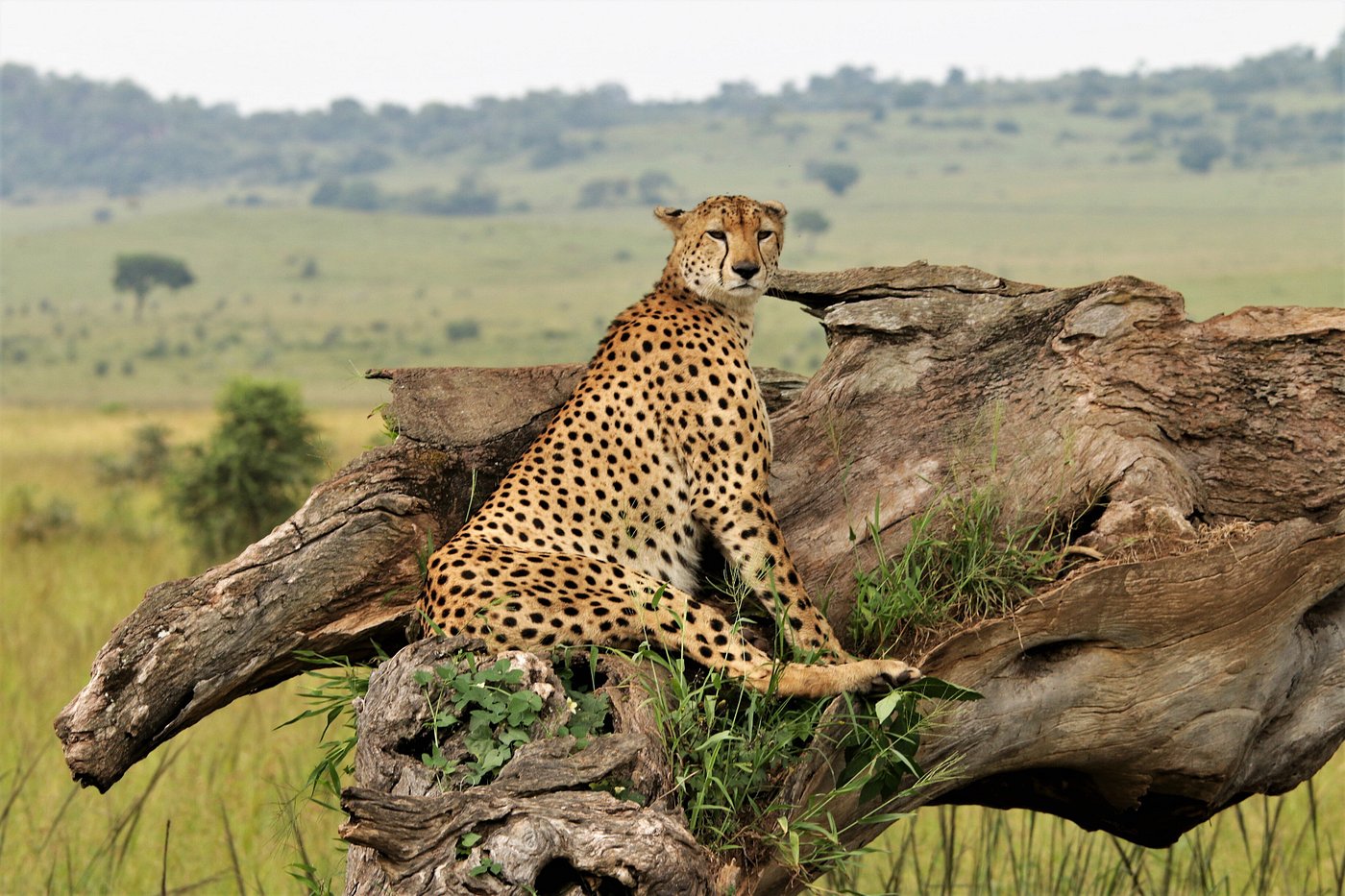
The traditional Big Five are lion, leopard, elephant, rhinoceros, and African buffalo. The term originated in hunting history and is now widely used in photographic safari tourism. Different parks offer different chances of seeing these animals, and no operator can responsibly guarantee every species on a single trip. Rhino sightings may require visiting particular reserves or sanctuaries, while leopards can be elusive even in areas where they occur. Ask your safari planner which destinations best match your priorities.
What other savannah animals might you see?
Savannah habitats support giraffes, zebras, wildebeest, gazelles, impalas, topis, waterbucks, warthogs, hyenas, and many other species. The exact mix varies between ecosystems. In the Serengeti and Maasai Mara, seasonal movements of grazing animals can be a major attraction. Uganda’s savannah parks offer their own combination of antelopes, buffaloes, elephants, and predators. During game drives, guides may explain feeding behaviour, tracks, social groups, and how animals use the landscape.
Which primates live in East African forests?
Forest destinations offer opportunities to encounter mountain gorillas, chimpanzees, golden monkeys, and other monkey species, depending on the location. Gorilla trekking and chimpanzee tracking are regulated activities that may require permits, age limits, briefings, and physical effort. Sightings and the length of time spent searching can vary. Visitors should follow ranger instructions, maintain required distances, and avoid touching or feeding primates. If primate encounters are a priority, organise permits and travel logistics well in advance.
What wildlife lives around lakes and wetlands?
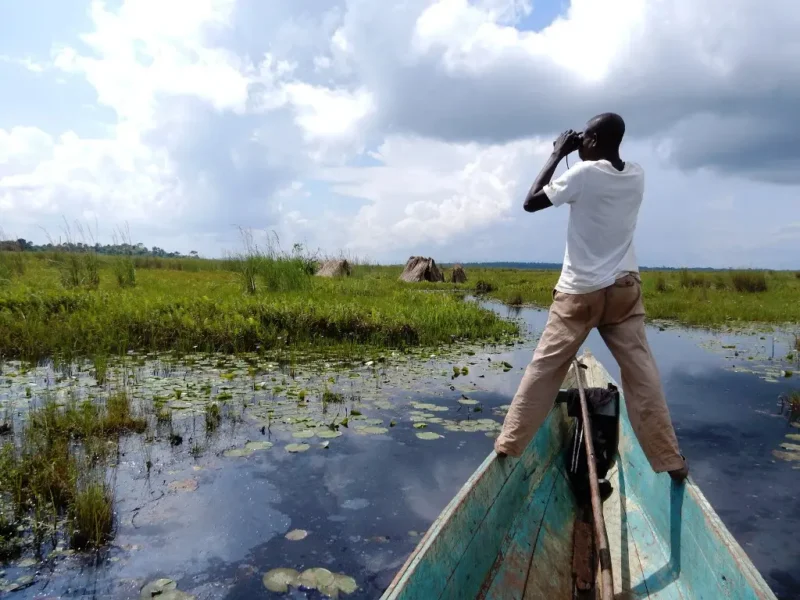
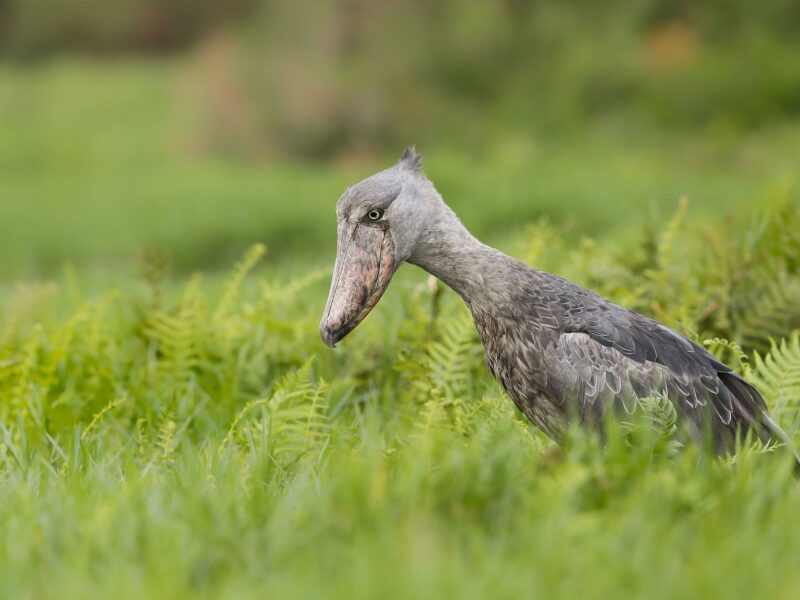
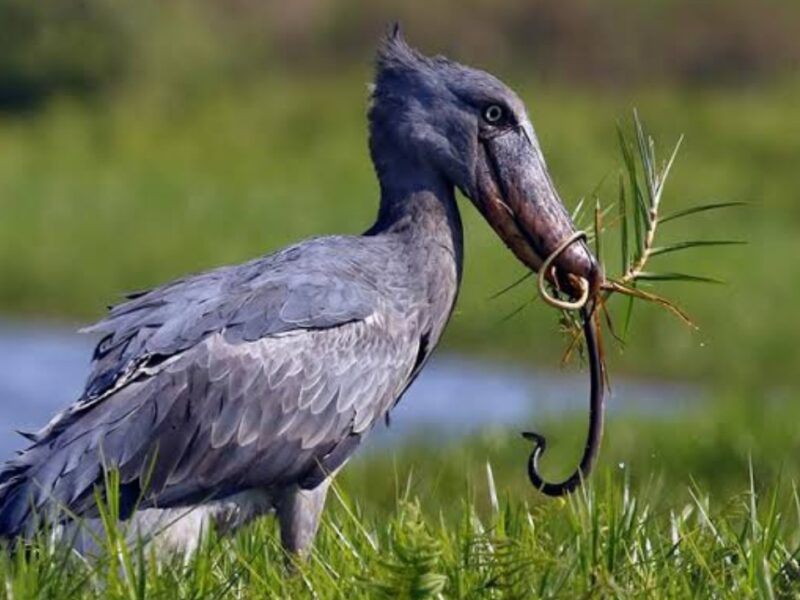
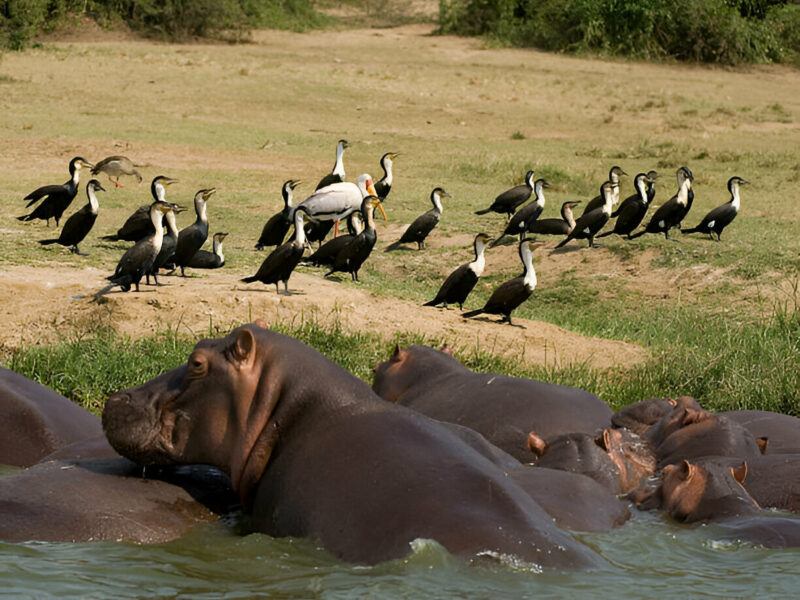
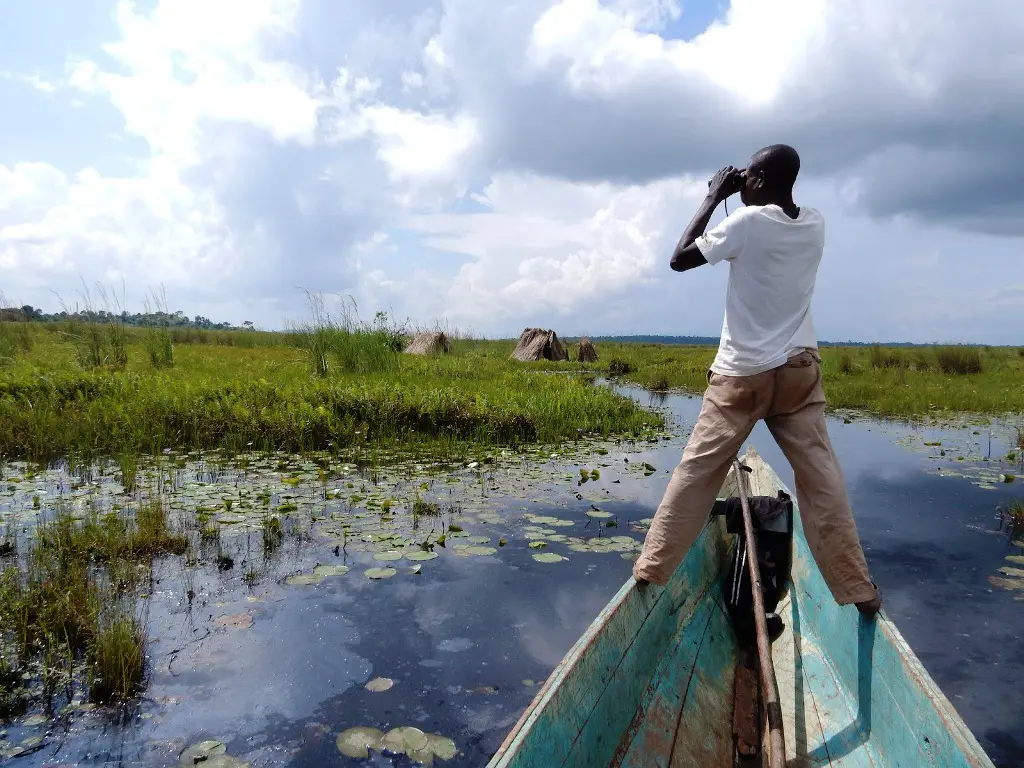
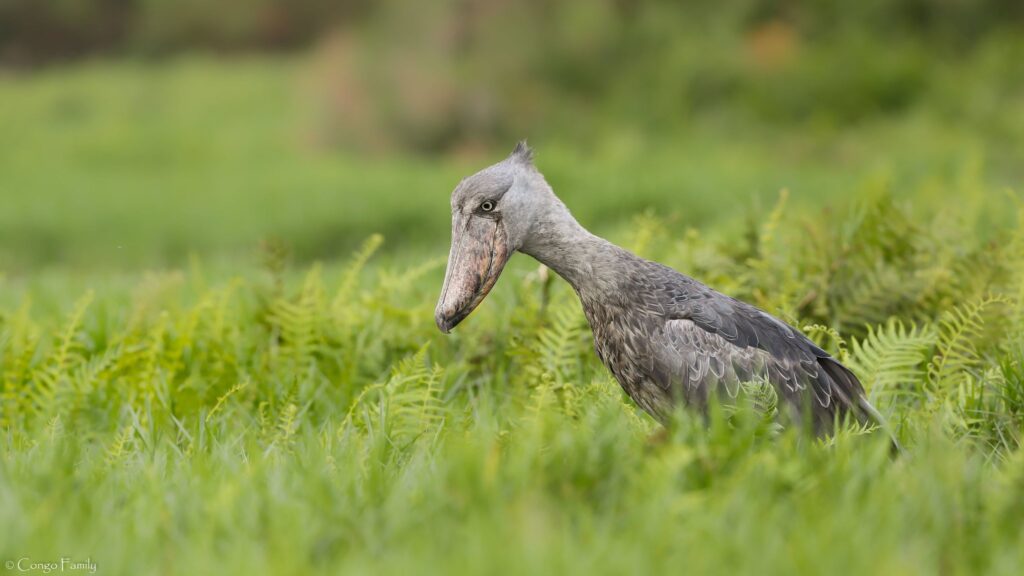
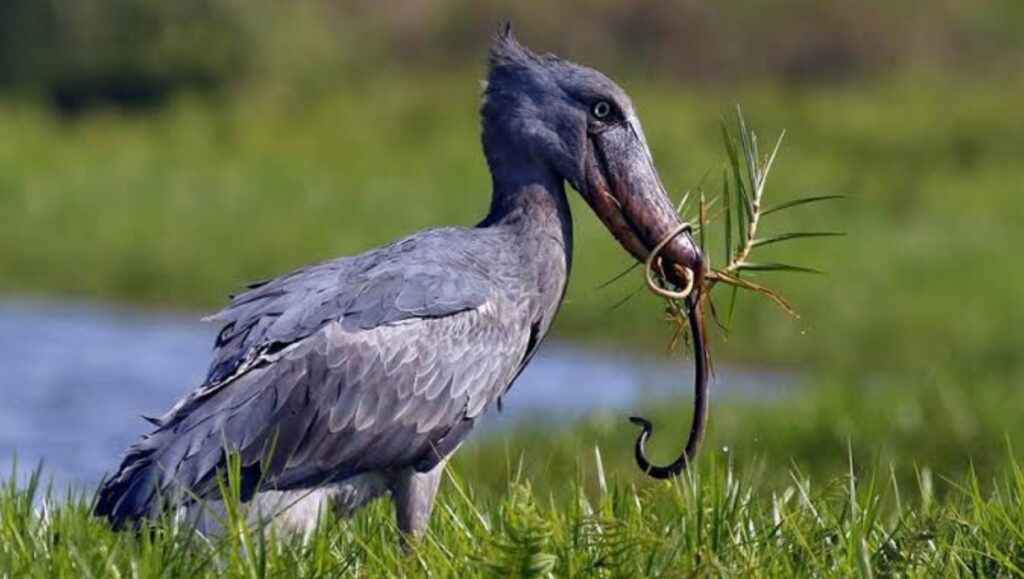
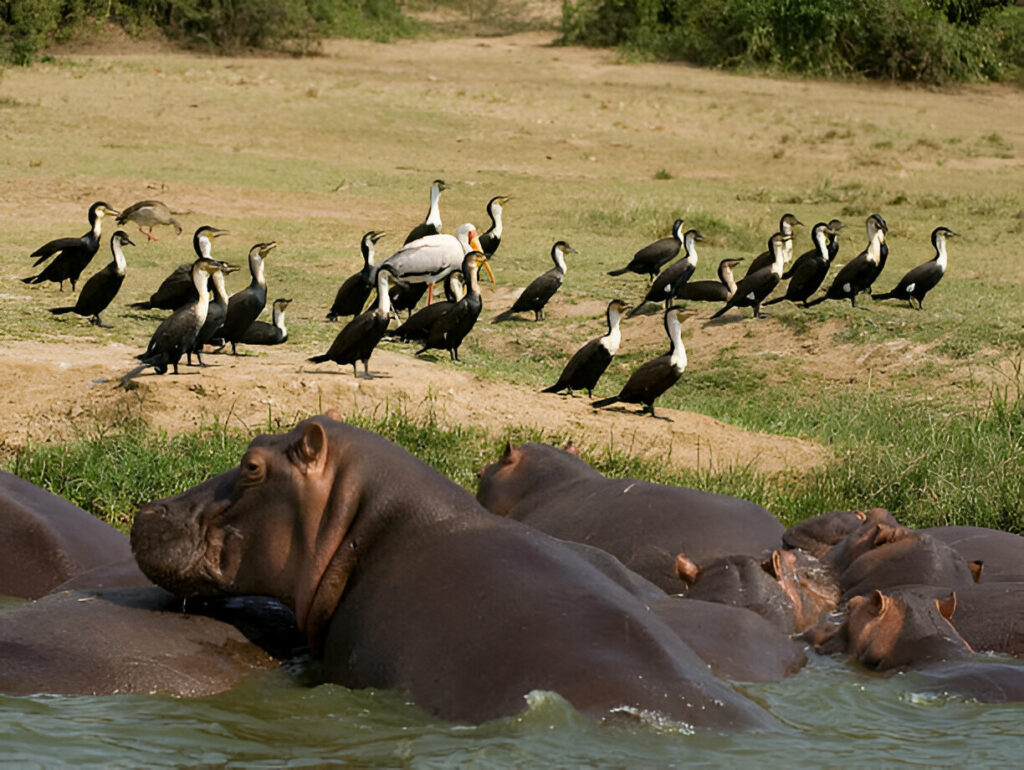
Lakes, rivers, marshes, and channels support hippos, crocodiles, waterbirds, and other animals adapted to aquatic habitats. Boat trips can provide a different perspective from land-based game drives, but safety rules are essential. Wetlands may also support specialised birds such as shoebills in suitable areas. Water levels and seasonal conditions affect visibility and access. Use approved operators, remain in designated areas, and never approach wildlife independently.
Can you see wildlife outside national parks?
Some animals and birds occur in community areas, conservancies, private reserves, and landscapes near protected areas. The experience depends on land use, habitat quality, local access arrangements, and conservation rules. Community-led activities can add cultural learning and help visitors understand how people and wildlife share landscapes. Always ask permission before photographing people or entering private land. Choose responsible operators who explain how tourism benefits conservation and local communities.
How can you improve your chances of sightings?
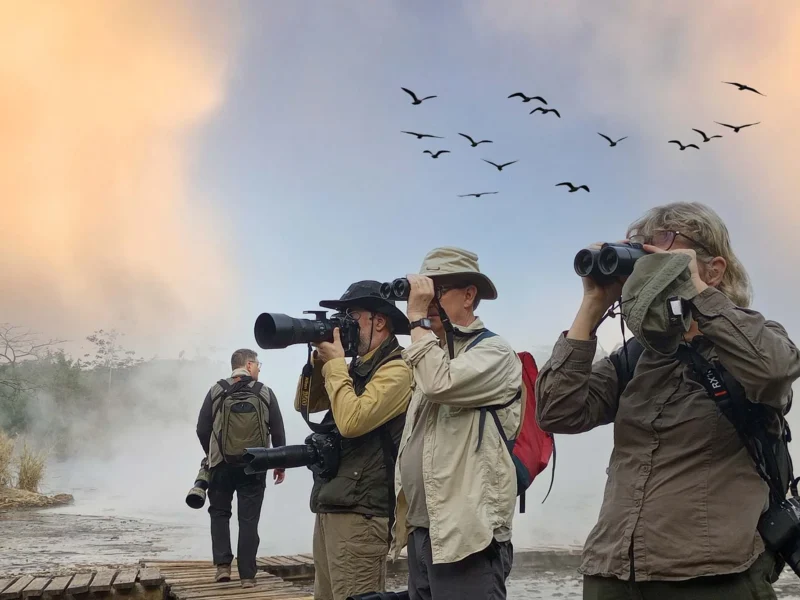
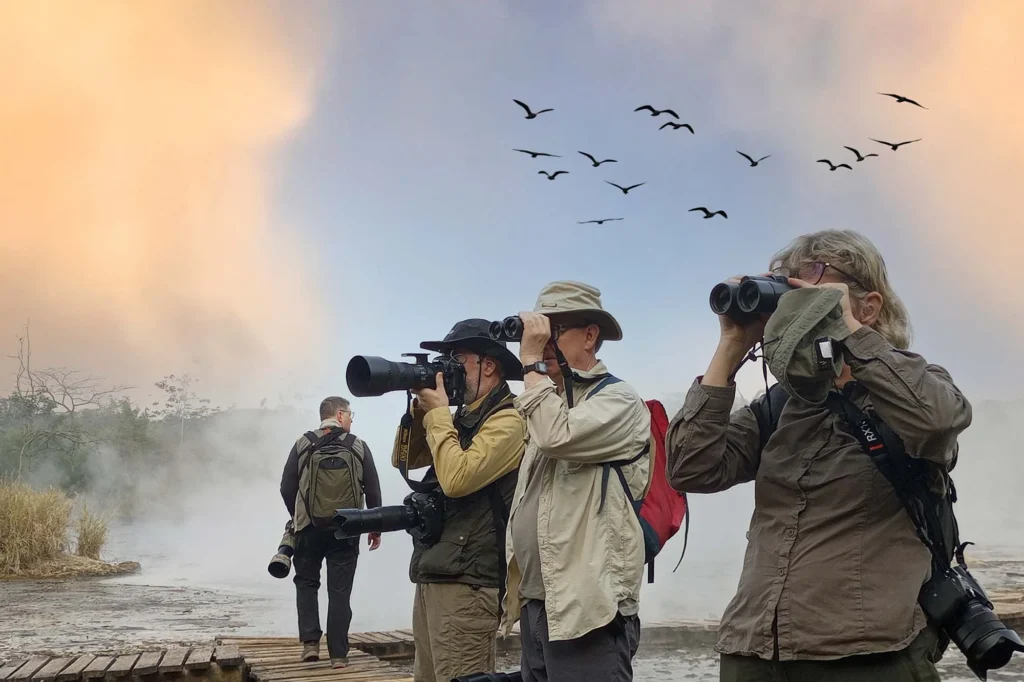
Spend enough time in appropriate habitats, travel with knowledgeable guides, and stay flexible. Early mornings and late afternoons can be productive for many species, though activity patterns vary. Bring binoculars, follow safety advice, and avoid making noise or pressuring guides to approach animals too closely. A checklist is useful, but an ethical safari values observation and conservation over collecting a guaranteed set of sightings.
Frequently Asked Questions
Can I see all the Big Five in one trip?
It is possible in some itineraries, but sightings are never guaranteed. The best route depends on the countries, reserves, dates, and time available.
Are gorillas and chimpanzees seen on ordinary game drives?
No. Gorilla trekking and chimpanzee tracking generally involve guided forest activities with separate rules and often permits.
Are wildlife sightings guaranteed?
No. Animals move freely and may remain hidden. Guides can improve search strategy but cannot promise sightings.
What should I bring for animal viewing?
Binoculars, a camera if desired, sun protection, practical clothing, and a field guide can make wildlife viewing more rewarding.
Plan Your Safari
Kaara Safari Adventures Ltd can help select destinations and activities around your priority animals, whether you want classic game drives, primate encounters, or a varied wildlife holiday.