Can Solo Travellers Join Guided Adventure Expeditions?
November 16, 2026
How Physically Fit Should You Be for an East African Adventure Expedition?
November 17, 2026
What Safety Equipment Is Provided During Organised Adventure Trips?
Safety is one of the most important considerations when planning an adventure holiday, particularly when participating in outdoor activities that involve wildlife encounters, mountain trekking, water sports, forest exploration, and physically demanding excursions. For international travellers considering an African adventure, understanding what safety equipment is provided during organised adventure trips can help build confidence and ensure proper preparation before departure. Across East Africa, destinations such as Uganda, Rwanda, Kenya, and Tanzania offer extraordinary opportunities for visitors to experience nature through professionally guided activities. From white water rafting along the River Nile in Jinja and mountain hiking in the Rwenzori Mountains to gorilla trekking in Bwindi Impenetrable National Park and wildlife safaris across the Serengeti, each experience comes with different safety considerations and equipment requirements.
Understanding Safety Equipment During Organised Adventure Trips in Africa
Organised adventure operators generally provide activity-specific protective equipment according to the nature of the excursion, applicable regulations, and the standards of the service provider. Depending on the activity, this may include helmets, life jackets, safety harnesses, ropes, climbing equipment, first-aid supplies, communication devices, and other protective accessories. However, the equipment provided varies between activities, operators, and destinations, meaning travellers should always confirm what is included before booking. Professional guides, trained activity leaders, and park rangers also play an essential role in maintaining safety by explaining procedures, assessing environmental conditions, and supervising participants throughout their experiences. At Kaara Safaris Adventures, we believe that an exceptional African holiday should combine excitement, responsible exploration, and proper safety preparation. Whether you are planning Uganda Safaris, Rwanda Adventures, Kenya Safaris, or Tanzania Safaris, understanding the protective equipment used during organised excursions allows you to make informed travel decisions and enjoy your adventure with greater confidence.
What General Safety Equipment Is Provided During Organised Adventure Trips?
Organised adventure trips usually involve different protective items depending on the destination, activity, terrain, and level of physical difficulty. Before participating in an excursion, travellers should receive information about the equipment supplied by the activity operator and any personal items they are expected to bring. General safety equipment may include protective helmets, first-aid kits, communication devices, emergency whistles, reflective clothing, protective gloves, and suitable safety accessories. During outdoor excursions, helmets are particularly important for activities involving potential head injuries, including cycling, quad biking, certain climbing experiences, and selected water-based adventures. First-aid kits are commonly carried by professional guides or activity teams to provide initial assistance in case of minor injuries or medical emergencies. Communication equipment, including mobile phones and radios, can help guides coordinate activities and request assistance where network coverage is available. In remote environments, additional emergency communication arrangements may be necessary. Furthermore, participants may receive safety briefings explaining how to use equipment correctly, recognise potential hazards, and follow instructions throughout the excursion. Wildlife activities operate under different safety arrangements, where professional guides and park rangers supervise visitors and enforce established wildlife-viewing regulations. For instance, Uganda Safaris involving game drives, chimpanzee tracking, or gorilla trekking require visitors to follow park-specific safety instructions rather than relying on ordinary sports equipment. Rwanda Adventures, Kenya Safaris, and Tanzania Safaris similarly involve activity-specific precautions depending on the natural environment. Importantly, not every item is supplied universally, and some operators expect visitors to bring personal equipment such as hiking boots, rain jackets, and appropriate clothing. Confirming these details before travelling helps prevent misunderstandings and ensures that participants arrive properly prepared.
What Safety Equipment Is Provided During White Water Rafting and Water Adventures?
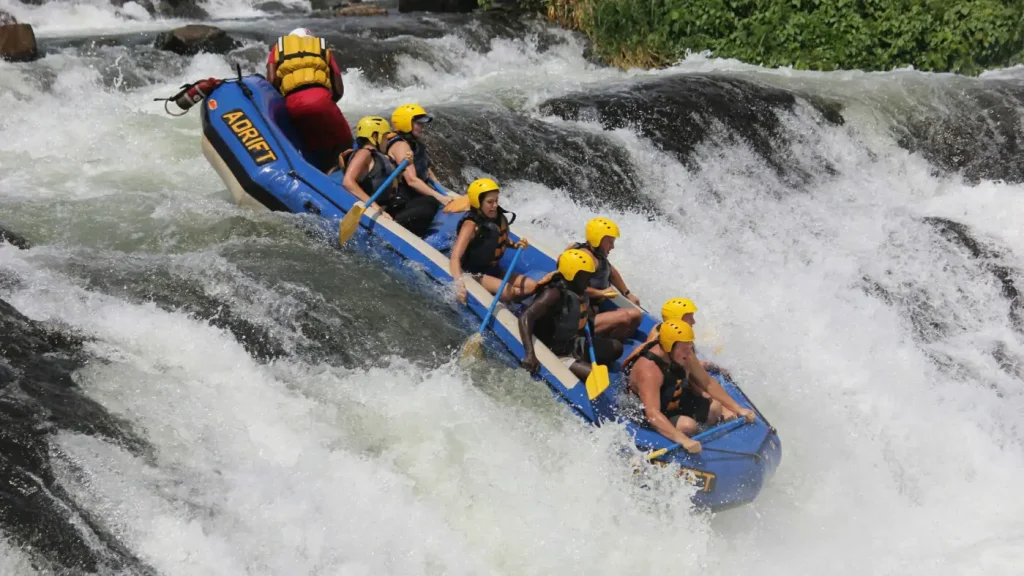
White water rafting and other water-based activities are among the most exciting adventure experiences available in East Africa, particularly around Jinja, Uganda, where the River Nile attracts international visitors seeking thrilling outdoor recreation. Because these activities involve moving water, changing river conditions, and potential immersion, appropriate protective equipment is essential. Reputable rafting operators generally provide approved personal flotation devices, commonly known as life jackets, to help participants remain supported in the water. Protective helmets are also provided to reduce the risk of head injuries from accidental contact with equipment, rocks, or other obstacles. Depending on the rafting experience, participants may receive paddles, suitable safety accessories, and instructions on how to respond if they fall into the water. Professional rafting guides are trained to explain paddling techniques, demonstrate appropriate safety positions, and communicate emergency procedures before the activity begins. Rescue equipment, including throw ropes and other river-rescue accessories, may be carried by the guide team according to the operator’s safety arrangements. Certain excursions may also provide wetsuits or suitable thermal clothing depending on water temperature and weather conditions. For visitors interested in kayaking, canoeing, or other Nile adventures, the required equipment may differ according to the activity and experience level. Participants should always ensure that life jackets fit correctly and that helmets are properly secured before entering the water. Swimming ability, medical conditions, age restrictions, and physical fitness requirements should also be discussed with the activity provider. Although Uganda Adventures are famous for exciting water experiences, safety depends on more than simply wearing protective equipment. Listening carefully to guides, following instructions, understanding river conditions, and participating only in activities appropriate to your abilities are equally important. At Kaara Safaris Adventures, we encourage visitors to confirm equipment standards and safety arrangements with authorised water-sports providers before booking their River Nile experiences.
What Protective Equipment Is Provided During Mountain Hiking and Trekking Expeditions?
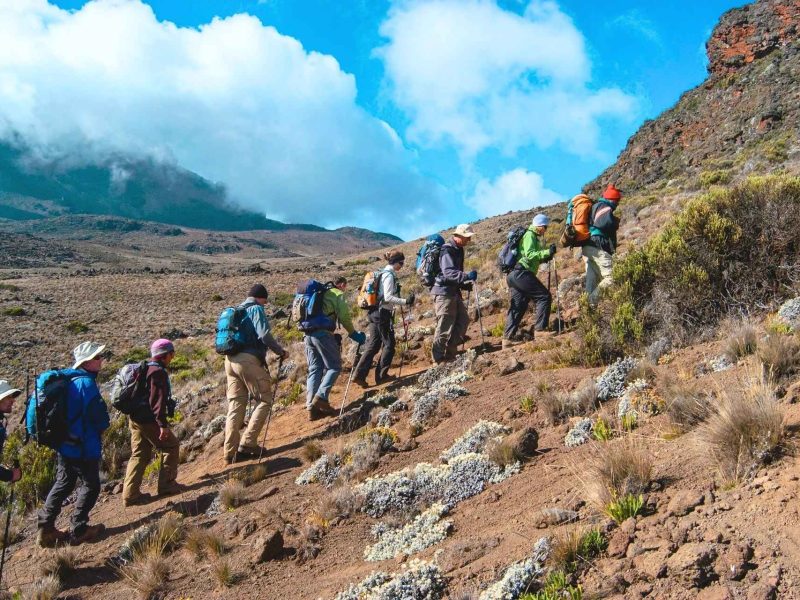
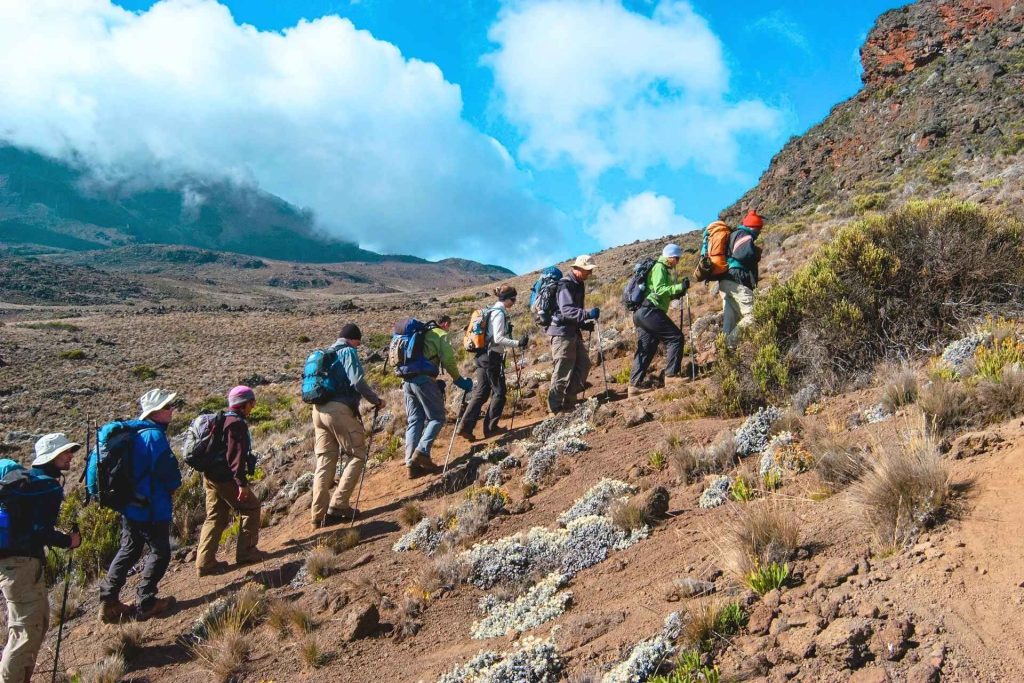
Mountain hiking and trekking require specialised preparation because participants encounter changing elevations, uneven trails, slippery surfaces, unpredictable weather, and physically demanding conditions. Across East Africa, popular destinations such as the Rwenzori Mountains and Mount Elgon in Uganda, the Virunga volcanic region in Rwanda, and Mount Kenya in Kenya offer remarkable opportunities for outdoor enthusiasts. During organised mountain expeditions, the equipment provided depends on the route, trekking duration, altitude, and individual operator arrangements. Where required, technical equipment may include climbing helmets, harnesses, ropes, carabiners, and other specialised accessories used under professional supervision. Guided climbing and technical mountaineering activities require appropriate equipment that meets the demands of the selected route. Walking poles may be available for certain trekking experiences, although visitors should confirm whether these are included or need to be hired separately. Professional guides generally provide route briefings, explain trail conditions, and help participants understand potential environmental hazards. For longer expeditions, emergency supplies, first-aid equipment, communication devices, and appropriate group-support arrangements are also important considerations. Nevertheless, travellers should understand that several essential items are normally personal responsibilities. These include properly fitting hiking boots, moisture-wicking socks, waterproof jackets, warm clothing, reusable water bottles, and suitable backpacks. Visitors planning high-altitude adventures should also discuss acclimatisation, fitness requirements, and possible altitude-related health concerns with qualified professionals before departure. Unlike technical climbing, ordinary guided nature walks may not require helmets, harnesses, or ropes. Therefore, the equipment supplied should always correspond to the actual activity rather than being assumed to apply to every hiking excursion. Proper preparation allows travellers to enjoy Tanzania Safaris, Kenya Safaris, Uganda Adventures, and Rwanda Adventures involving mountain landscapes while respecting the physical and environmental demands of each destination.
 What Safety Measures and Equipment Are Used During Gorilla Trekking and Chimpanzee Tracking?
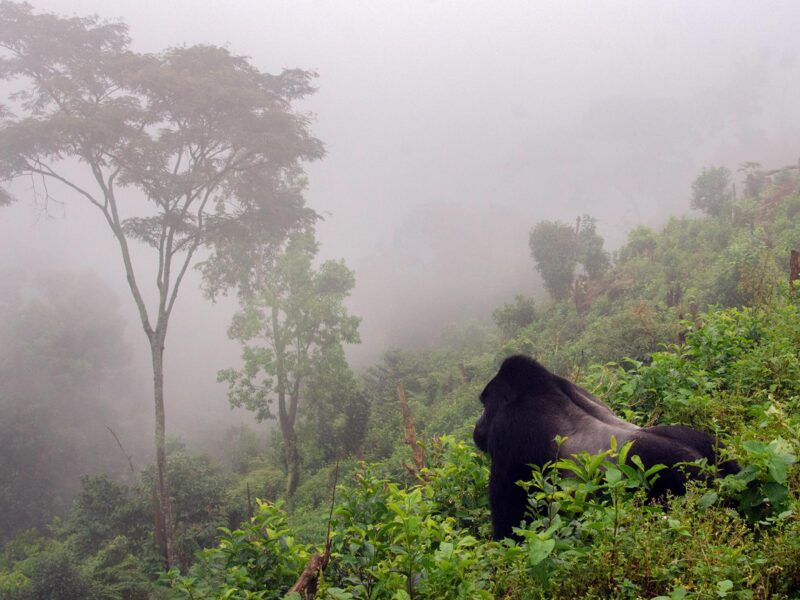
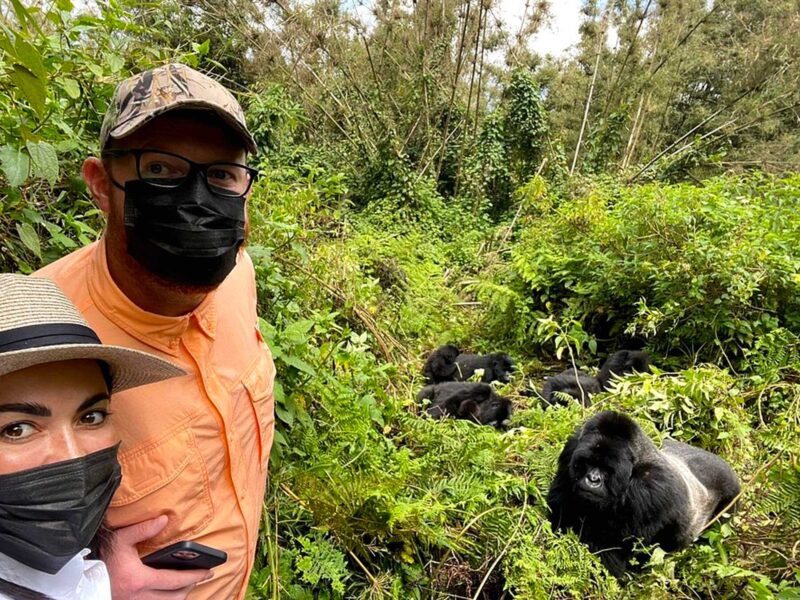
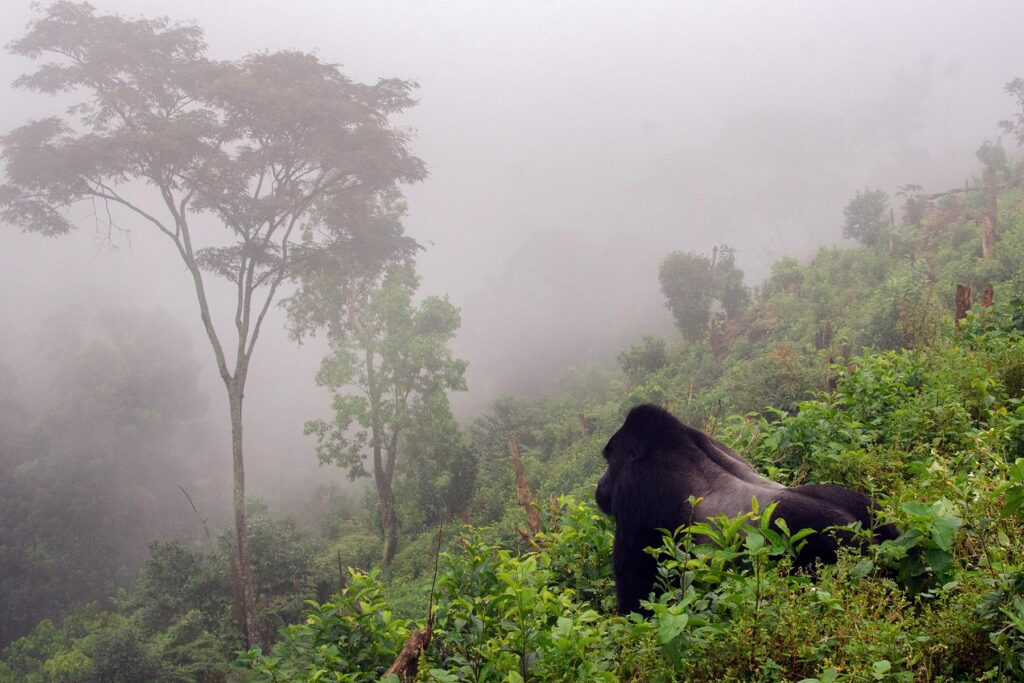
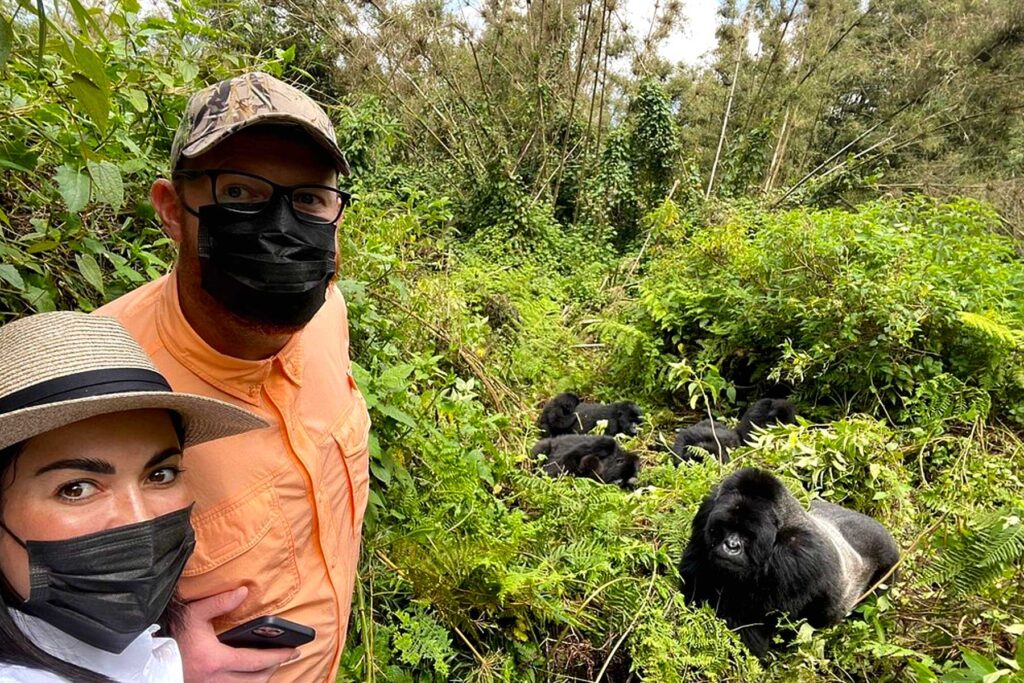
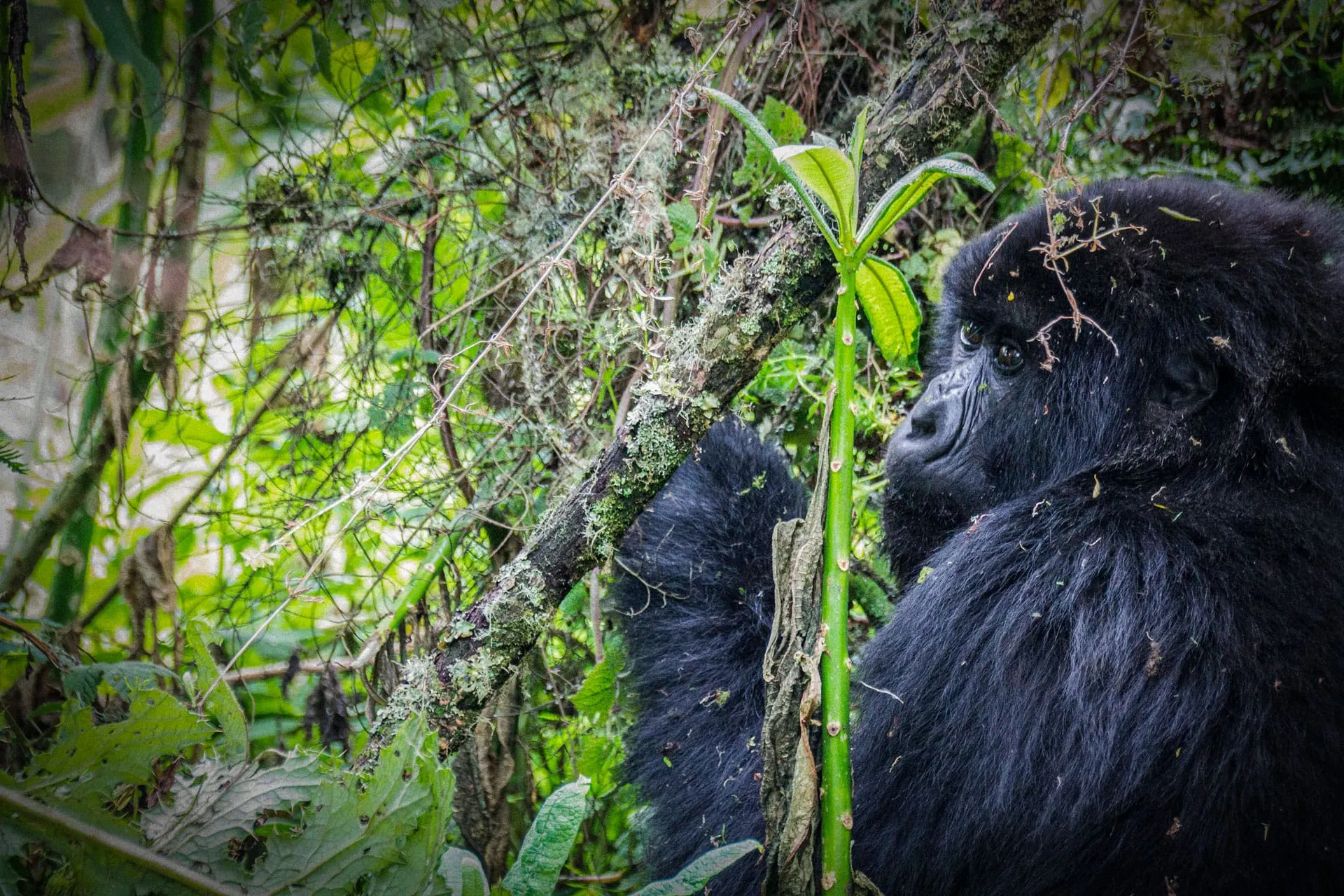
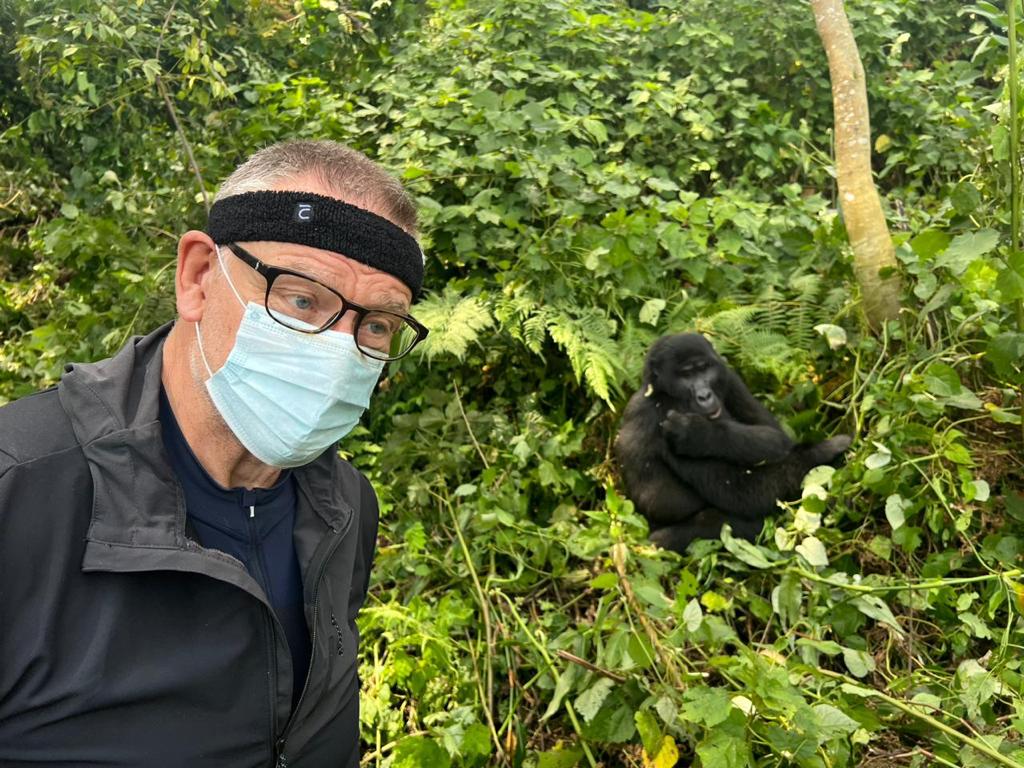
Gorilla trekking and chimpanzee tracking are among the most remarkable wildlife experiences available in East Africa, allowing visitors to observe endangered primates within their natural forest habitats. However, these activities involve special conservation and visitor-safety considerations because participants enter protected environments where wildlife must remain undisturbed. In Uganda, gorilla trekking takes place in Bwindi Impenetrable National Park and Mgahinga Gorilla National Park, while Rwanda’s Volcanoes National Park is internationally recognised for mountain gorilla encounters. Chimpanzee tracking is available in destinations such as Kibale National Park in Uganda and Nyungwe National Park in Rwanda. During these activities, professional park rangers and authorised guides accompany visitors, explain forest conditions, and provide instructions on responsible wildlife viewing. Unlike white water rafting or technical mountain climbing, gorilla trekking does not normally involve operators issuing helmets, life jackets, or climbing harnesses as standard protective equipment. Instead, safety focuses on appropriate clothing, ranger supervision, maintaining the required distance from wildlife, and following conservation regulations. Visitors are encouraged to wear sturdy hiking boots, long-sleeved shirts, long trousers, and gardening gloves to protect themselves from vegetation and rough forest terrain. Walking sticks may be available through park arrangements or local support services, depending on the destination. First-aid arrangements and communication procedures are managed according to park and operator protocols. Importantly, visitors must not touch, feed, or attempt to approach gorillas or chimpanzees beyond the permitted viewing distance. Anyone experiencing symptoms of an infectious illness should follow park health requirements and seek guidance before participating, as human diseases can threaten vulnerable primate populations. Photography must also follow ranger instructions, including restrictions on flash use where applicable. For responsible Uganda Safaris and Rwanda Adventures, conservation regulations are just as important as personal protective equipment. Respecting these measures helps protect both visitors and the endangered wildlife that makes these experiences exceptional.
What Emergency and First-Aid Equipment Is Available During Wildlife Safaris?
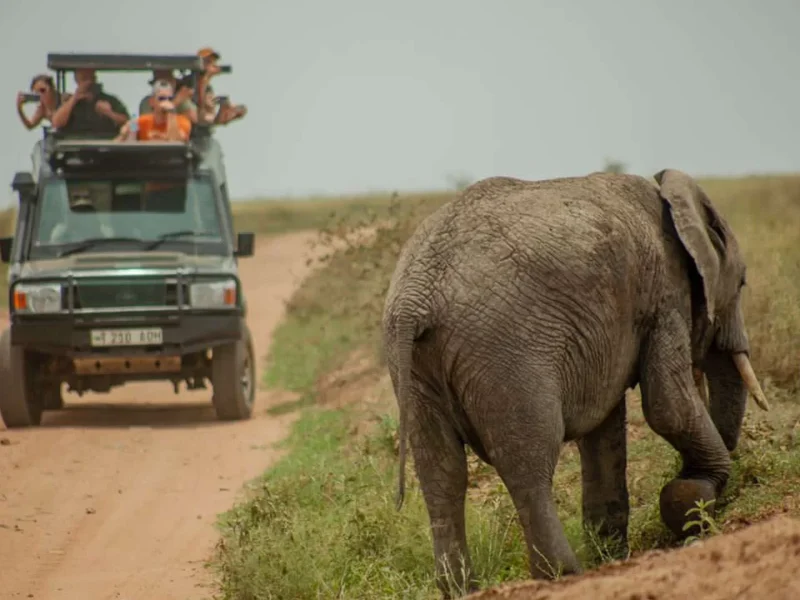
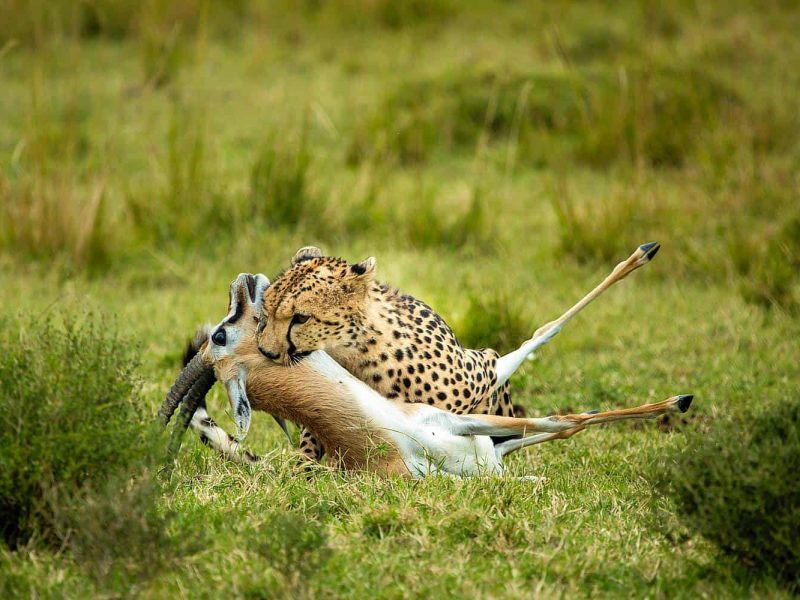
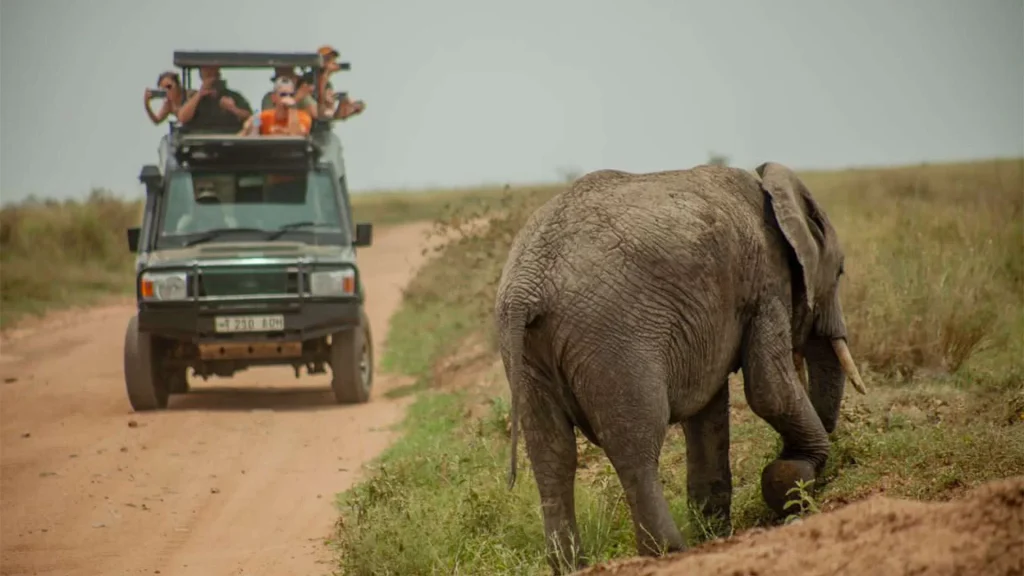
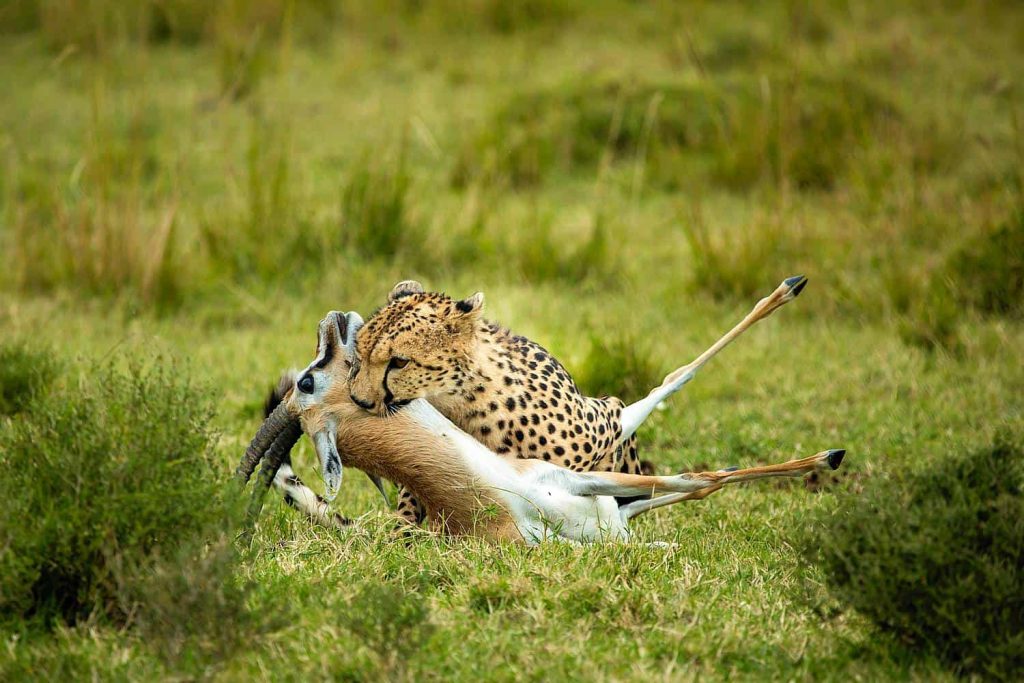
Wildlife safaris involve exploring natural habitats where animals move freely and environmental conditions can differ significantly from those found in towns and cities. Although conventional game drives are generally conducted from safari vehicles, appropriate emergency arrangements remain important throughout organised excursions. Professional safari guides should understand park regulations, wildlife-viewing procedures, and the steps required when unexpected situations occur. First-aid kits are valuable for providing initial assistance in cases of minor cuts, scratches, insect bites, or other common travel-related injuries. Depending on the safari operator and destination, vehicles may carry basic emergency supplies, communication devices, spare tyres, recovery tools, and other practical equipment. In remote locations, communication coverage may be limited, making it important for operators to understand local emergency procedures and available support arrangements. Visitors should remain inside designated safari vehicles unless the guide confirms that leaving the vehicle is permitted in an authorised area. Approaching wildlife, feeding animals, or attempting to take photographs from unsafe positions can create unnecessary risks. During Kenya Safaris in the Maasai Mara or Tanzania Safaris in the Serengeti, professional guides help visitors observe wildlife while maintaining appropriate distances and respecting park regulations. Similar principles apply during game drives in Uganda’s Queen Elizabeth National Park and Rwanda’s Akagera National Park. Travellers should also carry personal medication, sunscreen, insect repellent, and any necessary medical supplies that may not be available in remote areas. Emergency response arrangements vary according to the operator, accommodation, and geographical location, so visitors should ask about evacuation procedures, medical support, and communication systems before departure. At Kaara Safaris Adventures, we encourage travellers to understand the practical safety arrangements included in their safari package rather than assuming that every vehicle or destination offers identical emergency services.
Who Provides Safety Equipment and Supervises Participants During Organised Adventure Trips?
The responsibility for supplying and supervising safety equipment generally depends on the activity provider, safari operator, and organisation managing the excursion. During specialised adventures, such as white water rafting, mountain climbing, cycling, or technical trekking, the activity provider normally supplies the equipment required for participation. Professional guides and instructors explain how protective items should be worn and used before activities begin. Their responsibilities may include checking equipment condition, assessing environmental conditions, providing safety briefings, and supervising participants throughout the experience. In protected wildlife areas, park authorities and authorised ranger teams oversee visitor activities according to national conservation regulations. Safari operators coordinate the overall travel arrangements, including transport, accommodation, permits, and communication with activity providers. However, equipment responsibilities should be clearly established before booking, particularly when an itinerary combines several activities managed by different organisations. For example, a traveller booking an East African adventure package may participate in rafting with one specialist company, gorilla trekking under national park supervision, and wildlife game drives with a separate safari guide. Each experience may have different equipment standards and safety procedures. Therefore, asking who supplies protective equipment, whether it is inspected, and who supervises participants is an important part of responsible travel planning. Travellers should also confirm whether equipment rental, insurance, and emergency services are included in the quoted price. Reliable operators should be willing to explain these arrangements clearly rather than making general promises about safety. Kaara Safaris Adventures encourages visitors to select appropriately qualified activity providers and confirm all relevant arrangements before beginning an expedition.
What Are the Expectations During an Organised Adventure Safari?
Travellers participating in organised adventure trips should expect a combination of professional guidance, activity-specific safety briefings, appropriate protective equipment, and clearly communicated participation requirements. Before an excursion begins, guides or instructors generally explain the activity, identify possible hazards, and demonstrate how to use the required equipment. Depending on the experience, participants may receive helmets, life jackets, harnesses, ropes, protective gloves, or other specialised accessories. Wildlife excursions usually involve ranger supervision, vehicle-based observation, and instructions on maintaining safe distances from animals. Mountain expeditions may require fitness assessments, route briefings, weather monitoring, and appropriate personal hiking equipment. Visitors should also expect to follow established schedules and instructions because adventure activities often depend on weather, environmental conditions, and operational requirements. Some excursions may be postponed or adjusted when conditions are considered unsuitable. Furthermore, travellers should understand that safety equipment reduces certain risks but cannot eliminate every possible danger associated with outdoor activities. Personal responsibility remains essential throughout the experience. Participants must wear equipment correctly, disclose relevant medical conditions, follow instructions, and avoid undertaking activities beyond their physical abilities. Accommodation, meals, transportation, equipment hire, and emergency services may be included or charged separately depending on the package. At Kaara Safaris Adventures, we encourage visitors to clarify these details before confirming their reservations. Understanding what to expect helps create realistic travel expectations and allows participants to enjoy their Uganda Safaris, Rwanda Adventures, Kenya Safaris, and Tanzania Safaris with greater confidence.
What Safety Equipment Is Provided During Organised Adventure Trips?
When Is the Best Time for Organised Adventure Trips in East Africa?
The most suitable time for organised adventure trips depends on the destination, activity, and environmental conditions experienced during the selected travel period. Uganda and Rwanda generally attract many adventure travellers during June to September and December to February, when several destinations experience relatively drier weather. These periods are popular for gorilla trekking, chimpanzee tracking, wildlife safaris, and mountain exploration because forest trails and some outdoor routes may be easier to navigate. Nevertheless, tropical forests can receive rainfall throughout the year, meaning waterproof clothing and appropriate footwear remain essential. Kenya and Tanzania also provide excellent adventure opportunities during different seasons. The relatively dry months are often favourable for wildlife viewing in many savannah parks because animals may gather around water sources and vegetation can become less dense. Travellers interested in the Great Migration should consider seasonal wildlife movements across the Serengeti-Mara ecosystem when planning their Tanzania Safaris and Kenya Safaris. For white water rafting, kayaking, and other river activities, the suitability of particular dates depends on river conditions and the operating guidance of the activity provider. Mountain trekking also requires attention to rainfall, temperature, visibility, and trail conditions. Importantly, the safest travel period is not determined by the calendar alone. Activity providers must assess current conditions before confirming whether an excursion can proceed. Visitors should also reserve popular gorilla trekking permits and specialised activities in advance. At Kaara Safaris Adventures, we encourage travellers to consider seasonal conditions and destination-specific requirements when selecting their adventure dates.
Why Choose Kaara Safaris Adventures for Organised Adventure Trips?
Selecting a dependable safari organiser is an important step towards enjoying a well-coordinated African adventure, particularly when the itinerary includes activities that require specialised equipment and professional supervision. At Kaara Safaris Adventures, we believe that outstanding tourism experiences should combine memorable exploration, practical preparation, responsible travel, and clear communication. Our approach focuses on helping international visitors discover the extraordinary attractions of Uganda, Rwanda, Kenya, and Tanzania while understanding the requirements associated with their chosen activities. Whether your interests include mountain gorilla trekking, chimpanzee tracking, white water rafting, wildlife game drives, mountain hiking, or cultural excursions, careful planning helps ensure that the relevant activity arrangements are understood before departure. We recognise that different adventures involve different protective equipment, fitness expectations, and operational procedures. Consequently, travellers should receive clear information about what is supplied by the relevant activity providers and what they need to carry personally. We also encourage visitors to work with authorised guides, qualified instructors, and reputable local service providers who understand the environments in which they operate. Responsible tourism remains an important consideration, particularly when visiting protected wildlife habitats and fragile ecosystems. Respecting conservation regulations and following professional guidance helps protect visitors, local communities, and wildlife. Furthermore, our regional tourism perspective provides opportunities to explore different East African destinations through carefully considered itineraries. By choosing Kaara Safaris Adventures, travellers can begin organising an African holiday with greater awareness of destination requirements, activity expectations, and practical safety considerations.
What Should You Pack for an Organised Adventure Trip?
Although many organised adventure operators provide activity-specific protective equipment, travellers should prepare their own personal supplies to remain comfortable throughout their African holiday. The correct packing list depends on the selected activities, geographical location, season, and accommodation arrangements. Lightweight, breathable clothing is useful for warm daytime conditions, while long-sleeved shirts and trousers provide additional protection during forest walks and outdoor excursions. Visitors planning gorilla trekking or chimpanzee tracking should carry sturdy waterproof hiking boots, gardening gloves, moisture-wicking socks, and suitable rain jackets. Mountain hiking may require warm layers, trekking poles, and specialised equipment according to the route and altitude. Those participating in water activities should confirm whether wetsuits, suitable footwear, and other necessary accessories are supplied by the operator. Sunscreen, sunglasses, insect repellent, reusable water bottles, and personal toiletries are useful for most safari itineraries. A small personal first-aid kit should include appropriate basic supplies, while prescription medication should remain in its original packaging and be carried in sufficient quantities. Photography enthusiasts may wish to bring cameras, binoculars, spare batteries, memory cards, and protective equipment for wet or dusty conditions. International visitors should also carry valid travel documents, relevant visas, travel insurance information, and activity confirmations. Importantly, travel insurance should cover the actual activities included in the itinerary, particularly when participating in higher-risk adventures such as rafting or technical mountain climbing. Before departure, confirm which protective equipment will be supplied, whether rental charges apply, and whether any items are mandatory. Packing thoughtfully allows visitors to avoid unnecessary luggage while ensuring they have the personal essentials needed for a comfortable and rewarding adventure.
 Conclusion: Enjoy Safe and Memorable African Adventures with Kaara Safaris Adventures
Understanding what safety equipment is provided during organised adventure trips is an important part of preparing for an unforgettable African holiday. From helmets and life jackets used during water-based activities to harnesses and ropes required for specialised mountain adventures, protective equipment plays an important role in managing activity-related risks. Wildlife experiences require a different approach, focusing on professional ranger supervision, appropriate clothing, responsible animal viewing, and compliance with conservation regulations. Whether you are planning Uganda Safaris, exploring Rwanda Adventures, discovering Kenya Safaris, or experiencing Tanzania Safaris, every activity should be selected according to its specific safety requirements. Travellers should always confirm equipment availability, inspect the condition of supplied items where appropriate, follow professional instructions, and carry personal essentials that may not be provided. Remember that no protective equipment can replace proper training, responsible behaviour, suitable fitness, and informed decision-making. At Kaara Safaris Adventures, we invite you to discover East Africa through thoughtfully planned journeys that celebrate wildlife, landscapes, adventure, and cultural heritage while giving appropriate attention to visitor safety and responsible tourism. Contact Kaara Safaris Adventures to begin planning your next African adventure with the right information, preparation, and professional guidance.