How Long Do Adventure Expeditions in East Africa Usually Last?
November 13, 2026
Which Adventure Activities Are Available Around the Rwenzori Mountains?
November 13, 2026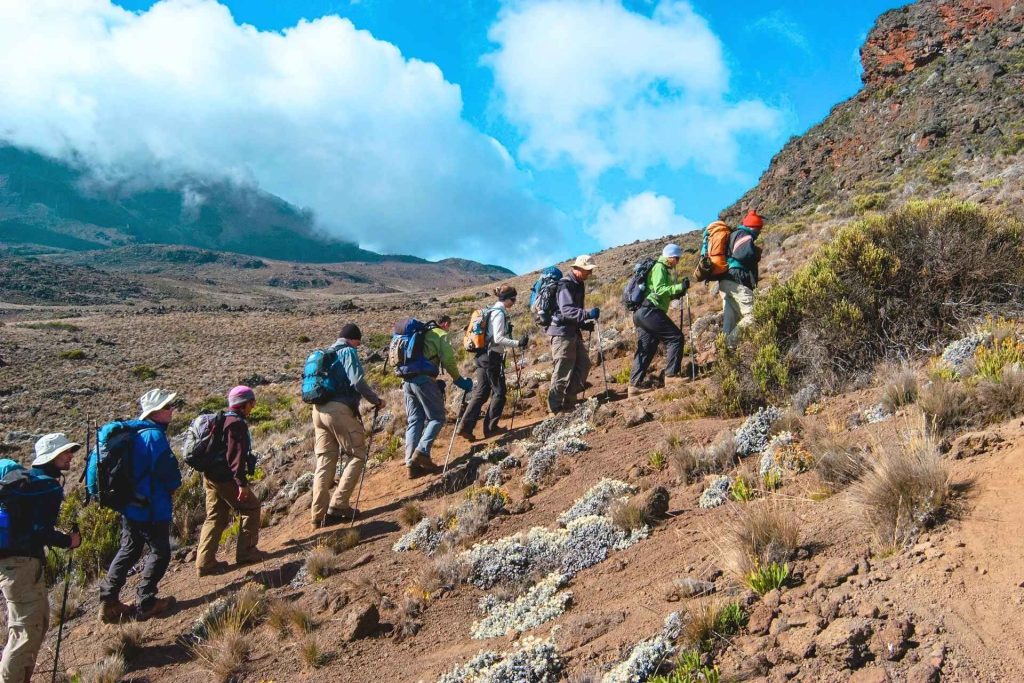
Can You Combine Mountain Trekking with Wildlife Viewing in Tanzania?
Tanzania is one of Africa’s most extraordinary adventure destinations, offering an exceptional combination of towering mountains, spectacular wildlife habitats, beautiful landscapes, and unforgettable outdoor experiences. From the snow-capped summit of Mount Kilimanjaro to the endless golden plains of Serengeti National Park, the country provides opportunities for travellers to experience different aspects of African wilderness within one carefully organised holiday. One of the questions frequently asked by international adventure enthusiasts is: Can You Combine Mountain Trekking with Wildlife Viewing in Tanzania? Absolutely! Tanzania is particularly suitable for combining challenging mountain adventures with exciting wildlife safaris because several remarkable trekking and wildlife destinations can be incorporated into one extended itinerary. Visitors can challenge themselves by climbing Mount Kilimanjaro, Africa’s highest mountain, before enjoying traditional game drives across Serengeti National Park, Ngorongoro Crater, Tarangire National Park, or Lake Manyara National Park. Alternatively, adventure enthusiasts can explore Mount Meru, enjoy guided nature walks, and discover the incredible wildlife diversity found across northern Tanzania. Combining these experiences allows travellers to appreciate the country’s geographical diversity while enjoying different activities that appeal to nature lovers, photographers, wildlife enthusiasts, and physically active holidaymakers. Unlike conventional safaris that concentrate mainly on game drives, combined trekking and wildlife holidays introduce visitors to mountain forests, alpine environments, open grasslands, volcanic landscapes, and important conservation areas. At Kaara Safaris Adventures, we recognise that international travellers increasingly seek holidays that offer more than one type of experience. Our approach focuses on helping visitors create balanced itineraries that combine physical adventure, wildlife exploration, comfortable accommodation, and opportunities to appreciate Tanzania’s natural heritage. Whether you are planning your first African adventure or returning to discover more of East Africa, combining mountain trekking with wildlife viewing in Tanzania can create a rewarding holiday filled with remarkable landscapes, personal achievements, and unforgettable encounters with nature.
Is It Possible to Combine Mount Kilimanjaro Climbing with a Wildlife Safari?
Yes, combining Mount Kilimanjaro climbing with a traditional wildlife safari is one of the most rewarding ways to explore Tanzania. Standing approximately 5,895 metres above sea level, Mount Kilimanjaro is Africa’s highest mountain and one of the world’s most recognised trekking destinations. Its remarkable geographical features include tropical rainforest, heath and moorland, alpine desert, and the glacial environment near the summit. Climbing this mountain gives adventurers an opportunity to experience dramatic changes in vegetation, climate, and scenery while working towards the achievement of reaching Uhuru Peak. For visitors wondering Can You Combine Mountain Trekking with Wildlife Viewing in Tanzania?, Kilimanjaro provides an excellent starting point for an extended adventure holiday. Depending on the selected climbing route, the expedition generally takes approximately five to nine days, although longer itineraries may be preferred for additional acclimatisation and a more gradual ascent. Following the climb, visitors can continue to Tanzania’s famous wildlife destinations, including Serengeti National Park, Ngorongoro Conservation Area, and Tarangire National Park. These protected areas provide opportunities to observe elephants, lions, leopards, buffaloes, giraffes, zebras, wildebeests, and numerous other species in their natural habitats. The transition from high-altitude mountain environments to open African savannahs creates a particularly interesting contrast. Nevertheless, travellers should schedule sufficient recovery time after climbing before undertaking demanding safari activities. A well-organised itinerary may include a relaxing overnight stay in Moshi or Arusha before continuing towards the national parks. Kaara Safaris Adventures recommends selecting a Kilimanjaro route according to your physical preparation, available time, and trekking experience. Combining this iconic mountain with Tanzania’s exceptional wildlife destinations creates an adventure that brings together physical achievement and outstanding natural exploration.
Which Mountains Can You Explore Before or After Wildlife Viewing in Tanzania?
Tanzania offers several mountain destinations that provide exciting opportunities for travellers interested in combining trekking with wildlife exploration. Mount Kilimanjaro is the most famous option because of its impressive elevation, established trekking routes, and international reputation. However, Mount Meru is another excellent choice for adventure enthusiasts seeking a rewarding mountain experience. Located within Arusha National Park, Mount Meru rises approximately 4,566 metres above sea level and offers spectacular views of surrounding landscapes, forest habitats, and Mount Kilimanjaro on clear days. For visitors researching Can You Combine Mountain Trekking with Wildlife Viewing in Tanzania?, Mount Meru presents an especially interesting opportunity because the mountain is located within a protected area known for its wildlife and natural attractions. Trekkers may encounter various forest animals during the ascent, although wildlife sightings are never guaranteed. The mountain’s trekking route generally requires several days and involves a guided expedition with designated overnight stops. Another option is the Usambara Mountains, which are known for their scenic hiking routes, beautiful forests, traditional villages, and biodiversity. These mountains are particularly suitable for travellers interested in nature walks, birdwatching, and cultural exploration rather than high-altitude summit climbing. Additionally, the Ngorongoro Highlands offer opportunities for guided walks through remarkable volcanic landscapes and pastoral communities. Each destination provides a different type of adventure, allowing visitors to select experiences according to their fitness, interests, and available holiday time. At Kaara Safaris Adventures, we encourage travellers to consider the geographical location of their preferred mountains when planning wildlife activities. Mount Kilimanjaro and Mount Meru are particularly convenient for combining trekking with northern Tanzania’s major safari destinations. Selecting the right mountain makes it easier to organise a balanced itinerary that includes physical activity, wildlife viewing, scenic exploration, and sufficient opportunities for relaxation.

Mount Elgon National Park
Which National Parks Are Best for Wildlife Viewing After Mountain Trekking?
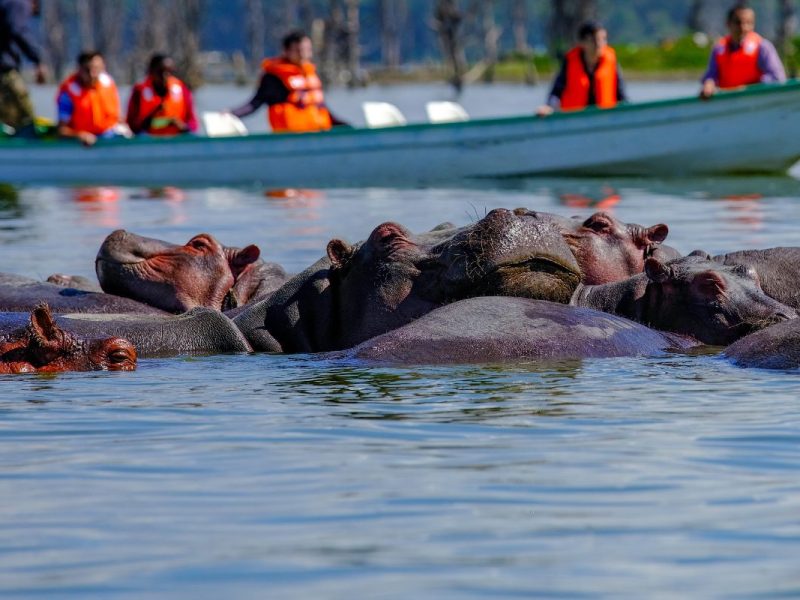
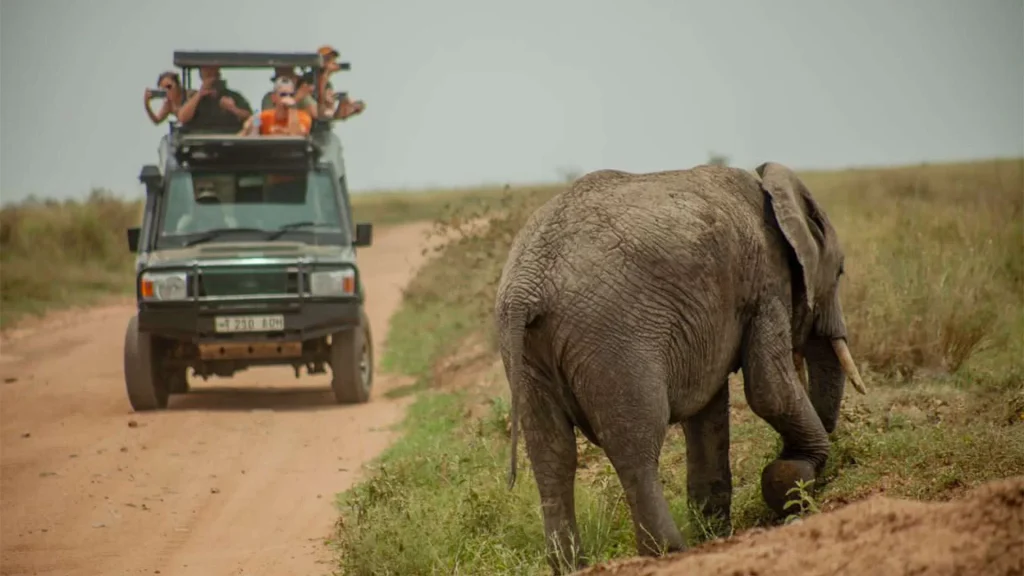
Tanzania is internationally recognised for its outstanding wildlife conservation areas, making it an excellent destination for travellers who want to combine mountain adventures with traditional African game drives. After completing a trekking expedition, visitors can explore several national parks and protected landscapes that offer opportunities to observe Africa’s famous wildlife species. When considering Can You Combine Mountain Trekking with Wildlife Viewing in Tanzania?, Serengeti National Park is one of the most rewarding destinations to include. The park is famous for its expansive grasslands, large populations of herbivores, and exceptional predator viewing opportunities. It also hosts the Great Wildebeest Migration, an extraordinary natural movement involving wildebeests, zebras, and gazelles across the Serengeti-Mara ecosystem. Another outstanding attraction is Ngorongoro Crater, a remarkable volcanic caldera supporting a rich concentration of wildlife. Visitors exploring this area may encounter lions, elephants, buffaloes, zebras, hippos, and other species within its diverse habitats. Tarangire National Park is particularly popular for its large elephant herds, ancient baobab trees, and seasonal wildlife concentrations along the Tarangire River. Meanwhile, Lake Manyara National Park provides beautiful scenery, birdwatching opportunities, and habitats supporting elephants, giraffes, buffaloes, and other wildlife. Arusha National Park is another attractive option for visitors interested in combining shorter walking experiences with wildlife viewing and mountain scenery. Each destination contributes something different to a combined Tanzanian adventure. Rather than attempting to visit every park, travellers should select locations according to their available time, wildlife interests, and preferred activities. Kaara Safaris Adventures encourages visitors to consider the distances between attractions and allow sufficient time for game drives. This approach creates a more enjoyable safari experience while providing opportunities to appreciate the remarkable diversity of Tanzania’s natural environments.
What Does a Combined Mountain Trekking and Wildlife Safari Itinerary Look Like?
A combined mountain trekking and wildlife itinerary can be organised in several ways depending on the traveller’s schedule, fitness level, budget, and preferred destinations. For international visitors asking Can You Combine Mountain Trekking with Wildlife Viewing in Tanzania?, a journey lasting approximately ten to fourteen days can provide a rewarding introduction to the country’s major attractions, although a longer holiday may be preferable for a Kilimanjaro climb combined with several safari destinations. One possible itinerary begins with arrival at Kilimanjaro International Airport, followed by an overnight stay in Moshi or Arusha. The following days are dedicated to climbing Mount Kilimanjaro through a suitable route, with the trekking duration determined by the selected ascent and descent arrangements. After completing the mountain expedition, travellers can enjoy a recovery day before continuing towards Tarangire National Park for wildlife viewing. The journey may then proceed to Ngorongoro Conservation Area, where visitors can explore the crater and appreciate its remarkable wildlife populations. Depending on the available days, an additional safari to Serengeti National Park can provide opportunities to observe predators, large herbivores, and seasonal migration movements. Travellers with more time may extend the journey to Lake Manyara or include cultural experiences around selected communities. Alternatively, those with limited trekking experience may choose a Mount Meru expedition combined with shorter wildlife safaris in northern Tanzania. The exact itinerary should account for road conditions, driving distances, mountain permits, park entry arrangements, accommodation availability, and physical recovery. At Kaara Safaris Adventures, we believe the best combined expeditions are those that provide enough time to enjoy every destination without creating unnecessary pressure. A carefully organised programme allows visitors to appreciate the mountain environment and wildlife landscapes as two complementary parts of one unforgettable Tanzanian holiday.
What Wildlife Animals Can You See During a Combined Tanzania Adventure?
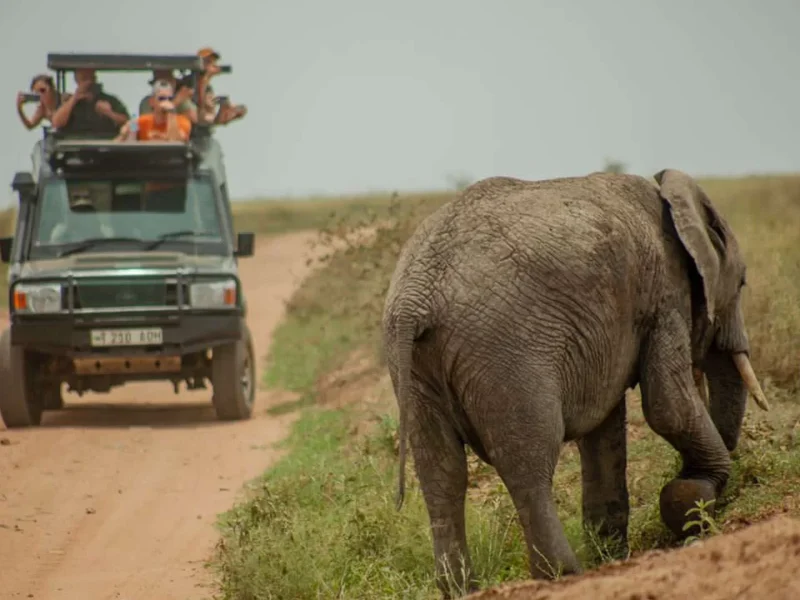
Wildlife viewing is one of the greatest attractions of combining mountain trekking with safari experiences in Tanzania. The country’s protected areas support a remarkable variety of mammals, birds, reptiles, and other wildlife species, creating excellent opportunities for nature enthusiasts and photographers. Travellers asking Can You Combine Mountain Trekking with Wildlife Viewing in Tanzania? will discover that the wildlife experiences available after trekking can be just as rewarding as the mountain adventure itself. Serengeti National Park is particularly famous for its lions, leopards, cheetahs, elephants, buffaloes, giraffes, zebras, and wildebeests. The seasonal Great Wildebeest Migration adds another extraordinary dimension to the safari, with large herds moving through different parts of the ecosystem throughout the year. Ngorongoro Crater provides opportunities to observe several iconic African animals within a relatively compact wildlife area, including elephants, lions, buffaloes, zebras, and, with some luck, the endangered black rhinoceros. Tarangire National Park is particularly recognised for its elephant populations and distinctive baobab landscapes, while Lake Manyara offers beautiful scenery and a rich variety of birdlife. In addition to large mammals, Tanzania supports numerous bird species, making the country attractive to birdwatchers interested in observing colourful forest birds, waterbirds, raptors, and savannah species. Wildlife sightings depend on seasonal conditions, animal movements, habitat characteristics, and the time spent exploring each protected area. Therefore, no responsible safari operator should guarantee sightings of particular animals. At Kaara Safaris Adventures, we encourage visitors to appreciate wildlife observation as a natural experience that requires patience, responsible guiding, and respect for animal behaviour. Combining trekking and game drives gives travellers opportunities to discover different ecosystems and understand the ecological importance of Tanzania’s remarkable natural heritage.
 What Are the Expectations During a Combined Mountain Trekking and Wildlife Safari?
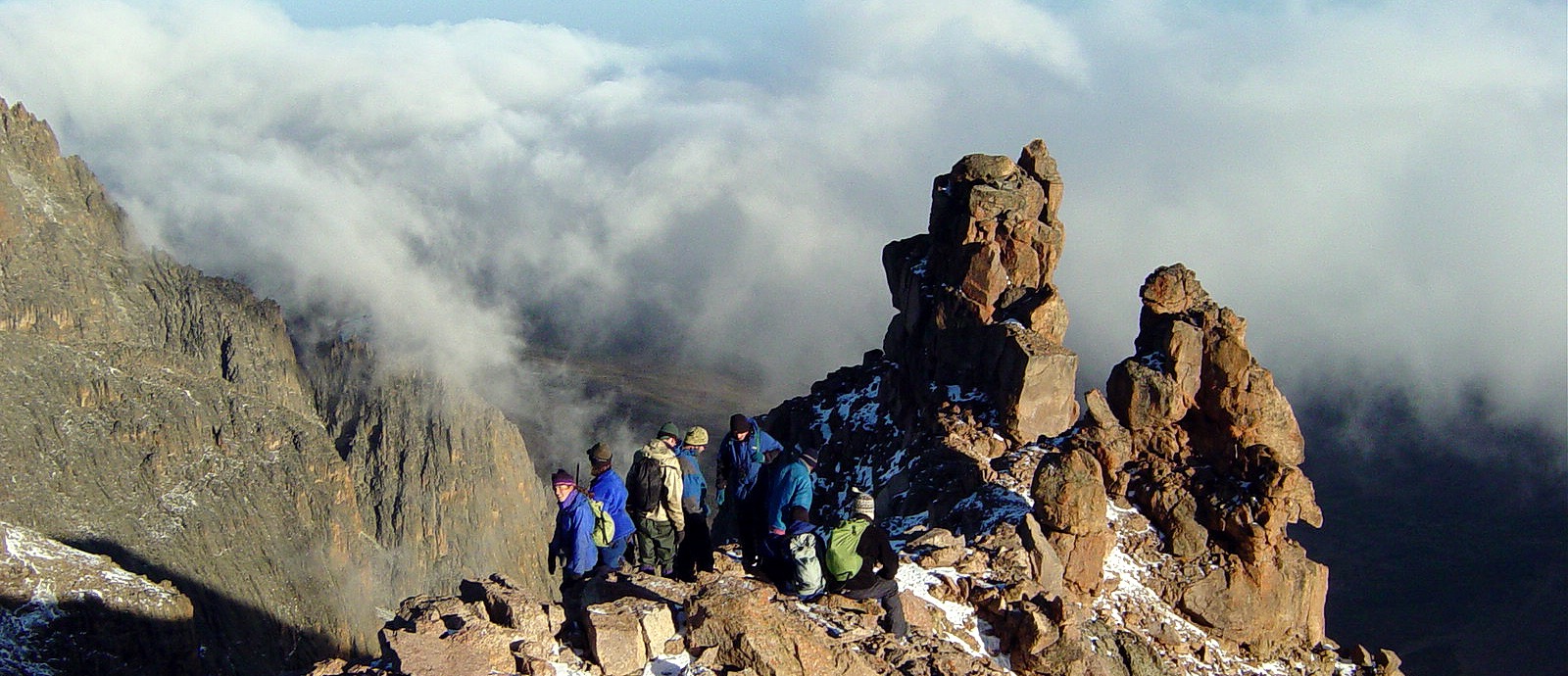
Travellers undertaking a combined mountain trekking and wildlife safari should prepare for two different types of adventure, each requiring specific levels of physical effort, equipment, and preparation. Understanding Can You Combine Mountain Trekking with Wildlife Viewing in Tanzania? also means recognising what the experience involves beyond the attractive photographs and descriptions often associated with African holidays. During mountain trekking, visitors should expect guided walking, changing temperatures, varying terrain, and different vegetation zones as they gain elevation. Kilimanjaro expeditions involve gradual climbing over several days, with overnight accommodation in designated mountain camps or huts, depending on the route. Physical endurance and proper acclimatisation are important because altitude can affect individuals differently. Once the mountain expedition is completed, the wildlife safari offers a contrasting experience involving comfortable safari vehicles, professional driver-guides, early-morning game drives, scenic stops, and opportunities to observe animals in their natural habitats. Visitors may also enjoy cultural interactions, photography, birdwatching, and relaxation at safari lodges or tented camps. Accommodation standards vary according to the selected budget, ranging from comfortable mid-range lodges to exclusive luxury properties. Travellers should also understand that weather conditions, road accessibility, wildlife movements, and park regulations may influence daily arrangements. Recovery time between trekking and game drives is particularly important because mountain climbing can be physically demanding. At Kaara Safaris Adventures, we recommend realistic schedules that balance physical activity with relaxation and wildlife exploration. A successful combined adventure is not simply about reaching a mountain summit or observing famous animals; it is about enjoying the complete journey, appreciating Tanzania’s landscapes, and experiencing the natural environment responsibly.
When Is the Best Time to Combine Mountain Trekking with Wildlife Viewing in Tanzania?
Choosing suitable travel dates is an important part of organising a successful mountain trekking and wildlife safari because weather conditions can influence climbing safety, trail accessibility, and wildlife viewing opportunities. For travellers researching Can You Combine Mountain Trekking with Wildlife Viewing in Tanzania?, the best time depends on the selected mountain, preferred safari destinations, and wildlife experiences. Tanzania generally experiences two relatively dry periods, with June to October being particularly popular for mountain climbing and wildlife viewing. During these months, trekking conditions on Mount Kilimanjaro and Mount Meru are often more favourable, while many wildlife destinations offer excellent opportunities for game drives. January and February are also popular months for mountain climbing, although conditions can vary. These months coincide with the wildebeest calving season in the southern Serengeti, creating remarkable opportunities to observe young animals and the predators that follow the herds. The longer rainy season generally occurs from March to May, while shorter rains commonly arrive around November and December. Nevertheless, wildlife viewing remains possible throughout the year, and green-season travel can offer beautiful scenery, fewer visitors in some locations, and excellent birdwatching. Mountain conditions can be less predictable during rainy periods, so climbers should obtain current advice before confirming their expeditions. The Great Wildebeest Migration also follows seasonal movements rather than a fixed calendar, meaning its location varies throughout the year. At Kaara Safaris Adventures, we recommend selecting travel dates according to your main priorities, whether that is reaching Kilimanjaro’s summit, witnessing the migration, enjoying excellent wildlife photography, or combining several experiences. Early planning is particularly important because mountain climbing permits, qualified guides, and popular safari accommodation can experience high demand during peak travel periods.
Why Choose Kaara Safaris Adventures for a Tanzania Mountain Trekking and Wildlife Safari?
Planning a combined mountain trekking and wildlife safari requires an understanding of different travel experiences, including mountain logistics, wildlife conservation, accommodation, transportation, and seasonal conditions. At Kaara Safaris Adventures, we appreciate that travellers seeking this type of holiday want an experience that combines physical achievement with the excitement of discovering Africa’s natural attractions. Our approach focuses on understanding individual expectations and helping visitors select suitable activities, destinations, accommodation categories, and travel schedules. Whether you want to climb Mount Kilimanjaro, explore Mount Meru, discover the wildlife of Serengeti National Park, or experience the remarkable landscapes of Ngorongoro Crater, we aim to help you plan a journey that reflects your interests and available time. We recognise that mountain climbing requires different arrangements from traditional game drives, which is why the itinerary should account for trekking preparation, acclimatisation, qualified mountain guides, recovery periods, and appropriate safari transportation. Responsible tourism is also an important consideration. We encourage travellers to respect wildlife viewing regulations, support conservation initiatives, and appreciate the contributions of local communities and tourism professionals. Clear communication about activity requirements, accommodation arrangements, and expected travel conditions helps visitors make informed decisions before departure. For guests interested in broader East African experiences, Tanzania can also be combined with Uganda, Kenya, or Rwanda, depending on the available holiday period and transport connections. Kaara Safaris Adventures aims to help international travellers discover Africa through thoughtfully organised adventures that balance exploration, comfort, safety, and meaningful experiences. Our goal is to make your Tanzanian holiday memorable by bringing together the excitement of mountain trekking and the extraordinary beauty of African wildlife.
What Should You Pack for a Combined Mountain Trekking and Wildlife Safari in Tanzania?
Preparing the right equipment is essential because mountain climbing and wildlife safaris involve different environments, temperatures, and physical requirements. Visitors planning Can You Combine Mountain Trekking with Wildlife Viewing in Tanzania? should prepare separate packing arrangements for the mountain expedition and the safari portion of their holiday. For Mount Kilimanjaro or Mount Meru, essential items may include waterproof hiking boots, moisture-wicking clothing, thermal base layers, warm jackets, waterproof trousers, gloves, a warm hat, trekking poles, and suitable sleeping equipment where required by the operator. High-altitude conditions can become extremely cold, particularly near mountain summits, making appropriate layering important. During wildlife safaris, lightweight neutral-coloured clothing, comfortable walking shoes, sunglasses, sunscreen, a wide-brimmed hat, and insect repellent are useful. Travellers interested in wildlife photography should consider bringing cameras, binoculars, spare batteries, memory cards, and suitable lenses. Additional essentials include personal medication, reusable water bottles, toiletries, travel documents, travel insurance information, and a comfortable daypack. A headlamp or torch can also be useful during mountain expeditions and at remote accommodation facilities. Since some safari flights operate under strict luggage weight restrictions, visitors should confirm baggage allowances before travelling. It is also important to check which equipment is supplied by the mountain operator to avoid carrying unnecessary items. At Kaara Safaris Adventures, we recommend preparing according to the confirmed itinerary, accommodation arrangements, and selected trekking route. Appropriate packing improves comfort and helps visitors concentrate on enjoying their adventure rather than worrying about missing essential equipment.

Can You Combine Mountain Trekking with Wildlife Viewing in Tanzania?
Conclusion: Discover Tanzania’s Mountains and Wildlife with Kaara Safaris Adventures
Tanzania provides exceptional opportunities for travellers who want to experience mountain trekking and wildlife viewing within one unforgettable African holiday. From the remarkable challenge of climbing Mount Kilimanjaro to exploring Mount Meru, Serengeti National Park, Ngorongoro Crater, and Tarangire National Park, the country offers a fascinating combination of adventure activities and natural attractions. Understanding Can You Combine Mountain Trekking with Wildlife Viewing in Tanzania? helps travellers appreciate the possibilities of designing a holiday that balances physical challenges with exciting wildlife encounters. Whether you are an experienced mountaineer, a first-time African visitor, a wildlife photographer, or an outdoor adventure enthusiast, Tanzania offers experiences that can be organised according to your interests, fitness level, and available time. Beyond reaching mountain summits and observing iconic African animals, visitors have opportunities to discover diverse ecosystems, learn about conservation, appreciate local cultures, and experience the beauty of East Africa. At Kaara Safaris Adventures, we are passionate about helping travellers explore Africa through carefully planned adventures that combine memorable experiences with responsible tourism. We understand the importance of appropriate scheduling, comfortable accommodation, professional guidance, and realistic travel arrangements.