What Makes Golden Monkeys Different From Other African Primates?
November 27, 2026
What Is Golden Monkey Tracking in Uganda and Rwanda?
November 27, 2026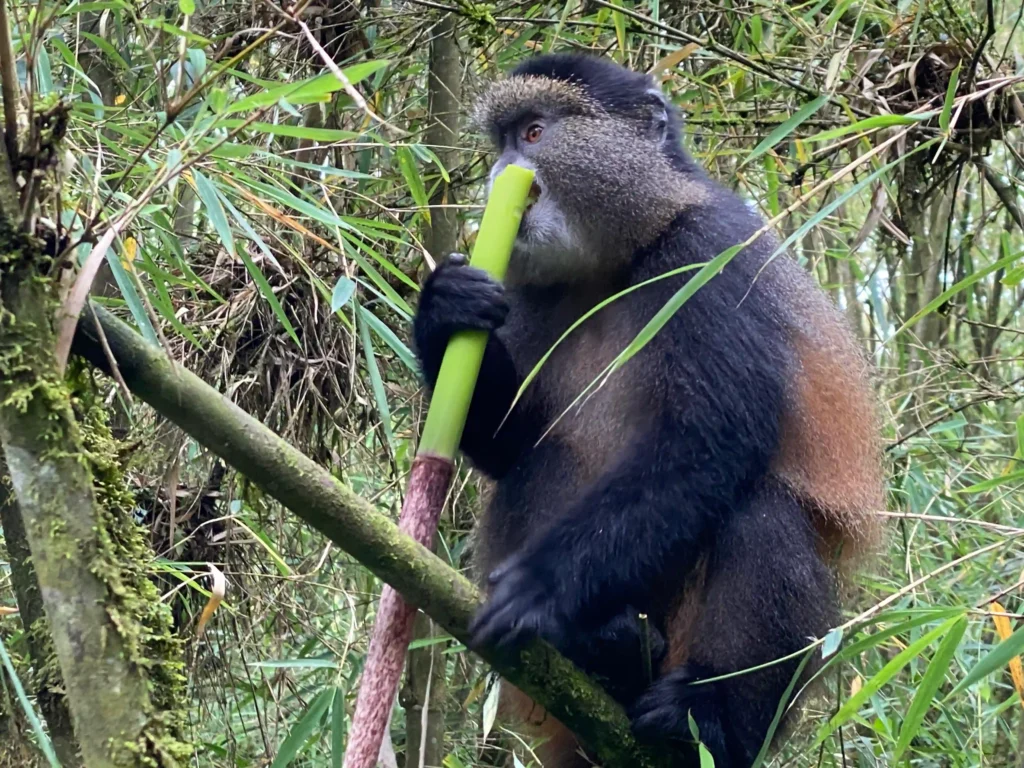
What Do Golden Monkeys Eat? Discover Their Diet, Feeding Habits and Natural Habitat in Uganda and Rwanda
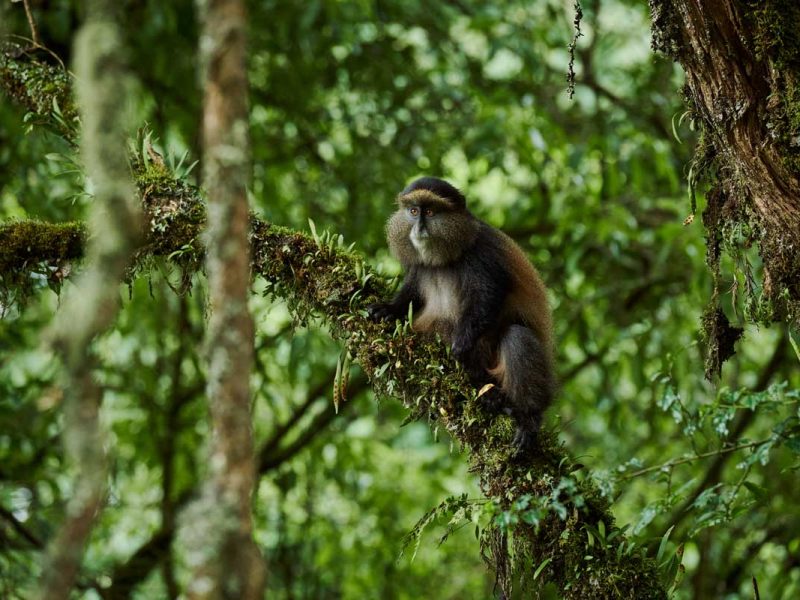
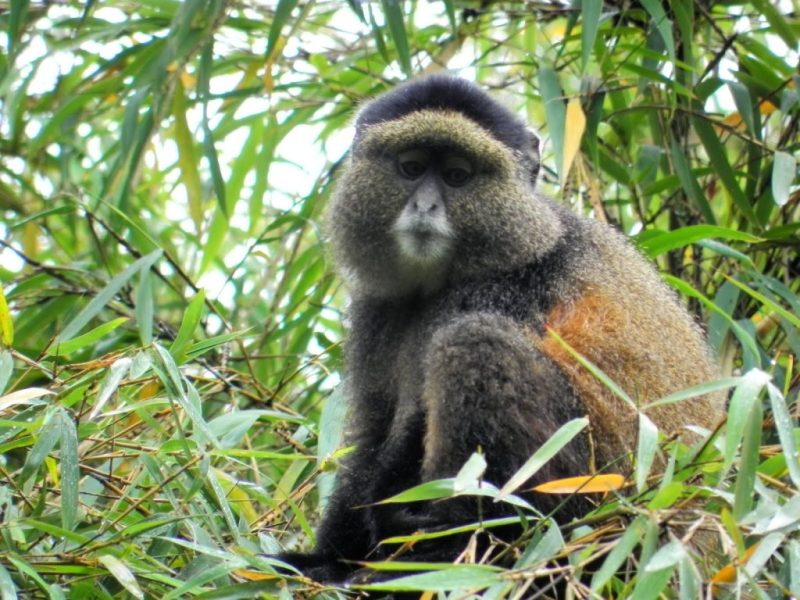
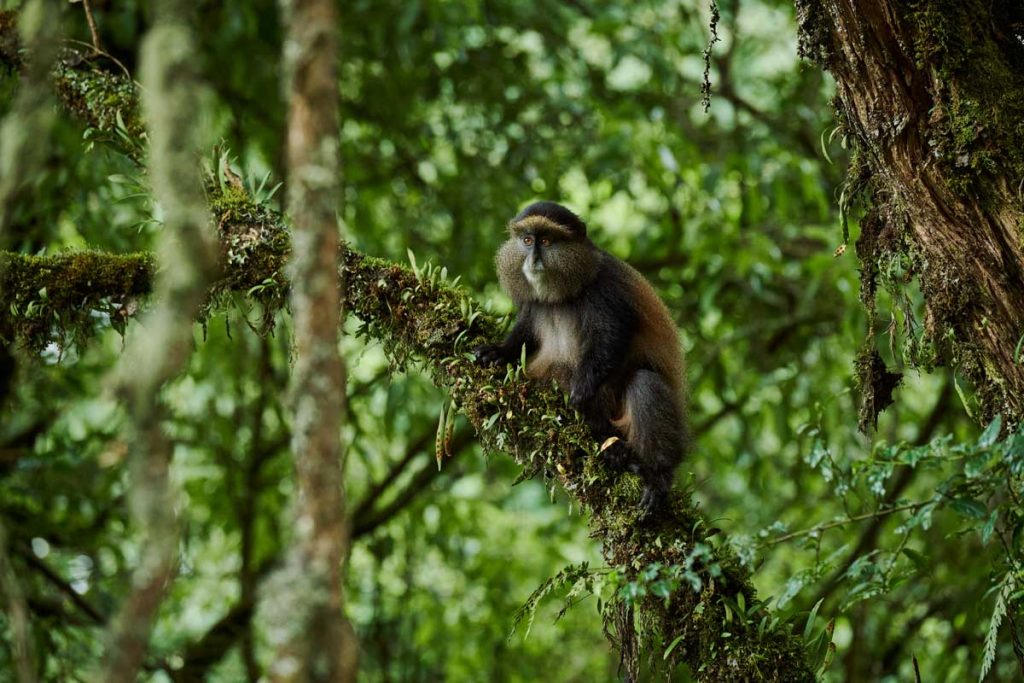
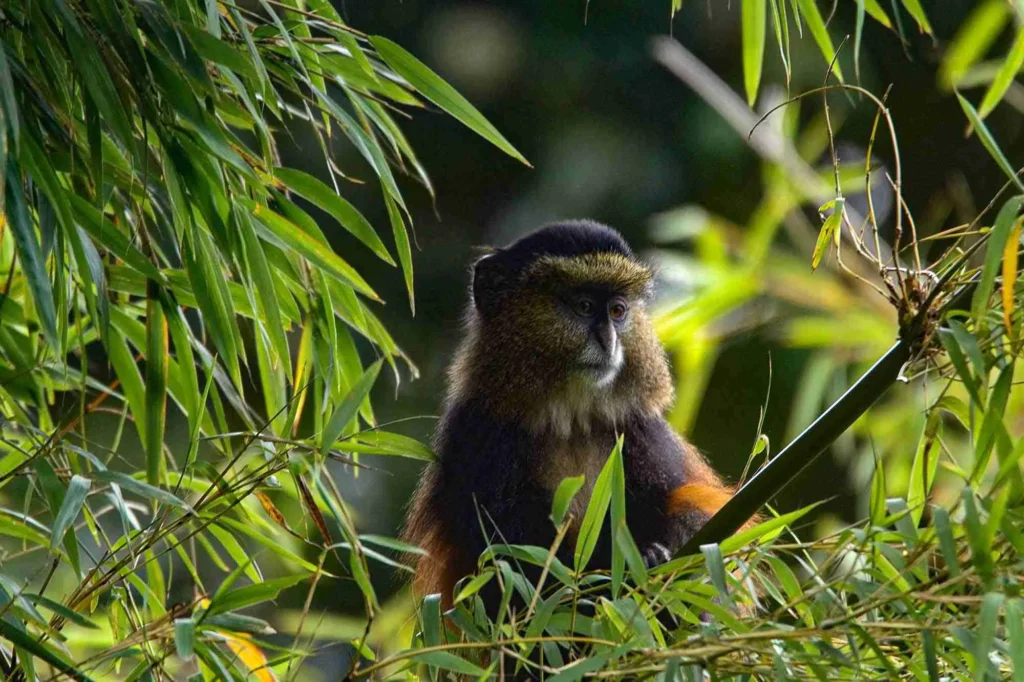
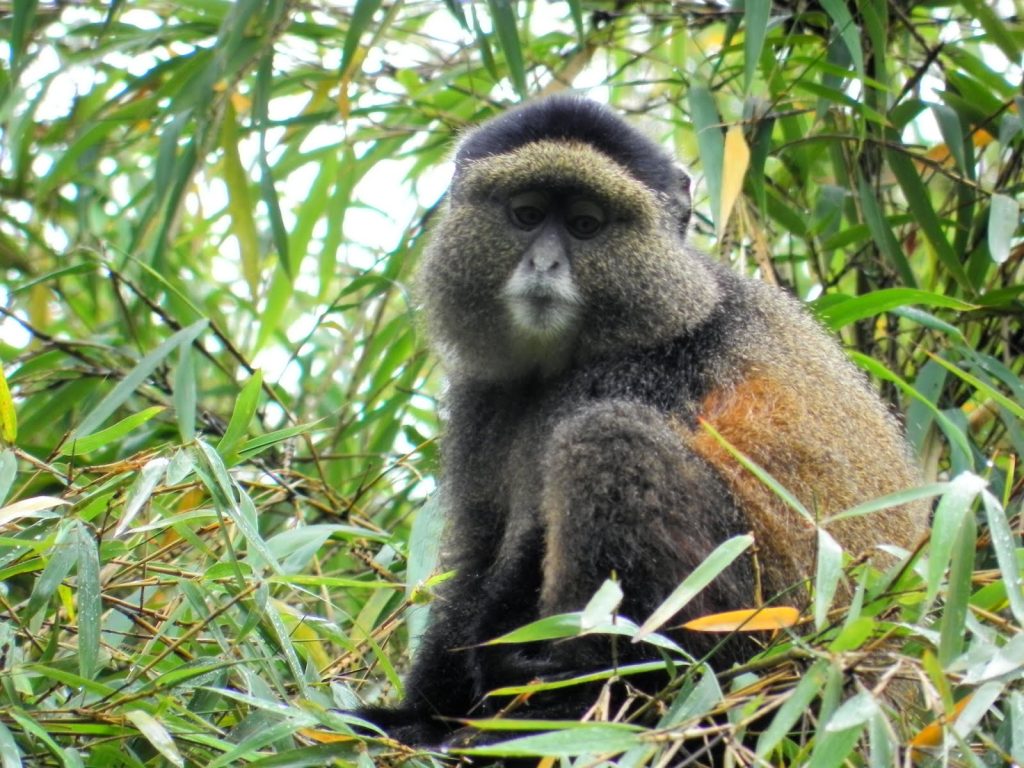
What do golden monkeys eat? This is an interesting question for wildlife enthusiasts, nature lovers, primate researchers, photographers, and travellers planning an unforgettable African safari. Golden monkeys are among the most fascinating primates found in the mountainous forests of East Africa. Recognised by their beautiful golden-orange fur, lively personalities, and remarkable social behaviour, these endangered animals inhabit the bamboo forests of the Virunga Mountain region, which stretches across Uganda, Rwanda, and the Democratic Republic of Congo. Their feeding habits are closely connected to the natural vegetation, seasonal food availability, and ecological conditions of these mountain forests. Understanding what golden monkeys eat provides valuable insights into their daily activities, survival strategies, natural behaviour, and importance within the forest ecosystem.
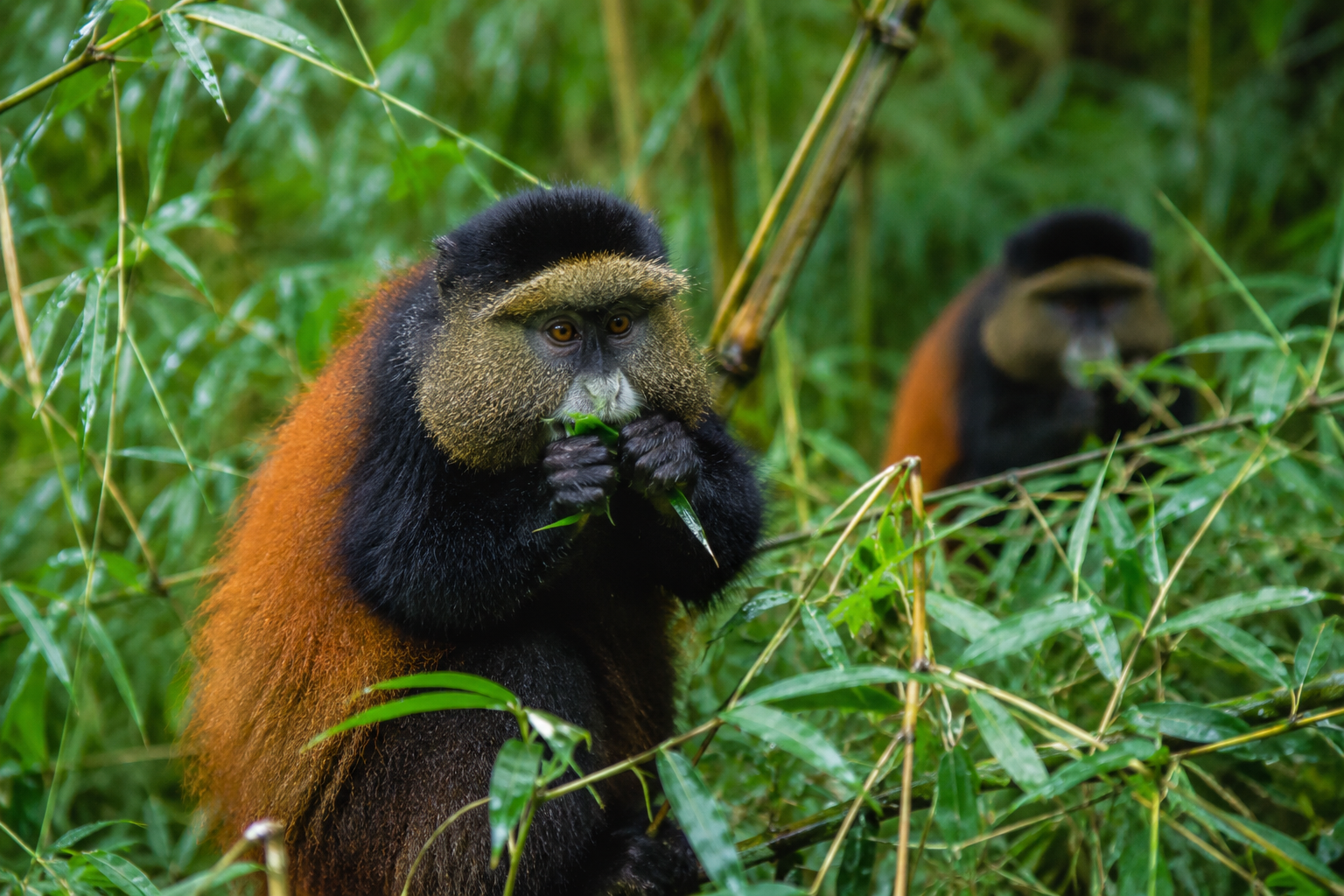
Golden monkeys are primarily plant-eating primates, with a diet consisting of bamboo shoots, leaves, fruits, flowers, and other available vegetation. Bamboo is particularly important because it provides an accessible food source within their preferred forest habitats. However, their feeding habits are not limited to bamboo alone. Depending on the season and availability of natural food, these primates also consume different plant materials that help meet their nutritional requirements. Their ability to use several food sources allows them to adapt to changing conditions within their mountain environment.
Understanding What Golden Monkeys Eat in the Wild
For travellers interested in Uganda Safaris, Rwanda Safaris, Rwanda Tours, and Uganda Adventures, learning about golden monkey feeding behaviour adds another dimension to the wildlife experience. At Kaara Safari Adventures Ltd, we encourage visitors to appreciate not only the beauty of African wildlife but also the ecological relationships that support its survival. Whether you are tracking golden monkeys in Uganda’s Mgahinga Gorilla National Park or Rwanda’s Volcanoes National Park, observing their feeding activities offers an educational and memorable encounter with one of East Africa’s most remarkable primates.
What Do Golden Monkeys Eat in Their Natural Habitat?
Which Foods Form the Main Part of Their Diet?
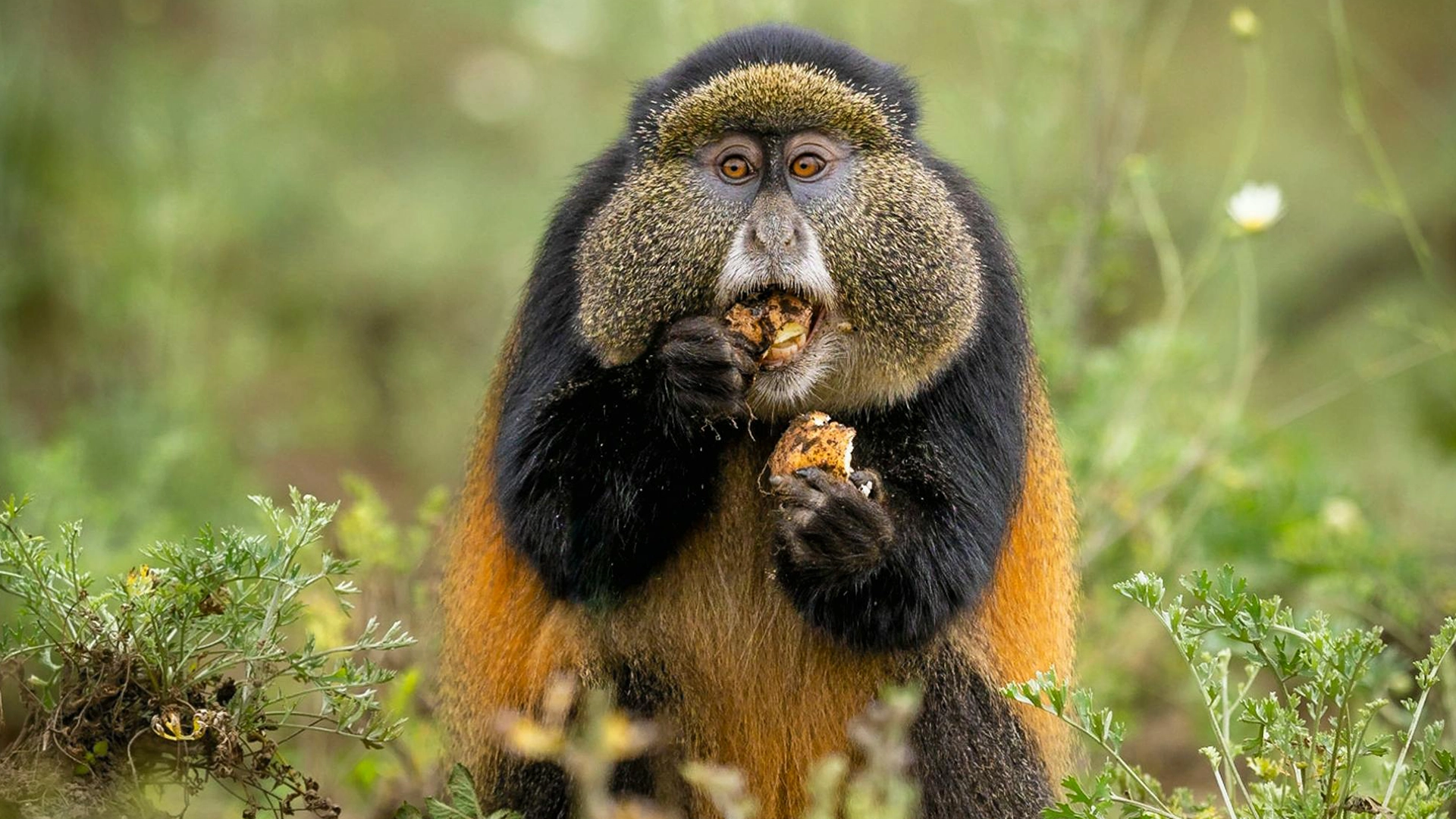
Golden monkeys are primarily herbivorous, meaning that most of their food comes from plants and natural vegetation. Their diet is strongly influenced by the bamboo forests and montane ecosystems where they live. Among their preferred foods are young bamboo shoots, bamboo leaves, fruits, flowers, and other edible plant materials. These natural food sources provide energy and nutrients needed for movement, growth, reproduction, and everyday survival.
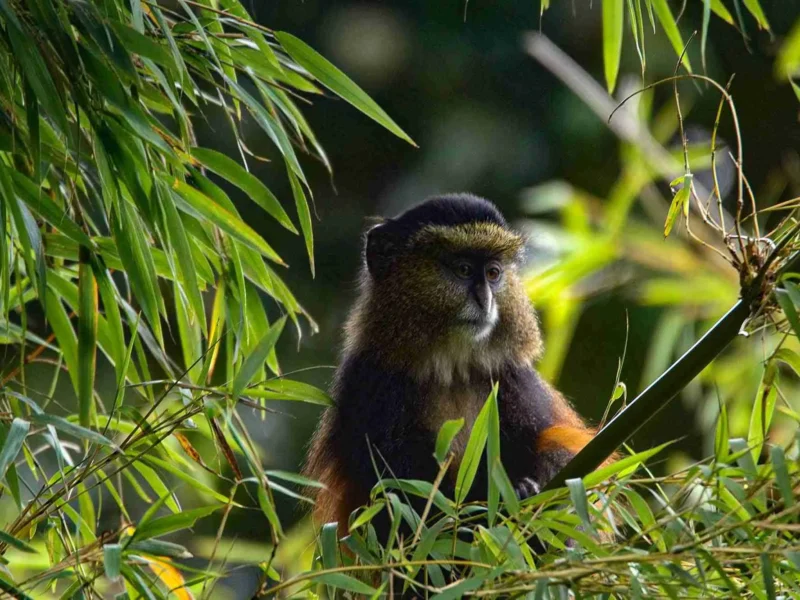
Bamboo shoots are particularly important because they provide a readily available food source in many sections of the Virunga mountain forests. Golden monkeys use their hands and mouths to select and consume suitable vegetation while moving through the forest. Besides bamboo, they feed on different fruits and leaves depending on seasonal availability. Flowers and other plant parts may also contribute to their diet, providing variety in their daily feeding activities.
Interestingly, golden monkeys do not depend on a single type of food throughout the year. Their feeding choices can change according to vegetation growth, weather patterns, and the availability of different plants. This flexibility is important because mountain forest environments experience seasonal changes that influence food distribution.
For visitors participating in goldenmonkeytracking, watching these primates feed is one of the most rewarding parts of the experience. Their movements through bamboo vegetation reveal how naturally adapted they are to their environment. At Kaara Safari Adventures Ltd, we encourage wildlife travellers to appreciate these behaviours as part of the wider conservation story behind Uganda and Rwanda’s extraordinary primate tourism attractions.
Why Do Golden Monkeys Depend on Bamboo Forests?
How Does Bamboo Support Their Survival?
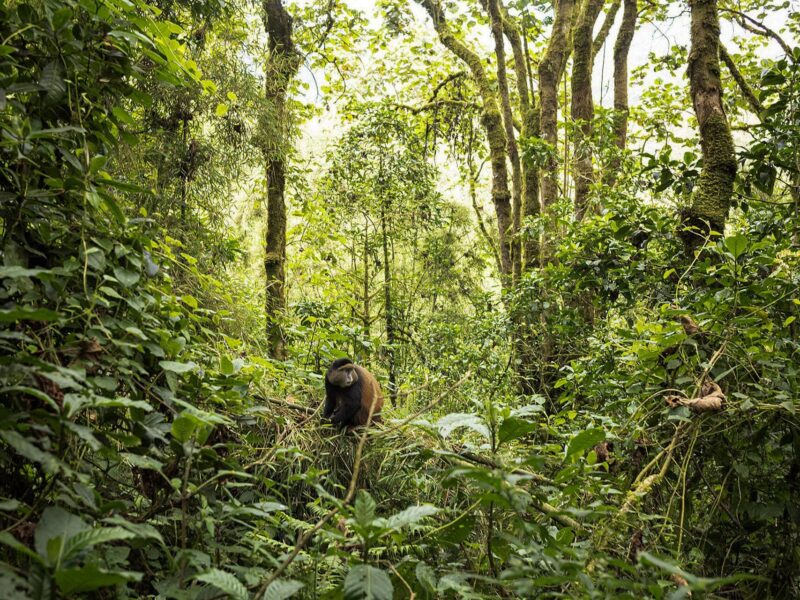
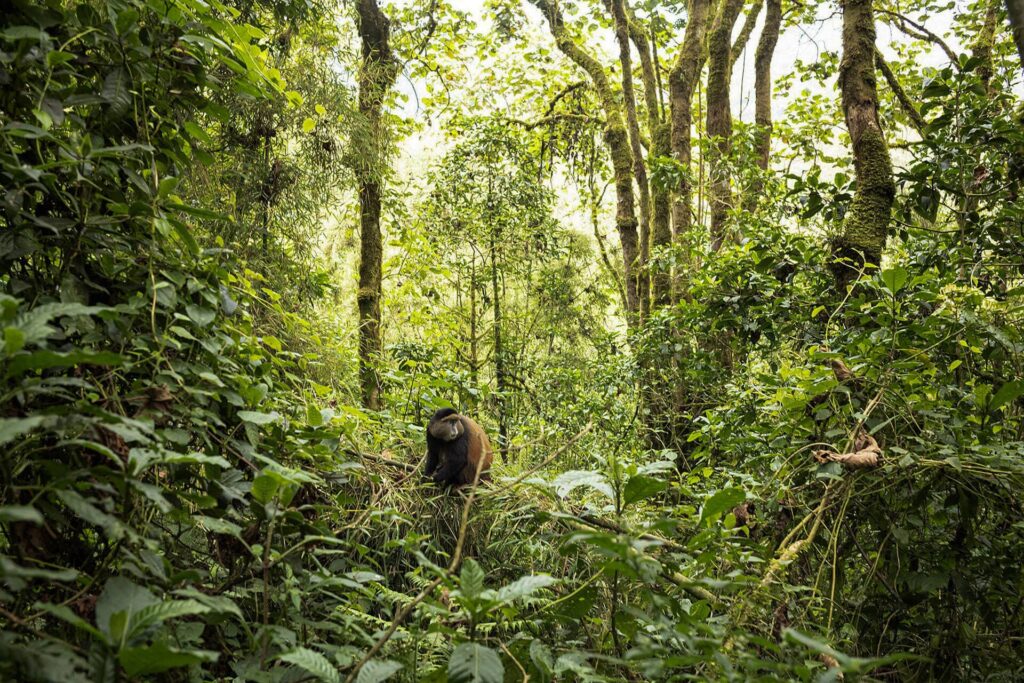
Bamboo forests provide an important feeding environment for golden monkeys because they contain vegetation that supports their dietary needs. These primates are particularly associated with bamboo-rich sections of the Virunga Mountains, where young shoots and leaves provide accessible natural food. The forest also offers shelter, suitable resting places, and interconnected vegetation that allows golden monkeys to move between feeding areas.
Bamboo is valuable because its shoots and leaves are available at different stages of plant growth, allowing golden monkeys to benefit from various parts of the vegetation. Feeding within bamboo forests also enables these primates to exploit resources within their preferred habitat rather than travelling long distances in search of food.
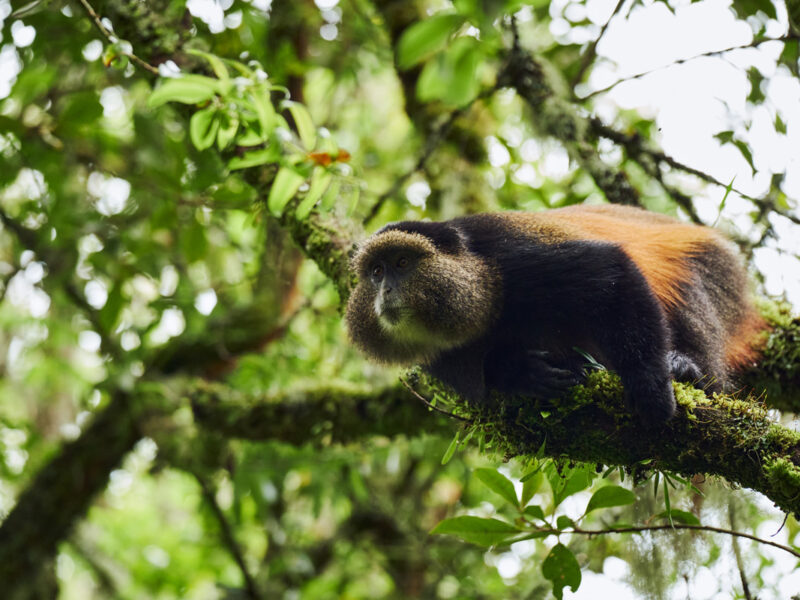
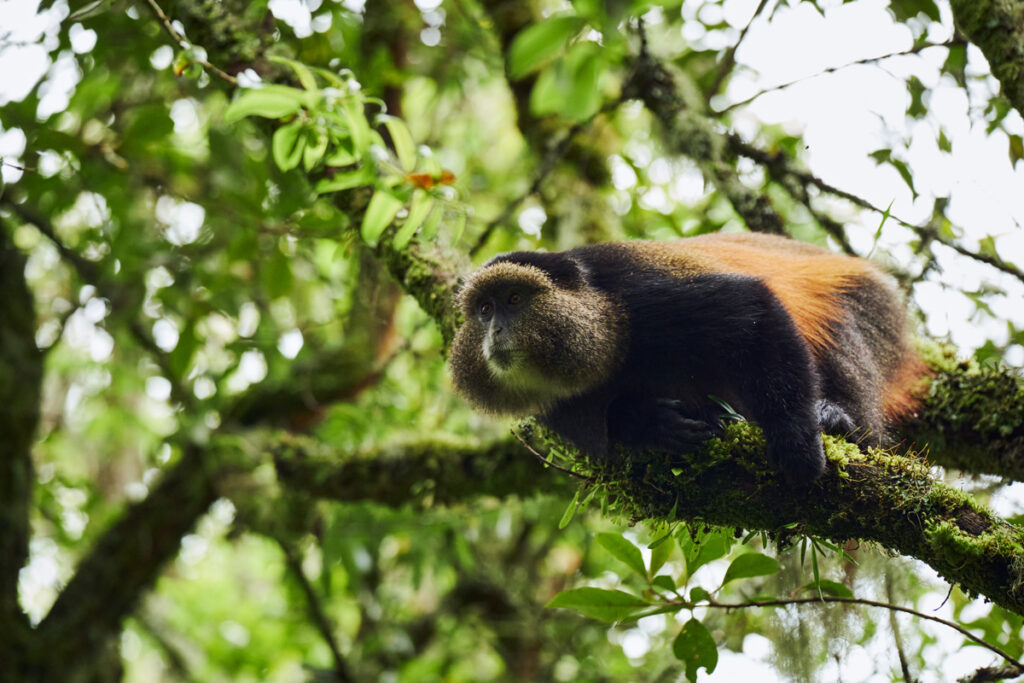
Furthermore, the structure of bamboo vegetation supports their active lifestyle. Golden monkeys are agile climbers that move between stems and branches while searching for edible plant materials. Their feeding behaviour is closely linked to their ability to navigate this environment efficiently.
Protecting bamboo forests is therefore essential for maintaining suitable golden monkey habitats. Deforestation, habitat degradation, and human disturbance can affect food availability and disrupt the ecological conditions necessary for their survival. Responsible tourism and conservation initiatives help protect these fragile mountain environments for future generations.
 What Are the Expectations During Golden Monkey Tracking?
Can You Observe Golden Monkeys Feeding During a Safari?
Yes. Observing golden monkeys feeding is one of the fascinating highlights of tracking experiences in Uganda and Rwanda. During a guided excursion, visitors enter the forest accompanied by authorised park rangers and trackers who help locate habituated golden monkey groups. Once the animals are found, travellers may observe them searching for bamboo shoots, chewing leaves, grooming, climbing, and interacting with other members of their group.
The experience normally begins with a morning briefing at the park headquarters, where guides explain tracking procedures, wildlife safety, and responsible viewing practices. Participants then follow designated forest routes in search of the monkeys. Walking conditions vary depending on the location of the group, terrain, and weather.
When the primates are located, visitors generally receive up to one hour to observe the habituated group during standard tracking, subject to park regulations. Their feeding activities can provide an excellent opportunity to understand their natural diet and behaviour. Photography is also rewarding, particularly when the animals are feeding in open sections of bamboo vegetation.
For travellers planning Uganda Adventures or Rwanda Tours, golden monkey tracking offers more than a simple wildlife sighting. It provides an opportunity to learn about forest ecology, endangered primates, and the importance of conserving Africa’s mountain ecosystems.
When Is the Best Time to See Golden Monkeys Feeding in Uganda and Rwanda?
Which Season Offers the Best Wildlife Experience?
Golden monkey tracking is available throughout the year in Uganda and Rwanda, although certain seasons generally provide more comfortable walking conditions. The main dry seasons usually occur between June and September and December and February. During these months, forest trails may be less muddy, making it easier to explore bamboo vegetation and observe wildlife.
Alternatively, rainy seasons transform the mountain forests into lush green environments. Vegetation flourishes, creating beautiful natural scenery and supporting the growth of different plant foods. Although rainfall may make walking more challenging, visitors can still enjoy rewarding golden monkey tracking experiences.
At Kaara Safari Adventures Ltd, we recommend planning your safari according to your preferred travel conditions, accommodation arrangements, and other activities. Combining golden monkey tracking with gorilla trekking can make your holiday particularly rewarding, especially for travellers exploring Mgahinga Gorilla National Park or Volcanoes National Park.
Why Choose Kaara Safari Adventures Ltd for Golden Monkey Tracking?
How Can We Make Your Primate Safari Memorable?
Choosing a reliable safari company helps ensure that your wildlife holiday is properly organised and enjoyable. At Kaara Safari Adventures Ltd, we focus on providing personalised travel arrangements that introduce international visitors to the natural beauty and biodiversity of East Africa.
Our services can include golden monkey tracking arrangements, accommodation reservations, transportation, airport transfers, and customised safari itineraries. Visitors interested in learning about what golden monkeys eat can enjoy guided tracking experiences that provide opportunities to observe their natural feeding behaviour while exploring the spectacular Virunga Mountain landscape.
Additionally, travellers can combine golden monkey tracking with mountain gorilla trekking, birdwatching, cultural experiences, and other wildlife activities. Those with more time can explore Uganda’s national parks or extend their holidays into Rwanda through carefully organised cross-border safaris.
Our commitment is to promote responsible tourism, respect wildlife conservation guidelines, and help visitors develop a deeper appreciation of Africa’s natural heritage. Through professional planning and attention to traveller needs, we aim to make every safari a meaningful experience.
What Should You Pack for Golden Monkey Tracking?
Which Items Are Essential for a Comfortable Forest Walk?
Since golden monkey tracking takes place in mountainous forest environments, appropriate clothing and equipment are important. Visitors should prepare for changing temperatures, occasional rainfall, and uneven walking trails.
Recommended items include:
-
Hiking boots: Waterproof footwear with good grip for muddy and uneven trails.
-
Long trousers: Protect your legs from vegetation and minor scratches.
-
Long-sleeved shirts: Provide additional protection during forest walks.
-
Rain jacket: Useful for unexpected mountain showers.
-
Garden gloves: Protect your hands when navigating vegetation, where permitted.
-
Camera: Capture memorable wildlife encounters while respecting photography guidelines.
-
Binoculars: Help you observe birds and other forest wildlife.
-
Drinking water: Maintain hydration throughout the excursion.
-
Small backpack: Carry personal essentials comfortably.
-
Insect repellent: Provides additional protection against biting insects.
-
Personal medication: Bring any essential medication you may need.
Comfortable clothing and proper preparation allow visitors to concentrate on enjoying the wildlife experience.
 How Does Golden Monkey Conservation Protect Their Food Sources?
Why Is Protecting Their Natural Diet Important?
Golden monkey survival depends on healthy forest ecosystems that provide sufficient food, shelter, and suitable breeding environments. Their dependence on bamboo vegetation makes habitat protection particularly important. When forests are degraded or fragmented, natural feeding areas may become smaller, potentially affecting food availability and the movement of different monkey groups.
Conservation organisations, protected-area authorities, and local communities play important roles in safeguarding these habitats. Responsible tourism also contributes by creating economic value for protected natural areas and encouraging visitors to appreciate wildlife conservation.
During golden monkey tracking in Uganda and Rwanda, visitors should never feed the animals or introduce human food into their environment. Their natural diet is adapted to the forest ecosystem, and artificial feeding can interfere with their normal behaviour and create unnecessary health risks.
By following park regulations and supporting responsible tourism, travellers contribute to the protection of golden monkeys and their natural feeding environments.
Book Your Golden Monkey Tracking Safari With Kaara Safari Adventures Ltd
Understanding what golden monkeys eat offers a fascinating introduction to their natural behaviour, habitat requirements, and ecological importance. From bamboo shoots and leaves to fruits, flowers, and other vegetation, their varied plant-based diet reflects their adaptation to the mountain forests of East Africa.
Whether you want to observe golden monkeys feeding in Mgahinga Gorilla National Park or discover their natural behaviour in Rwanda’s Volcanoes National Park, Kaara Safari Adventures Ltd can help organise an unforgettable wildlife experience.
Contact Kaara Safari Adventures Ltd today and let us introduce you to the extraordinary primates, beautiful landscapes, and remarkable conservation experiences of Uganda and Rwanda.