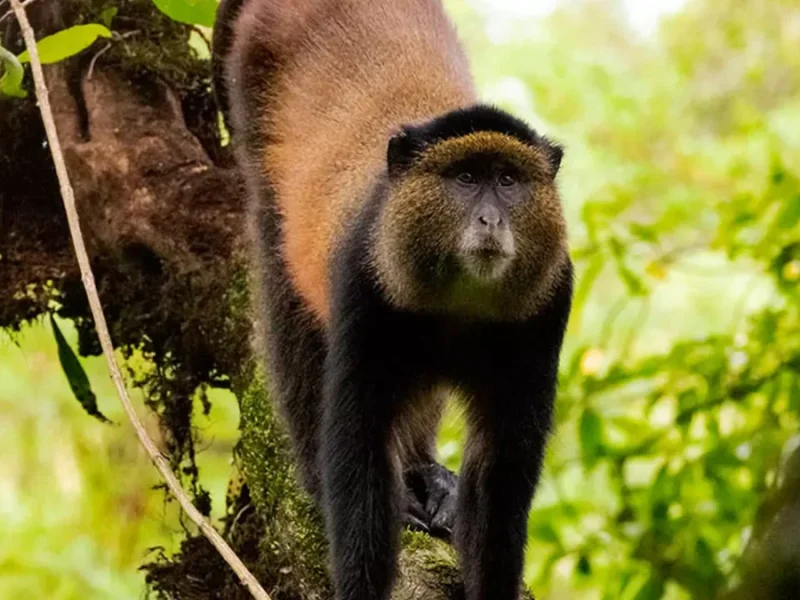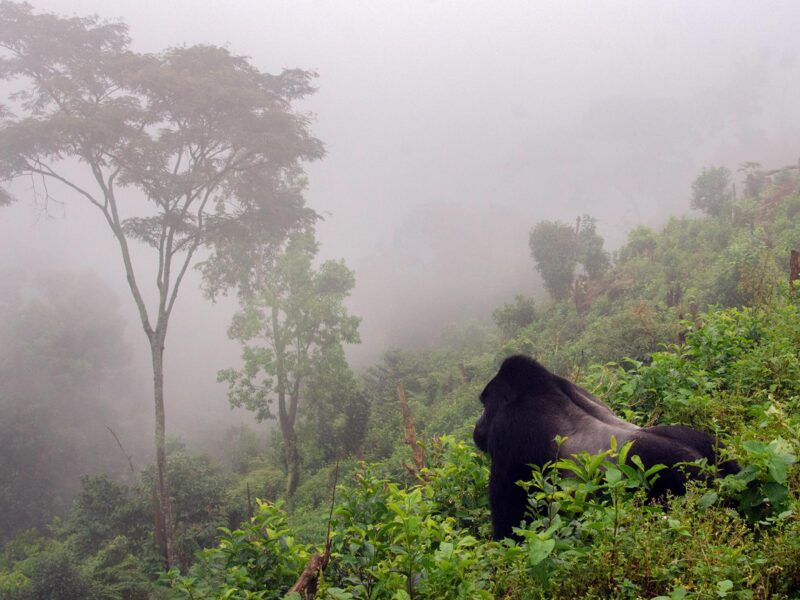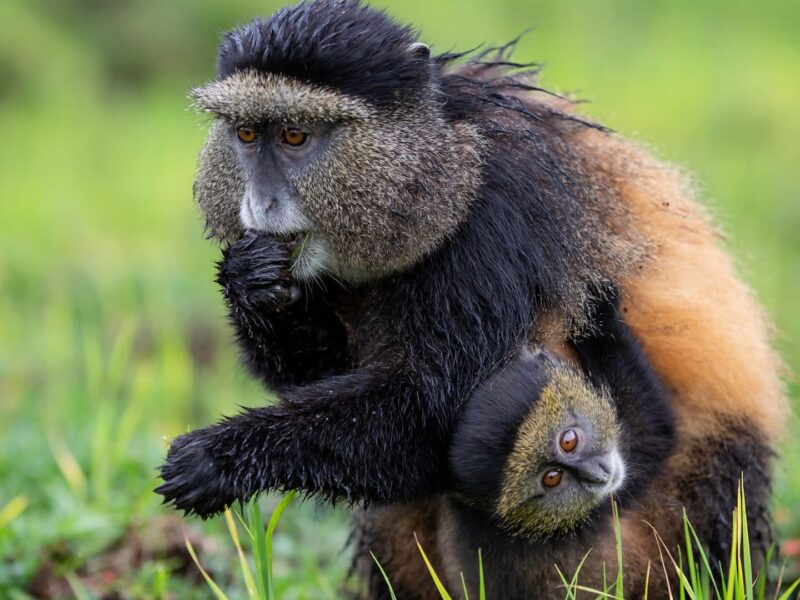
Which National Parks Are Best for Wildlife Viewing in Rwanda?
November 12, 2026
How Can Kaara Safaris Adventures Design a Customised Adventure Expedition?
November 13, 2026
What Makes Kenya Famous for Wildlife Safaris?
Kenya is internationally recognised as one of Africa’s most extraordinary wildlife safari destinations, attracting thousands of nature enthusiasts, photographers, adventure seekers, families, and holidaymakers from different parts of the world. Situated in East Africa, this remarkable country is blessed with spectacular landscapes, extensive savannah grasslands, dramatic mountain ranges, freshwater lakes, tropical forests, and diverse wildlife habitats that support an impressive variety of animal species. For travellers wondering what makes Kenya famous for wildlife safaris, the answer lies in its extraordinary wildlife diversity, world-renowned national parks, spectacular Great Wildebeest Migration, established conservation areas, and authentic cultural experiences. The country is home to some of Africa’s most celebrated wildlife destinations, including Maasai Mara National Reserve, Amboseli National Park, Tsavo East National Park, Tsavo West National Park, Lake Nakuru National Park, and Samburu National Reserve.
Discover Why Kenya Is One of Africa’s Most Famous Wildlife Safari Destinations
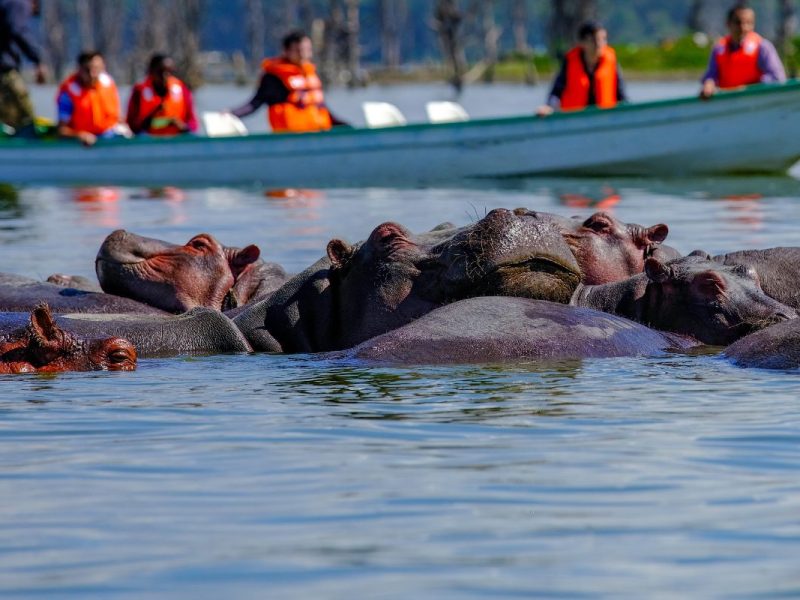
These protected areas provide opportunities to encounter African elephants, lions, leopards, cheetahs, buffaloes, rhinoceroses, giraffes, zebras, wildebeests, hippos, and numerous antelope species in their natural environments. Among Kenya’s most famous attractions is the annual Great Wildebeest Migration, when enormous herds of wildebeests and zebras move through the Serengeti-Mara ecosystem in search of fresh grazing and water. Additionally, visitors can enjoy traditional game drives, guided nature walks in authorised areas, hot-air balloon safaris, birdwatching, photography excursions, and cultural visits with local communities. Beyond wildlife viewing, Kenya offers a well-developed tourism industry with accommodation ranging from comfortable safari camps to exclusive luxury lodges. At Kaara Safaris Adventures, we recognise Kenya as an exceptional destination for travellers seeking meaningful African experiences. Our aim is to help international visitors understand what makes the country unique, explore its outstanding wildlife attractions, and appreciate the conservation efforts that protect its remarkable natural heritage.
Why Is the Maasai Mara National Reserve Famous for Wildlife Safaris?
The Maasai Mara National Reserve is one of Kenya’s most celebrated wildlife destinations and a major reason what makes Kenya famous for wildlife safaris continues to attract international attention. Located in southwestern Kenya, this remarkable conservation area forms part of the greater Serengeti-Mara ecosystem, which extends into northern Tanzania. Its extensive grasslands, seasonal rivers, scattered acacia trees, and diverse wildlife populations create an exceptional environment for traditional African game viewing. The reserve is particularly famous for its large populations of lions, leopards, cheetahs, elephants, buffaloes, giraffes, zebras, and wildebeests. Visitors exploring the Maasai Mara can experience rewarding game drives while searching for predators and herbivores across the open plains. One of the most exciting attractions is the Great Wildebeest Migration, which brings enormous herds of wildebeests and zebras into the Mara ecosystem during part of the year. River crossings, particularly along the Mara River, are among the most dramatic wildlife spectacles, although their timing and location are unpredictable. During these movements, crocodiles may be observed waiting in the water while predators take advantage of opportunities to hunt vulnerable animals. Apart from the migration, the reserve offers excellent wildlife viewing throughout the year because many resident animal populations remain within the ecosystem. Birdwatchers can also discover numerous species inhabiting the grasslands, riverine forests, and wetlands. For photographers, the open landscape provides wonderful opportunities to capture wildlife interactions, sunrise scenery, and dramatic African sunsets. Travellers interested in Kenya wildlife safaris should consider spending sufficient time in the Maasai Mara to explore different sections of the reserve and appreciate its ecological diversity. At Kaara Safaris Adventures, we recommend this destination for guests seeking classic African safari experiences and unforgettable encounters with wildlife.
What Makes the Great Wildebeest Migration a Unique Kenyan Safari Experience?
The Great Wildebeest Migration is one of the world’s most spectacular natural wildlife events and an important explanation of what makes Kenya famous for wildlife safaris. This extraordinary movement takes place across the Serengeti-Mara ecosystem, involving approximately 1.5 million wildebeests, accompanied by hundreds of thousands of zebras and gazelles. These animals travel across extensive grasslands in search of fresh pasture and water, responding to seasonal rainfall patterns and changing environmental conditions. Although the migration occurs throughout the year, Kenya’s Maasai Mara becomes a major destination when large herds move northwards from Tanzania, generally between July and October, with timing varying according to rainfall and grazing conditions. During this period, visitors may have opportunities to witness impressive river crossings along the Mara River, where animals face strong currents and potential encounters with large Nile crocodiles. Such moments reveal the challenges of survival in the African wilderness and create remarkable opportunities for wildlife photography. Another fascinating aspect of the migration is the presence of predators, including lions, cheetahs, leopards, and spotted hyenas, which follow the herds and take advantage of hunting opportunities. Nevertheless, the migration is not limited to river crossings. Travellers can also observe enormous herds grazing across the plains, moving between different feeding grounds, and interacting with other wildlife species. Understanding the migration requires recognising that it is a continuous ecological process rather than a single event occurring on predetermined dates. Consequently, visitors should plan their travel according to current wildlife movements and seasonal conditions. At Kaara Safaris Adventures, we encourage travellers to approach migration safaris with flexibility, allowing enough time to explore the reserve and appreciate different stages of this extraordinary natural phenomenon.
Which Famous National Parks Make Kenya an Exceptional Wildlife Destination?
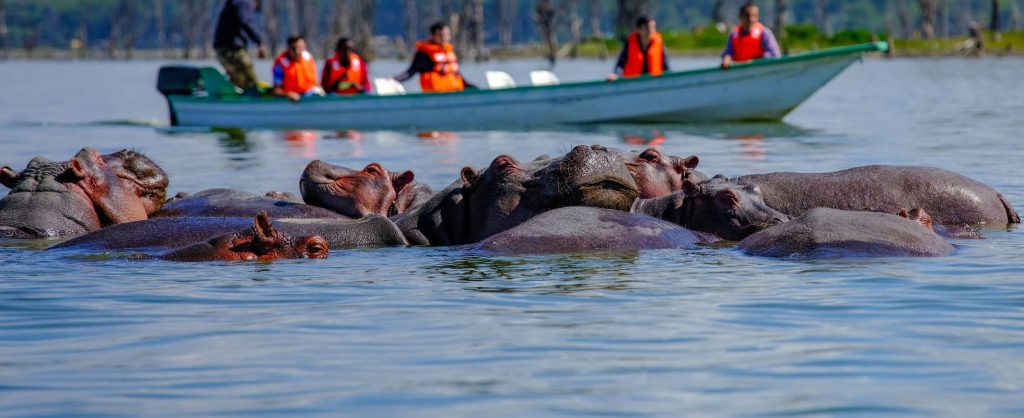
Kenya’s impressive collection of national parks and protected reserves is another major factor explaining what makes Kenya famous for wildlife safaris. Each destination offers distinctive landscapes, animal populations, and safari experiences, allowing travellers to select locations that match their interests. Amboseli National Park is particularly famous for its large elephant herds and spectacular views of Mount Kilimanjaro, Africa’s highest mountain. The park’s open plains, seasonal wetlands, and swamps attract numerous animals, creating excellent opportunities for wildlife photography. Tsavo East and Tsavo West National Parks together form one of Kenya’s largest protected wilderness landscapes. Tsavo East is renowned for its expansive semi-arid plains and large elephant populations, while Tsavo West features volcanic scenery, rocky landscapes, springs, and diverse wildlife habitats. Lake Nakuru National Park is another important destination, particularly for its birdlife, rhinoceroses, Rothschild’s giraffes, and beautiful lake scenery. Samburu National Reserve offers a different safari experience in northern Kenya, supporting several species commonly associated with arid environments, including Grevy’s zebras, reticulated giraffes, Somali ostriches, gerenuks, and Beisa oryx. Meanwhile, Ol Pejeta Conservancy is internationally recognised for its rhinoceros conservation work and opportunities to learn about wildlife protection. These different destinations demonstrate that Kenya offers much more than the famous Maasai Mara. Visitors can combine several parks to experience different ecosystems, wildlife species, and cultural landscapes during one holiday. Such diversity makes Kenya suitable for first-time safari travellers, returning visitors, wildlife photographers, and families seeking memorable African adventures. Kaara Safaris Adventures encourages guests to choose destinations according to their wildlife interests, travel duration, and preferred safari experiences rather than attempting to visit too many parks within a limited period.
Why Is Amboseli National Park Famous for Elephant Safaris?
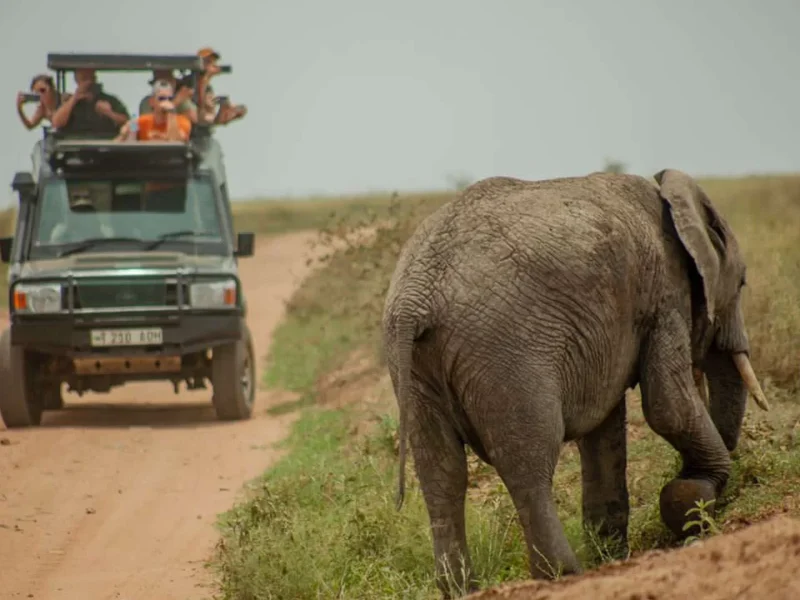
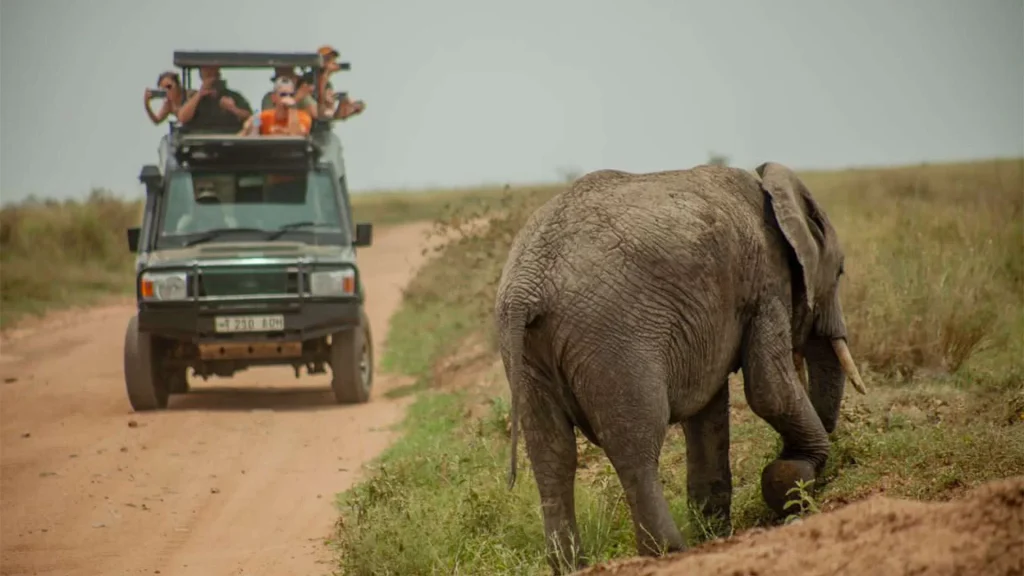
Amboseli National Park is among Kenya’s most visually impressive wildlife destinations, particularly for travellers interested in observing African elephants against the magnificent backdrop of Mount Kilimanjaro. Its distinctive scenery and large elephant populations contribute significantly to what makes Kenya famous for wildlife safaris. Located in southern Kenya near the Tanzania border, Amboseli features open grasslands, acacia woodlands, seasonal lakes, and extensive wetlands supplied by underground water originating from the Kilimanjaro region. These habitats support numerous wildlife species, including elephants, lions, buffaloes, cheetahs, zebras, wildebeests, giraffes, hyenas, and different antelope species. The park is especially celebrated for its elephant populations, which have been studied for decades and are among the best-known in Africa. Visitors frequently encounter elephant families moving across the plains, feeding near swamps, or gathering around water sources. Such experiences provide excellent opportunities to observe their social behaviour, communication, and family relationships. The surrounding landscape creates particularly attractive photographic conditions, especially when Mount Kilimanjaro is visible during clear mornings or late afternoons. Beyond elephants, Amboseli offers rewarding birdwatching opportunities, with numerous waterbirds and savannah species inhabiting its wetlands and surrounding vegetation. The park’s relatively open terrain can also make wildlife easier to observe during game drives. For travellers seeking Kenya elephant safaris, Amboseli offers a memorable combination of wildlife encounters and spectacular scenery. At Kaara Safaris Adventures, we recommend incorporating Amboseli into longer Kenya safari itineraries, particularly for visitors who appreciate photography, elephant conservation, and scenic African landscapes.

What Makes Kenya’s Big Five Wildlife Safaris So Popular?
Kenya is one of Africa’s most rewarding destinations for travellers hoping to encounter the legendary Big Five, which comprise African lions, African elephants, African leopards, African buffaloes, and rhinoceroses. The opportunity to search for these five iconic animals is another important reason what makes Kenya famous for wildlife safaris remains a popular question among international holidaymakers. The Maasai Mara offers excellent opportunities to encounter lions, leopards, elephants, and buffaloes, while several other protected areas provide additional opportunities to observe these species. Amboseli is particularly well known for elephants, whereas Lake Nakuru and Ol Pejeta are important destinations for rhinoceros conservation and viewing. Tsavo’s extensive wilderness also supports large elephant populations, lions, buffaloes, and other impressive mammals. Each animal provides a different wildlife experience. Lions are often observed resting in grasslands or moving through their territories, while leopards are more elusive and may be spotted resting in trees or moving through dense vegetation. Elephants are frequently encountered in family groups, and buffaloes often gather in large herds. Rhinoceroses, particularly black and white rhinos in protected conservation areas, are highly valued wildlife encounters because of their conservation importance. Visitors should understand that sightings depend on animal movements, environmental conditions, and the time spent exploring different habitats. Therefore, no responsible safari operator should promise guaranteed sightings of every Big Five species. Experienced guides, appropriate destination selection, and flexible game-drive schedules can improve opportunities for memorable encounters. Beyond the excitement of spotting famous animals, Big Five safaris provide opportunities to understand predator behaviour, habitat protection, and the importance of wildlife conservation. For visitors planning Kenya safari holidays, these experiences combine adventure, education, and appreciation of Africa’s natural heritage.
Why Is Kenya a Paradise for Birdwatching and Wildlife Photography?
Kenya’s extraordinary bird diversity and beautiful natural landscapes make it an outstanding destination for specialist birdwatchers and wildlife photographers. Beyond its famous mammals, the country supports an impressive variety of resident and migratory bird species across forests, wetlands, lakes, grasslands, and semi-arid environments. This ecological richness further explains what makes Kenya famous for wildlife safaris, especially among travellers seeking specialised nature experiences. The Great Rift Valley lakes, including Lake Nakuru, Lake Naivasha, and Lake Bogoria, are important birding locations where visitors may encounter flamingos, pelicans, fish eagles, storks, herons, and numerous other waterbirds. Samburu and other northern reserves support distinctive arid-region bird communities, while the forests and highlands provide habitats for different woodland species. Photography enthusiasts will appreciate Kenya’s varied scenery, from the open plains of the Maasai Mara to Amboseli’s mountain views and Tsavo’s striking red-earth landscapes. Game drives during early morning and late afternoon often provide attractive lighting conditions, allowing photographers to capture animals against beautiful natural backgrounds. Birdwatching excursions can be especially rewarding when accompanied by knowledgeable guides who understand bird identification, calls, seasonal movements, and habitat preferences. Meanwhile, dedicated photography safaris can allow more time at selected locations, reducing the pressure to move quickly between attractions. Travellers should use appropriate camera equipment, binoculars, and sufficient storage for their photographs. Responsible photography is equally important: visitors should never disturb animals, block their movements, or request unsafe vehicle positioning for pictures. At Kaara Safaris Adventures, we encourage nature-focused travellers to appreciate both the famous mammals and the smaller wildlife that contribute to Kenya’s remarkable biodiversity.
How Do Kenya’s Cultural Experiences Enrich Wildlife Safaris?
Kenya’s cultural heritage adds another valuable dimension to its wildlife tourism industry, helping explain what makes Kenya famous for wildlife safaris beyond its impressive national parks. The country is home to diverse communities with distinctive traditions, languages, livelihoods, and relationships with the natural environment. Among the best-known cultural communities are the Maasai, whose pastoral traditions and cultural heritage are closely associated with parts of southern Kenya and northern Tanzania. Respectfully organised community visits can introduce travellers to traditional homes, livestock practices, music, dance, crafts, and local perspectives on conservation. Samburu cultural experiences in northern Kenya can also provide insights into traditional pastoral lifestyles and community identity. Such encounters create opportunities for visitors to learn about the relationship between people, wildlife, and natural resources. In several regions, community conservancies contribute to wildlife protection by combining tourism, local participation, and sustainable livelihood opportunities. These arrangements can support employment, education, cultural preservation, and conservation awareness. However, cultural visits should be arranged respectfully, with appropriate consent and fair consideration of participating communities. Visitors should avoid treating cultural traditions as performances and instead approach each encounter as an opportunity for genuine learning and exchange. Beyond community experiences, travellers can explore Kenyan cuisine, local markets, traditional crafts, and regional historical attractions. Combining cultural discovery with wildlife viewing creates a more comprehensive African holiday because it helps visitors understand the people and landscapes connected to the safari destinations. Kaara Safaris Adventures encourages travellers to include meaningful cultural experiences in their Kenya itineraries while respecting local customs, privacy, and community preferences.
What Are the Expectations During a Kenya Wildlife Safari?
Visitors planning Kenya wildlife safaris should expect an exciting combination of wildlife encounters, scenic exploration, outdoor activities, and cultural discovery. Depending on the selected itinerary, guests may enjoy early-morning and afternoon game drives, full-day wildlife excursions, guided walks in authorised conservancies, birdwatching, and hot-air balloon experiences. A typical safari itinerary may combine the Maasai Mara, Amboseli, Lake Nakuru, and other destinations according to the available travel period and individual interests. Throughout the journey, travellers may encounter elephants, lions, buffaloes, giraffes, zebras, wildebeests, antelopes, hippos, and numerous bird species. Predator sightings are particularly exciting but remain unpredictable because animals move naturally through their habitats. Guests should also anticipate early departures, changing weather conditions, occasional dusty roads, and travel between different national parks. Accommodation choices range from comfortable safari lodges and tented camps to luxury properties offering additional amenities. Professional guides provide valuable information about animal behaviour, wildlife identification, conservation initiatives, and the ecological importance of different habitats. Photography enthusiasts can expect excellent opportunities to capture wildlife, landscapes, and cultural experiences. Seasonal conditions may influence the accessibility of some areas and the location of particular animal populations. Consequently, travellers should remain flexible and allow enough time to explore their chosen destinations without rushing between parks. At Kaara Safaris Adventures, we encourage visitors to approach every excursion with realistic expectations, patience, and respect for the natural environment. A successful safari is not measured only by the number of animals photographed but also by the knowledge, appreciation, and memories gained throughout the journey.
Why East Africa Should Be Your Next Adventure
When Is the Best Time to Visit Kenya for Wildlife Safaris?
Selecting the right travel season can make a significant difference when planning what makes Kenya famous for wildlife safaris as part of your African holiday. Generally, Kenya’s dry seasons from June to October and January to February are popular periods for traditional wildlife viewing. During these months, reduced rainfall in many regions can make some roads easier to navigate, while shorter vegetation may improve visibility across open habitats. Wildlife often gathers around permanent water sources, creating favourable opportunities for game drives and photography. The period from July to October is particularly popular among travellers hoping to experience the Great Wildebeest Migration in the Maasai Mara, although the exact timing depends on rainfall and grazing conditions across the wider ecosystem. January and February can also provide excellent wildlife-viewing opportunities in several parks. Nevertheless, Kenya remains a rewarding safari destination throughout the year. The green seasons bring beautiful scenery, flourishing vegetation, and interesting birdwatching opportunities, particularly for travellers interested in migratory species. March to May generally experiences the long rains in many regions, while shorter rains commonly occur around October and November, although local weather patterns vary. Some roads may become muddy during heavier rainfall, and wildlife can be more dispersed because water and grazing are available across wider areas. Importantly, migration movements are not controlled by a fixed calendar, so visitors should seek current destination information before booking. At Kaara Safaris Adventures, we recommend choosing travel dates according to your preferred wildlife experiences, selected national parks, photography interests, and available holiday time.
Why Choose Kaara Safaris Adventures for Your Kenya Wildlife Safari?
Choosing a knowledgeable and reliable safari operator is an important part of planning a successful African holiday. At Kaara Safaris Adventures, our approach to Kenya safari planning focuses on helping international travellers discover the country’s outstanding wildlife destinations through thoughtfully organised travel experiences. We recognise that every visitor has different expectations, whether they are interested in witnessing the Great Wildebeest Migration, searching for the Big Five, photographing elephants in Amboseli, exploring Samburu’s unique wildlife, or enjoying a family safari. Therefore, careful itinerary planning is essential to ensure that guests select destinations and activities that match their interests, travel schedules, and budgets. Our focus includes providing clear destination information, recommending suitable safari routes, and helping visitors understand what to expect from different wildlife experiences. We also appreciate the importance of knowledgeable guiding, comfortable transport, suitable accommodation, responsible wildlife viewing, and reliable communication throughout the planning process. Beyond organising excursions, we encourage guests to understand the conservation significance of Kenya’s national parks and the contribution of local communities to sustainable tourism. We believe that meaningful African travel should create memorable encounters while respecting wildlife, natural habitats, and cultural heritage. Whether you are planning a private safari, romantic holiday, family adventure, photography expedition, or extended East African journey, Kaara Safaris Adventures aims to help you discover Kenya through professional travel planning and a genuine appreciation of African nature. Our priority is to support informed travel decisions and encourage experiences that are rewarding, responsible, and memorable.
What Should You Pack for a Kenya Wildlife Safari?
Packing appropriately will help you enjoy Kenya wildlife safaris comfortably, especially because different destinations experience varying temperatures, weather conditions, and outdoor activities. Lightweight, breathable clothing in neutral colours such as khaki, beige, olive, and brown is generally suitable for game drives. Long-sleeved shirts and comfortable trousers provide additional protection against sunlight, dust, and insects. A warm jacket or fleece is useful for early-morning excursions and cooler evenings, particularly in elevated regions and some highland destinations. Comfortable walking shoes are recommended for guided nature walks in authorised areas, while sandals can be useful at your accommodation. Travellers should also carry a wide-brimmed hat, sunglasses, sunscreen, and insect repellent to protect themselves during outdoor activities. Wildlife photographers will benefit from binoculars, a camera with an appropriate zoom lens, extra batteries, and sufficient memory cards. A reusable water bottle and small daypack are useful for carrying essential items during excursions. Additionally, a lightweight rain jacket can be helpful during unpredictable showers, especially when visiting different regions over an extended itinerary. Personal medication, travel insurance information, identification documents, and relevant health documentation should be prepared before departure. If your safari includes small aircraft transfers between remote camps, check luggage weight and size restrictions because these services may have specific baggage limits. A soft-sided travel bag may be preferable for certain light-aircraft journeys. Finally, consider packing responsibly by avoiding unnecessary single-use plastics and respecting environmental guidelines within protected areas. Kaara Safaris Adventures recommends checking the requirements of your selected destinations, accommodation providers, and activities before travelling so that you are well prepared for every stage of your Kenyan safari.
Conclusion: Experience the Extraordinary Beauty of Kenya Wildlife Safaris with Kaara Safaris Adventures
Kenya has earned its reputation as one of Africa’s leading wildlife safari destinations through its exceptional biodiversity, famous national parks, spectacular Great Wildebeest Migration, and strong tradition of nature-based tourism. From the remarkable predator populations of the Maasai Mara to the impressive elephant herds of Amboseli, every destination provides distinctive opportunities to explore Africa’s wilderness. Meanwhile, Tsavo’s extensive landscapes, Lake Nakuru’s birdlife and rhinoceros conservation, and Samburu’s specialised wildlife offer further reasons to discover the country beyond its most famous safari locations. Visitors can also enjoy hot-air balloon experiences, wildlife photography, cultural encounters, and birdwatching excursions that enrich their understanding of Kenya’s natural and cultural heritage. Beyond these attractions, responsible tourism and community conservation initiatives demonstrate the importance of protecting wildlife habitats for future generations. Whether you are planning your first African safari or returning to discover more of East Africa, Kenya offers remarkable opportunities for adventure, education, relaxation, and unforgettable wildlife encounters. At Kaara Safaris Adventures, we invite you to explore these extraordinary destinations through carefully planned journeys that celebrate African wildlife, natural beauty, and responsible travel. Contact Kaara Safaris Adventures today to begin planning your unforgettable Kenya wildlife safari and discover the remarkable wonders of East Africa.