What Wildlife Experiences Are Available in Serengeti National Park?
November 11, 2026
What Makes the Maasai Mara Special for Wildlife Safaris?
November 11, 2026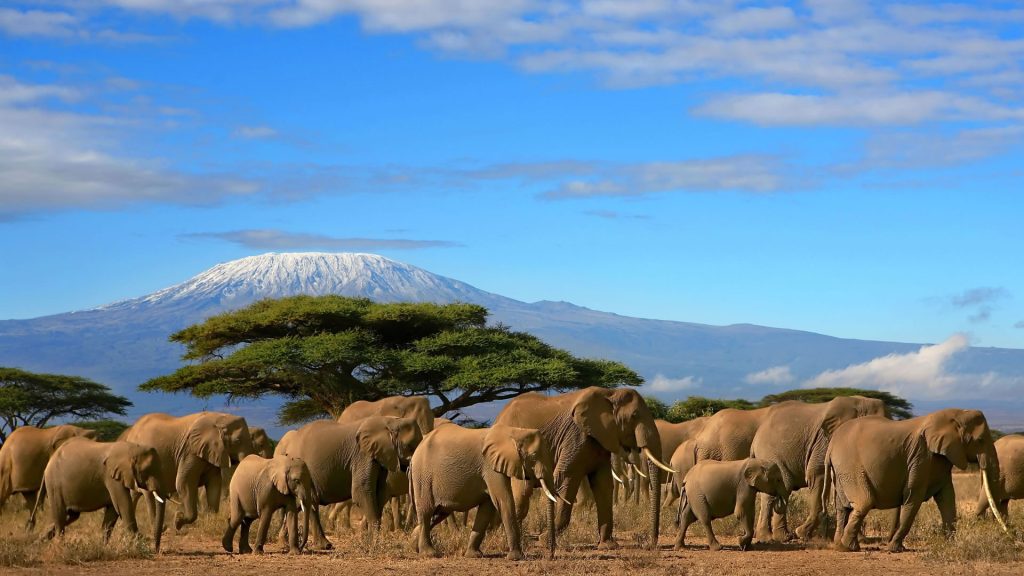
Animals Expected to Be Seen in Amboseli National Park
Discover the Incredible Animals Expected to Be Seen in Amboseli National Park
The Animals Expected to Be Seen in Amboseli National Park are among the most fascinating attractions that make Kenya one of Africa’s leading wildlife safari destinations. Situated in southern Kenya, close to the Tanzania border, Amboseli National Park is internationally recognised for its magnificent elephant herds, expansive open plains, seasonal wetlands and spectacular views of Mount Kilimanjaro. This remarkable conservation area offers visitors an exceptional opportunity to discover African wildlife within a beautiful landscape dominated by open grasslands, acacia woodlands, swamps and dry lake beds. Covering approximately 392 square kilometres, the park supports an impressive variety of mammals and bird species, making it an attractive destination for first-time safari visitors, experienced wildlife enthusiasts, photographers and families seeking memorable African adventures. Among the most frequently encountered animals are African elephants, lions, cheetahs, spotted hyenas, zebras, wildebeest, giraffes, buffaloes, impalas, gazelles and warthogs. Additionally, the park’s permanent swamps and marshlands provide essential habitats for hippos, water-associated birds and other wildlife that depend on reliable water sources. One of Amboseli’s most remarkable characteristics is its large elephant population, which has been the subject of long-term scientific research and conservation initiatives. Visitors can often observe these gentle giants moving across the plains, feeding in the wetlands or gathering in family groups beneath the shadow of Africa’s highest mountain. For international travellers planning Kenya Safaris, Amboseli provides a distinctive combination of wildlife encounters, breathtaking scenery and opportunities to understand the importance of protecting natural ecosystems. At Kaara Safari Adventures Ltd, we believe that an exceptional safari should offer more than ordinary animal sightings. Our goal is to help travellers appreciate the natural environment, understand wildlife behaviour and enjoy meaningful experiences through professionally organised African safari adventures.
What Are the Main Animals Expected to Be Seen in Amboseli National Park?
The Animals Expected to Be Seen in Amboseli National Park include an impressive selection of African mammals that inhabit its diverse ecosystems. African elephants are undoubtedly the park’s most celebrated residents, attracting visitors from different parts of the world who wish to observe these magnificent animals in their natural environment. Amboseli is particularly famous for its large-tusked elephants, although the size of tusks varies between individual animals. During a game drive, visitors may encounter family groups moving slowly across open plains, feeding on vegetation, drinking from swamps or interacting with younger members of their herds. Lions are another important attraction, and sightings may involve adults resting beneath trees, females moving with their cubs or individuals searching for prey. Cheetahs are also present, especially in open grassland areas where their excellent eyesight helps them locate potential prey. Furthermore, spotted hyenas contribute to the park’s predator population and play an important ecological role as both hunters and scavengers. Other mammals commonly encountered include African buffaloes, Masai giraffes, plains zebras, wildebeest, impalas, Thomson’s gazelles, Grant’s gazelles and common warthogs. Hippos may be seen in permanent water habitats, while smaller mammals such as jackals, mongooses and various rodents add further diversity to the ecosystem. Each species occupies a particular ecological position, contributing to the balance of the natural environment. Wildlife sightings depend on seasonal conditions, animal movements and the time spent exploring different habitats. Nevertheless, the combination of resident wildlife and varied landscapes makes Amboseli an excellent destination for visitors interested in discovering Kenya’s extraordinary animal diversity. Travellers comparing Kenya Adventures with other East African experiences will appreciate how this park offers distinctive opportunities for observing large mammals against one of Africa’s most recognisable mountain backdrops.
Why Is Amboseli National Park Famous for Its African Elephants?
Among the most remarkable Animals Expected to Be Seen in Amboseli National Park, African elephants hold a particularly special position because of the park’s internationally recognised elephant research and conservation history. Amboseli supports a well-studied elephant population, with researchers having monitored individual animals and family relationships over several decades. This long-term scientific work has contributed valuable knowledge about elephant behaviour, communication, social structures, reproduction and the challenges facing these intelligent mammals. Unlike destinations where elephant encounters may be occasional, Amboseli offers particularly rewarding opportunities to observe elephants throughout much of the year. Large family groups are frequently seen travelling between feeding grounds and wetland habitats, where water and nutritious vegetation are available. Visitors may notice adult females guiding younger elephants, calves staying close to their mothers and older individuals displaying impressive coordination while moving through the landscape. The park is also associated with some of Kenya’s famous large-tusked elephants, which are especially attractive to wildlife photographers and conservation enthusiasts. Such animals are valuable reminders of the importance of protecting older breeding individuals and maintaining safe habitats for future generations. Nevertheless, elephant populations face challenges from habitat fragmentation, human-wildlife conflict, changing climatic conditions and pressure on natural resources. Responsible tourism contributes to conservation awareness by giving visitors an opportunity to appreciate these animals without interfering with their natural behaviour. During your safari, maintaining appropriate distances, following your guide’s instructions and avoiding loud disturbances are essential practices. For travellers planning Tanzania Safaris, Amboseli can also be combined with nearby wildlife destinations across the northern Tanzania circuit, subject to suitable border and itinerary arrangements. At Kaara Safari Adventures Ltd, we encourage wildlife experiences that place conservation, education and respect for nature at the centre of every journey.
Can You See Lions, Cheetahs and Other Predators in Amboseli?
The Animals Expected to Be Seen in Amboseli National Park are not limited to elephants and herbivores; the park also supports several fascinating carnivores that make wildlife viewing particularly exciting. Lions are among the principal predators, and visitors may encounter them resting in shaded areas, walking through grasslands or moving across the plains in search of prey. Their presence contributes to the natural balance of the ecosystem by regulating populations of grazing animals. Cheetahs are another exciting species, admired for their slender bodies, distinctive black facial markings and exceptional running ability. Open grasslands provide suitable hunting environments, allowing these predators to use their remarkable eyesight to locate smaller herbivores. Spotted hyenas are also important members of the predator community, demonstrating complex social behaviour and remarkable adaptability. Golden and black-backed jackals may occasionally be encountered, while smaller carnivores contribute to the park’s wider biodiversity. Although predator sightings can be rewarding, visitors should remember that these animals are wild and their movements are unpredictable. Certain individuals may remain hidden during daylight hours, particularly when temperatures rise, while others may be easier to locate during early morning and late afternoon game drives. Experienced safari guides understand local habitats and animal behaviour, helping visitors identify promising wildlife-viewing areas without guaranteeing particular sightings. Observing a lion family interacting naturally or watching a cheetah scanning the grasslands can become one of the most memorable highlights of a Kenyan safari. Photography enthusiasts should carry suitable camera equipment and exercise patience when documenting predator behaviour. For travellers interested in broader African wildlife experiences, combining Kenya Safaris with Uganda Safaris or Rwanda Safaris can introduce entirely different ecosystems, including tropical forests, mountain landscapes and remarkable primate habitats. Each destination offers a unique perspective on Africa’s extraordinary natural heritage.

Animals Expected to Be Seen in Amboseli National Park
Which Herbivores and Grazing Animals Can You Encounter in Amboseli?
The Animals Expected to Be Seen in Amboseli National Park include numerous herbivorous species that play essential roles in maintaining the park’s ecological balance. Plains zebras are among the most recognisable residents, often seen grazing in groups across open grasslands. Their distinctive black-and-white stripes make them particularly attractive subjects for wildlife photography, especially when herds gather against the distant backdrop of Mount Kilimanjaro. Wildebeest are also present, moving across suitable grazing areas in response to seasonal food availability. Unlike the spectacular Great Wildebeest Migration associated with the Serengeti-Mara ecosystem, Amboseli’s wildebeest populations are generally observed as part of the park’s resident and locally moving wildlife. Masai giraffes are another fascinating species, distinguished by their irregular coat patterns, long necks and graceful movements. Visitors may see them feeding on leaves from acacia trees or walking across the plains. African buffaloes frequently gather in groups, sometimes near marshlands where vegetation and water are readily available. Various antelope species, including impalas, Grant’s gazelles and Thomson’s gazelles, also enrich the wildlife experience. These grazing animals are important prey species for lions, cheetahs and hyenas, forming part of the interconnected food chain. Common warthogs may be observed feeding close to the ground or moving through grassland habitats with their young. The presence of different herbivores demonstrates how Amboseli’s wetlands, grasslands and woodland areas support a variety of feeding requirements. Understanding these ecological relationships makes a safari more educational and meaningful. Rather than simply identifying individual species, visitors can appreciate how grazing patterns, predator movements, rainfall and water availability influence the entire ecosystem. Such experiences make Amboseli an excellent destination for families, students, photographers and nature enthusiasts seeking informative Kenya Adventures.
What Bird Species and Other Wildlife Can Be Seen in Amboseli National Park?
Beyond its famous mammals, the Animals Expected to Be Seen in Amboseli National Park also include an impressive variety of bird species, making the destination particularly rewarding for birdwatchers and nature photographers. The park’s combination of swamps, open plains, woodland habitats and seasonal wetlands attracts resident and migratory birds throughout different periods of the year. Visitors may encounter African fish eagles, grey crowned cranes, secretary birds, ostriches, marabou storks, herons, egrets, pelicans, hornbills and numerous waterbirds. Flamingos may occasionally visit suitable seasonal habitats when environmental conditions permit, although their presence should not be expected throughout the year. Wetland areas are especially productive for birdwatching because they provide feeding and breeding environments for species that depend on aquatic resources. Meanwhile, open grasslands support birds of prey and ground-dwelling species that search for insects, small mammals and reptiles. Smaller colourful birds can also be spotted around woodland vegetation and lodge surroundings. Reptiles, amphibians and insects contribute further to the park’s biodiversity, even though they may receive less attention than larger mammals. Observing these smaller creatures can reveal fascinating details about the ecological processes that sustain the wider wildlife community. For keen birdwatchers, carrying binoculars and a field identification guide can significantly improve the experience. Morning hours are often productive because many birds are active during cooler conditions. Experienced guides can also help identify species through their calls, flight patterns and distinctive physical characteristics. Visitors who enjoy diverse wildlife destinations may consider extending their African journey to include Uganda Safaris, where forest birds, wetland species and primates create a different natural experience. Similarly, Rwanda Tours provide opportunities to explore montane forests, lakes and conservation areas with their own distinctive birdlife.
What Are the Expectations During an Amboseli National Park Safari?
Understanding what to expect is essential when planning a holiday centred on the Animals Expected to Be Seen in Amboseli National Park. Most safari experiences begin early in the morning, when cooler temperatures and favourable natural lighting create excellent opportunities for wildlife observation. Following breakfast, visitors usually depart in a specialised safari vehicle accompanied by a professional driver-guide who understands the park’s roads, wildlife habitats and seasonal conditions. Game drives typically explore different sections of the park, including open grasslands and wetland environments where animals frequently gather. During these excursions, guests may encounter elephant families, grazing zebras, giraffes, buffaloes, antelopes and occasionally predators. Midday temperatures can become warm, meaning some animals may seek shade or remain less active. Consequently, early morning and late afternoon are generally productive periods for observing wildlife. Another expectation is that sightings are never guaranteed. Although Amboseli is known for its elephants and other resident species, animals move freely, and their locations change according to natural conditions. Visitors should therefore approach every game drive with patience and an open mind. Accommodation options range from comfortable safari camps to luxury lodges, with choices depending on personal preferences and travel budgets. Some properties offer excellent views of the surrounding landscape, while others provide convenient access to important wildlife-viewing areas. Travellers should also expect occasional dusty roads, changing weather and the possibility of spending extended periods outdoors. Photography, wildlife interpretation and scenic viewing are important parts of the experience. Respecting park regulations and following professional guidance helps ensure a safe and responsible safari. Ultimately, an Amboseli holiday is about appreciating the complete natural environment rather than focusing exclusively on the number of animals encountered.
When Is the Best Time to See Animals in Amboseli National Park?
The Animals Expected to Be Seen in Amboseli National Park can be observed throughout the year, although seasonal weather conditions influence wildlife distribution, vegetation and general safari experiences. The dry periods, particularly from June to October and during January and February, are often favourable for wildlife viewing. As seasonal water sources become less reliable, many animals gather around permanent swamps and dependable water points, creating rewarding opportunities for observation. Reduced vegetation can also improve visibility across open grasslands, making it easier to spot elephants, zebras, giraffes, buffaloes and other mammals. Between March and May, longer rains generally bring greener landscapes and improved vegetation growth. November and December are associated with shorter rains, although rainfall patterns can vary. During wetter periods, the park may become especially attractive to photographers because of its lush scenery, dramatic skies and fresh vegetation. Birdwatching can also be rewarding during green seasons, particularly when migratory species are present. Nevertheless, rainfall may affect road conditions and the ease of travelling between different wildlife areas. Visitors interested in photography should consider the interaction between sunlight, cloud cover and mountain visibility. Mount Kilimanjaro is often more visible during clear morning conditions, although weather can change quickly. For the best results, travellers should select their travel dates according to their interests, accommodation preferences and available time. At Kaara Safari Adventures Ltd, we recommend planning with seasonal conditions in mind rather than assuming that one particular month guarantees the best wildlife sightings. Properly organised Kenya Safaris can also combine Amboseli with other destinations such as Tsavo National Parks or the Maasai Mara, creating a more comprehensive wildlife holiday.
Why Choose Kaara Safari Adventures Ltd for Your Amboseli Wildlife Safari?
Choosing the right safari operator is an important part of enjoying the Animals Expected to Be Seen in Amboseli National Park and making the most of your time in Kenya. At Kaara Safari Adventures Ltd, we recognise that every traveller has different expectations, interests and budgets. Some visitors are passionate about elephant conservation, while others prioritise photography, family experiences, luxury accommodation or discovering as many wildlife species as possible. Our approach focuses on understanding these interests and helping travellers develop safari itineraries that reflect their individual expectations. Destination knowledge is particularly valuable in Amboseli because different habitats support different wildlife populations, and seasonal conditions influence where animals are most likely to gather. Thoughtful planning helps make game drives more productive while allowing enough time to appreciate the scenery and natural environment. We also believe that responsible tourism should contribute positively to wildlife conservation and respect the communities connected to Kenya’s protected landscapes. Visitors should receive clear information about park regulations, accommodation arrangements, transport and realistic wildlife-viewing expectations before their journeys begin. Beyond Amboseli, our broader African safari perspective can help travellers discover other remarkable destinations across East Africa. Kenya Adventures may include savannah wildlife experiences, while Tanzania Safaris offer opportunities to explore the Serengeti and Ngorongoro ecosystems. Uganda Safaris are particularly attractive to visitors interested in mountain gorillas, chimpanzees and diverse national parks, whereas Rwanda Safaris and Rwanda Tours provide access to remarkable conservation landscapes and memorable primate encounters. Our objective is to help international visitors discover Africa through informative, well-organised and meaningful travel experiences. With a passion for African tourism and an appreciation of the continent’s natural heritage, Kaara Safari Adventures Ltd aims to make your Amboseli journey memorable from the initial planning stages to the final day of your adventure.

Amboseli National Park
What Should You Pack for an Amboseli National Park Safari?
Preparing the right travel essentials will help you enjoy the Animals Expected to Be Seen in Amboseli National Park comfortably and make your safari more rewarding. Lightweight clothing in neutral colours such as khaki, brown, olive and beige is recommended for daytime game drives. Breathable shirts, comfortable trousers and closed walking shoes are useful, while a warm jacket or fleece is advisable for chilly early mornings and evenings. Since Amboseli experiences strong sunshine during much of the year, visitors should carry sunscreen, sunglasses and a wide-brimmed hat for protection. Photography enthusiasts will benefit from a camera with a suitable zoom lens, spare batteries, additional memory cards and a protective camera bag. Binoculars are also highly recommended because they make it easier to observe distant elephants, birds and other wildlife without disturbing animals. Furthermore, a reusable water bottle, insect repellent, personal toiletries and any necessary personal medication should be included in your luggage. A lightweight rain jacket is useful during the rainy seasons, particularly for visitors planning extended outdoor activities. Important travel documents should include a valid passport, relevant entry permits or visas, travel insurance and any health documentation required for your circumstances. Those travelling with children should also pack suitable clothing, snacks and personal essentials according to their needs. Before departure, confirm your accommodation arrangements, transport details and baggage restrictions with your safari operator. Travellers using small domestic aircraft should pay particular attention to luggage weight and bag-size limitations. Thoughtful preparation ensures that you can focus on observing elephants, photographing wildlife and enjoying the beautiful scenery without unnecessary discomfort.
Conclusion: Discover Amboseli’s Remarkable Wildlife with Kaara Safari Adventures Ltd
The Animals Expected to Be Seen in Amboseli National Park make this destination one of the most rewarding wildlife safari locations in Kenya. From magnificent elephant families and fascinating predators to graceful giraffes, grazing zebras, buffaloes, antelopes and diverse birdlife, Amboseli offers an exceptional introduction to Africa’s natural heritage. Its remarkable wetlands, expansive grasslands and spectacular views of Mount Kilimanjaro create an unforgettable setting for wildlife observation, photography and conservation learning. Every game drive offers an opportunity to discover something new, whether it involves watching elephants interacting with their young, observing predators across the plains or identifying colourful bird species around the swamps. At Kaara Safari Adventures Ltd, we are passionate about helping international travellers experience the beauty and diversity of Africa through thoughtfully organised safari journeys. Whether you are planning your first Kenyan wildlife holiday or combining several destinations across East Africa, Amboseli deserves a special place on your travel itinerary.
Book Your Amboseli Safari with Kaara Safari Adventures Ltd.
Explore Kenya’s extraordinary wildlife, discover the magnificent elephant kingdom and experience the unforgettable beauty of Amboseli National Park with a safari designed around your interests.