What Are the Best Wildlife Safari Destinations in Uganda, Kenya, Rwanda, and Tanzania?
November 10, 2026
How Can Kaara Safari Adventures Organise a Multi-Country Wildlife Safari?
November 10, 2026
Which Animals Can You See During a Wildlife Safari in Uganda?
Uganda is one of Africa’s most rewarding destinations for wildlife enthusiasts, nature lovers, photographers and adventure travellers seeking authentic encounters with animals in their natural habitats. Often described as the Pearl of Africa, this beautiful East African country offers an exceptional combination of savannah grasslands, tropical rainforests, wetlands, freshwater lakes, rivers and mountainous landscapes that support an extraordinary variety of wildlife. Travellers wondering which animals they can see during a wildlife safari in Uganda will discover a remarkable collection of African mammals, primates, reptiles and bird species across the country’s protected national parks and conservation areas. From enormous African elephants wandering through open grasslands to powerful lions resting beneath shady trees, elegant giraffes browsing on acacia branches, and herds of buffaloes moving across the plains, Uganda provides memorable opportunities for traditional African game viewing. Furthermore, its tropical forests are home to some of the world’s most fascinating primates, including endangered mountain gorillas and chimpanzees, making the country particularly attractive for visitors interested in combining wildlife safaris with forest adventures. Queen Elizabeth National Park, Murchison Falls National Park, Bwindi Impenetrable National Park, Kibale National Park, Kidepo Valley National Park and Lake Mburo National Park each offer distinctive wildlife experiences. Beyond observing animals, visitors can enjoy boat cruises, guided nature walks, birdwatching, photography excursions and meaningful encounters with local communities. At Kaara Safari Adventures Ltd, we believe that a memorable Uganda wildlife safari should provide more than opportunities to photograph animals. It should help travellers understand Uganda’s biodiversity, appreciate conservation efforts and discover the natural beauty that makes this destination special. Whether you are planning your first African adventure or returning to explore more of East Africa, Uganda promises remarkable wildlife experiences throughout the year.
Which Big Five Animals Can You See During a Wildlife Safari in Uganda?
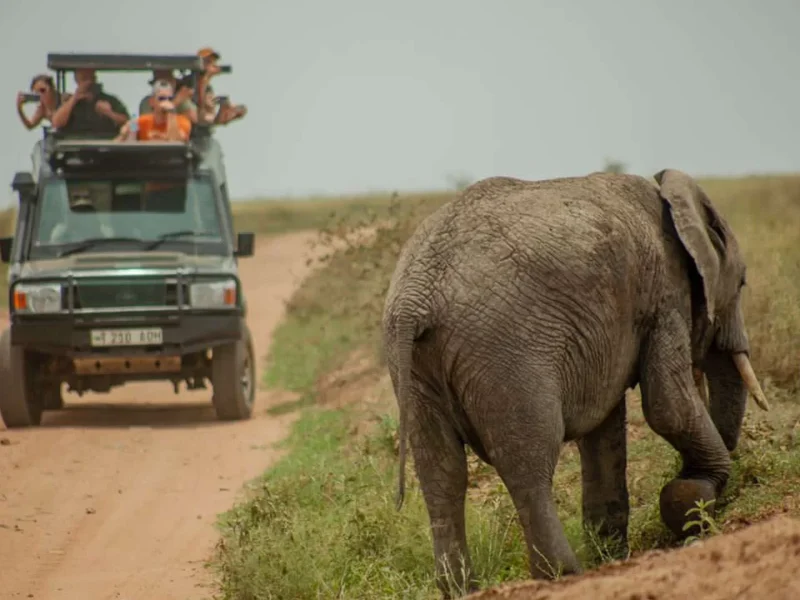
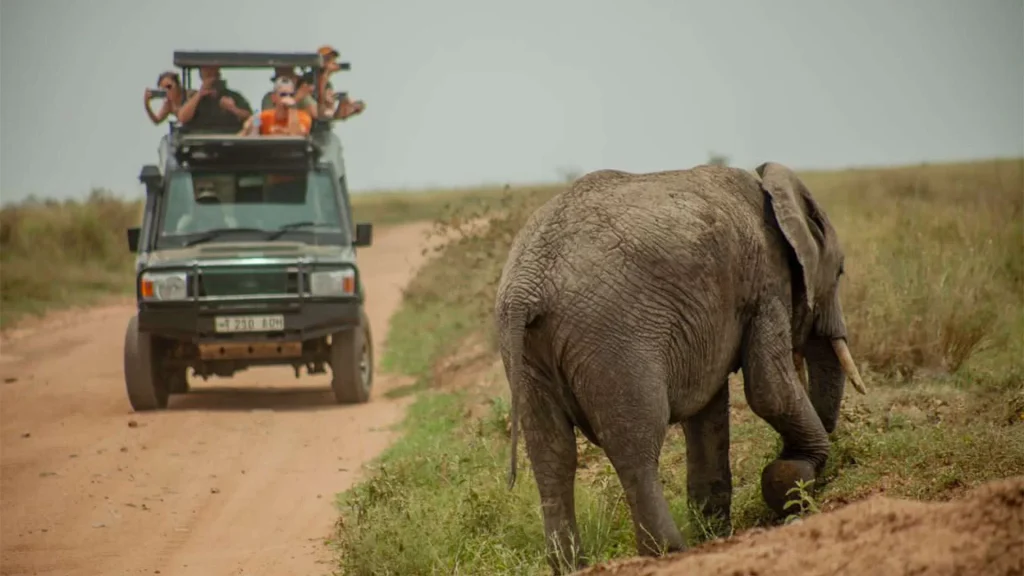
Uganda is an excellent destination for travellers hoping to encounter Africa’s famous Big Five animals: lions, leopards, elephants, buffaloes and rhinoceroses. These iconic species represent some of the most sought-after wildlife encounters on the continent, and several Ugandan protected areas offer opportunities to observe them in their natural environments. African elephants are among the most impressive animals visitors encounter during Uganda Safaris. Large herds can frequently be seen in Murchison Falls National Park and Queen Elizabeth National Park, where they move through savannah grasslands, woodland and riverine habitats in search of food and water. African buffaloes are equally impressive, often appearing in substantial herds across open plains and near water sources. Lions are another major attraction, particularly in Queen Elizabeth National Park and Murchison Falls National Park. The Ishasha sector of Queen Elizabeth is especially famous for its tree-climbing lions, although sightings depend on natural animal behaviour and cannot be guaranteed. Leopards are more elusive because of their solitary habits, camouflage and preference for remaining hidden during daylight hours. Patient visitors travelling with experienced safari guides may occasionally encounter these magnificent predators during game drives. Rhinoceroses require a different travel arrangement because wild rhino populations are not currently established within Uganda’s national parks. Visitors interested in seeing rhinos can travel to Ziwa Rhino Sanctuary, a dedicated conservation destination where southern white rhinoceroses are protected and monitored. Combining a visit to Ziwa with Murchison Falls National Park provides an excellent opportunity to experience all five members of the Big Five during a broader Ugandan wildlife holiday. For international travellers, understanding the locations and habitats of these animals makes it easier to plan a realistic and rewarding safari.
Where Can You See the Big Five in Uganda?
- Lions: Queen Elizabeth National Park and Murchison Falls National Park.
- Leopards: Queen Elizabeth National Park, Murchison Falls National Park and other suitable habitats.
- African elephants: Queen Elizabeth National Park, Murchison Falls National Park and Kidepo Valley National Park.
- African buffaloes: Several savannah parks, including Queen Elizabeth, Murchison Falls and Kidepo Valley.
- Rhinoceroses: Ziwa Rhino Sanctuary
Which Primates Can You Encounter During Uganda Wildlife Safaris?
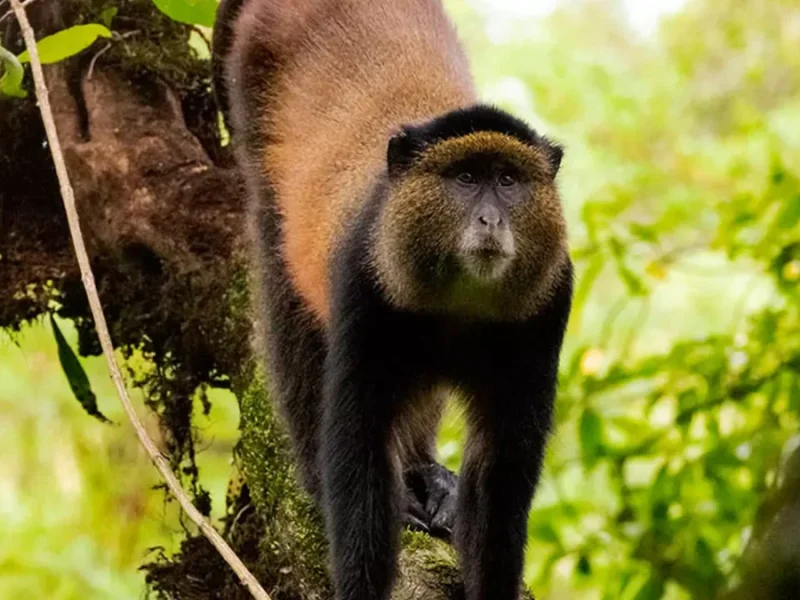
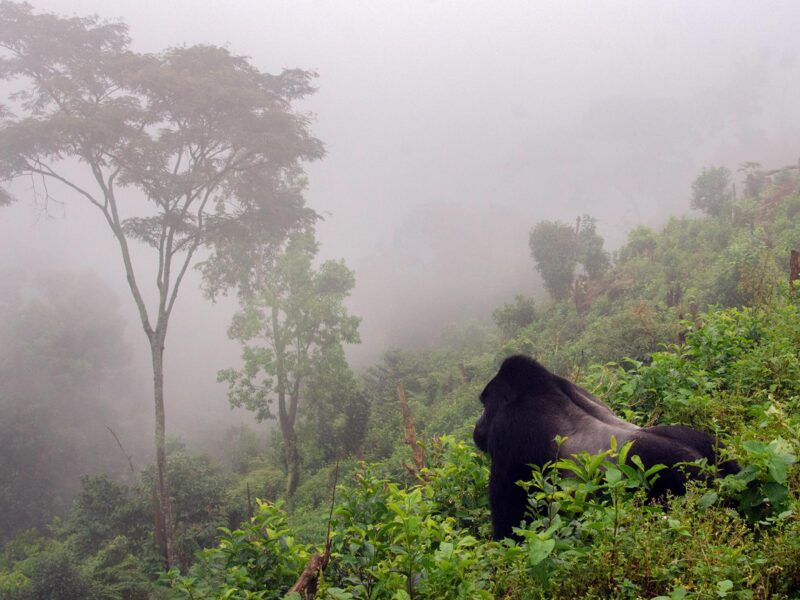
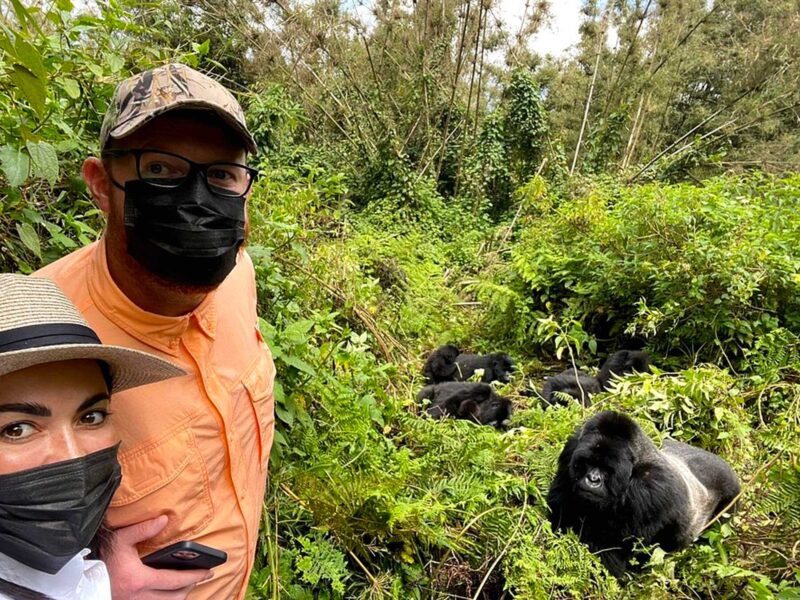
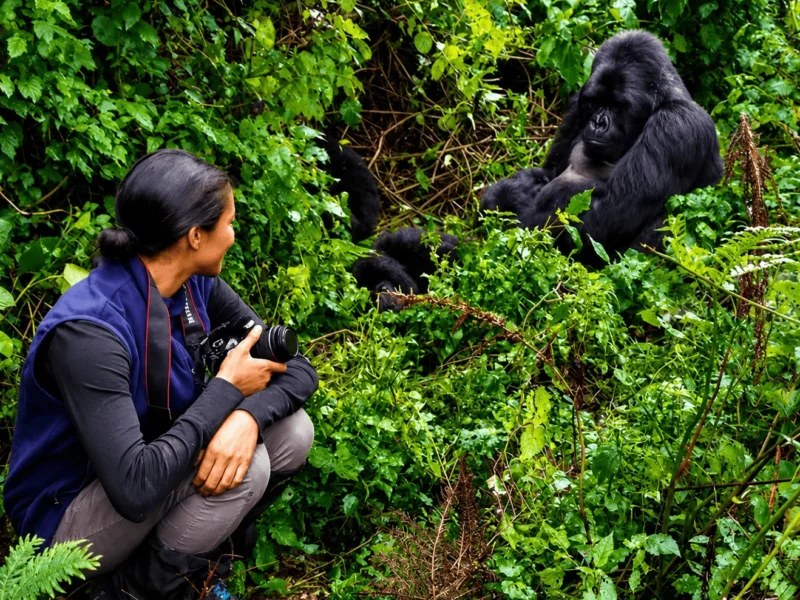
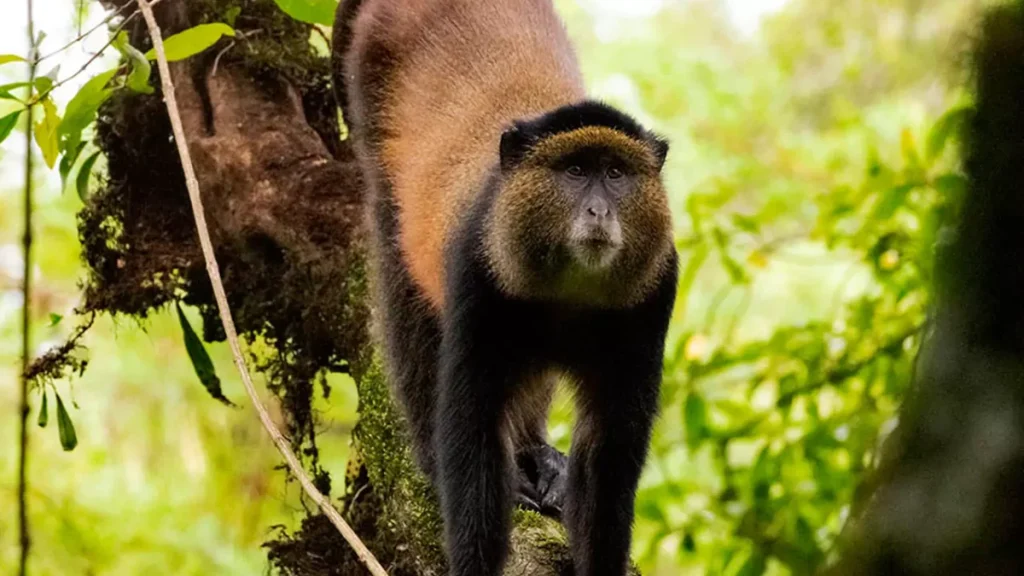
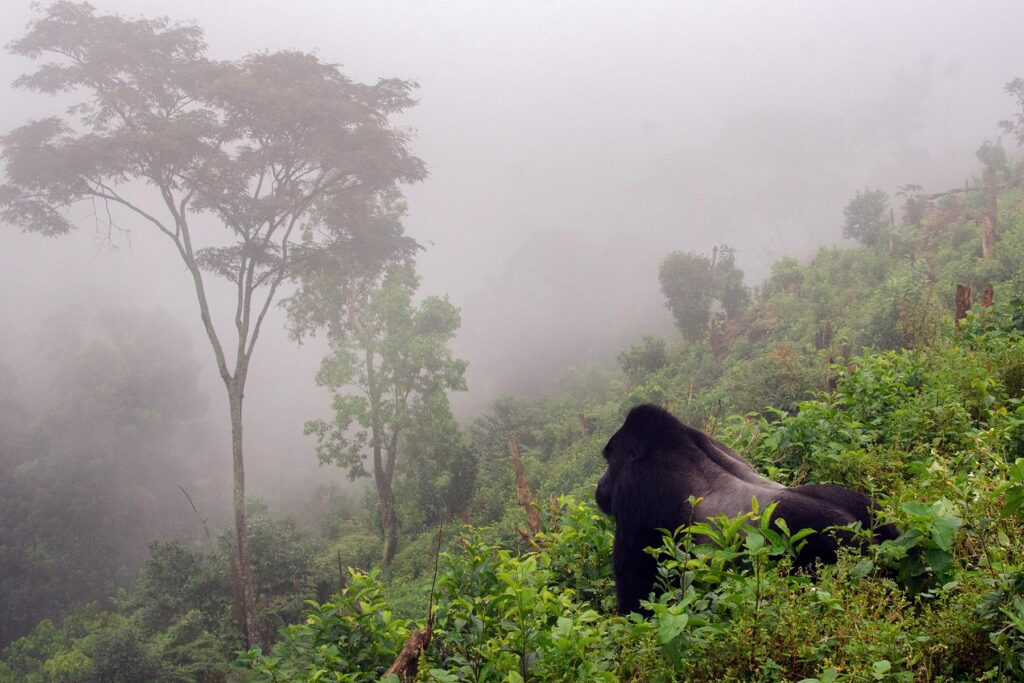
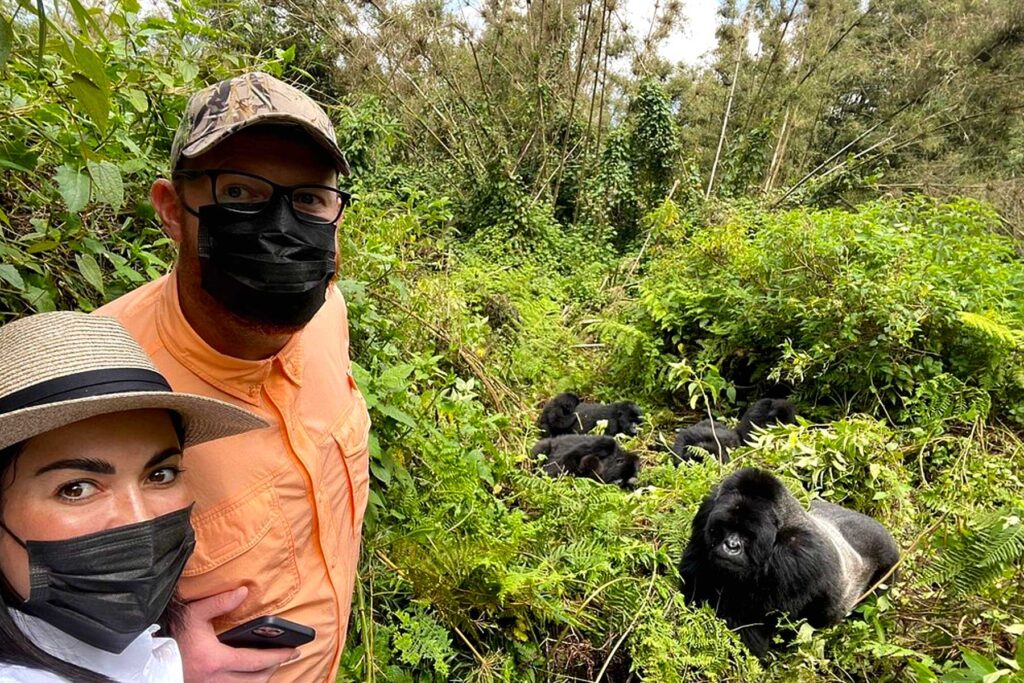
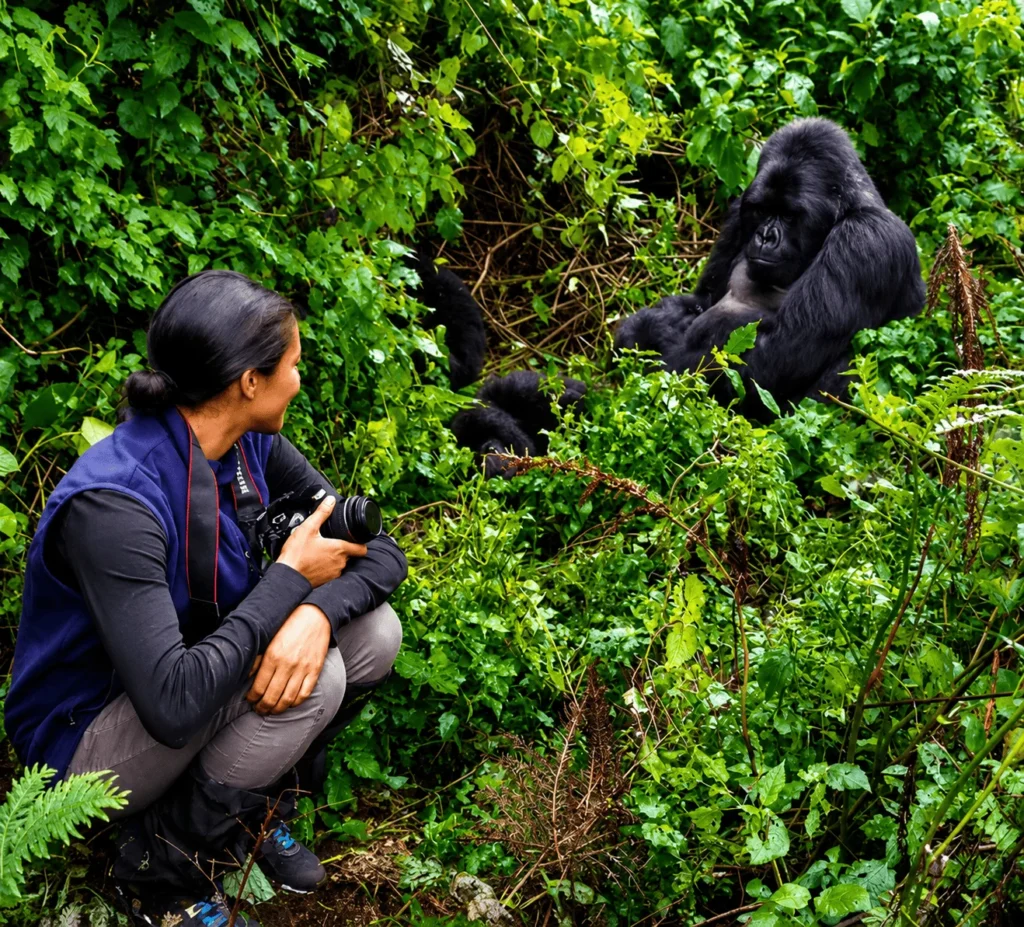
Uganda is internationally recognised for its exceptional primate diversity, making it one of the most exciting destinations for travellers interested in rainforest wildlife and close observation of intelligent mammals. Among the most extraordinary animals visitors can encounter are mountain gorillas, chimpanzees, golden monkeys, baboons, colobus monkeys and several other forest-dwelling primate species. Mountain gorillas are perhaps Uganda’s most celebrated wildlife attraction. These endangered great apes inhabit the protected forests of Bwindi Impenetrable National Park and Mgahinga Gorilla National Park. Guided gorilla trekking allows visitors to hike through the forest with trained park personnel in search of habituated gorilla families. Observing these powerful yet gentle animals feeding, resting, grooming and interacting within their family groups is an unforgettable experience. Chimpanzees are another major attraction, particularly in Kibale National Park, which is internationally recognised for its exceptional chimpanzee tracking opportunities. Visitors may observe these intelligent primates communicating, feeding, grooming, climbing trees and moving through the forest canopy. Other important chimpanzee destinations include Budongo Forest and Kyambura Gorge, although sightings and trekking conditions vary. In Mgahinga Gorilla National Park, travellers can also participate in golden monkey tracking, offering an opportunity to observe these beautiful and energetic primates in bamboo forest habitats. Black-and-white colobus monkeys, red-tailed monkeys, vervet monkeys, olive baboons and grey-cheeked mangabeys contribute further to Uganda’s extraordinary primate diversity. For wildlife enthusiasts, these encounters provide valuable opportunities to understand animal behaviour, forest ecosystems and conservation challenges. Combining gorilla trekking, chimpanzee tracking and traditional savannah game drives creates a particularly rewarding Uganda safari itinerary. Such experiences also make Uganda an excellent starting point for wider East African adventures that can include Rwanda Safaris and Rwanda Tours.
Which National Parks Are Best for Primate Tracking?
- Bwindi Impenetrable National Park – Mountain gorilla trekking.
- Mgahinga Gorilla National Park – Mountain gorillas and golden monkeys.
- Kibale National Park – Chimpanzee tracking and other primates.
- Budongo Forest – Chimpanzee tracking.
- Kyambura Gorge – Chimpanzee tracking within Queen Elizabeth National Park.

5-Day Rwanda Gorilla Trekking & Lake Kivu Tour
Which Savannah Animals Can You See in Uganda’s National Parks?
Uganda’s savannah ecosystems support a fascinating collection of herbivores and predators, creating excellent opportunities for traditional African wildlife viewing. Visitors exploring the country’s national parks can encounter giraffes, zebras, antelopes, warthogs, hyenas, hippos and numerous other species across different landscapes. Rothschild’s giraffes, also known as Nubian giraffes, are among the most recognisable animals in Murchison Falls National Park. Their impressive height, patterned coats and distinctive movements make them particularly attractive subjects for wildlife photography. Uganda kob are another familiar sight, especially across the grasslands of Queen Elizabeth National Park and Murchison Falls National Park. These elegant antelopes often gather in large herds, attracting predators such as lions and leopards. Jackson’s hartebeest, waterbucks, bushbucks, topis, oribis and common duikers add to the diversity of antelope species found in Uganda. In Lake Mburo National Park, visitors have excellent opportunities to observe zebras, impalas, elands, giraffes and other grazing animals. The park is especially appealing to travellers interested in guided walking safaris, cycling experiences in permitted areas and relaxed game drives. Warthogs are commonly recognised by their characteristic appearance and habit of moving with their tails raised while running. Spotted hyenas can also be encountered in suitable savannah habitats, although they are generally more active during the evening and night. Additionally, Uganda’s wetlands and lakes support large populations of hippopotamuses, particularly along the Kazinga Channel in Queen Elizabeth National Park and sections of the Nile in Murchison Falls National Park. These animals frequently gather in the water during the day before emerging to graze at night. Collectively, such wildlife diversity explains why Uganda is a rewarding destination for travellers seeking varied game-viewing experiences beyond the traditional Big Five.
What Makes Uganda’s Savannah Wildlife Special?
The combination of different antelope species, large mammals, predators and aquatic animals creates varied wildlife encounters. Each national park has its own ecological characteristics, so visiting several destinations can provide a more comprehensive understanding of Uganda’s natural heritage.
Which Aquatic Animals Can You See During a Uganda Safari?
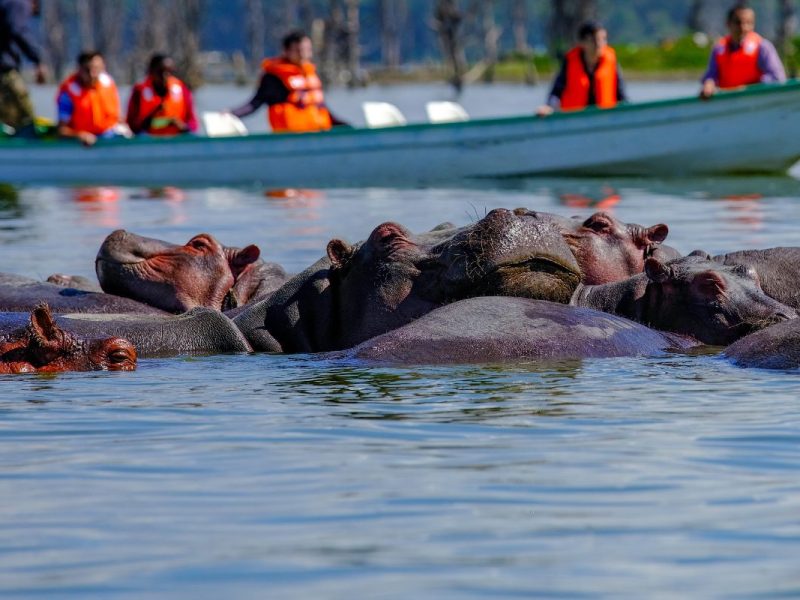
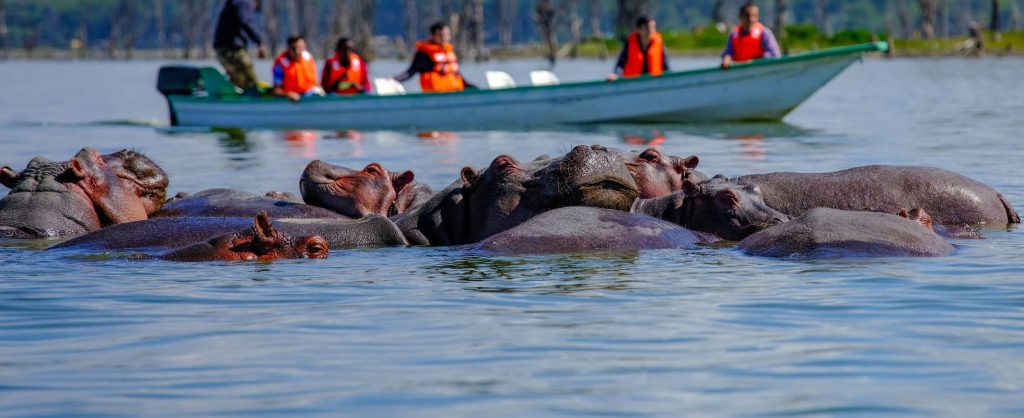
Uganda’s extensive freshwater systems provide important habitats for numerous aquatic animals and water-associated wildlife. The River Nile, Lake Victoria, Lake Albert, Lake Edward, Lake Mburo and other water bodies contribute significantly to the country’s biodiversity and offer rewarding opportunities for wildlife observation. Hippopotamuses are among the most frequently encountered aquatic mammals during Ugandan safaris. Large groups can be observed resting in rivers and lakes, particularly along the Kazinga Channel, which connects Lake George and Lake Edward. Boat cruises along this channel provide excellent opportunities to observe hippos, crocodiles, elephants coming to drink, and numerous waterbirds. Nile crocodiles are another fascinating species found in suitable river and lake habitats. These powerful reptiles are commonly associated with the Nile and several major lakes, where they occupy important positions within aquatic food chains. Visitors taking boat excursions in Murchison Falls National Park may observe crocodiles resting along riverbanks or floating near the water’s surface. Beyond large aquatic animals, Uganda’s freshwater environments support several fish species, including Nile perch and tilapia. Although fishing is regulated in many protected areas, the country’s lakes and rivers remain important components of its natural and economic heritage. Wetland ecosystems also provide breeding and feeding grounds for numerous bird species, making boat cruises particularly attractive to birdwatchers and photographers. At Mabamba Swamp, visitors can search for the remarkable shoebill stork, one of Africa’s most distinctive birds. Meanwhile, the Kazinga Channel and the Nile River provide excellent opportunities to observe African fish eagles, kingfishers, herons, cormorants and other water-associated birds. Therefore, travellers planning Uganda Safaris should consider including boat cruises and wetland excursions alongside conventional game drives. These activities reveal another dimension of the country’s wildlife and create opportunities to appreciate the importance of healthy freshwater ecosystems.
Which Rare and Special Wildlife Species Can You See in Uganda?
Beyond its famous elephants, lions, gorillas and chimpanzees, Uganda is home to several distinctive wildlife species that make the country especially interesting for experienced nature enthusiasts. Some animals are associated with particular geographical regions, while others are rarely observed because of their secretive behaviour or specialised habitat requirements. Kidepo Valley National Park, located in northeastern Uganda, is especially interesting because of its unique wildlife communities and relatively remote wilderness environment. The park supports species such as cheetahs, ostriches, bat-eared foxes and several antelope varieties that are not commonly encountered in other Ugandan safari destinations. Cheetahs are particularly associated with the open grasslands of the Kidepo ecosystem, although sightings are uncommon and should never be assumed. Ostriches are another fascinating attraction, especially for bird enthusiasts interested in observing the world’s largest living bird species. The northern savannah landscapes also provide opportunities to appreciate different ecological conditions compared with Uganda’s western and central parks. Another notable animal is the giant forest hog, which inhabits suitable forest and woodland environments and may occasionally be encountered during wildlife excursions. Sitatungas, specialised swamp-dwelling antelopes, can be found in certain wetland habitats, although observing them often requires patience and favourable conditions. Uganda is also home to numerous smaller mammals, including genets, civets, mongooses, porcupines and various species of bats. These animals are frequently overlooked because visitors tend to focus on larger wildlife. Nevertheless, understanding their ecological roles helps create a more complete picture of Uganda’s biodiversity. Travellers seeking specialised wildlife experiences may therefore benefit from selecting destinations according to their preferred animal species rather than concentrating exclusively on famous national parks. With thoughtful planning, a Ugandan safari can reveal an impressive range of wildlife beyond the familiar attractions.
Which Birds Can You See During a Wildlife Safari in Uganda?
Uganda is one of Africa’s most rewarding birdwatching destinations, attracting international bird enthusiasts because of its exceptional diversity of habitats and bird species. The country’s forests, wetlands, rivers, lakes, grasslands and mountainous regions provide suitable environments for numerous resident and migratory birds. One of the most sought-after species is the shoebill stork, a large and unusual bird recognised by its enormous shoe-shaped bill. Mabamba Swamp, situated near Lake Victoria, is one of the country’s best-known locations for shoebill excursions. Other fascinating species include the African fish eagle, grey crowned crane, saddle-billed stork, African jacana, malachite kingfisher, giant kingfisher and numerous bee-eaters and hornbills. Forest birdwatching is particularly rewarding in Bwindi Impenetrable National Park and Kibale National Park, where visitors can search for colourful turacos, sunbirds, flycatchers and other forest specialists. Murchison Falls National Park and Queen Elizabeth National Park also offer excellent opportunities to observe savannah and water-associated bird species. For dedicated birdwatchers, Uganda’s diverse geographical regions make it possible to combine several ecosystems within one extended birding holiday. Seasonal variations influence bird movements and breeding activity, so the timing of a birdwatching safari should reflect the species travellers hope to encounter. Experienced birding guides can help identify birds through their calls, plumage, behaviour and preferred habitats. Whether you are a professional photographer, an experienced birder or a first-time visitor, including birdwatching in your Uganda safari itinerary adds significant value to the overall experience.
 What Are the Expectations During a Wildlife Safari in Uganda?
Visitors planning to discover which animals they can see during a wildlife safari in Uganda should expect an exciting journey involving nature exploration, wildlife observation, scenic travel and professional guiding. Depending on the chosen itinerary, the adventure may begin with arrival at Entebbe International Airport, followed by a road transfer or domestic flight towards a selected national park. Traditional game drives usually take place during the early morning and late afternoon, when many animals are more active. Experienced guides help visitors identify wildlife, understand animal behaviour and appreciate the ecological importance of different habitats. Depending on the destination, activities may include boat cruises, guided nature walks, chimpanzee tracking, gorilla trekking, birdwatching and cultural experiences. Travellers should understand that Uganda’s animals live freely in natural environments, meaning that specific sightings cannot be guaranteed. Some species, such as leopards and cheetahs, are naturally difficult to find, while primate tracking requires patience and suitable physical preparation. Gorilla and chimpanzee trekking also operate under specific conservation regulations, including permit requirements and visitor restrictions. Accommodation options range from comfortable safari lodges and tented camps to luxury properties overlooking beautiful wilderness landscapes. Throughout the journey, visitors should follow their guides’ instructions, maintain safe distances from wildlife and avoid disturbing animals through excessive noise or inappropriate behaviour. Ultimately, Uganda provides opportunities to experience Africa’s natural beauty while developing a greater appreciation of conservation, biodiversity and responsible tourism.
When Is the Best Time to See Animals During a Wildlife Safari in Uganda?
Uganda offers wildlife viewing opportunities throughout the year, although certain months provide more favourable conditions depending on the activities and destinations selected. Generally, the drier periods from June to September and December to February are popular for game drives, gorilla trekking, chimpanzee tracking and nature excursions. During these months, some vegetation becomes less dense, roads may be easier to navigate, and animals can become more concentrated around permanent water sources. These conditions may improve wildlife viewing in destinations such as Queen Elizabeth National Park, Murchison Falls National Park and Lake Mburo National Park. Nevertheless, the rainy seasons also have important advantages. From approximately March to May and October to November, rainfall transforms many landscapes into beautiful green environments, creating excellent conditions for photography and birdwatching. Some accommodation providers may also offer more attractive rates during quieter travel periods. Gorilla trekking and chimpanzee tracking are conducted throughout the year, although forest trails can become muddy and more challenging after rainfall. Visitors planning specialised wildlife experiences should also consider individual park conditions and current conservation requirements. Importantly, Uganda’s tropical climate can vary according to altitude, geographical location and local weather patterns, so rainfall does not always follow predictable schedules. At Kaara Safari Adventures Ltd, we encourage travellers to select their travel dates according to their preferred experiences, available time and comfort requirements rather than relying exclusively on a general dry-season calendar.
Why Choose Kaara Safari Adventures Ltd for Your Uganda Wildlife Safari?
Choosing a reliable safari operator is one of the most important decisions when organising a wildlife holiday in Africa. At Kaara Safari Adventures Ltd, our focus is on helping international travellers discover Uganda through well-planned, informative and enjoyable safari experiences. We understand that visitors want more than transportation between national parks. They want knowledgeable guidance, realistic travel information, suitable accommodation, dependable arrangements and opportunities to experience wildlife in a meaningful way. Our safari planning approach considers each traveller’s interests, budget, available time and preferred activities. Whether your dream involves observing lions in Queen Elizabeth National Park, tracking mountain gorillas in Bwindi, searching for chimpanzees in Kibale Forest, exploring the Nile in Murchison Falls National Park or discovering the remote wilderness of Kidepo Valley, we can help develop an itinerary that reflects your priorities. Furthermore, travellers interested in broader East African experiences can explore combinations involving Uganda Safaris, Kenya Safaris, Tanzania Safaris and Rwanda Tours, subject to suitable travel schedules and border arrangements. Responsible tourism remains an important consideration in the journeys we promote. We encourage respect for wildlife, compliance with national park regulations, appreciation of local cultures and support for conservation initiatives. Our objective is to make every safari informative, comfortable and memorable while helping visitors understand the natural and cultural heritage of Uganda. By prioritising thoughtful planning, transparent communication and genuine appreciation of Africa’s tourism potential, Kaara Safari Adventures Ltd aims to become a trusted partner for travellers discovering East Africa.
What Should You Pack for a Wildlife Safari in Uganda?
Packing suitable clothing and travel accessories can make a significant difference to your comfort during a Ugandan wildlife adventure. Because the country features different climatic conditions and landscapes, travellers should prepare according to their selected activities and destinations. Lightweight clothing in neutral colours such as khaki, brown, beige and olive green is generally suitable for traditional game drives. Long-sleeved shirts and trousers provide additional protection against insects, vegetation and changing weather conditions. Early mornings can be cool, especially in high-altitude areas, so carrying a warm jacket, sweater or fleece is advisable. Visitors planning gorilla trekking or chimpanzee tracking should pack comfortable hiking boots with good grip, waterproof clothing, gardening-style gloves where appropriate, and long socks. A lightweight rain jacket is particularly useful because tropical forest weather can change quickly. Other important items include sunscreen, sunglasses, a wide-brimmed hat, insect repellent, reusable water bottles and personal medication. Wildlife photographers should consider bringing binoculars, cameras, suitable zoom lenses, extra memory cards and spare batteries. Travellers should also carry valid travel documents, appropriate insurance information and any required permits or booking confirmations. For international visitors, checking passport validity, visa requirements and current entry regulations before travelling is essential. Packing light is particularly important when domestic flights involve smaller aircraft with limited baggage allowances. Above all, choosing practical clothing and reliable outdoor equipment will help you enjoy Uganda’s diverse landscapes while remaining comfortable throughout your safari.
 Conclusion: Experience Uganda’s Incredible Wildlife with Kaara Safari Adventures Ltd
Uganda is an extraordinary destination for anyone interested in discovering Africa’s wildlife, natural landscapes and remarkable biodiversity. From the iconic Big Five to endangered mountain gorillas, intelligent chimpanzees, colourful bird species and fascinating aquatic animals, the country offers experiences suited to a wide range of travellers. Every national park presents something different, whether it is the tree-climbing lions of Ishasha, the spectacular waterfalls of Murchison Falls, the chimpanzee-rich forests of Kibale, the mountain gorillas of Bwindi or the unique wilderness of Kidepo Valley. Combining these attractions creates an unforgettable African holiday filled with wildlife encounters, adventure and meaningful natural discoveries. Whether you are planning your first Uganda wildlife safari or considering a wider East African journey involving Kenya Safaris, Tanzania Safaris and Rwanda Safaris, selecting the right destinations and travel arrangements is essential. Kaara Safari Adventures Ltd welcomes you to discover Uganda’s extraordinary wildlife through thoughtfully planned safari experiences that celebrate nature, conservation and authentic African hospitality. Begin planning your journey today and experience the remarkable wildlife treasures that make Uganda one of Africa’s most rewarding safari destinations.