How Can Kaara Safari Adventures Organise a Multi-Country Wildlife Safari?
November 10, 2026
Are Private 4×4 Safari Vehicles Available in Kenya, Uganda, Tanzania, and Rwanda?
November 11, 2026
What Should You Pack for a Wildlife Safari in East Africa?
Planning an African wildlife holiday is an exciting experience, particularly when your journey takes you through the spectacular landscapes, diverse ecosystems and remarkable national parks of East Africa. However, knowing what should you pack for a wildlife safari in East Africa is just as important as choosing your destinations, accommodation and safari activities. Whether you are preparing for mountain gorilla trekking in Uganda, exploring the famous Maasai Mara in Kenya, witnessing the Great Migration in Tanzania or discovering the volcanic landscapes of Rwanda, having the right travel essentials can significantly improve your comfort, safety and overall experience. East Africa offers a remarkable variety of environments, ranging from warm savannah grasslands and semi-arid wilderness areas to cool mountain regions, tropical rainforests, wetlands and freshwater lakes. Consequently, your packing requirements may change depending on the countries you intend to visit, the season of travel and the activities included in your itinerary. Lightweight clothing, comfortable walking shoes, protective accessories, suitable photography equipment and essential travel documents are among the most important items to consider. Travellers planning gorilla trekking or chimpanzee tracking will require additional outdoor clothing compared with visitors enjoying conventional game drives. Similarly, early-morning wildlife excursions can be surprisingly cool, particularly in elevated areas such as Bwindi Impenetrable National Park and Volcanoes National Park. At Kaara Safari Adventures Ltd, we understand that proper preparation contributes to a more enjoyable safari experience. This comprehensive East African safari packing guide explains what to bring, why particular items matter and how to prepare for different wildlife adventures across Uganda, Kenya, Rwanda and Tanzania.
What Clothes Should You Pack for a Wildlife Safari in East Africa?
Choosing suitable clothing is one of the most important considerations when deciding what should you pack for a wildlife safari in East Africa. The region experiences different climatic conditions depending on altitude, geographical location and seasonal rainfall, meaning that travellers should prepare for both warm daytime temperatures and cooler mornings or evenings. Lightweight, breathable clothing is generally the most practical choice for traditional game drives across Uganda’s Queen Elizabeth National Park, Kenya’s Maasai Mara and Tanzania’s Serengeti National Park. Neutral colours such as khaki, beige, brown, olive green and other earthy shades are commonly recommended because they are practical for outdoor activities and photography. Although bright clothing is not automatically prohibited, neutral colours help travellers blend naturally into the outdoor environment. Long-sleeved shirts and lightweight trousers are particularly useful because they provide protection against direct sunlight, insects and vegetation. Additionally, carrying a few short-sleeved shirts, comfortable casual outfits and lightweight sleepwear will help you remain comfortable at your accommodation. A warm sweater, fleece jacket or windbreaker is advisable for early-morning game drives, especially during the cooler months and in high-altitude destinations. Travellers visiting Uganda and Rwanda should pay particular attention to layering because temperatures in mountainous forest regions can differ significantly from those experienced in lowland savannah parks. Waterproof jackets are also valuable because tropical weather can change unexpectedly. Rather than packing excessive clothing, select versatile items that can be combined easily throughout your holiday. A practical wardrobe will reduce luggage weight while ensuring that you are appropriately dressed for the different environments encountered during your East African adventure.
Which Clothing Colours Are Best for African Safaris?
Neutral and natural colours are generally suitable for wildlife viewing. Consider packing:
- Khaki, beige and brown safari trousers.
- Olive green and neutral-coloured shirts.
- Lightweight long-sleeved tops.
- Comfortable casual clothing for lodges.
- A warm fleece or sweater.
- A waterproof jacket or raincoat.
- Comfortable sleepwear and underwear.
Which Shoes Are Essential for an East African Wildlife Safari?
Footwear is another important consideration when preparing for a wildlife safari, particularly when your itinerary includes different outdoor activities. Comfortable shoes can make a considerable difference when walking through national parks, exploring forest trails, visiting cultural attractions or participating in primate-tracking experiences. For conventional game drives in Kenya, Tanzania and Uganda, comfortable trainers or lightweight walking shoes are usually sufficient because most wildlife viewing takes place from a safari vehicle. However, visitors planning mountain gorilla trekking in Bwindi Impenetrable National Park or Volcanoes National Park should prioritise sturdy hiking boots with good ankle support and reliable grip. Forest trails can be muddy, steep, slippery and uneven, especially after rainfall, so suitable footwear is essential. Chimpanzee tracking in Kibale National Park and Nyungwe National Park also involves walking through natural forest environments where proper footwear improves stability and comfort. Lightweight sandals or comfortable casual shoes are useful for relaxing at safari lodges, swimming pool areas and hotel surroundings. Furthermore, carrying several pairs of suitable socks can help prevent discomfort during extended outdoor activities. Waterproof hiking footwear may be beneficial for visitors undertaking challenging forest excursions, although breathable shoes are also important in warmer conditions. Before departure, travellers should ensure that their hiking boots are properly broken in to minimise the risk of blisters. Packing appropriate footwear is especially valuable for multi-country itineraries because different destinations may involve completely different terrain. At Kaara Safari Adventures Ltd, we recommend choosing shoes according to the activities included in your safari rather than assuming that one pair will be suitable for every experience.
What Footwear Should You Include in Your Safari Luggage?
- Sturdy hiking boots for gorilla trekking and forest excursions.
- Comfortable walking shoes for game drives and general sightseeing.
- Lightweight sandals for accommodation and relaxation.
- Several pairs of comfortable hiking socks.
- Waterproof footwear where necessary.
What Personal Accessories Should You Carry During an African Safari?
Personal accessories play an important role in ensuring comfort and convenience throughout your wildlife holiday. Travellers researching what should you pack for a wildlife safari in East Africa should consider items that provide protection against sunlight, insects, changing weather and outdoor conditions. A wide-brimmed hat or safari cap is useful for protecting your head and face during daytime game drives, while quality sunglasses help reduce glare in open savannah environments. Sunscreen with suitable SPF protection is particularly important because outdoor activities often involve extended exposure to direct sunlight. Insect repellent is another useful item, especially when visiting tropical forests, wetlands and accommodation located near natural vegetation. A reusable water bottle helps you remain hydrated during long excursions, although travellers should follow their safari operator’s advice concerning safe drinking water. Small personal backpacks are useful for carrying daily essentials such as sunscreen, water, cameras, snacks and travel documents. Additionally, a lightweight scarf or neck gaiter can provide protection against dust during game drives on dry roads. Personal toiletries, hand sanitiser, wet wipes and a compact first-aid kit can also improve convenience during travel. Visitors with prescription glasses or contact lenses should bring appropriate replacements and cleaning supplies. Furthermore, carrying a small torch or headlamp may be useful when staying at remote tented camps where lighting conditions differ from those of conventional hotels. Although many safari lodges provide basic amenities, travellers should not assume that every personal item will be available throughout the journey. Thoughtful preparation helps minimise unnecessary inconvenience and allows you to concentrate on enjoying East Africa’s extraordinary natural attractions.
What Photography Equipment Should You Pack for a Wildlife Safari?
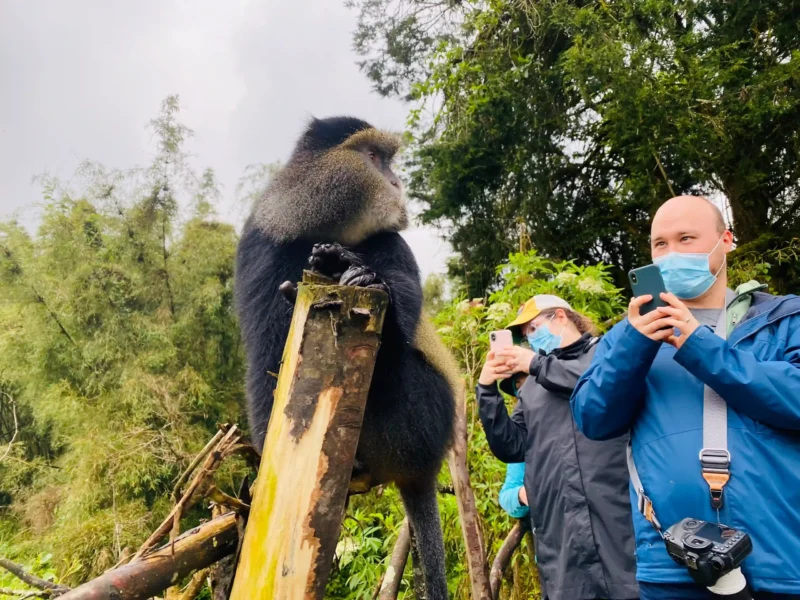
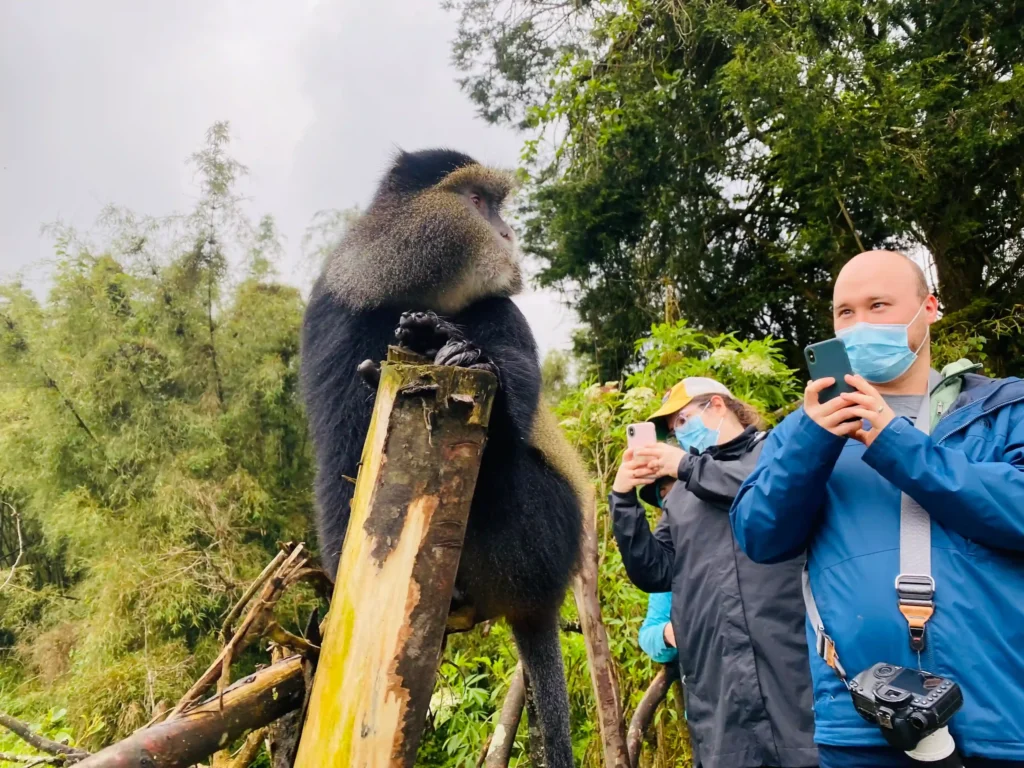
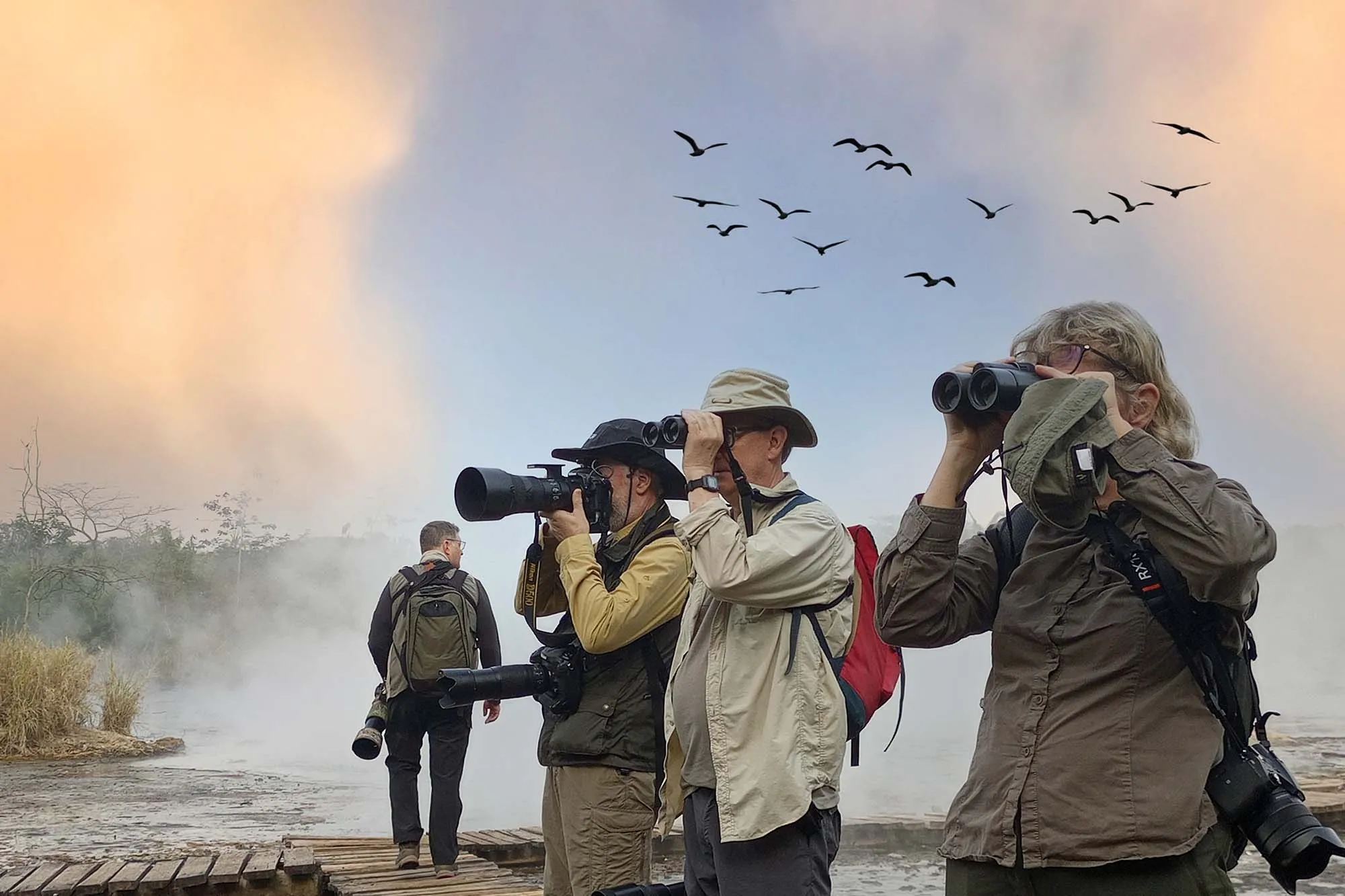
East Africa offers exceptional photographic opportunities, from elephants crossing open plains to mountain gorillas moving through dense tropical forests. Consequently, choosing appropriate photography equipment is an important part of preparing for your safari. A good camera with a suitable zoom lens can help you capture wildlife without disturbing animals or approaching them unnecessarily. Travellers interested in photographing lions, leopards, giraffes and other savannah animals may benefit from a telephoto lens, particularly during game drives in the Maasai Mara, Serengeti and Queen Elizabeth National Park. For forest photography, a versatile lens that performs well in changing light conditions can be useful because dense vegetation often creates challenging photographic environments. Binoculars are also highly recommended, even for visitors who do not intend to use professional photography equipment. They allow travellers to observe distant animals, birds and interesting wildlife behaviour more clearly. Extra camera batteries, memory cards, protective camera bags and lens-cleaning materials should also be included. A power bank can be helpful when charging opportunities are limited during long excursions. Depending on the accommodation and transport arrangements, travellers may also consider carrying appropriate charging adapters and checking the electrical requirements of their devices before departure. Photography enthusiasts should remember that wildlife viewing must always take priority over capturing pictures. In gorilla trekking areas, visitors must follow park photography rules and maintain the required distance from animals. Drone use is also restricted in many protected areas and should never be assumed to be permitted without official authorisation. With appropriate equipment and responsible photography practices, your East African safari can provide beautiful memories of Africa’s remarkable wildlife and landscapes.
Which Photography Essentials Should You Bring?
- Camera with suitable lenses.
- Binoculars for distant wildlife viewing.
- Extra batteries and memory cards.
- Camera cleaning materials.
- Protective camera bag.
- Power bank and charging cables.
- Smartphone for everyday photographs.
Which Travel Documents and Health Essentials Should You Pack?
Travel documentation and personal health preparations are essential when visiting several countries during one African safari. Travellers should confirm that their passports meet the entry requirements of Uganda, Kenya, Rwanda and Tanzania, including any applicable minimum validity requirements and blank-page conditions. Depending on nationality and travel arrangements, visitors may need individual visas, an East African Tourist Visa where applicable, or other entry authorisations. Importantly, the East African Tourist Visa covers Uganda, Kenya and Rwanda, subject to its eligibility and conditions; it does not include Tanzania. Travellers intending to visit Tanzania should therefore check its separate immigration requirements. Valid travel insurance documentation is strongly recommended, particularly when the itinerary includes gorilla trekking, hiking, domestic flights and other outdoor activities. Visitors should also consult a qualified travel health professional before departure to understand current vaccination recommendations, malaria prevention advice and other destination-specific health considerations. Personal prescription medication should be carried in its original packaging, together with sufficient supplies for the entire journey and any reasonable travel delays. A basic first-aid kit containing plasters, antiseptic wipes, personal pain relief medication and other appropriate essentials can be useful. In addition, travellers should carry emergency contact information, accommodation confirmations, safari booking documents and copies of important identification records. International visitors should verify current requirements through official immigration and health authorities rather than relying on outdated travel information. For multi-country Kenya Adventures, Uganda Safaris, Tanzania Safaris and Rwanda Safaris, organising documents before departure can reduce complications at airports and land borders. Proper preparation ensures that your attention remains on enjoying the safari rather than resolving avoidable administrative problems.
What Should You Pack for Gorilla Trekking and Chimpanzee Tracking?
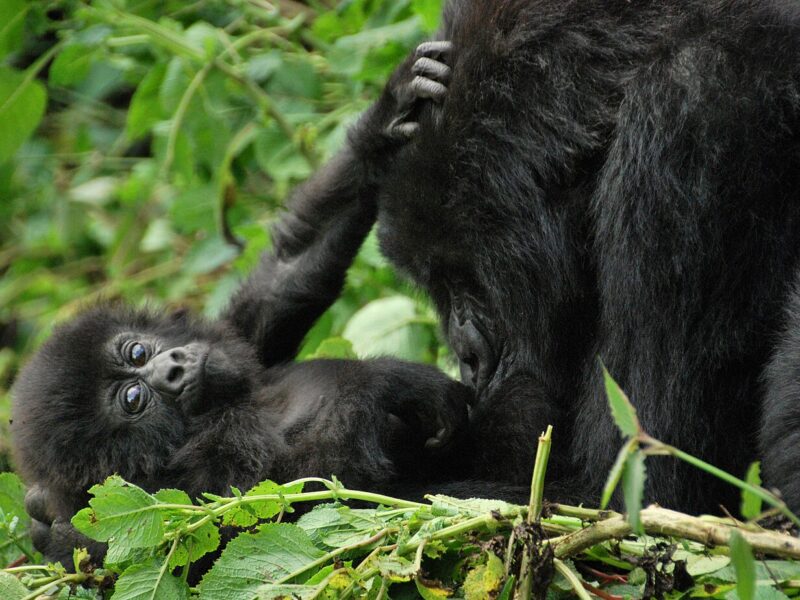
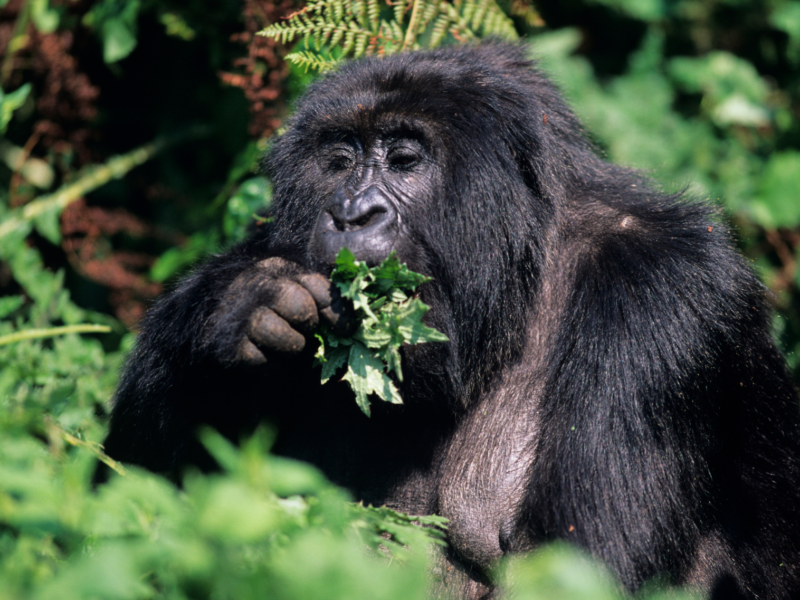
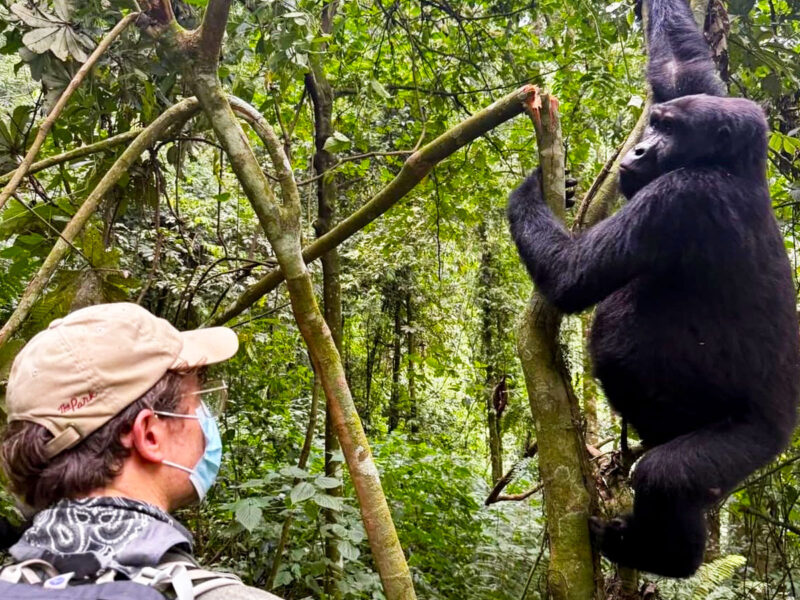
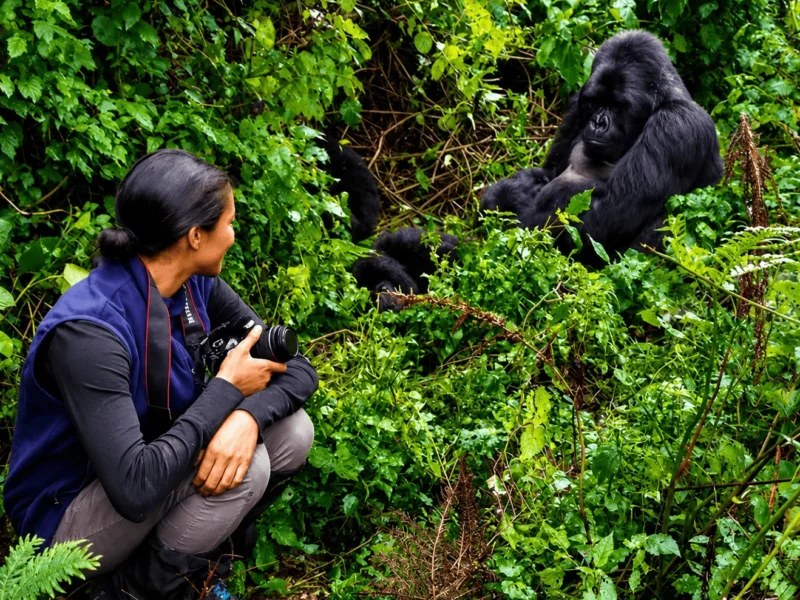
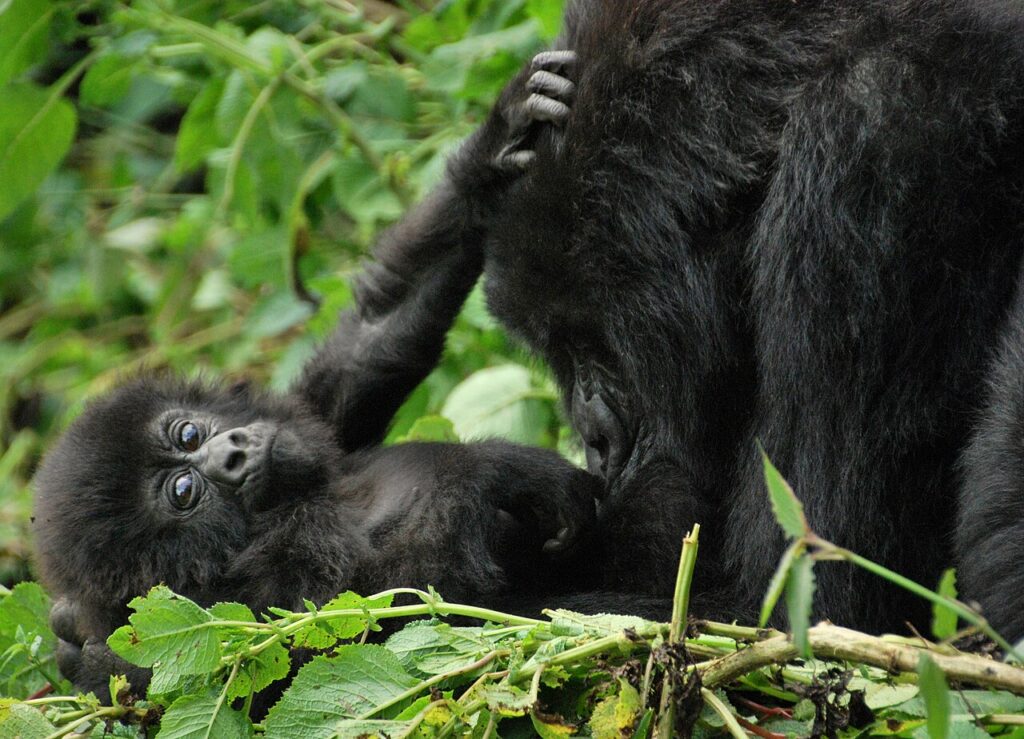
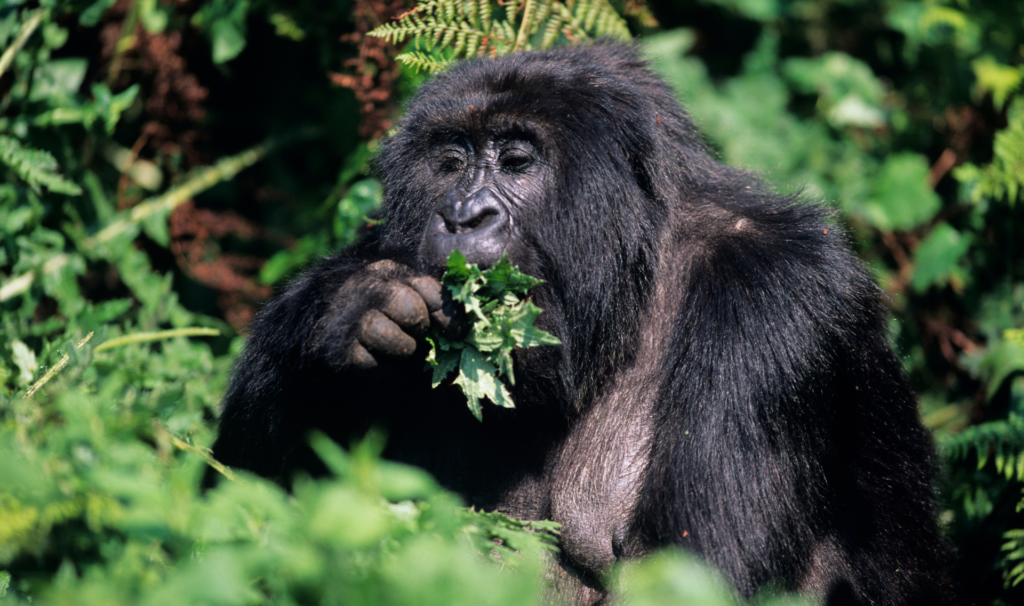
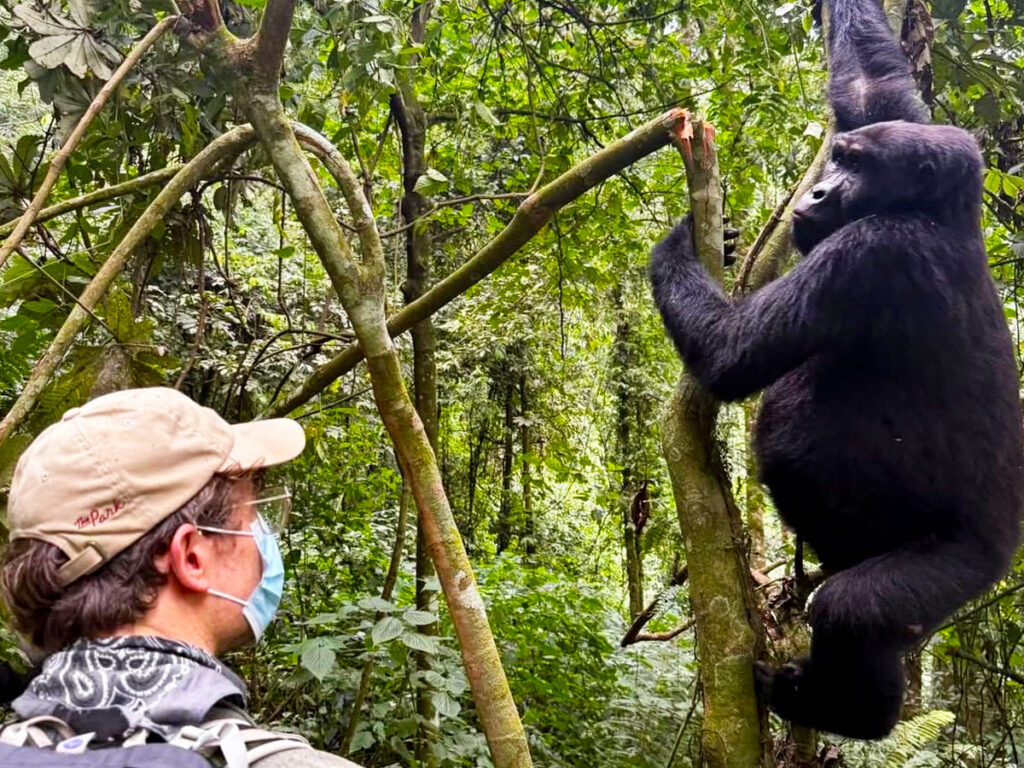
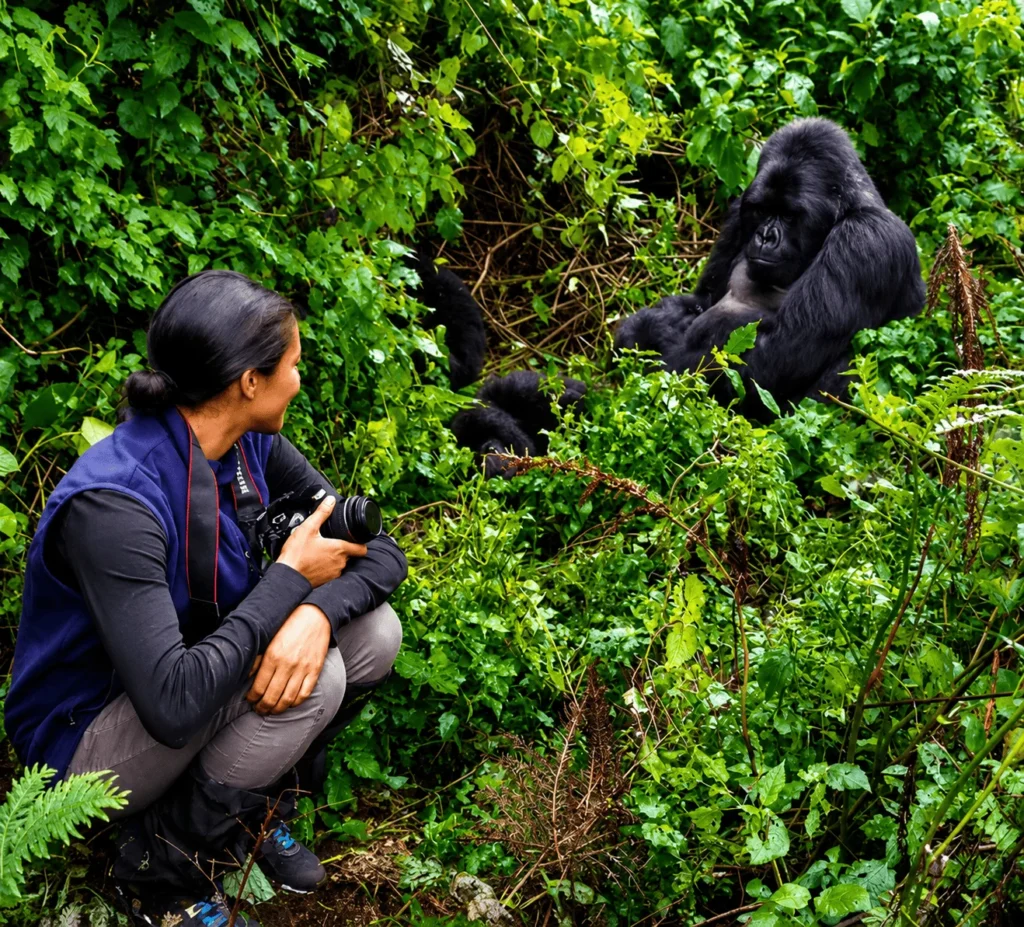
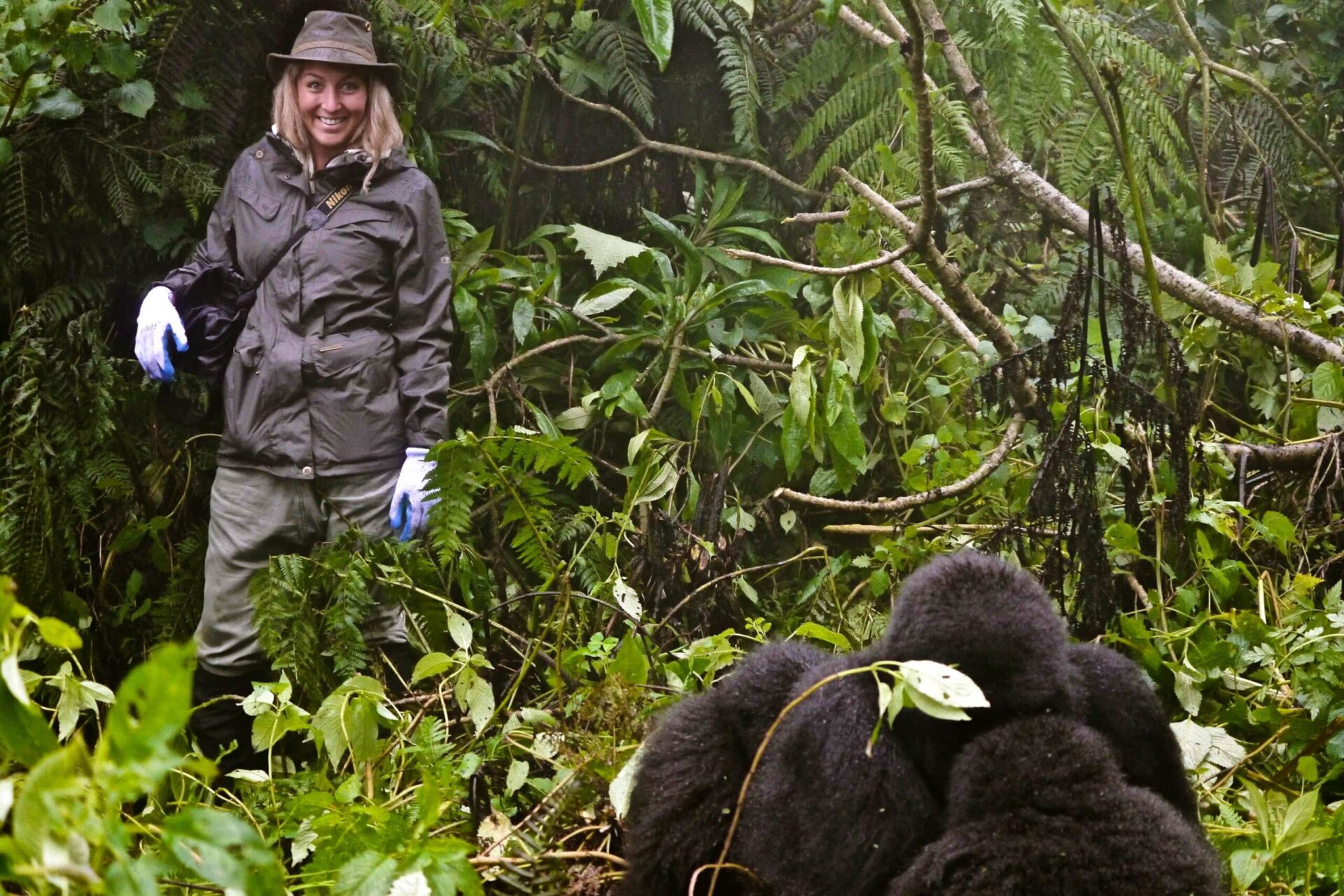
Gorilla trekking and chimpanzee tracking are among East Africa’s most extraordinary wildlife experiences, but they require additional preparation compared with conventional game drives. Uganda’s Bwindi Impenetrable National Park and Mgahinga Gorilla National Park, together with Rwanda’s Volcanoes National Park, are internationally recognised for mountain gorilla trekking. Meanwhile, Kibale National Park in Uganda and Nyungwe National Park in Rwanda provide remarkable chimpanzee tracking opportunities. These experiences involve walking through natural forest habitats, where conditions can include thick vegetation, muddy pathways, steep slopes and changing weather. Travellers should therefore pack sturdy hiking boots, long trousers, long-sleeved shirts, gardening-style gloves, comfortable socks and waterproof jackets. Lightweight gaiters may also help protect the lower legs from mud and vegetation. A small backpack containing drinking water, personal medication, a camera and essential outdoor items is useful during trekking excursions. Because the duration and difficulty of each trek depend on the location of the primates and the surrounding terrain, visitors should maintain a reasonable level of physical fitness. Gorilla and chimpanzee encounters are regulated activities, so travellers must follow the instructions provided by park rangers and professional guides. Restrictions concerning visitor numbers, animal distances, health conditions and photography must be respected. Permit arrangements should also be confirmed well before travel because availability is limited. Proper preparation allows visitors to concentrate on the remarkable experience of observing these endangered primates while supporting responsible wildlife tourism.
What Are the Expectations During a Wildlife Safari in East Africa?
Travellers booking an African wildlife holiday should expect a combination of scenic journeys, wildlife encounters, outdoor activities and opportunities to discover different cultures. Knowing what should you pack for a wildlife safari in East Africa helps you prepare for these experiences, but understanding the nature of the journey is equally important. Depending on your selected itinerary, you may participate in early-morning and afternoon game drives, guided nature walks, boat cruises, birdwatching, gorilla trekking and chimpanzee tracking. Kenya and Tanzania offer exceptional opportunities for traditional savannah wildlife viewing, including elephants, lions, zebras, giraffes and other iconic species. Uganda and Rwanda provide additional opportunities for rainforest exploration and primate encounters. Accommodation can range from comfortable safari lodges to luxury tented camps and boutique hotels, depending on the package selected. Visitors should be prepared for changing weather, varying road conditions and occasional long-distance transfers, especially when travelling between different countries. Wildlife sightings are never guaranteed because animals move naturally within protected habitats. Therefore, patience, flexibility and respect for nature are important qualities during a safari. Travellers should also understand that some activities require advance permits and may involve physical challenges. At Kaara Safari Adventures Ltd, we encourage visitors to approach their African holiday with realistic expectations and an appreciation of the different environments they will explore. Every destination offers something special, and a successful safari is about enjoying the entire experience rather than focusing exclusively on particular animal sightings.
When Is the Best Time to Pack and Travel for an East African Safari?
East Africa is a year-round safari destination, but choosing the right travel period can influence clothing requirements, outdoor comfort and the activities available during your holiday. Generally, June to September and December to February are popular travel periods in several East African destinations because they often experience relatively favourable conditions for wildlife viewing and outdoor excursions. During these months, lightweight safari clothing, comfortable hiking footwear and a warm layer for early mornings are particularly useful. However, visitors travelling during wetter periods should carry additional waterproof clothing, quick-drying garments and suitable footwear for muddy trails. Uganda and Rwanda can experience rainfall throughout the year, especially in forested and mountainous regions. Kenya and Tanzania also have seasonal rainfall patterns that influence road conditions, vegetation and wildlife movements. Travellers interested in the Great Migration should consider the location of the herds when selecting their travel dates, as the migration follows seasonal grazing and rainfall patterns rather than a fixed timetable. Birdwatchers may find wetter periods particularly rewarding because of seasonal bird activity and beautiful green landscapes. Gorilla trekking and chimpanzee tracking can be undertaken throughout the year, although trail conditions may become more challenging after heavy rainfall. Consequently, the best packing strategy is to prepare for the actual destinations and activities rather than relying on a general seasonal forecast. Checking weather conditions and speaking with your safari organiser before departure can help ensure that your luggage is suitable for the planned journey.
Why Choose Kaara Safari Adventures Ltd for Your East African Wildlife Safari?
Selecting a reliable safari company is an important part of planning a comfortable and memorable African holiday. At Kaara Safari Adventures Ltd, our objective is to help international travellers discover East Africa through carefully planned wildlife experiences, practical travel advice and personalised safari arrangements. We understand that visitors travelling across Uganda, Kenya, Rwanda and Tanzania need more than a list of destinations. They require useful information about clothing, transportation, accommodation, park activities, seasonal conditions, permits and cross-border travel. Our approach places importance on understanding individual interests and providing appropriate guidance before the journey begins. Whether you are planning gorilla trekking in Uganda, exploring the Maasai Mara through Kenya Safaris, discovering the Serengeti during Tanzania Safaris or experiencing the volcanic landscapes of Rwanda Tours, we aim to help you prepare for each destination. We can also assist with identifying suitable accommodation and transport arrangements according to the confirmed itinerary and available budget. Responsible tourism is central to the experiences we promote, including respect for wildlife, local communities and protected natural environments. By offering useful preparation guidance and carefully coordinated safari arrangements, Kaara Safari Adventures Ltd aims to make your journey more comfortable and enjoyable. Our ambition is to establish lasting relationships with travellers through professional communication, transparent information and genuine appreciation of Africa’s extraordinary tourism potential.
 Conclusion: Prepare Properly and Experience Africa with Kaara Safari Adventures Ltd
Knowing what should you pack for a wildlife safari in East Africa is an important step towards enjoying an unforgettable African adventure. From lightweight clothing and comfortable hiking boots to photography equipment, personal accessories, travel documents and health essentials, every item should serve a practical purpose during your journey. Uganda, Kenya, Rwanda and Tanzania offer diverse environments that require thoughtful preparation, particularly when combining traditional game drives with gorilla trekking, chimpanzee tracking and other outdoor activities. A well-prepared traveller is better equipped to enjoy changing weather conditions, different landscapes and the exciting experiences that make East Africa one of the world’s leading wildlife destinations. Whether your plans involve Uganda Safaris, Kenya Safaris, Tanzania Safaris or Rwanda Safaris, choosing suitable equipment and understanding your travel requirements can make a significant difference. Kaara Safari Adventures Ltd welcomes you to discover East Africa through professionally organised safari experiences that celebrate wildlife, culture, adventure and responsible tourism. Prepare your luggage, choose your preferred destinations and get ready to explore Africa’s extraordinary natural heritage.