Which National Parks in Rwanda Are Popular with Birdwatchers?
October 27, 2026
Best Time of Year for Birding Safaris in East Africa
October 27, 2026
What Are the Best Birdwatching Destinations in Tanzania?
Why Choose Tanzania for a Birding Safari?
Tanzania offers a remarkable range of bird habitats, making it an appealing destination for both general wildlife travellers and specialist birdwatchers. Its landscapes include open savannah, acacia woodland, lakeshores, river systems, high mountains, montane and coastal forests, and wetlands. These environments support different resident birds and seasonal visitors. When choosing the best birdwatching destinations in Tanzania, consider whether you want a broad species list, forest specialists, waterbirds, photography opportunities, or a combination of birds and iconic mammals.
The northern safari circuit is a practical starting point for many visitors. Serengeti National Park provides vast grasslands, rocky kopjes, woodland, and seasonal water. Ngorongoro Conservation Area combines highland and crater habitats with wildlife viewing. Lake Manyara National Park offers a mixture of lakeshore and forest environments, while Tarangire National Park is known for its baobab landscapes and river systems. Travellers with more time may consider the Eastern Arc Mountains, including the Usambara region, Udzungwa Mountains, and selected coastal forests for more specialised habitat-based birding.
Tanzania is geographically large, so a successful trip depends on selecting a realistic route. Visiting northern parks is not the same journey as exploring remote mountain forests or coastal regions. A focused itinerary allows more time to search for birds and reduces long transfers. Local guides can help match the route to the season and target species, but sightings remain unpredictable and should never be guaranteed.
Why Consider Serengeti and Ngorongoro?
Serengeti National Park is famous for large mammals and the Great Migration, yet it also offers varied birding across grasslands, rocky outcrops, woodland, and riverine areas. Bird species and visibility vary by habitat and season. Game drives can provide opportunities to observe birds alongside mammals, particularly when the itinerary gives the guide time to stop and explain what is present. Visitors with a specialist list may want dedicated birding sessions rather than relying entirely on general game drives.
The Ngorongoro Conservation Area adds highland, crater, woodland, and open-country environments. Its varied elevations and habitats can complement the Serengeti, making the two areas useful in a broader northern circuit itinerary. Birders should remember that the conservation area has its own rules and that not every activity is allowed everywhere. Follow guide instructions and authorised routes.
These destinations suit travellers who want birds and classic East African wildlife in one trip. However, if your main goal is a specialist list of forest species, northern savannah parks may not meet every target. Discuss your priorities before booking so the route can balance major wildlife areas with more specialised habitats if time permits.
What Can You Discover at Lake Manyara and Tarangire?
Lake Manyara National Park offers lakeshore, woodland, and groundwater-forest habitats. This diversity can make a visit rewarding for birders who enjoy moving between different environments in a single park. Water levels and local ecological conditions influence the birds present, so species concentrations can vary from one season to another. The park is also suitable for visitors who want to combine birding with a wider wildlife experience.
Tarangire National Park provides a different landscape, with baobab trees, river systems, open grassland, and woodland. The Tarangire River and other water sources influence animal and bird distribution, especially as seasons change. Birders may enjoy scanning the riverine habitat and comparing it with drier surrounding areas. The park can be included in a northern circuit with other destinations, but travel time and accommodation locations should be considered.
A well-designed itinerary allows time for observation rather than simply passing through each park. Ask your guide to prioritise birding stops and explain habitat differences. As always, sightings depend on the season, conditions, and natural behaviour. Confirm park access, accommodation, and activity arrangements for your travel dates.
Where Can Specialist Birders Explore Forests and Mountains?
Tanzania’s mountain and forest regions can be especially interesting for travellers seeking a different experience from the northern savannah circuit. The Usambara Mountains and other parts of the Eastern Arc are known for distinctive forest habitats. Udzungwa Mountains National Park and selected coastal forests may also be considered by birders interested in forest species and more specialised itineraries. Access, trail conditions, and guiding availability vary by location and should be checked before travel.
Forest birding can require patience because dense vegetation may limit visibility. Listening for calls, recognising habitat, and moving quietly with a knowledgeable guide can be more useful than trying to cover large distances quickly. Some routes involve steep or uneven trails, so travellers should choose walks suited to their fitness and mobility. Accommodation and transport options may be more limited in some remote areas than on the main northern circuit.
These destinations are best planned around a clear target list and enough time. If your priority is a broad introduction to Tanzania’s birds, a northern safari may be a practical first trip. If you have already visited the major parks or want specific forest species, a specialist route may be more appropriate. Current access and conservation rules should always be verified.
When Is the Best Time for Birdwatching in Tanzania?
Tanzania offers birding opportunities year-round, but the best timing depends on the region, habitat, target species, and weather. Seasonal rainfall influences vegetation, water levels, road conditions, and breeding activity. Migratory birds are present during certain parts of the year, while resident species can be observed in many seasons. Wet periods may increase bird activity but make some roads or trails harder to navigate; drier conditions may improve access in some locations.
Because Tanzania is so large, it is better to plan by region than to assume one month suits every destination. Conditions in the northern parks can differ from those in mountain forests and coastal areas. Discuss your target species with a specialist and check local seasonal guidance for the exact route. Early morning outings are often productive, and flexible time helps accommodate changing weather or unexpected sightings.
Before departure, verify current park notices, road conditions, accommodation, and any special activity requirements. Seasonal patterns are helpful guides, not guarantees of specific sightings.
What Should You Expect on a Tanzania Birding Safari?
A Tanzania birding safari may include game drives, guided walks where permitted, lakeshore observation, forest trails, and time around camps or lodges. In open habitats, birds may be observed from a vehicle or designated viewing area. In forest environments, the experience can be slower and more dependent on calls and careful observation. Guides help identify species and explain how habitat and season affect what you see.
Birding can be combined with wildlife viewing, photography, cultural experiences, and other activities. The most suitable combination depends on the duration of the trip. A short holiday is usually better focused on a few locations, while a longer trip can include northern parks and specialist forest habitats. Avoid an itinerary with too many long transfers, as it reduces time for birdwatching.
No operator can guarantee a particular sighting. Bring binoculars, dress for the environment, follow park regulations, and avoid disturbing wildlife for photographs. A successful trip values learning about the ecosystem as well as recording species.
What Should You Pack for Tanzania Birdwatching?
Bring binoculars, a field guide or offline birding app, a notebook, and a camera if desired. Pack spare batteries, memory cards, and charging equipment. Neutral-coloured lightweight clothing is suitable for many safari environments, while long sleeves and trousers help protect against sun, insects, and vegetation. Sturdy walking shoes are important for forest trails, and a waterproof jacket can be useful in changeable weather.
A hat, sunscreen, insect repellent, reusable water bottle, and small daypack are practical essentials. Mountain and forest regions may be cool or damp, especially early in the day, so bring a light warm layer. Open savannah areas can become hot. Carry personal medication and check baggage limits if the itinerary includes domestic flights or small aircraft.
Ask your operator for advice based on the actual route. Do not assume that spotting scopes, binoculars, or other specialist equipment will be supplied unless confirmed.
How Can Kaara Safari Adventures Ltd Plan a Tanzania Birding Tour?
Kaara Safari Adventures Ltd can help design a Tanzania itinerary based on your target species, travel dates, group size, accommodation preferences, and budget. Tell the planner whether you prefer a classic northern circuit, wetland birding, forest specialists, photography, or a combination of birds and large mammals. A clear priority list helps determine how many nights to spend in each region.
Before confirming, review the written quotation and check what is included, such as transport, guiding, accommodation, meals, park fees, and any optional activities. Ask which costs are excluded and review payment and cancellation conditions. Tanzania’s park fees, access rules, and local arrangements may change, so confirm the details for the intended dates.
Responsible birding involves keeping a respectful distance, following authorised routes, and avoiding disturbance. Support local guides and conservation-focused experiences where possible. With a realistic route and good preparation, Tanzania can provide an excellent birding holiday across a variety of habitats.
Frequently Asked Questions About Tanzania Birding
Which Tanzania destination is best for a first birding safari? The northern circuit, including Serengeti, Ngorongoro, Lake Manyara, and Tarangire, can provide a useful mix of habitats and wildlife.
Where should specialist birders go? The Eastern Arc Mountains, Usambara region, Udzungwa Mountains, and selected coastal forests may suit travellers interested in forest habitats. The best choice depends on target species and access.
Can I combine birding with the Great Migration? Yes. A Serengeti itinerary can include birdwatching and wildlife viewing, although migration locations vary with season and rainfall.
Are bird sightings guaranteed? No. Birds are wild, and sightings depend on weather, season, habitat, and chance.
How long should a Tanzania birding safari last? A shorter trip can focus on the northern circuit. A longer journey is needed to combine distant mountain, forest, or coastal regions without rushing.
What Are the Best Birdwatching Destinations in Tanzania?
Plan Your Tanzania Birdwatching Safari
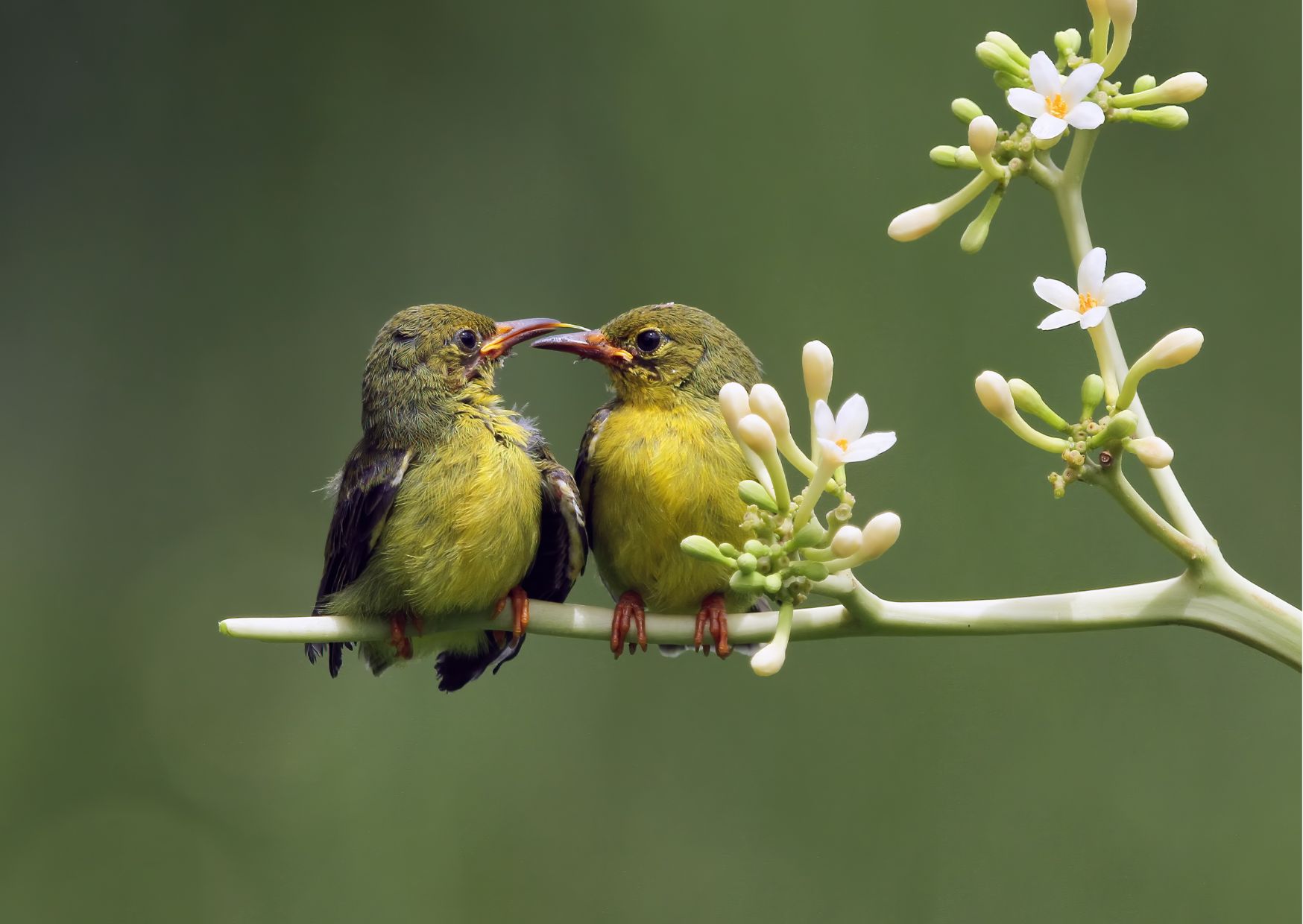
Tanzania’s best birdwatching destinations range from the wildlife-rich Serengeti and Ngorongoro areas to Lake Manyara’s varied habitats, Tarangire’s river landscapes, and the more specialised forests and mountains of the Eastern Arc. The right choice depends on your target species, travel dates, and how much time you have.
Kaara Safari Adventures Ltd can help build a route that matches your interests and travel style. Share your dates, group size, target list, and preferred accommodation. Confirm current access arrangements before departure, and allow enough time for focused birding. With careful planning and responsible guiding, Tanzania offers a rewarding way to explore East Africa’s birdlife.