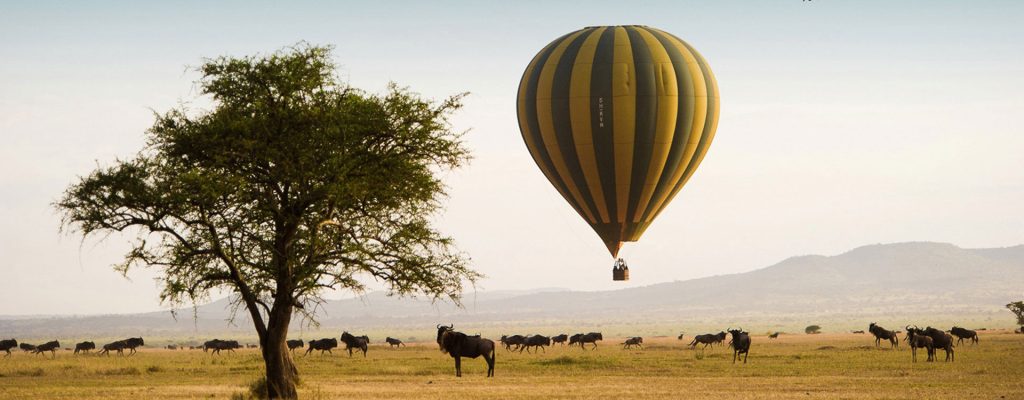
What Are the Best Birdwatching Destinations in Tanzania?
October 27, 2026
Where Can You See the Shoebill Stork During a Uganda Birding Safari?
October 27, 2026
What Is the Best Time of Year for Birding Safaris in East Africa?
How Does Season Affect Birding in East Africa?
East Africa offers birdwatching throughout the year, but seasonal changes can influence bird activity, habitat access, weather, and the presence of migratory species. Uganda, Kenya, Rwanda, and Tanzania each contain different ecosystems, from tropical forests and papyrus wetlands to open savannah, high mountains, lakeshores, and coastal habitats. As a result, the best time for birding safaris in East Africa depends on the places you plan to visit and the birds you hope to find. Instead of relying on one universal month, build your travel dates around your target species, available time, and preferred type of experience.
Rainfall can influence breeding behaviour, vegetation, food availability, and water levels. In some places, wetter periods bring more vocal activity and fresh habitat conditions, while heavy rain can make roads and forest trails more challenging. Drier periods may improve access to some parks and concentrate certain birds near remaining water, but conditions differ from one region to another. Migratory birds also follow seasonal patterns, and their arrival or departure does not occur on identical dates every year. These variations mean that seasonal advice should be treated as a guide rather than a guarantee.
A well-planned East African birding safari leaves room for local conditions and observation time. Kaara Safari Adventures Ltd can help travellers compare destinations, seasons, and routes before making a booking. Sharing a target list with a specialist is often more useful than asking only for the “best month,” because the ideal timing for one species may differ from the ideal period for another.
When Can You See Migratory Birds?
Parts of East Africa receive migratory birds from the northern hemisphere during the broad northern winter, while other species move within Africa as conditions change. The timing and length of these movements vary by species and habitat. Wetlands may attract different waterbirds as water levels shift, while grasslands, forests, and coastal areas support different seasonal visitors. Birders hoping to record migrants should identify their target species and confirm their likely presence for the exact destination and travel dates.
Migratory birding can be combined with resident species, making it possible to explore several habitat types during one holiday. However, migration should not be treated as a fixed spectacle that occurs on the same date every year. Weather, food availability, and wider ecological conditions can affect the timing of movements. A specialist guide or local birding organisation can provide destination-specific information closer to departure.
If your main objective is to see a particular migrant, allow enough flexibility in your itinerary and avoid scheduling every day around long transfers. A longer stay at a suitable wetland, forest, or open habitat may create better opportunities than visiting several distant sites quickly. Keep a record of sightings, but remember that a bird’s absence during one visit does not mean the destination lacks suitable habitat.
How Do Uganda, Kenya, Rwanda, and Tanzania Differ by Season?
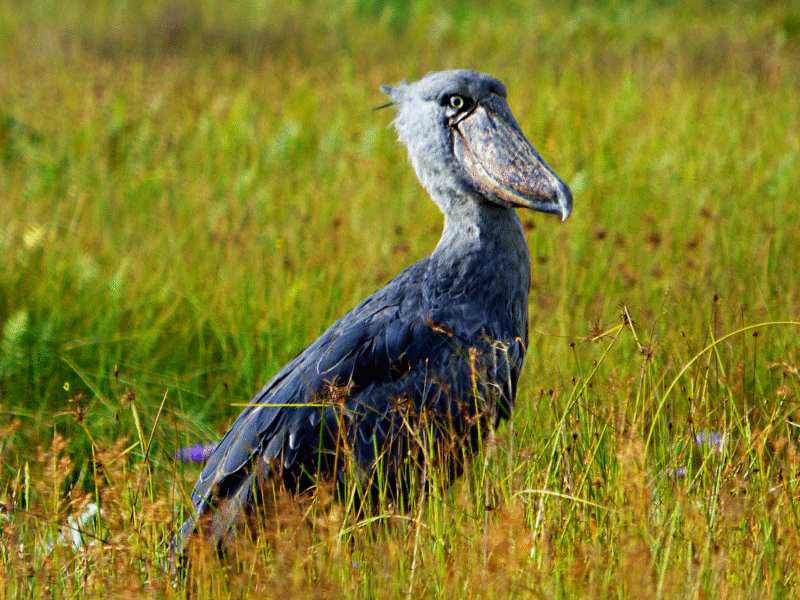
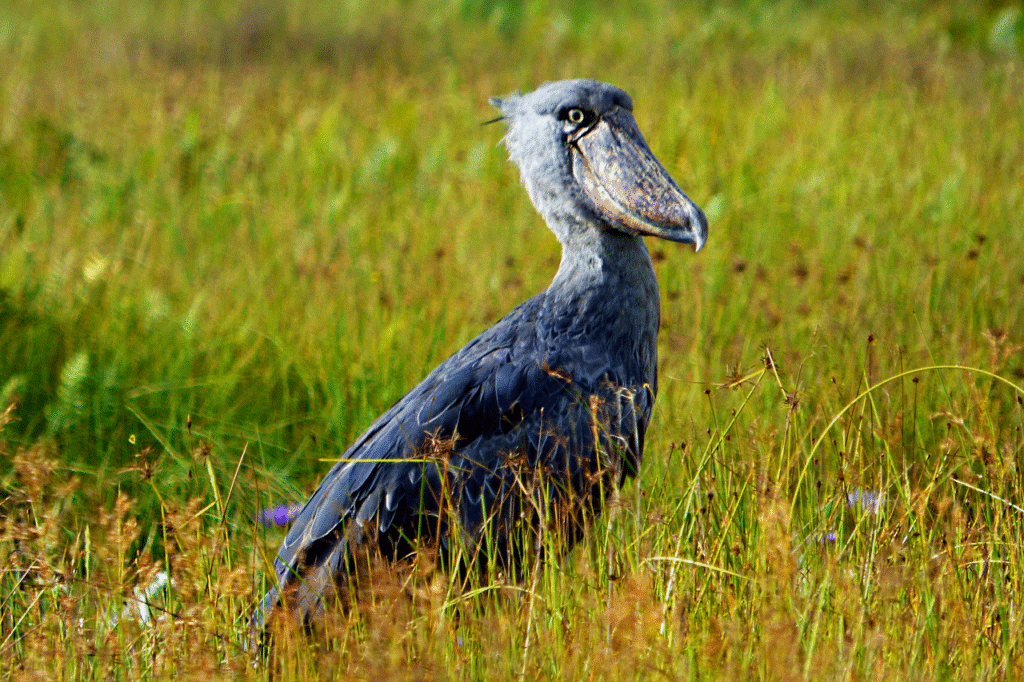
Uganda’s varied habitats include wetlands, lowland and montane forests, and savannah parks. Birding plans may combine a shoebill search around Mabamba Bay with forest birding in Bwindi or Semuliki and open-country habitats in Queen Elizabeth or Murchison Falls. Seasonal rain can affect road access and forest walking conditions, so the route should reflect current conditions and target species.
Kenya combines Rift Valley lakes, savannah parks, highland forests, dry-country areas, and the coast. Water levels and local conditions can affect bird concentrations around lakes, while highland and coastal regions may have different weather from the interior. Rwanda’s compact geography allows visitors to combine montane forest in Nyungwe with savannah and wetland habitats in Akagera, although travel times and trail conditions still matter. Tanzania is much larger, and the best seasonal plan for the northern safari circuit may differ from the plan for Eastern Arc forests or coastal regions.
For a multi-country trip, do not assume that a single month provides ideal conditions everywhere. Consider which habitats are essential, how much time you have, and whether domestic flights or lengthy road transfers are required. A realistic route with fewer destinations can produce a better birding experience than a rushed itinerary that attempts to cover the whole region.
Are the Rainy Months Suitable for Birding Safaris?
Rainy months can offer valuable birding opportunities, but they also require preparation. Some birds become more active or vocal during breeding periods, and seasonal vegetation can create attractive habitats. At the same time, rain may reduce visibility, affect road conditions, and make forest trails muddy or slippery. A wet season visit can be rewarding when the itinerary is designed for the conditions rather than based on expectations of uninterrupted sunshine.
Travellers should pack waterproof outerwear, footwear with good grip, and protective bags for optical equipment. Allow extra time for road journeys and avoid planning tight connections after remote excursions. Guides may adjust the route according to local weather, safety advice, and access restrictions. In some cases, a change of site or activity may be more sensible than continuing under unsuitable conditions.
The decision should depend on your priorities. If your target species is associated with a particular seasonal period, some rain may be a reasonable trade-off. If your trip includes long drives, remote trails, or several destinations, access conditions should be checked carefully before booking. Always verify current forecasts and local guidance close to departure.
What Time of Day Is Best for Birdwatching?
Early morning is often productive because many birds are active during cooler hours, and calls can be easier to hear before daytime activity becomes busy. Dawn outings may be especially useful in forests, wetlands, and open habitats where birders want to listen for calls or observe feeding behaviour. However, useful sightings can occur at other times, depending on the species, habitat, weather, and activity planned.
Midday may be suitable for transfers, rest, photography review, or selected habitats where birds remain active. Late afternoon can provide another opportunity to observe feeding or movement before dusk. A good guide balances the day around the destination rather than assuming that every hour has equal value. For boat excursions, forest walks, or park game drives, follow the activity provider’s operating times and safety guidance.
Avoid overloading the itinerary with too many early starts and long transfers. Birding requires concentration, and fatigue can reduce enjoyment. A sensible schedule includes breaks, hydration, and enough time at each site to identify birds carefully.

Where Can You See the Shoebill Stork During a Uganda Birding Safari?
What Should You Consider Before Choosing Travel Dates?
Before choosing travel dates, decide whether your main goal is a broad species list, a target bird, photography, family learning, or a combination of birding and wildlife viewing. Next, identify the habitats and countries needed to support that goal. Then compare seasonal guidance, road conditions, park access, accommodation availability, and the time required to travel between regions. These details can matter as much as general weather patterns.
Travellers combining birding with gorilla trekking or chimpanzee tracking should check permit availability and current rules well in advance. Additional activities can influence the entire schedule, especially when permits have fixed dates and reporting times. Multi-country itineraries also require attention to border crossings, flights, visa and entry requirements, and luggage restrictions. Confirm these details using current official guidance before finalising arrangements.
A flexible plan is valuable because nature is unpredictable. Leave room for weather changes and unexpected sightings, and avoid treating a checklist as the only measure of success. Good planning improves your chances of a rewarding trip, but it cannot guarantee any particular wild-bird encounter.
What Should You Pack for Different Seasons?
Binoculars, a bird guide or offline app, a notebook, and a camera are useful in any season. For wetter conditions, include a waterproof jacket, quick-drying clothing, shoes with reliable grip, and protective covers for your equipment. A dry bag or weather-resistant backpack can help keep essential items safe during boat trips and sudden showers. In cooler highland or forest locations, bring a light warm layer for early starts.
During hotter and drier periods, use lightweight clothing, a hat, sunscreen, insect repellent, and a reusable water bottle. Long sleeves and trousers can help protect against sun and insects. Carry personal medication and keep spare batteries and memory cards secure. If the itinerary includes domestic flights, check luggage limits before packing larger optical equipment.
Your packing list should reflect the exact destinations and forecast. Ask your operator for guidance based on planned activities and local conditions. Keep essentials accessible in a small daypack, and avoid carrying unnecessary equipment that makes walking difficult.
How Can Kaara Safari Adventures Ltd Help Choose the Right Season?
Kaara Safari Adventures Ltd can help compare destination options and seasonal considerations for a birding holiday in Uganda, Kenya, Rwanda, or Tanzania. Provide your preferred dates, target species, group size, travel pace, and any additional activities. With this information, the itinerary can be built around appropriate habitats and realistic travel times instead of relying on a general seasonal recommendation.
Before confirming, review the written itinerary and quotation. Check the services included, such as transport, guiding, accommodation, meals, park fees, and optional excursions. Ask about excluded costs, payment terms, and cancellation conditions. Confirm current park access, activity permits, and travel requirements for the intended dates, because rules and prices may change.
Responsible birding remains important in every season. Follow local instructions, avoid disturbing nesting or feeding birds, and remain on authorised routes. A well-timed safari combines preparation with flexibility, giving you more time to observe birds while respecting their habitats.
Frequently Asked Questions About East African Birding Seasons
Is there one best month for all four countries? No. Uganda, Kenya, Rwanda, and Tanzania have different habitats and local weather patterns. The best period depends on your target species and route.
Are migratory birds present all year? Some migrants are seasonal, while resident species can be seen throughout the year. Exact timing varies by species and location.
Is birding possible during rain? Yes, but rain may affect visibility, roads, and trails. Waterproof clothing and a flexible itinerary are helpful.
Are mornings always best? Early mornings are often productive, but bird activity varies. Guides can adjust the schedule for target species and local conditions.
Should I book far ahead? Book early if you have fixed dates, need specialist guiding, or plan to add permit-based activities such as gorilla trekking.
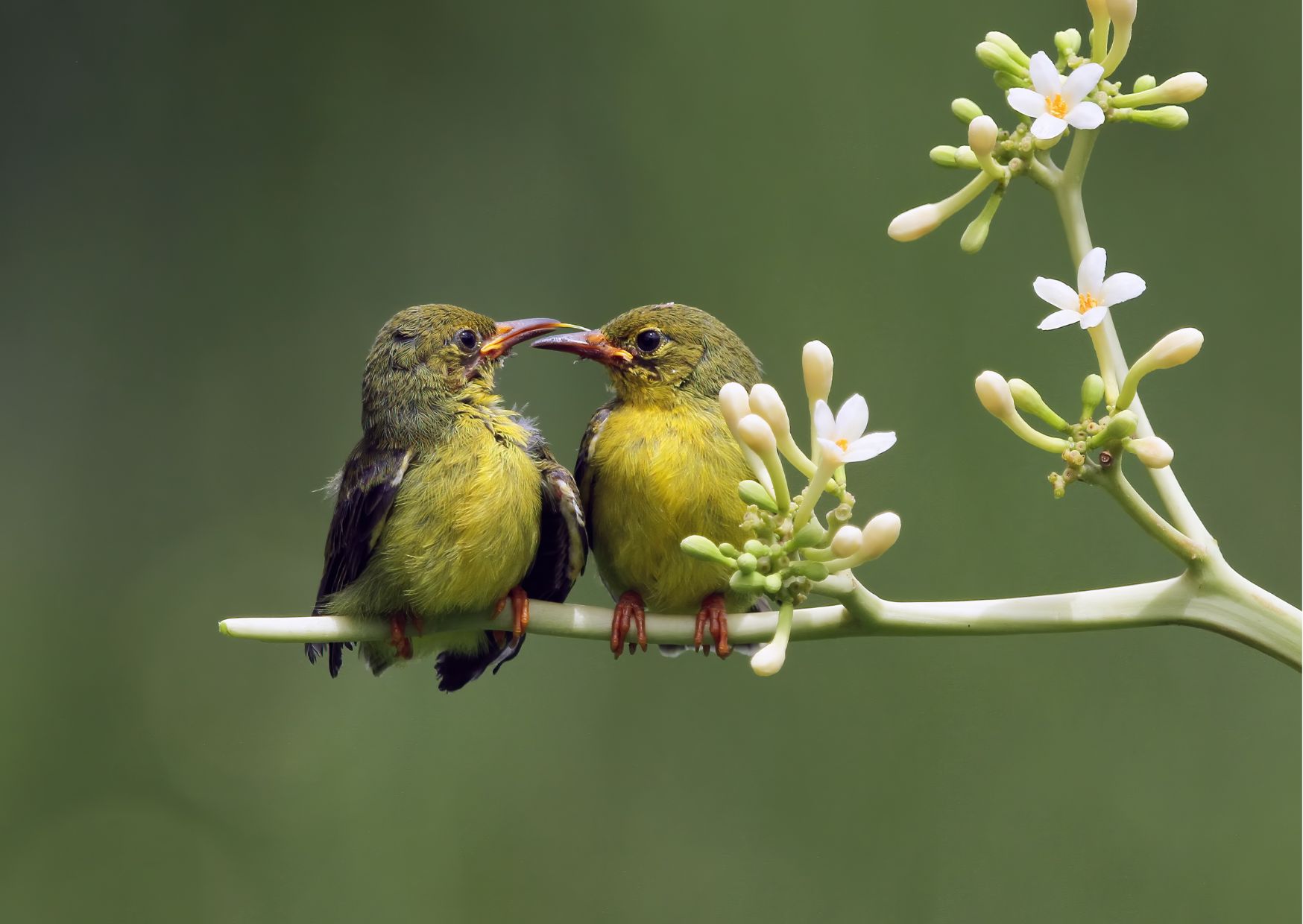
birding Safaris
Plan Your East African Birding Safari
The best time for birding safaris in East Africa depends on the birds you want to see, the habitats you plan to explore, and the conditions in each destination. Migratory patterns, rainfall, road access, and park operations all influence the experience. Rather than relying on one universal season, choose travel dates based on a target list and a realistic route.
Kaara Safari Adventures Ltd can help plan a birding holiday across Uganda, Kenya, Rwanda, and Tanzania. Share your dates, interests, and preferred pace, and confirm current access and permit arrangements before travel. With a thoughtful itinerary and flexible expectations, you can enjoy East Africa’s remarkable birdlife responsibly.