What Are the Best Birding Safari Destinations in Uganda, Kenya, Rwanda, and Tanzania?
October 26, 2026
Kenya Hot Air Balloon Ride
October 26, 2026
Which National Parks in Uganda Are Best for Birdwatching Safaris?
Which National Parks in Uganda Are Best for Birdwatching Safaris?, Uganda offers an outstanding variety of bird habitats within a relatively compact country. Wetlands, tropical forests, savannah plains, lakeshores, riverbanks, and highland environments support different bird communities. This variety makes the country appealing to both first-time birdwatchers and experienced birders building a regional checklist. When deciding which national parks in Uganda are best for birdwatching safaris, it helps to look beyond a single species count and consider habitat diversity, target birds, travel time, and the kind of experience you prefer.
Mabamba Bay is widely associated with searches for the shoebill, although it is a wetland site rather than a national park. It can complement a national-park itinerary very well. Bwindi Impenetrable National Park is known for its montane forest birds and Albertine Rift species. Queen Elizabeth National Park combines savannah, woodland, wetlands, and crater-lake scenery, while Murchison Falls National Park offers riverine habitats, open grassland, and birding along the Nile. Kibale National Park is particularly well known for primates, but its forest and nearby wetlands also interest birders. Semuliki National Park provides lowland tropical forest habitat with a distinct bird community.
The best destination depends on your priorities. Travellers focused on forest specialists may favour Bwindi and Semuliki. Those who want a mixture of birds and large mammals may prefer Queen Elizabeth or Murchison Falls. A tailor-made route can combine several habitats while allowing enough time for observation rather than spending each day on the road.
Which Ugandan Parks Should You Put First on Your List?
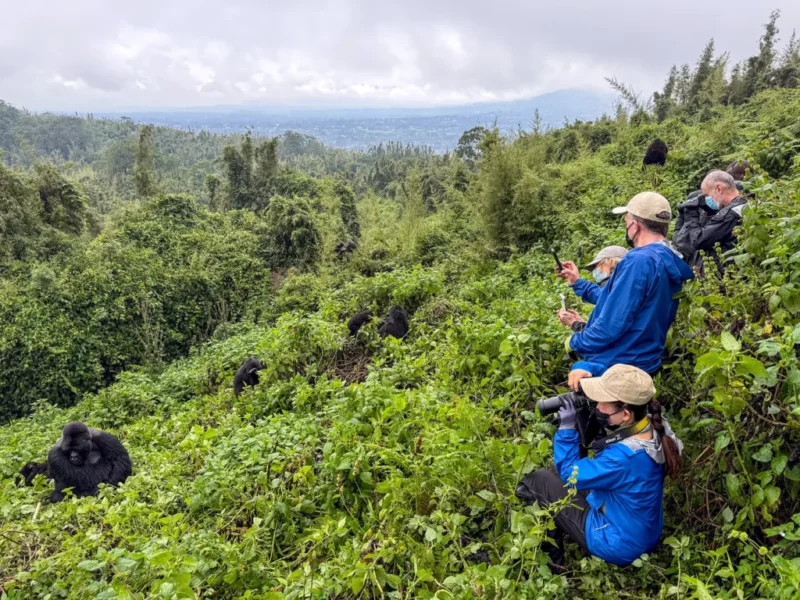
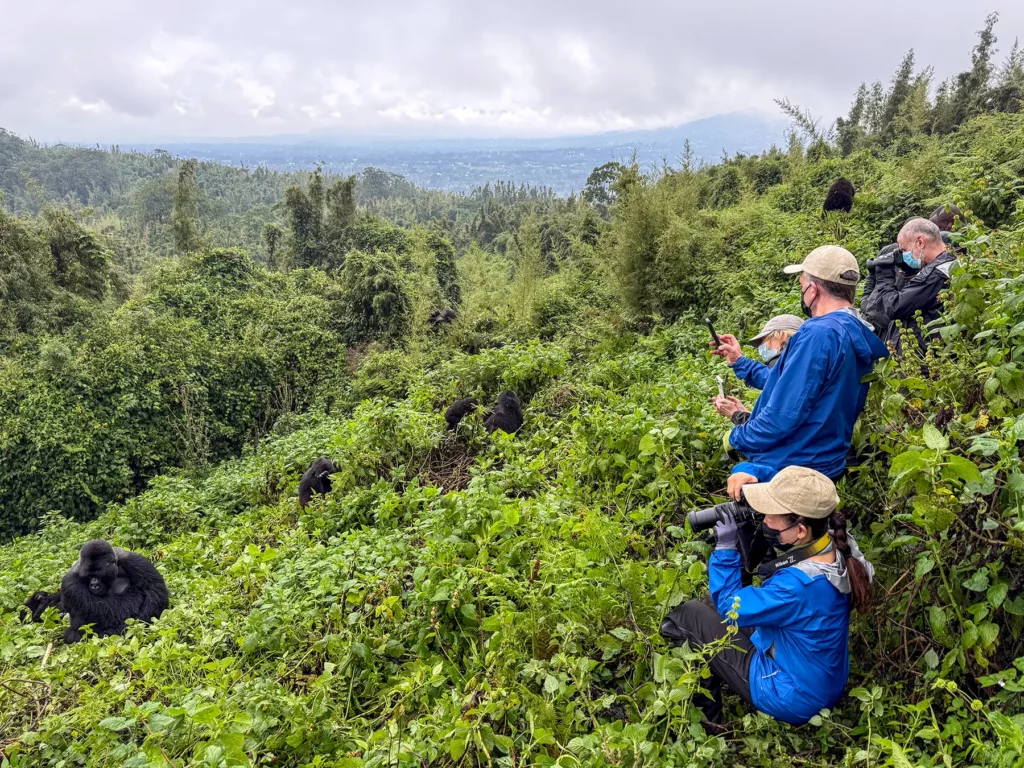
Bwindi Impenetrable National Park is a leading option for birders interested in montane forest and Albertine Rift species. Dense vegetation can make some birds difficult to see, so listening for calls and moving patiently with an experienced guide are important. Forest trails may be steep, muddy, and uneven, particularly after rain. Visitors should choose a route suited to their fitness and confirm the available birding arrangements before arrival. Bwindi can also be combined with gorilla trekking, but the activity requires a separate permit and follows its own regulations.
Queen Elizabeth National Park offers a contrasting landscape. Open grasslands, woodland, wetlands, crater lakes, and the Kazinga Channel area create opportunities to search for different bird groups. A boat excursion, where available and operating, can provide close views of waterbirds and other wildlife from the water. Murchison Falls National Park is another strong choice, with the Nile, riverbanks, savannah, and woodland supporting a varied birding experience. The combination of a boat trip and game drive can suit visitors who want birds and mammals on the same holiday.
Kibale National Park and the nearby Bigodi Wetland Sanctuary can be rewarding for forest-edge and wetland birding. Semuliki National Park is worth considering for lowland forest species and a different habitat from Uganda’s better-known savannah parks. Lake Mburo National Park adds acacia woodland, grassland, and wetland environments to a shorter itinerary. Park conditions and species sightings vary, so no particular bird can be promised. Your route should be selected according to the season, target species, available time, and the latest access information.
Where Can You Search for the Shoebill?
The shoebill is one of Uganda’s most sought-after birds. Mabamba Bay, on the edge of Lake Victoria, is a well-known location for guided searches in papyrus wetland channels. Although Mabamba is not a national park, it is often included in birding itineraries because of its importance to shoebill-focused trips. Boat-based outings with local guides are commonly used to explore suitable areas. A sighting is never guaranteed, since the bird moves naturally through its habitat and conditions change from day to day.
Shoebill searches can be paired with other wetland birding or used as an opening activity before travelling to a national park. Visitors should follow the boat guide’s instructions, keep noise low, avoid crowding birds, and never ask operators to pursue or disturb wildlife for a closer photograph. Wetlands are sensitive ecosystems, and responsible viewing helps protect both birds and the habitat on which they depend.
If the shoebill is your main target, allow enough time for the excursion and avoid scheduling a tight onward transfer immediately afterward. Weather, water conditions, and local operating arrangements may affect the outing. Confirm departure times, transport, guide arrangements, and what is included in the price before booking. A well-planned wetland visit can be rewarding even if the shoebill remains hidden, because many other birds use the same ecosystem.
When Is the Best Time for Birdwatching in Uganda?
Birdwatching is possible throughout the year, but conditions vary by habitat and season. Rainfall can encourage breeding activity and make some birds more vocal, while wetter months may also make forest trails slippery and certain roads more difficult. During drier periods, access may be easier in some parks, although heat and local water levels can influence bird behaviour. Migratory species also affect seasonal lists, and the timing of their presence differs by species.
Rather than choosing travel dates based only on a general seasonal label, identify the birds and habitats that matter most to you. Ask a specialist to consider your target list, the length of your trip, and the regions you intend to visit. Early morning outings are often productive because birds may be more active during cooler hours. A flexible itinerary can also make room for weather changes and unexpected sightings.
Before departure, check current park notices, road conditions, health recommendations, and permit requirements for additional activities. If you plan to combine birding with gorilla trekking or chimpanzee tracking, confirm permit availability and the applicable rules well ahead of time. These activities have different schedules and physical demands from ordinary birding walks.
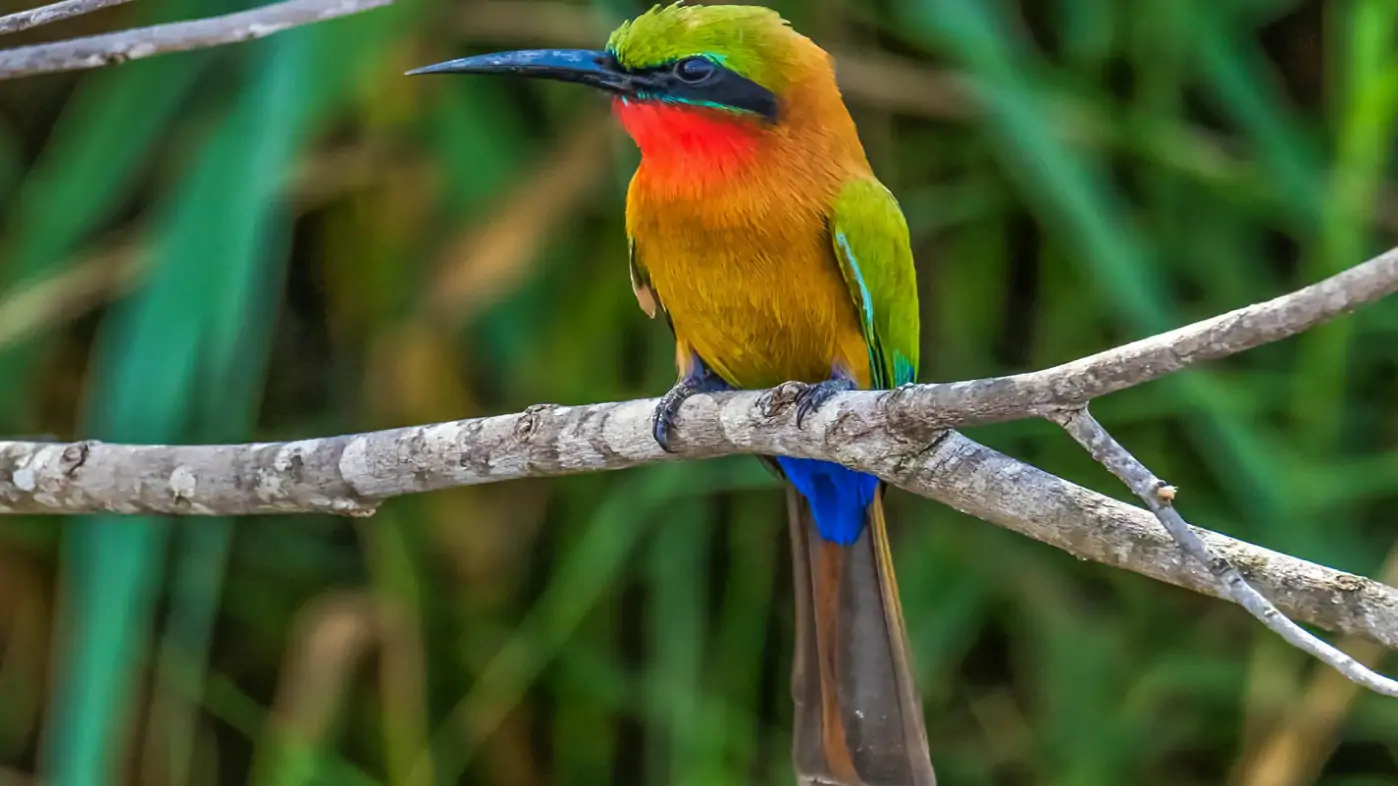
Birding Watching Safaris In Semuliki National Park
What Should You Expect on a Uganda Birding Safari?
A birding safari usually moves at a slower pace than a conventional wildlife drive. You may stop frequently to listen, inspect a canopy, scan the edge of a wetland, or compare field marks. Depending on the location, activities can include vehicle-based birding, guided walks, boat trips, and time around lodge grounds. A knowledgeable guide can help interpret calls, behaviour, habitat, and subtle differences between similar species.
Birding can be combined with wildlife viewing, photography, cultural visits, and primate experiences, but every additional activity needs time in the itinerary. A short trip should focus on a few suitable sites instead of trying to cross the whole country. Longer journeys can link wetlands, montane forest, lowland forest, and savannah. Wildlife remains unpredictable, so sightings depend on conditions and chance as well as planning.
Visitors should bring binoculars if possible, wear comfortable footwear, carry water, and follow the guide’s advice. Avoid loud calls or playback unless a qualified guide confirms that a method is appropriate and permitted; unnecessary disturbance should always be avoided. Respect park boundaries and do not leave designated routes to approach a bird.
What Should You Pack for Uganda Birdwatching?
Pack binoculars, a field guide or offline birding app, a notebook, and a camera if you enjoy photography. Bring spare batteries, memory cards, and charging equipment where needed. Lightweight, neutral-coloured clothing works well in many habitats. Long sleeves and trousers can help protect against insects, sun, and vegetation, while sturdy walking shoes with good grip are useful on muddy forest trails.
A waterproof jacket, sun hat, sunscreen, insect repellent, reusable water bottle, and small daypack are practical essentials. Forest areas can feel cool and damp, while open savannah locations may become hot during the day. Pack personal medication in its original packaging and keep important items in your hand luggage if travelling on domestic flights. Luggage limits can differ between airlines and small aircraft, so check restrictions before packing.
Your final list should reflect the itinerary and current forecast. Ask your operator whether any specialist equipment is available, but do not assume binoculars or scopes will be supplied unless this has been confirmed.
How Can Kaara Safari Adventures Ltd Help Plan Your Trip?
Kaara Safari Adventures Ltd can help organise a Uganda birding itinerary around your target species, travel dates, group size, preferred accommodation, and other interests. Tell the planner whether you prefer forest birding, wetlands, savannah species, photography, or a broad introduction to Uganda’s birdlife. This information helps shape a route that balances observation time with realistic driving distances.
Before confirming, review the written itinerary and quotation carefully. Check what is included, such as transport, guiding, accommodation, meals, park fees, boat excursions, and airport transfers. Confirm which costs are excluded and review payment and cancellation terms. Park rules, activity fees, and availability may change, so current arrangements should be verified for your travel dates.
Responsible tourism should remain part of the plan. Choose respectful wildlife-viewing practices, support local guides and community initiatives where possible, and avoid activities that disturb birds or damage habitats. With clear priorities and realistic expectations, Uganda can provide a rich and varied birding holiday.
 Frequently Asked Questions About Uganda Birding Parks
Which park is best for forest birds? Bwindi and Semuliki are strong options for different forest habitats, while Kibale and nearby wetlands can add variety. The best choice depends on your target species.
Can I see the shoebill in a national park? Mabamba Bay is a well-known shoebill site, but it is a wetland rather than a national park. Sightings are not guaranteed.
Can I combine birding with gorilla trekking? Yes. Bwindi and other suitable destinations can be included, subject to permit availability, park rules, and the time required for each activity.
Do I need a birding guide? A specialist guide is strongly recommended, especially for forest birding and target species. Guides can help identify calls and locate birds while keeping visits responsible.
How long should I spend in Uganda? A short trip can cover selected wetlands and one park. A longer itinerary allows you to explore more habitats without rushing between regions.
Plan Your Uganda Birdwatching Safari
The best national parks for birdwatching in Uganda depend on the habitats and species you hope to find. Bwindi offers montane forest birding, Queen Elizabeth and Murchison Falls combine birds with major wildlife landscapes, Kibale provides forest and wetland opportunities, and Semuliki adds lowland tropical forest. Mabamba Bay is a valuable addition for travellers interested in the shoebill.
Kaara Safari Adventures Ltd can help turn these options into a practical itinerary with suitable guiding, transport, accommodation, and time for observation. Share your target birds, travel dates, group size, and preferred pace to begin planning a safari that fits your interests.