Which Endemic Birds Can You Look for in East Africa?
November 3, 2026
How Do You Plan a Multi-Country Birding Safari in East Africa?
A multi-country birding safari can reveal an exceptional range of habitats and bird communities, from highland forests and papyrus wetlands to open savannahs and lakeshores. Uganda, Kenya, Rwanda, and Tanzania each offer distinct birding opportunities, but combining them requires more planning than a single-country trip. Border crossings, road distances, seasonal conditions, park access, and the locations of target species all influence the route. The strongest itinerary is not necessarily the one that visits the most places; it is the one that gives you enough time in the right habitats.
Where should you begin?
Start by identifying your main goal. Some travellers want a broad regional species list, while others are focused on Albertine Rift endemics, wetland birds, photography, or a combination of birding and large-mammal safaris. List your priority species and group them by habitat and country. Then decide how many days you can travel without making the schedule exhausting. A specialist operator can help determine which targets fit together geographically and which would require significant detours. Keep the list flexible because wildlife sightings cannot be guaranteed.
How many countries should you include?
The ideal number depends on the length of the trip and your birding style. A shorter holiday may be more rewarding in one or two countries, where you can spend longer at each site. A longer expedition can combine several countries, but every border crossing and long transfer reduces time available in the field. Uganda and Rwanda can pair well for forest and primate experiences, while Kenya and Tanzania offer extensive savannah, lake, woodland, and highland options. The best combination depends on target birds, transport, budget, and entry requirements at the time of travel.
How should you plan routes and transfers?
Map the destinations before booking accommodation. Estimate realistic driving times, then allow for traffic, road conditions, border formalities, rest stops, and weather. Avoid scheduling a demanding forest walk immediately after a very long transfer. Flights can reduce travel time on selected routes, but schedules, baggage allowances, costs, and airport transfers need to be checked. Confirm passport validity, visa or entry requirements, and any regional travel documents with official sources. Do not assume that one visa arrangement automatically covers every country or every traveller.
When should you travel?
Birding is possible throughout the year, but seasonal rainfall, migration, breeding cycles, and road conditions can influence the experience. Some periods may offer more migratory birds, while other periods can be useful for observing breeding activity or resident species. The best timing depends on the target list and exact destinations. Ask a local specialist to review your dates against current conditions rather than relying on a single “best month” for the entire region. If your schedule is fixed, choose sites that remain practical for that season.
What should you budget and pack?
Your budget may include accommodation, transport, guiding, park fees, border or visa costs, meals, flights, and specialist activities. Costs vary widely with travel style, group size, private vehicle use, and the number of parks. Request a written itinerary that shows inclusions and exclusions. Pack binoculars, a field guide or offline app, a notebook, neutral-coloured clothing, comfortable walking shoes, rain protection, sun protection, personal medication, and spare batteries or charging equipment. Keep your equipment accessible during early starts and protect it from dust and moisture.
How can you travel responsibly?
Choose operators and guides who follow park rules, respect local communities, and minimise disturbance to wildlife. Stay on permitted paths, avoid approaching nests, and do not pressure guides to use playback irresponsibly. Ask before photographing people and support community-owned services where possible. Responsible planning also means allowing realistic rest periods and choosing activities that suit every traveller’s abilities. A well-paced itinerary protects the quality of birding while supporting safer, more respectful travel.
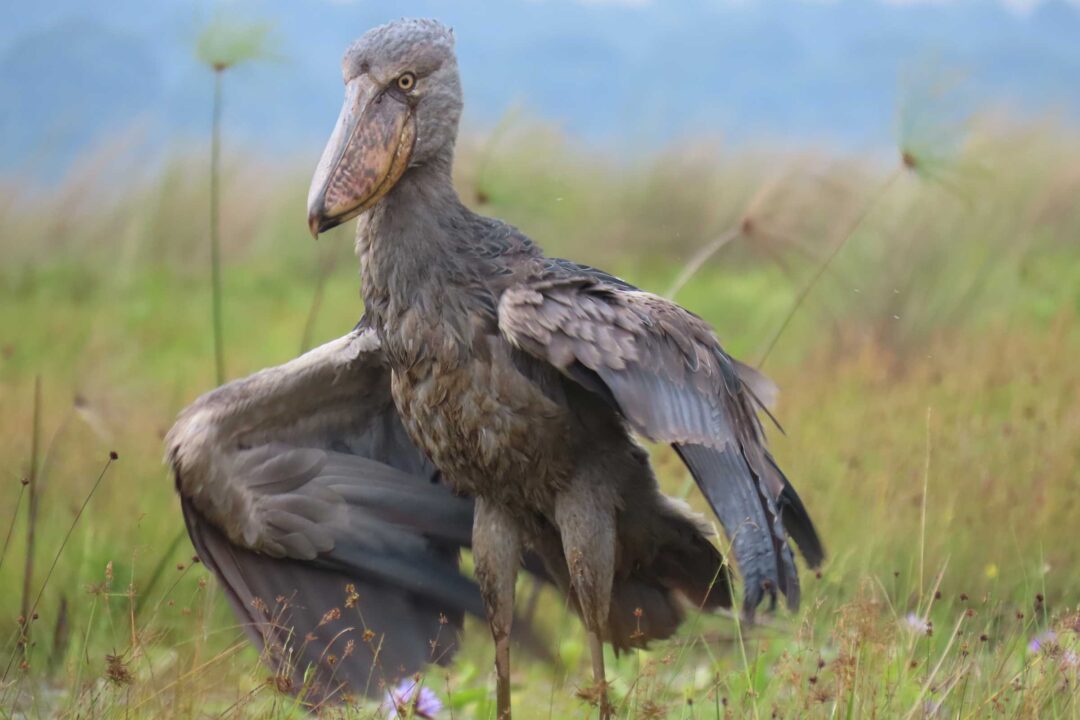
How Many Bird Species Can You Expect to See on an East African Birding Safari?
Frequently Asked Questions
Can I visit Uganda, Kenya, Rwanda, and Tanzania in one trip?
Yes, with sufficient time and careful routing. The feasibility depends on your dates, entry requirements, budget, target birds, and preferred transport.
Should I book a specialist birding guide in every country?
Local guides can be valuable because they know site access, seasonal patterns, calls, and where target species are usually encountered.
Can I combine birding with gorilla trekking and game drives?
Yes, but permits, physical demands, transfer times, and time for focused birding should be built into the schedule.
How far in advance should I plan?
Plan early if you have fixed dates, specialised targets, limited accommodation choices, or activities requiring permits. Verify current rules before paying.
Plan Your Safari
Kaara Safari Adventures Ltd can help organise a realistic multi-country birding safari with suitable habitats, experienced local guides, and clear travel arrangements.