The Best Time to See Wildebeest Calving in Serengeti
October 26, 2026
Which National Parks in Uganda Are Best for Birdwatching Safaris?
October 26, 2026
What Are the Best Birding Safari Destinations in Uganda, Kenya, Rwanda, and Tanzania?
Birdwatching across East Africa rewards travellers with some of the richest avian encounters on the planet, and choosing the best birding safari destinations in Uganda, Kenya, Rwanda, and Tanzania is the first step toward an unforgettable journey. Kaara Safari Adventures Ltd designs these trips for enthusiasts from every corner of the world, whether they carry a lifetime list or a brand-new pair of binoculars. The region shelters well over one thousand species within a compact stretch of savannah, papyrus swamp, montane forest, volcanic highland, and soda lake. Few places allow a visitor to watch a prehistoric shoebill at sunrise, admire flamingos in a pink haze by afternoon, and still tick a rare Albertine Rift endemic before dinner. Uganda and Kenya each record roughly eleven hundred species, Tanzania reports a similar total, and Rwanda adds dense mountain forests packed with specialities. Together, these four countries form a connected circuit that suits short breaks and extended expeditions alike. Our guides grew up beside these habitats, so they read calls, flight patterns, and subtle movements the way others read road maps. Every itinerary balances patience with comfort, offering dependable vehicles, thoughtful lodging, and expert interpretation. Readers seeking trustworthy, experience-based advice will find it here, because our team has led birders along these routes for years and refines each recommendation after every season.
What Are the Best Birding Safari Destinations in Uganda and Rwanda?
Anyone researching the best birding safari destinations in Uganda, Kenya, Rwanda, and Tanzania should begin with Uganda, a country often described as a birder’s paradise. Queen Elizabeth National Park offers more than six hundred species, and a boat cruise along the Kazinga Channel delivers close views of kingfishers, African skimmers, and waterbirds. Murchison Falls National Park pairs Nile-side birding with open savannah, while Mabamba Swamp near Entebbe remains the most dependable place for finding the shoebill from a canoe. Bwindi Impenetrable Forest hosts numerous Albertine Rift endemics, including the African green broadbill, and Semuliki National Park brings Central African lowland species such as the red-billed dwarf hornbill within reach. Moving south, Rwanda proves that a small country can deliver outsized rewards. Nyungwe Forest National Park protects dozens of Albertine Rift endemics, among them the Rwenzori turaco, and its canopy walkway gives a rare eye-level perspective. Akagera National Park contributes savannah and wetland birds, including papyrus gonolek and, with patience, shoebill. Volcanoes National Park adds highland forest species to any list. Which route suits you best? That depends on your target birds and available days, so Kaara Safari Adventures builds each plan around personal wishes. Combining the two countries is easy, because good roads and short border formalities link them smoothly.
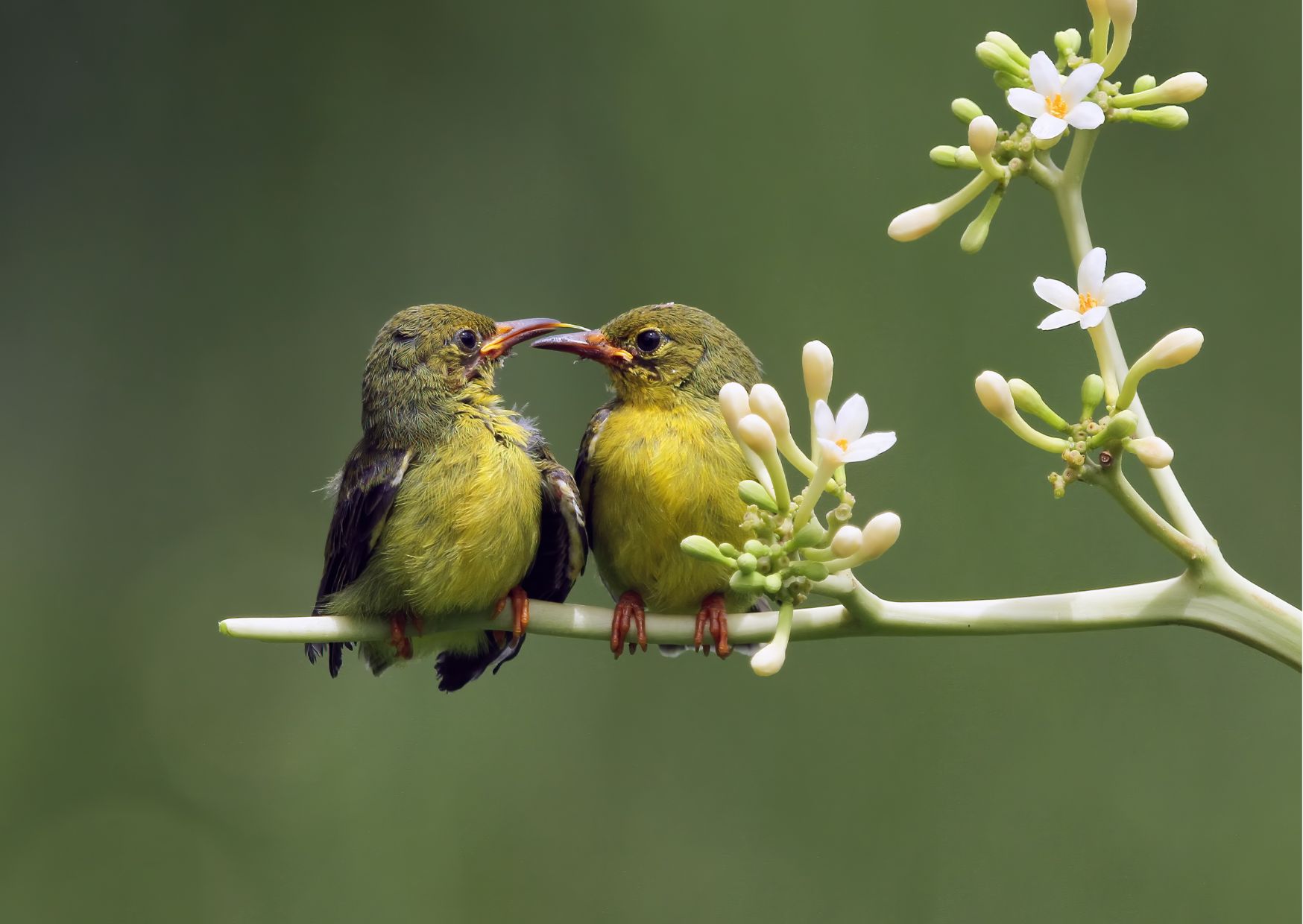
birding Safaris
Where Can You Enjoy Birding Safaris in Kenya and Tanzania?
Kenya and Tanzania complete the best birding safari destinations in Uganda, Kenya, Rwanda, and Tanzania with open skies, dramatic rift valley lakes, and unforgettable spectacles. In Kenya, Lake Nakuru, Lake Bogoria, and Lake Baringo attract flamingos, pelicans, and an impressive variety of raptors, while Lake Naivasha offers relaxed boat outings among fish eagles and herons. Kakamega Forest, the last remnant of ancient equatorial rainforest in the country, hosts great blue turacos and other western specialities. Along the coast, Arabuko-Sokoke Forest shelters rare endemics such as Clarke’s weaver and the Sokoke scops owl. The Maasai Mara, meanwhile, supplies secretary birds, bustards, and vultures alongside its famous mammals. Across the border, Tanzania delivers equally rewarding birding. Serengeti National Park, Ngorongoro Crater, Lake Manyara, and Tarangire each contribute distinct communities, from ostriches on the plains to storks nesting in baobab country. Lake Natron supports flamingo breeding, and the Usambara and Udzungwa mountains protect forest endemics found nowhere else. Southern parks such as Nyerere National Park draw many Eurasian migrants during the northern winter. Can one trip include both countries? Absolutely, and our team regularly arranges overland or flying circuits that connect Nairobi, Arusha, and the major reserves in a seamless sequence.
What Are the Expectations on This Birding Safari?
Travellers planning the best birding safari destinations in Uganda, Kenya, Rwanda, and Tanzania often ask what a typical day looks like. Mornings begin early, frequently before six o’clock, because birds are most active in the cool first light. Guides lead small groups on game drives, forest walks, and boat cruises, pausing whenever a call or flash of colour appears. Expect unhurried scanning, generous time for photography, and plenty of friendly explanation about behaviour, plumage, and identification tips. Midday usually brings a relaxed lunch and rest at the lodge, followed by another outing as temperatures drop. On productive days, birders commonly record fifty to one hundred species, though dense forests may yield fewer sightings that feel far more rewarding. Mammals appear too, so elephants, giraffes, and monkeys regularly enrich the experience. Is the pace demanding? Not at all, because walks remain gentle and vehicles do most of the travelling. Beginners receive patient coaching, while advanced listers receive targeted searches for specific species. Accommodation ranges from comfortable tented camps to refined lodges, each chosen for its birding potential and warm hospitality. At every stage, Kaara Safari Adventures keeps safety, ethics, and enjoyment in balance, ensuring that birds remain undisturbed and that guests return home with stories, photographs, and a lengthened life list.
When Is the Best Time for This Birding Safari?
Timing shapes every plan for the best birding safari destinations in Uganda, Kenya, Rwanda, and Tanzania, so understanding the seasons pays real dividends. East Africa enjoys birdwatching throughout the year, yet two periods stand out. From December to February and again from June to September, drier weather makes trails easier, roads firmer, and wildlife concentrations more visible. These months also suit shoebill searches, since water levels in some wetlands drop and the birds become easier to locate. Migrant enthusiasts should favour the period from October to April, when Palearctic visitors such as swallows, wagtails, and raptors flood the region and swell checklists dramatically. Resident species display their most colourful breeding plumage during and just after the rains, roughly March to May and October to November, creating superb photography conditions amid fresh green landscapes. What about the downsides? Rain can make forest paths muddy and some tracks slippery, but fewer visitors and lower rates often compensate. Kenya and Tanzania also shift with the Great Migration, adding spectacular mammals to many itineraries. Because each country has slightly different patterns, our consultants compare your target species against local conditions and recommend the ideal departure dates. This advice draws on years of field experience rather than guesswork, giving you confidence before you travel.
Why Choose Us for This Birding Safari?
Selecting a partner for the best birding safari destinations in Uganda, Kenya, Rwanda, and Tanzania deserves careful thought, and Kaara Safari Adventures Ltd offers several clear advantages. Our guides are locally raised, professionally trained, and deeply familiar with the habitats, songs, and seasonal movements of the birds you hope to see. Because we operate across Uganda, Kenya, Rwanda, and Tanzania, one team can coordinate permits, transfers, lodging, and guiding without confusing handovers. Every journey is tailor-made, whether you prefer a focused ten-day list-building tour or a relaxed mix of birding, wildlife, and culture. We keep group sizes small, which improves sightings and lessens disturbance. Safety standards are strict, vehicles are well maintained, and open-top or pop-up roofs allow comfortable viewing and photography. Our pricing is transparent, with no unpleasant surprises, and responsible tourism guides every decision, from supporting community projects to respecting conservation rules. Past guests praise our patience, knowledge, and warmth, which reflects the trust we have earned across the industry. Want reassurance before booking? Our consultants gladly share sample itineraries, references, and honest advice about realistic expectations. Choosing us means choosing expertise, authenticity, and genuine care for both travellers and wildlife, which is exactly what any serious birding holiday should deliver.
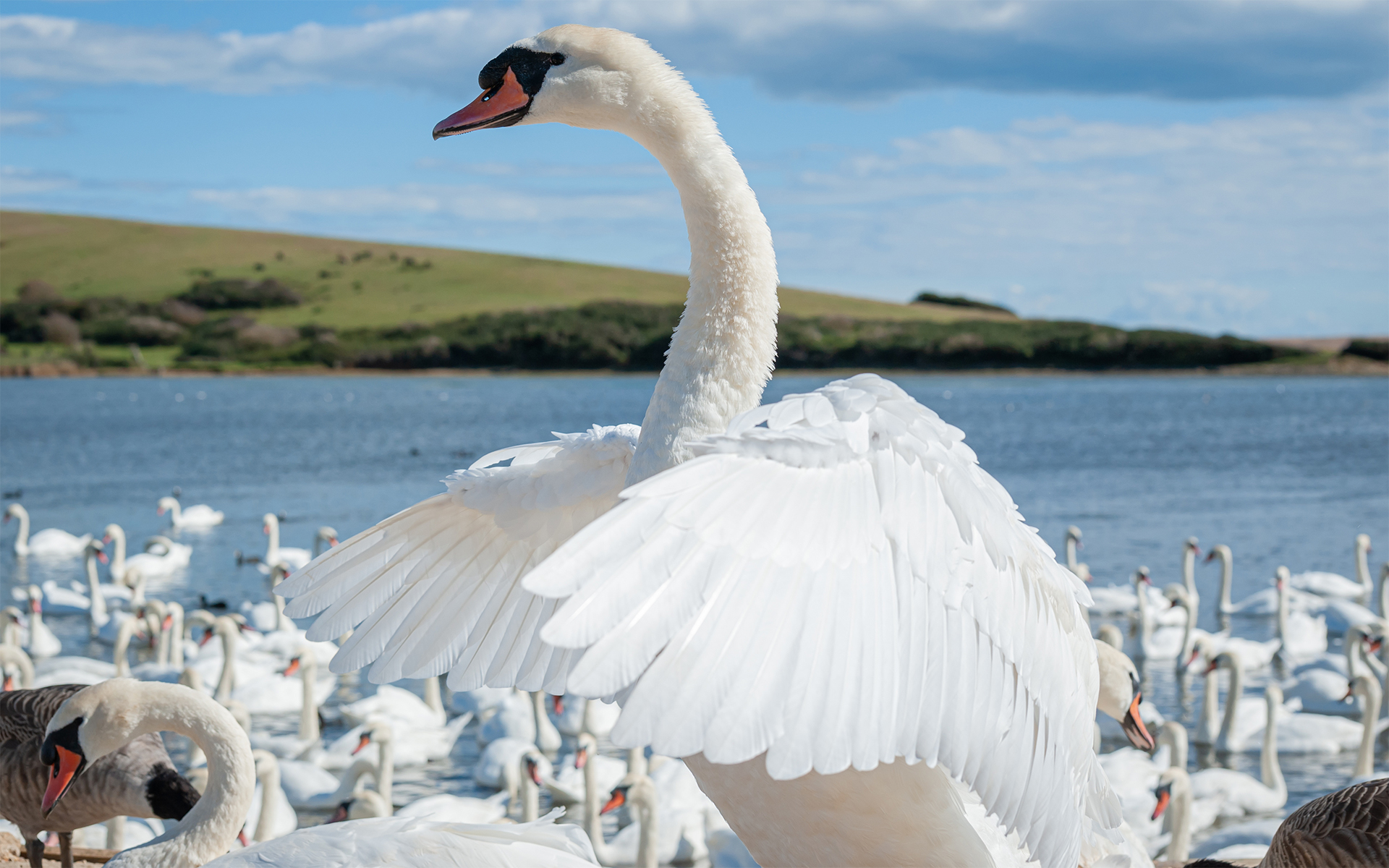
What’s the Best Time to See Migratory Birds?
What Should You Pack for This Birding Safari?
Smart packing makes the best birding safari destinations in Uganda, Kenya, Rwanda, and Tanzania far more comfortable and productive. Binoculars come first, and a magnification of eight or ten with a wide field of view works well for forests and plains alike. Bring a field guide or a bird-identification app downloaded for offline use, plus a notebook for recording sightings. Photographers should carry a telephoto lens, spare batteries, memory cards, and a dust-proof bag. Clothing should be lightweight, breathable, and neutral in colour, with khaki, olive, and brown preferred over bright shades that might alarm birds. Long sleeves and trousers protect against sun, thorns, and insects, while a wide-brimmed hat, sunglasses, and sunscreen guard against strong equatorial rays. Pack sturdy, waterproof walking boots for forest trails, a light rain jacket for sudden showers, and a warm fleece for chilly mornings and highland evenings. Insect repellent, a reusable water bottle, and personal medication round out the essentials. Do you need to bring everything? Not necessarily, because Kaara Safari Adventures can supply spotting scopes, field guides, and snacks on request. Remember that soft-sided luggage suits small aircraft and vehicles better than rigid cases. With the right gear and a little preparation, every outing becomes smoother, and every sighting becomes easier to enjoy and remember.