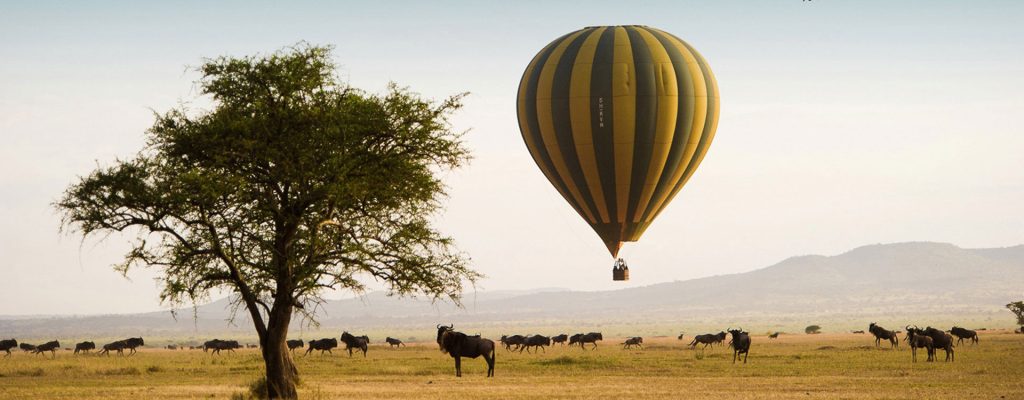
Kenya Hot Air Balloon Ride
October 26, 2026
Which National Parks in Rwanda Are Popular with Birdwatchers?
October 27, 2026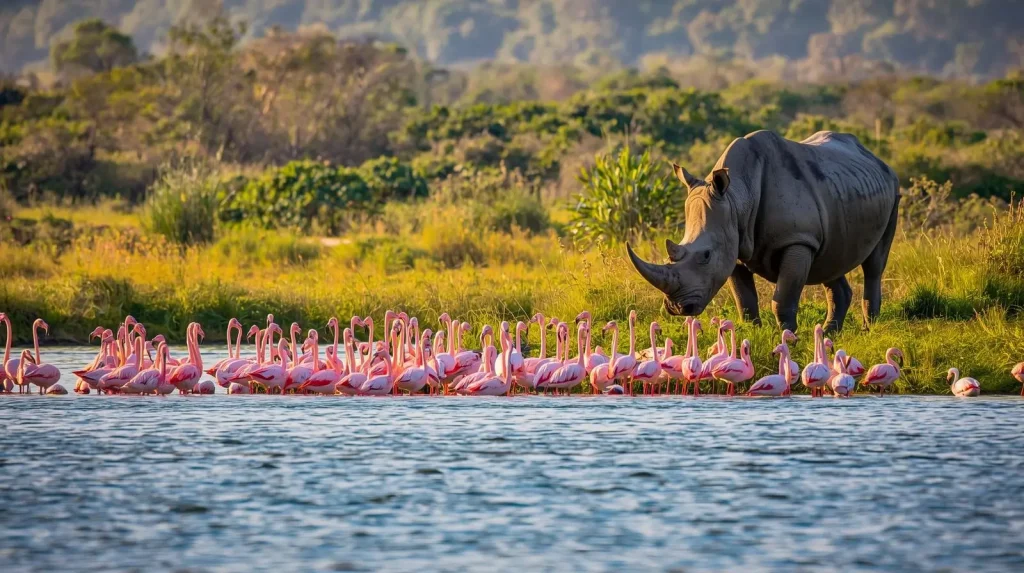
Where Can You Enjoy Birding Safaris in Kenya?
Why Is Kenya Excellent for Birdwatching?
Kenya is a rewarding birding destination because its landscapes range from high mountains and forested slopes to open savannah, alkaline and freshwater lakes, dry-country scrub, and Indian Ocean coastlines. These habitats support resident birds as well as seasonal migrants, giving travellers many ways to build a birdwatching itinerary. When asking where to enjoy birding safaris in Kenya, consider the habitats and species you hope to see, the season, and whether you want to combine birdwatching with classic wildlife viewing.
The Rift Valley lakes are popular for waterbirds, although species numbers and concentrations can change with water levels and ecological conditions. Maasai Mara offers grassland, woodland, and riverine habitats alongside its famous large mammals. Amboseli combines open plains with seasonal wetlands and striking views toward Mount Kilimanjaro when skies are clear. Tsavo’s broad, dry landscapes provide a different birding experience, while the Mount Kenya region and other highland forests can interest visitors looking for montane species. Coastal locations add shorebirds and species associated with marine and forest habitats.
Kenya’s size means that a good route should be selective. Trying to visit distant regions in a few days can leave too little time for birding. A focused itinerary based on two or three complementary areas usually allows more time to observe, identify, and photograph birds. Local guiding, seasonal knowledge, and realistic driving times all help shape a more enjoyable trip.
Which Rift Valley Lakes Are Worth Visiting?
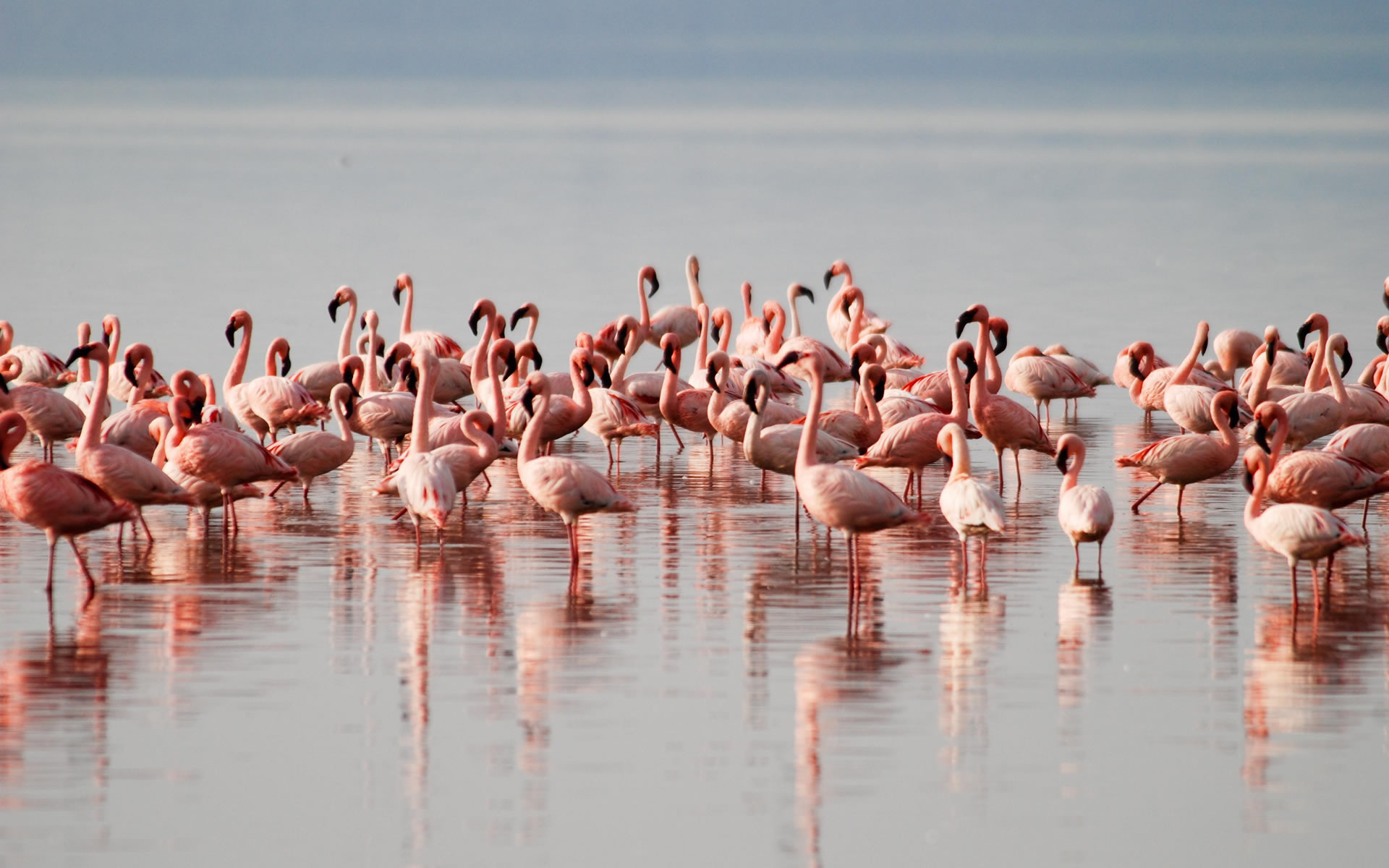
The Rift Valley lakes are an important part of Kenya’s birding appeal. Lake Nakuru National Park offers lakeshore, woodland, and open-country habitats, as well as opportunities to see other wildlife. Lake Naivasha is known for freshwater and lakeside birding; boat excursions and guided walks may be available depending on local conditions and operator arrangements. Lake Elementaita and other suitable lake areas can add further variety to an itinerary, but bird concentrations vary with water levels, weather, and wider ecological changes.
These lakes are especially useful for travellers who enjoy observing waterbirds, scanning shorelines, and comparing species across different wetland types. They can also work well for mixed-interest holidays because visitors may combine birding with scenery, walking, boat activities, or wildlife viewing where available. A guide can help identify which sites are most suitable during the planned travel period.
Birders should avoid assuming that a particular lake will always host the same numbers of birds. Water conditions and conservation management can influence what is present. Before travel, check current access arrangements and ask about the best sites for your target list. Allow time to observe quietly rather than treating every stop as a quick photo opportunity.
Can You Go Birding in Maasai Mara and Amboseli?
Yes. The Maasai Mara and Amboseli are often chosen for their wildlife, but both can add valuable birding to a wider Kenya safari. In the Maasai Mara, grassland, woodland, riverine strips, and seasonal wetlands support different bird communities. Visitors can look for birds during game drives and may find that a dedicated birding guide helps them notice species that a general wildlife itinerary might pass by. The experience varies with location and season.
Amboseli offers open plains, marshes, seasonal water, and views of Mount Kilimanjaro when weather permits. Wet areas can attract waterbirds, while the surrounding habitats provide opportunities to observe birds alongside elephants and other mammals. These parks suit travellers who want a combined birding and wildlife experience rather than a trip devoted exclusively to birds.
To get the most from either destination, tell your operator that birdwatching is a priority. The driver-guide can allow time for identification and observation, although wildlife sightings, road conditions, and park regulations will influence the day. A private vehicle can offer more flexibility, but its availability and cost should be confirmed before booking.
Where Can You Find Kenya’s Highland, Dry-Country, and Coastal Birds?
Travellers who want more than lakes and savannah can explore Kenya’s highlands, dry-country areas, and coast. The Mount Kenya region and selected central highland forests provide a different set of habitats from the open plains. Birders interested in forest species may benefit from guided walks where access is permitted. Dry-country destinations, including parts of Tsavo and northern Kenya, can offer birds adapted to arid and semi-arid environments. These areas require careful planning because distances, heat, and road conditions may be significant.
Along the Indian Ocean coast, wetlands, beaches, tidal flats, and coastal forests support a variety of birds. Coastal birding can complement a beach holiday, though the best sites and species depend on the location and season. Some areas may have sensitive habitats or specific access rules, so use local guidance and respect protected zones.
A multi-region trip can be highly rewarding, but it should not be overloaded. Choose areas based on target species, travel time, and the type of accommodation available. If the priority is a broad species list, a specialist itinerary may spend longer at selected sites. If you also want large mammals and relaxation, a balanced route can combine lakes, savannah, and coast.

7 Days | 6 Nights Masai Mara, Lake Naivasha, Lake Nakuru
When Is the Best Time for Birding in Kenya?
Kenya can be visited for birdwatching throughout the year, but seasonal conditions affect access and species presence. Migratory birds are present during parts of the year, while local rainfall influences breeding activity, vegetation, water levels, and the condition of roads. Wet periods can bring active birdlife but may make some tracks muddy. Drier conditions may improve access in certain areas, though waterbird numbers can change as lakes and wetlands shift.
The best dates depend on your target species and selected regions. Kenya’s coast, highlands, Rift Valley lakes, and savannah parks do not always share identical conditions. Ask a birding specialist to review your target list against your intended travel month. Early morning outings are often useful for bird activity and comfortable temperatures, while midday may suit transfers or rest.
Current conditions should be checked before travel, especially when visiting remote regions or combining multiple parks. Weather, road closures, park notices, and accommodation availability can affect the itinerary. Keep some flexibility in the schedule so a promising sighting or a change in local conditions can be accommodated.
What Should You Expect on a Kenya Birding Safari?
A Kenya birding safari can include vehicle-based viewing, guided walks, lakeshore observation, boat trips where available, and time around lodges or camps. The pace is usually slower than a trip focused only on large mammals because birders may stop frequently to listen and examine details. Guides can help with identification by discussing calls, shape, behaviour, flight patterns, and habitat.
Birdwatching can be combined with the Maasai Mara’s wildlife, Amboseli’s elephants, visits to cultural sites, or a coastal extension. However, every extra region adds travel time and cost. A short trip is usually better focused on a small number of nearby areas. Longer holidays can include several habitat types without rushing. No guide or operator can guarantee a particular wild-bird sighting, so a good safari values observation and learning as well as the final checklist.
Bring binoculars, sun protection, water, and clothing suitable for the weather. Follow the guide’s instructions and avoid disturbing birds for closer views. Use designated tracks and walking routes, and ask before photographing people during any community visit.
What Should You Pack for Kenya Birdwatching?
A pair of binoculars is one of the most useful items for birding. A field guide or offline app, notebook, camera, spare batteries, memory cards, and charging equipment can also help. Wear lightweight neutral-coloured clothing and comfortable walking shoes. Long sleeves and trousers offer protection from sun, insects, and vegetation, while a hat, sunscreen, and reusable water bottle are essential for many outdoor days.
A light waterproof jacket is sensible because weather can change, especially in highland areas. Coastal trips may call for lighter clothing, while early mornings in some highland locations can be cool. Insect repellent, personal medication, and a small daypack are practical additions. If you will use domestic flights, check luggage limits in advance, particularly if you are carrying camera equipment or a large spotting scope.
Ask your operator for destination-specific packing advice based on your route. Do not assume specialist optical equipment will be provided unless this is confirmed in writing.
How Can Kaara Safari Adventures Ltd Organise Your Kenya Birding Trip?
Kaara Safari Adventures Ltd can help tailor a Kenya birding safari to your preferred travel dates, group size, target birds, budget, and accommodation style. Share whether you are interested in wetlands, highland forests, dry-country birds, coastal habitats, or a combination of birding and big-game viewing. A clear priority list helps the planner choose a sensible route.
Review the itinerary and quotation before confirming. Check what is included in the price, such as transport, guiding, accommodation, meals, park fees, and optional boat activities. Ask about excluded expenses, cancellation terms, and any additional charges. Park rules and local access arrangements can change, so the details should be confirmed for the travel period.
Responsible birding means respecting wildlife and local communities. Avoid chasing birds, leaving approved routes, or using methods that cause unnecessary disturbance. Support local guides and community initiatives where possible. Thoughtful planning can make Kenya’s varied habitats accessible while keeping the experience respectful and rewarding.
Where Can You Enjoy Birding Safaris in Kenya?
Frequently Asked Questions About Kenya Birding Safaris
Where is birdwatching especially popular in Kenya? The Rift Valley lakes, Maasai Mara, Amboseli, selected highland forests, dry-country parks, and coastal habitats are all worth considering. The best combination depends on your target species.
Can I combine birds with big-game viewing? Yes. Many parks offer both birdlife and mammals. Tell your guide that birds are a priority so the day can include time for observation.
Are bird sightings guaranteed? No. Birds move freely and sightings depend on weather, season, habitat, and chance.
Do I need a specialist guide? A specialist guide can greatly improve identification and help you find suitable habitats, especially if you have a target list.
How many days should I allow? A short visit can focus on one or two nearby regions. A longer trip allows more habitats and less rushed travel.
Plan a Kenya Birding Safari
Kenya offers birding opportunities across wetlands, lakes, grasslands, highlands, dry-country environments, and the coast. The Rift Valley lakes are useful for waterbird watching, while Maasai Mara and Amboseli combine birdlife with iconic wildlife landscapes. Highland forests and coastal habitats add further variety for travellers with more time or specific targets.
Kaara Safari Adventures Ltd can help design a practical route around your priorities. Share your travel dates, target birds, preferred pace, group size, and accommodation needs. With realistic travel times, responsible guiding, and a flexible schedule, your Kenya birding safari can be both informative and enjoyable.